1. ArchDaily
  2. Urban Areas

Urban Areas: The Latest Architecture and News

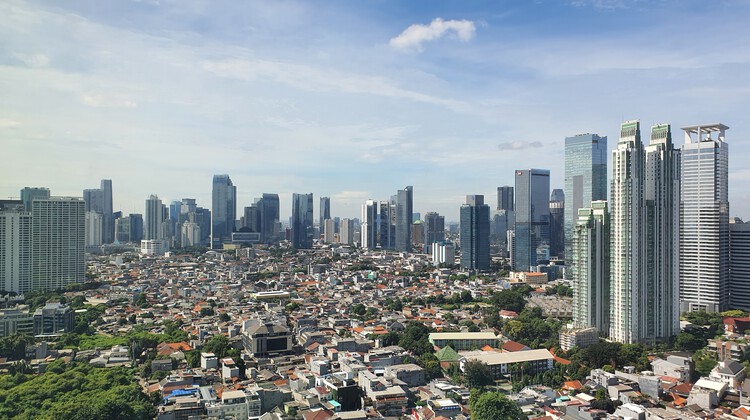
Jakarta Becomes the World’s Most Populous City, According to New UN Data

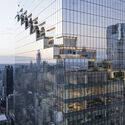
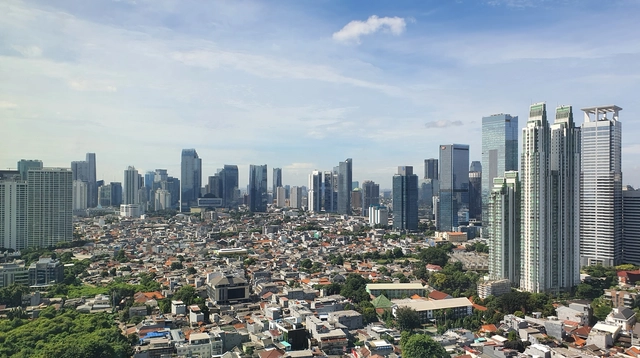
Jakarta has become the world's most populous city, according to the World Urbanization Prospects 2025 released by the United Nations Department of Economic and Social Affairs (UN DESA). Using an updated and harmonized method for defining urban areas, the report estimates Jakarta's population at nearly 42 million, placing it ahead of Dhaka, which is about 40 million, and Tokyo, 33 million. The revised ranking illustrates how updated measurement criteria and continued demographic growth are reshaping understandings of urban scale in Asia and globally.

Jakarta Becomes the World’s Most Populous City, According to New UN Data - Image 1 of 4Jakarta Becomes the World’s Most Populous City, According to New UN Data - Image 2 of 4Jakarta Becomes the World’s Most Populous City, According to New UN Data - Image 3 of 4Jakarta Becomes the World’s Most Populous City, According to New UN Data - Image 4 of 4Jakarta Becomes the World’s Most Populous City, According to New UN Data - More Images

COP29 Highlights: Key Takeaways for Cities and the Built Environment

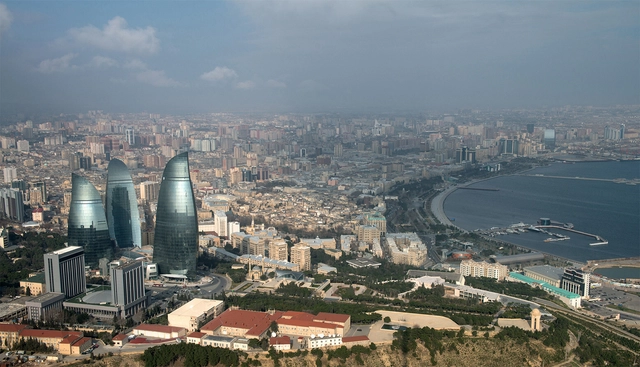
The 29th United Nations Climate Change Conference (COP29) took place in Baku, Azerbaijan, from November 10 to November 24, 2024, amid a backdrop of escalating climate challenges. For cities, the epicenters of population growth, economic activity, and climate vulnerability, the outcomes of COP29 are particularly significant. As urban areas contribute over 70% of global carbon emissions and housing more than half of the world's population, their consideration is pivotal in shaping global responses to the current crisis. In fact, cities are on the frontlines of the crisis, facing record-breaking heatwaves, catastrophic floods, and increasing economic losses from extreme weather events. In 2024 alone, urban areas worldwide experienced devastating climate impacts: flooding displaced millions in Africa, droughts crippled urban economies in South America, and storms caused widespread destruction in North America and Europe. The outcomes of COP29 directly affect urban planning, architecture, and sustainability efforts. From commitments to climate finance and carbon markets to renewable energy and resilience-building, the summit's decisions provide a roadmap for transforming cities into hubs of climate innovation and adaptation. Below are the key takeaways from COP29 for the built environment and urban spaces.

15 Landscaped Offices With Garden Space For Free-Range Employees to Roam

Subscriber Access | 

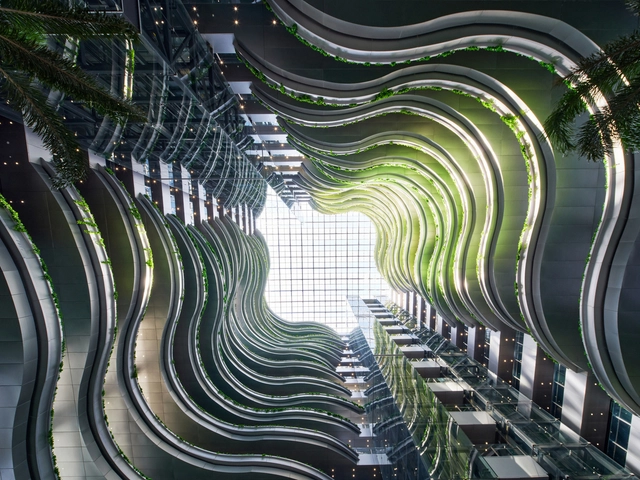
Representing 32% of the global population, Generation Z (those born between 1995 – 2010) accounts for a healthy chunk of the workforce (27% by 2025 and rising every year). These are the fresh young minds employers are fighting to attract. With prospective employers’ impact on society (93%) and a healthy work/life balance (77%) the two biggest motivators in deciding where Gen Z’ers want to work, a large part of any new office building’s design brief is green space.

While hybrid working and flexible hours represent the most obvious ways to improve work/life balance for many, because of the missed social interactions and the lack of space or functionality at unproductive home workspaces, the majority of 16-24-year-olds are the only age group who prefer to work from the office.

15 Landscaped Offices With Garden Space For Free-Range Employees to Roam - Image 1 of 415 Landscaped Offices With Garden Space For Free-Range Employees to Roam - Image 2 of 415 Landscaped Offices With Garden Space For Free-Range Employees to Roam - Image 3 of 415 Landscaped Offices With Garden Space For Free-Range Employees to Roam - Image 4 of 415 Landscaped Offices With Garden Space For Free-Range Employees to Roam - More Images+ 18

Exploring the Bay State Cohousing Model: A Unique Approach to Multi-Family Housing

Subscriber Access | 

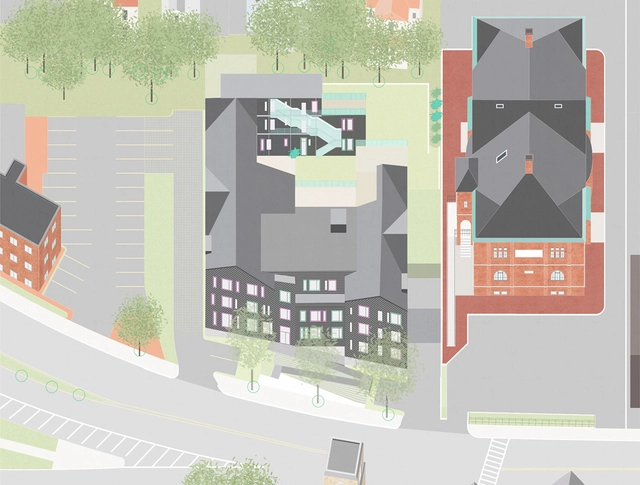
In Greater Boston's city of Malden, Massachusetts, an inter-generational community of thirty households hired an architecture firm and collectively designed their cohousing community. Responding to the cohousing community's request for collective living in an urban setting, French2D designed a typology-challenging building with individual residential units connected by a framework of shared spaces. The result is a 48,700 sqft unique and colorful type of multi-family housing. It is one of a growing number of cohousing projects in the United States.

Exploring the Bay State Cohousing Model: A Unique Approach to Multi-Family Housing - Image 1 of 4Exploring the Bay State Cohousing Model: A Unique Approach to Multi-Family Housing - Image 2 of 4Exploring the Bay State Cohousing Model: A Unique Approach to Multi-Family Housing - Image 3 of 4Exploring the Bay State Cohousing Model: A Unique Approach to Multi-Family Housing - Image 4 of 4Exploring the Bay State Cohousing Model: A Unique Approach to Multi-Family Housing - More Images+ 3

Women-Led Architecture Practices: Redefining Urban Housing Design at the Time Space Existence Exhibition in Venice

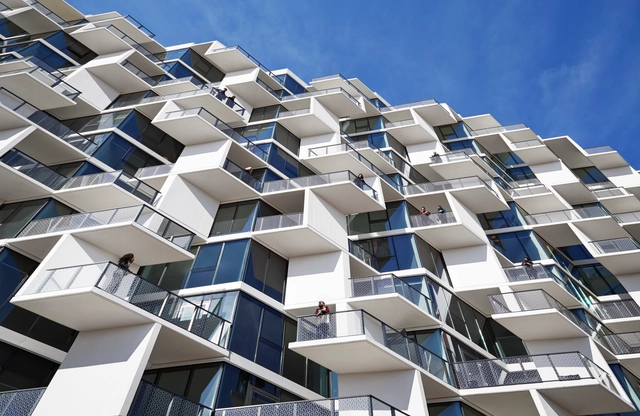
As part of the 6th edition of “Time Space Existence”, the European Cultural Center (ECC) presented the “Reconceptualizing Urban Housing” exhibition. Taking place from May 20 to November 26, 2023, it brings together a diverse array of women-led architecture practices from around the world, each offering a unique perspective on collective housing, particularly within urban settings. The showcased projects feature approaches from Europe, North America, and more developing countries like Uganda, Malaysia, and Mexico.

Women-Led Architecture Practices: Redefining Urban Housing Design at the Time Space Existence Exhibition in Venice - Image 1 of 4Women-Led Architecture Practices: Redefining Urban Housing Design at the Time Space Existence Exhibition in Venice - Image 2 of 4Women-Led Architecture Practices: Redefining Urban Housing Design at the Time Space Existence Exhibition in Venice - Image 3 of 4Women-Led Architecture Practices: Redefining Urban Housing Design at the Time Space Existence Exhibition in Venice - Image 4 of 4Women-Led Architecture Practices: Redefining Urban Housing Design at the Time Space Existence Exhibition in Venice - More Images+ 13

The Polish Pavilion at the 2021 Venice Biennale, Curated by PROLOG +1, Explores the Future of the Countryside

Titled "Trouble in Paradise", the Polish pavilion at the 17th International Architecture Exhibition – La Biennale di Venezia, will explore the countryside and observe how rural areas are an important element of building sustainable human environments, given the crises the world is surrounded with today. Curated by PROLOG +1 along with an international group of architects and artists, the national pavilion will be on physical display at the Giardini di Venezia, and online from May 22nd to November 21st, 2021.

The Polish Pavilion at the 2021 Venice Biennale, Curated by PROLOG +1, Explores the Future of the Countryside - Image 1 of 4The Polish Pavilion at the 2021 Venice Biennale, Curated by PROLOG +1, Explores the Future of the Countryside - Image 2 of 4The Polish Pavilion at the 2021 Venice Biennale, Curated by PROLOG +1, Explores the Future of the Countryside - Image 3 of 4The Polish Pavilion at the 2021 Venice Biennale, Curated by PROLOG +1, Explores the Future of the Countryside - Image 4 of 4The Polish Pavilion at the 2021 Venice Biennale, Curated by PROLOG +1, Explores the Future of the Countryside - More Images+ 8

Rio House / PAULO MERLINI architects

Rio House / PAULO MERLINI architects - Interior Photography, House InteriorsRio House / PAULO MERLINI architects - Exterior Photography, House Interiors, StairsRio House / PAULO MERLINI architects - Exterior Photography, House Interiors, FacadeRio House / PAULO MERLINI architects - Interior Photography, House InteriorsRio House / PAULO MERLINI architects - More Images+ 59

An Indonesian Smart City Design and a Contemporary Art School in Vienna: 10 Unbuilt Projects Submitted by our Readers

Subscriber Access | 

Presented part of international competitions, this week’s best-unbuilt architecture gathers award-winning projects submitted by our readers. Highlighting as usual diverse approaches from across the globe, ArchDaily is rounding up in this article, a curated selection of cultural, civic, and urban proposals.

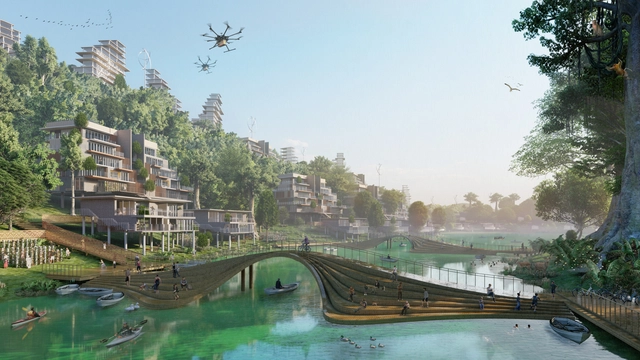
In Singapore, an adaptive reuse project transforms a power station into a creative industrial hub, while in Indonesia, a smart city design for the new capital generates an ecologically responsible environment. Moreover, Kjellander Sjöberg designs and develops an original city block in Stockholm, and TheeAe imagines a city hall for China. Other proposals include an entire reflective surface for a public square in Italy, a new city district in Tampere Finland, a University building in Warsaw, and a school for contemporary art in Vienna.

Giving People Agency in Public Space: The Artwork of Rafael Lozano-Hemmer

Subscriber Access | 

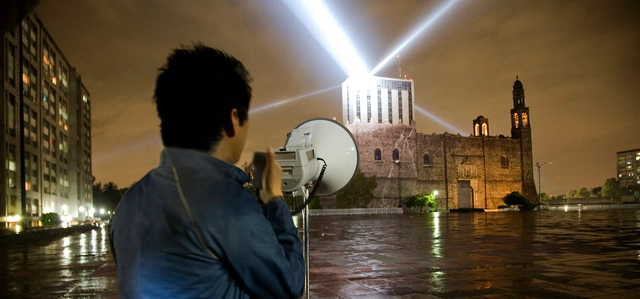
In the past, cities were often constructed in the likeness the public--the built environment reflected citizens and local culture. It is questionable whether this can be said of the modern world. Much construction today is a product of capitalism, generating buildings and areas in which local people have no attachment or sense of agency over. Artist Rafael Lozano-Hemmer believes this to be a fundamental crisis within our cities, and he is committed to reestablishing the relationship and representation of people within urban space. His work is examined in a new short film by PLANE-SITE, titled Public Interruptions.

A building today does not represent a citizen, a building today represents capital.