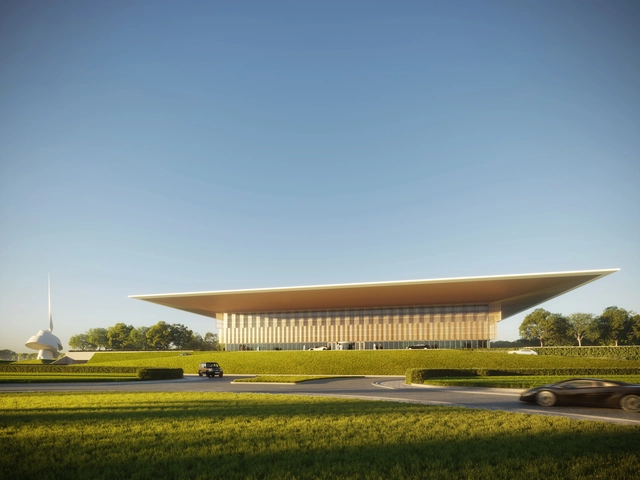
The Scroll by Gerry Judah outside the House of Wisdom, celebrating World Book Year in Sharjah. Image Courtesy of Foster + Partners
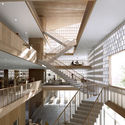
Foster + Partners has released their design for a library and cultural center alongside The Scroll, a new piece of public art by British sculptor Gerry Judah. Called the House of Wisdom, the project coincides with Sharjah being named this year’s UNESCO World Book Capital. Aiming to be a new cultural quarter in the city, the House of Wisdom was made to establish and retain connections with the outside.
One day after the fire that partially destroyed the iconic Notre-Dame Cathedral in Paris, we are left to look back at the night of unfolding devastation, and forward at plans to renovate and restore the structure back to its former glory. The 856-year-old structure, which has survived riots, wars, and revolutions, sustained major damage as fire destroyed its central spire, 66% of its roof, and parts of its vaulted interior. Despite the alarming images and videos of the Gothic masterpiece ablaze, it appears that the main structure, and much of the interior, has escaped destruction.
While a full investigation into the cause of the fire will likely take some time, new details continue to emerge on the course of the blaze, and initiatives from the public and private sector to fund the cathedral’s restoration. Below, we recap the timeline that unfolded on the evening of April 15th, before detailing the plans to recover a building emblematic of the history of its city and country.
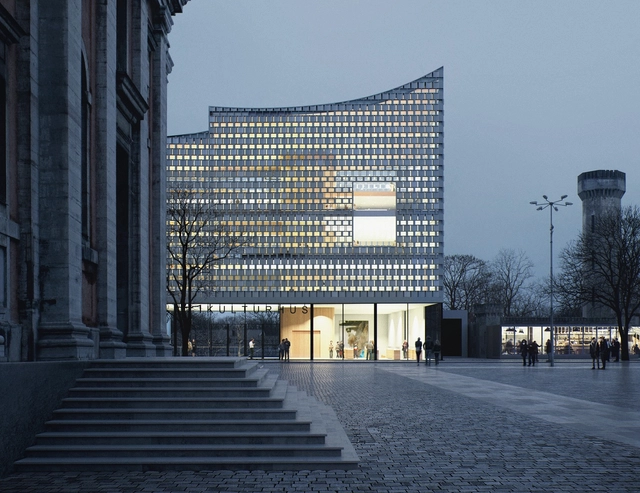
Culture House and Library Karlskrona. Image Courtesy of MIR
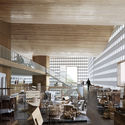
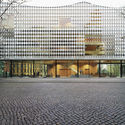
Danish architecture studio Dorte Mandrup has designed new culture house and library in the heart of the Swedish baroque city of Karlskrona. Working with Marianne Levinsen Landskab and Torbjörn Nilsson, the team developed the cultural project to combine an art hall, library and cafe together in the city center. The culture house is meant to become a modern meeting place and hub for several cultural activities at the corner of Karlskrona’s central square.
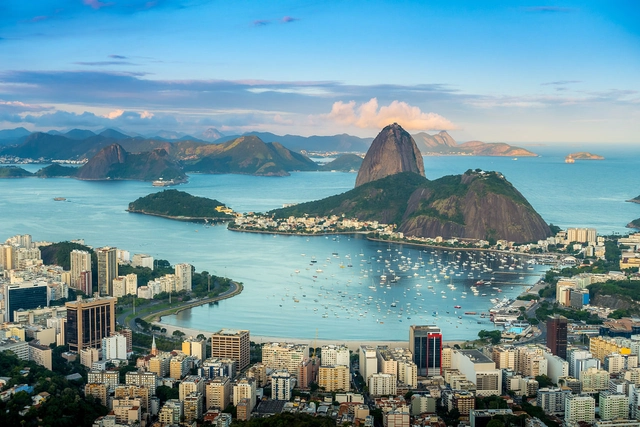
UNESCO has named Rio de Janeiro, Brazil as the World Capital of Architecture for 2020. In keeping with UNESCO’s recent partnership agreement with the UIA, UNESCO designates the World Capital of Architecture, which also hosts the UIA’s World Congress. The World Capital of Architecture is intended to become an international forum for debates about pressing global challenges from the perspectives of culture, cultural heritage, urban planning and architecture.
With the completion of the citywide light-rail expected in 2020, connecting Tel Aviv’s city center to neighboring Ramat Gan, Ramat HaHayal, Bat Yam, Jaffa, and Givatayim brings a new wave of residential architecture to transform the skyline. The city of Tel Aviv boasts the highest land value in the Middle East, and with this new connectivity it is only projected to increase demand and value.
The city Tel Aviv is deemed a UNESCO World Heritage Site for its collection of over 4,000 Bauhaus and Eclectic Architecture-style builds. The original city plan was made in 1925 by Sir Patrick Geddes, and is about to witness a significant shift. To promote density, the “TAMA 38” policy gives developers the opportunity to add additional units and floors in exchange for updating the existing units and infrastructure.
The Pavilion d’Eau, designed by EPFL architecture student Alexander Wolhoff, was constructed in Lake Geneva, Switzerland. The pavilion is a product of six months of research, prototyping, and coordination with different local and academic organizations done in conjunction with LHT3 labs. The exterior of the octagon pavilion has a structural aesthetic, while the interior -- only accessed by wading in the water -- is ornamental, clad in handmade ceramic tiles.
The UNESCOWorld Heritage Site municipality of Saint-Saphorin en Lavaux allowed for the temporary pavilion in the waters of Lake Geneva. The project is designed to touch the landscape lightly, not affecting the natural lake bed. The pavilion is comprised of materials including lake stones, wood, and porcelain tiles. To ensure a minimal and reversible impact on the site, the footings of the pavilion are made of seven gabions, metal cages filled with stones collected from the lake.
Working out of a UNESCO world heritage site in Cartagena, Colombia, Smart Everyday Nighttime Design is a research project that aims to use light as a means to build better communities. The project, spearheaded by Arup’sLighting team with urban-lighting leader Leni Schwendinger, seeks to address nighttime activation of Getsemaní’s streets and public spaces in a bid to improve safety, stimulate the night time economy and engage with the local communities and events.
This documentary, produced by PLANE—SITE, presents the project’s findings and explains the research process and the resulting prototype. The team had two main ambitions:
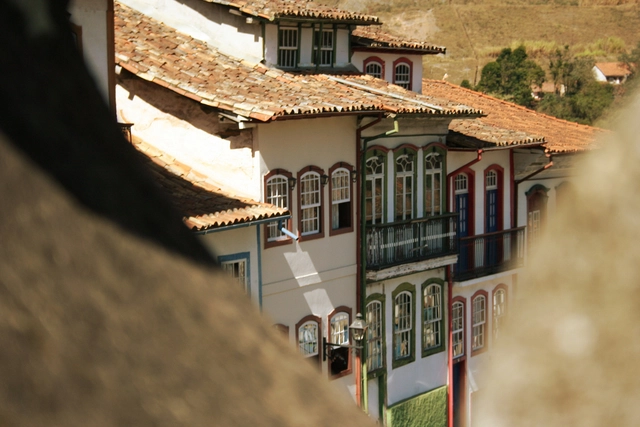
With more than five centuries of recorded history and many more years of pre-colonial traditions and customs, Brazil is listed in UNESCO's World Heritage List with 13 historical sites.
The website Viagem Turismo compiled a list with images and detailed information about each of the 13 sites. The list ranges from the Serra da Capivara National Park, "full of rocky caves covered with rock paintings" made more than 25 thousand years ago, to the modern capital of Brazil, Brasília, founded in 1960.
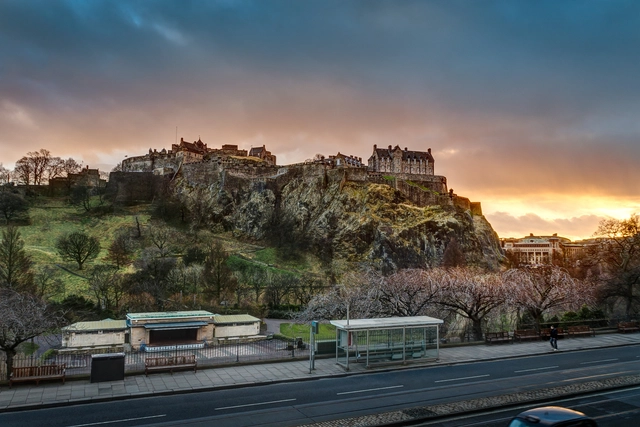
The Ross Pavilion International Design Competition focuses on regenerating and renewing an emblematic site at the heart of West Princes Street Gardens in Edinburgh, which is presently occupied by the Ross Bandstand. This nationally-important space, positioned below Edinburgh Castle in the UNESCO World Heritage site, is the seasonal focus for some of Scotland’s most high-profile events, notably Hogmanay and the International Festival’s closing fireworks.
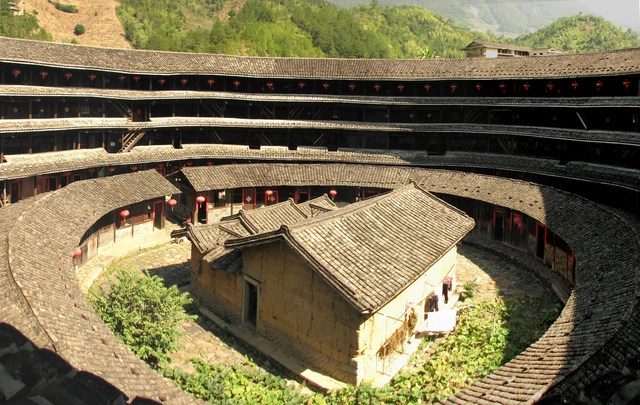
Vernacular architecture refers to designs which find their primary influence in local conditions: in climate, in materials, and in tradition. In a country as diverse as China, with 55 state-recognized ethnic minority groups and widely varying climates and topographies, many different vernacular dwelling styles have evolved as pragmatic solutions that accommodate the unique needs and limitations of their sites.
Rapid urbanization in China has favored high-rise apartment towers over traditional housing because of their ease of construction and the population density they enable, making vernacular dwellings increasingly rare throughout the country. Some firms, like MVRDV and Ben Wood’s Studio Shanghai, have taken note of the many benefits that vernacular dwellings provide, and have created projects that attempt to reconcile tradition with urbanization. Even if you aren't planning on building in China any time soon, the following housing styles have much to teach about what it means to live in a particular time and place. This is by no means an exhaustive list, but it does encompass the main types of vernacular dwellings seen throughout China.
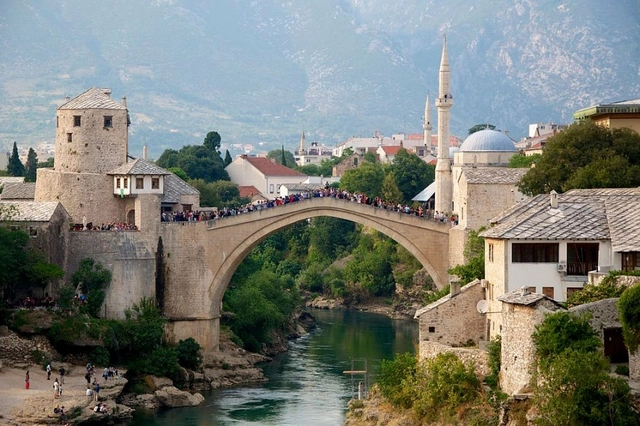
"The Old Bridge in Mostar, Bosnia and Herzegovina / Photo: ru.wikipedia.org". Image Courtesy of Strelka Magazine
This article, written by Svetlana Kondratyeva and translated by Olga Baltsatu for Strelka Magazine, examines the most interesting cases of the role of culture in sustainable urban development based on the UNESCO report.
UNESCO published the Global Report on Culture for Sustainable Urban Development in the fall of 2016. Two UN events stimulated its creation: a document entitled Transforming our World: the 2030 Agenda for Sustainable Development, which emphasizes seventeen global goals for future international collaboration, was signed in September of 2015 at the Summit in New York. Habitat III, the conference held once in twenty years and dedicated to housing and sustainable urban development, took place in Ecuador in October of 2016. The question of culture’s role in urban development, and what problems it can solve, was raised at both events. To answer it, UNESCO summarized global experience and included successful cases of landscaping, cultural politics, events, and initiatives from different corners of the world in the report.
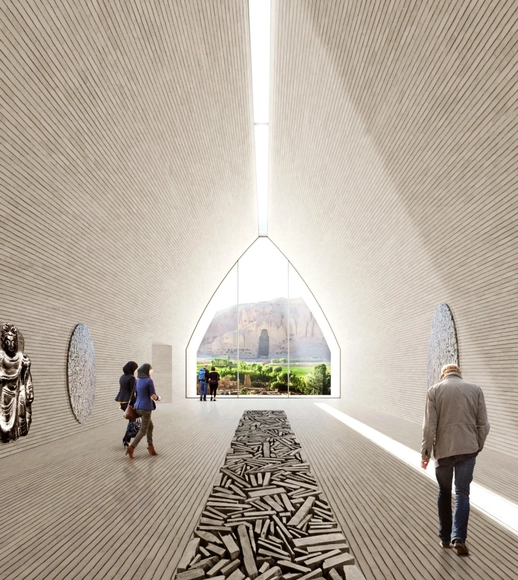
Winning Entry: Exhibition Space. Image Courtesy of UNESCO
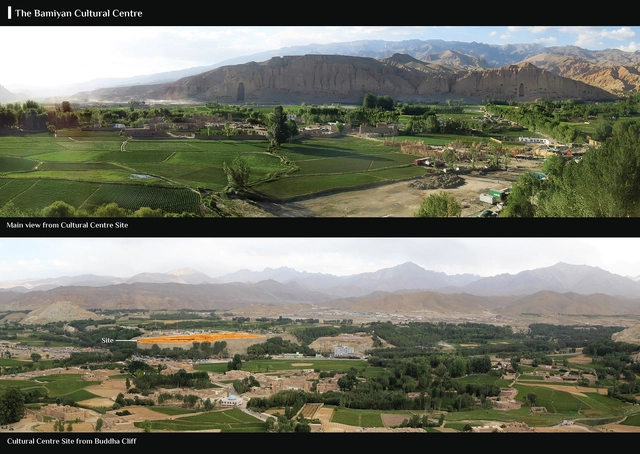
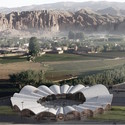
Last month the UNESCO office in Afghanistan, in collaboration with the Afghan Ministry of Information and Culture, announced the winning design for the Bamiyan Cultural Center. An Argentina-based team, led by Carlos Nahuel Recabarren alongside Manuel Alberto Martínez Catalán and Franco Morero, was selected from 1,070 design entries from teams in 117 different countries. Now, all of these submissions will be posted in an online gallery on the Bamiyan Culture Centre website for the next three months. “The competition achieved beyond expectation and contributed to portray a new and positive image of the culture sector in Afghanistan. This exhibition aims to showcase the extraordinary effort that the architectural community and each and every applicant put into this competition,” writes UNESCO.
With generous financial aid from the Republic of Korea, the culture center will be built on land adjacent to the Cultural Landscape and Archaeological Remains of Bamiyan World Heritage property. The center aims to promote art, history, music and community interaction. When evaluating the submissions the seven-member jury focused on “design principles emphasizing innovation, community needs, environmental consciousness, sustainability, and connection to the natural and cultural landscape of the Bamiyan Valley.”
Read on after the break for a round-up of images from some of the most interesting, unusual and unique proposals. You can search by ID number, Team Leader or Country to view the full project board with descriptions, renders and plans on the online gallery.
Videos
Winning Entry: Exhibition Space. Image Courtesy of UNESCO
UNESCO, in collaboration with the Afghan Ministry of Information and Culture, have announced the winning proposal for the Bamiyan Cultural Centre. An Argentina-based team, lead by Carlos Nahuel Recabarren alongside Manuel Alberto Martínez Catalán and Franco Morero, were selected from 1,070 design entries from 117 countries. Prepatory work on implementing their scheme, entitled Descriptive Memory: The Eternal Presence of Absence, "will start immediately" close to the boundaries of the Bamiyan World Heritage site.
See the winning entry and the four runners-up after the break.
A recent nomination by the United States seeks to elevate ten celebrated buildings characteristic of influential architect Frank Lloyd Wright's style to UNESCO World Heritage Sites. If the nomination is fulfilled, the collection of buildings will join the 1,007 designated sites currently on the UNESCO World Heritage List, including some of the most recognizable buildings in the world like the Taj Mahal and Sydney Opera House. These structures are recognized for their extraordinary cultural significance and "outstanding universal values." See the ten nominated buildings, after the break.
As Afghanistan begins its second decade of democratic governance after nearly 30 years of political instability, through the funding from the Republic of Korea, UNESCO has teamed up with the Afghan Ministry of Information and Culture, to build a Cultural Center close to the boundaries of the Bamiyan World Heritage property. With the realisation of the Bamiyan Cultural Centre, Afghans have the opportunity to recapture their heritage, to create a new impact on a historical site and to foster a positive relationship between their struggles and their hopes.
“This new architectural programme can challenge cultural barriers, reaffirm Afghanistan’s remarkable ancient history and enforce culture as a foundational component to Afghan national identity and peace-building,” states UNESCO.
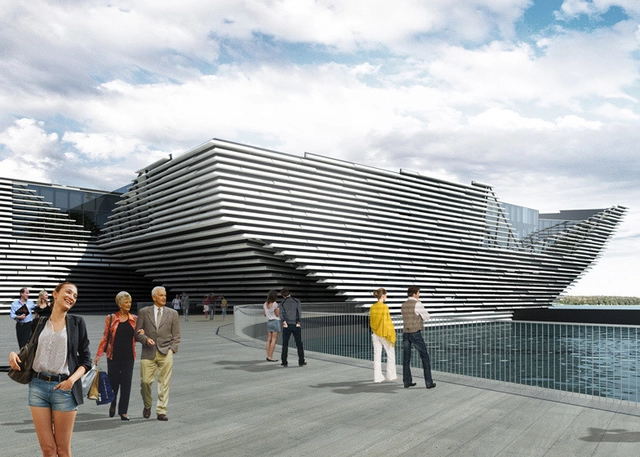
Dundee, Bilbao, Curitiba, Helsinki and Turin are often considered the cultural epicenters of their respected countries. Therefore it is no surprise that these five metropolises are the latest to achieve UNESCO’s City of Design status. Joining a list of 12 other cities, the newest City of Design selections are being recognized for the international influence on design. By awarding them “City of Design” status, UNESCO hopes to help further the development of creative industries and encourage cross-city cultural exchange in each selected metropolis.
Earlier this week, two articles on Domus engaged each other in a debate over the affect of UNESCO World Heritage status on the cities they supposedly protect. Is UNESCO turning the world’s cities into museums and hindering their future cultural development? Or could it be a positive force for protecting architecture and culture? Read on after the break to learn more about these clashing opinions.




.jpg?1555418685)
.jpg?1555418612 "© Erieta Attali")
.jpg?1555418654 "© Erieta Attali")

.jpg?1555418644 "© Erieta Attali")
.jpg?1555418875)








.jpg?1506417220)
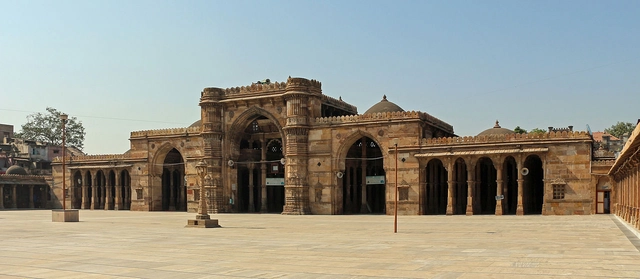
.jpg?1499781753 "Asmara. Image© <a href='https://commons.wikimedia.org/wiki/File:Asmara_(8351468351).jpg'>Wikimedia user David Stanley</a> licensed under <a href='https://creativecommons.org/licenses/by/2.0/deed.en'>CC BY 2.0</a>")







.jpg?1422955436&format=webp&width=640&height=580)

.jpg?1422955447 "Price Tower. Image © Flickr User ercwttmn")
.jpg?1422955436 "Solomon R. Guggenheim Museum. Image © Flickr CC User Richard Anderson")
.jpg?1422955426 "Frederick C. Robie House. Image © Nat Hansen")
.jpg?1422955436)