The World Heritage Committee decided to inscribe the Historic Center of the Port City Odesa, Ukraine, on the World Heritage List. The decision symbolizes the recognition of the outstanding value of the site and the commitment of the 194 States Party of the Convention not to undertake any deliberate step that may damage it and to help protect it. The site has also been inscribed on the List of World Heritage in Danger, which gives it access to international financial or technical assistance to ensure its protection and, if necessary, assist in its rehabilitation, according to UNESCO.
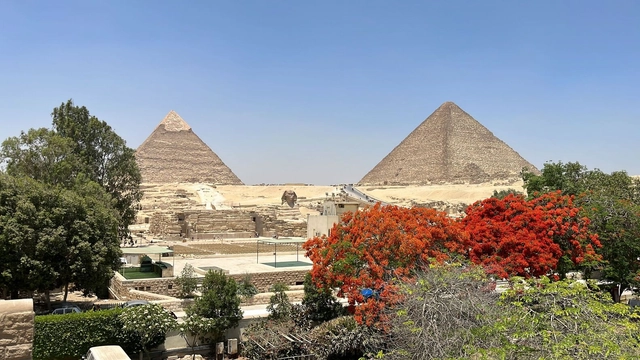
Skidmore, Owings & Merrill (SOM) and Egypt-based Raafat Miller Consulting (RMC) have been selected by OSL for Entertainment Projects to reimagine the visitor experience at one of the Seven Wonders of the World, the historic Pyramids and the Sphinx of Giza, Egypt. SOM will serve as lead designer of the project's concept, design, and masterplan, which will feature the transformation of the existing show facilities into a world-class visitor experience with a program that ensures environmental and preservation measures.
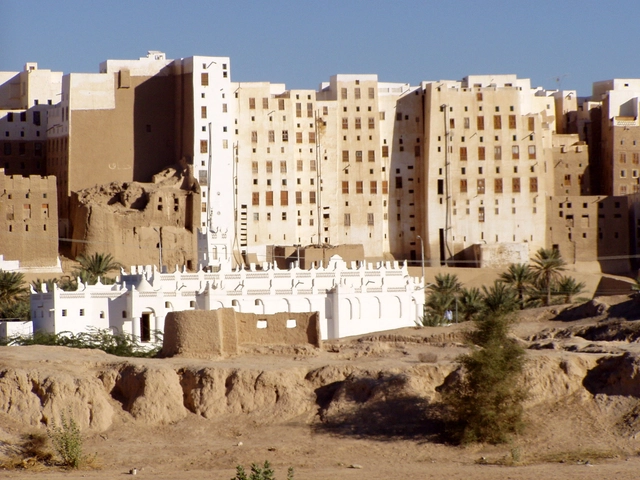
Skyscrapers are an unmissable characteristic of contemporary settlements. From São Paolo to New York, from Seoul to Dubai – these towering structures are a ubiquitous part of the urban fabric. The conventional image one has of these structures is of curtain-walled facades, but in Yemen – an ancient example goes against this trend. Central Yemen is home to the city of Shibam, surrounded by a fortified wall. It’s also home to a dazzling example of architectural ingenuity – tower houses that date back to the 16th century, stretching up to seven stories high.
Russia’s invasion of Ukraine unleashed a major humanitarian and refugee crisis, with 4.2 million people fleeing into neighbouring countries and 6.5 displaced internally. According to the United Nations Office for the Coordination of Humanitarian Affairs (UNOCHA), 18 million people are projected to become affected in the near future with the current scale and direction of the ongoing military violence. In addition to the threat to human lives, Ukraine’s culture is also at risk, as cities and historic buildings are being destroyed. In March, the United Nations Educational, Scientific, and Cultural Organization (UNESCO) has expressed concern over the damage caused to historic landmarks in Ukraine and called for the protection of its cultural heritage. The following are some of Ukraine’s most prominent architectural landmarks, which are now in danger of being destroyed amid the conflict.
The United Nations Educational, Scientific, and Cultural Organization (UNESCO) has expressed concern over the damage caused to historic landmarks in Ukraine and called for the protection of its cultural heritage. At the same time, the organization has taken action within its capabilities to help safeguard the endangered sites. Ukraine is home to seven World Heritage sites, including the 11th-century Saint-Sophia Cathedral and the entire ensemble of the Historic Centre of Lviv. In addition, several sites in the recently damaged cities of Kharkiv and Chernihiv were on the tentative list for potential nomination to World Heritage status.
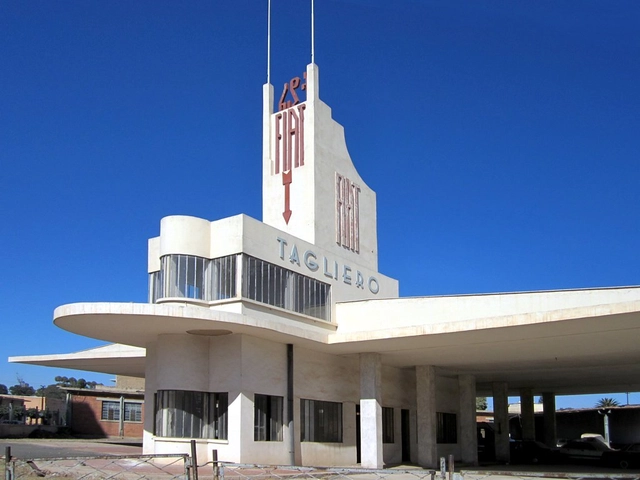
The built environment we all inhabit is part and parcel of global, interconnected processes and systems. When we appraise the historically significant architecture of our cities, the structural integrity and aesthetics of a building merits equal consideration with factors such as the labour conditions of its builders to the existing power structures of its time. Examples of ItalianModernism in Eritrea, for instance, might be worthy of aesthetic praise – but intertwined with the legacy of these buildings hailed as Modernist icons is the sobering fact that they were built to further an imperial project. In the complex fields of architectural conservation, preservation and cultural heritage, democratisation should always remain a key priority.
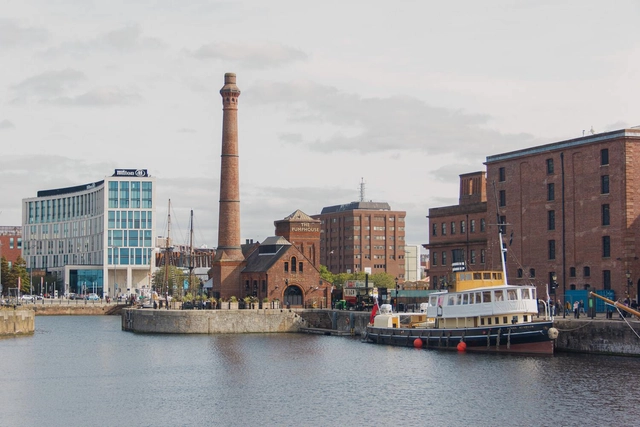
This month, UNESCO has announced a series of decisions concerning important heritage sites, giving rise to conversations around preservation and urban development. Last week, the World Heritage Committee decided to strip Liverpool of its heritage status, as the new developments are considered detrimental to the waterfront's integrity. These projects placed the city on the List of World Heritage in Danger in 2012, a designation which Venice managed to avoid earlier this week, due in great part to the recent ban on cruise ships.
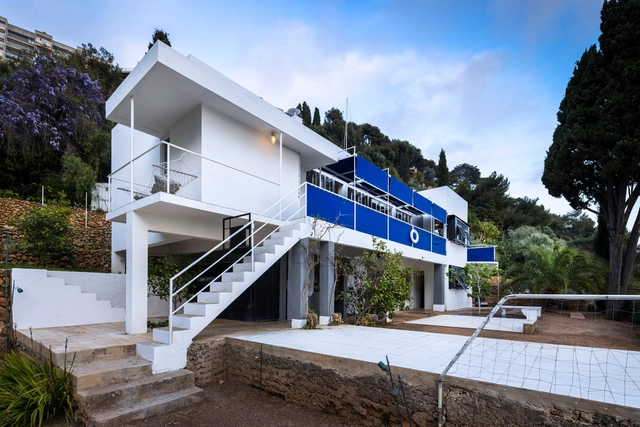
Association Cap Moderne have announced that the restoration of Eileen Gray’s modernist villa E-1027, along with other projects on the Cap Moderne site, such as Le Corbusier’s Cabanon and Unités de Camping, and l’Etoile de Mer restaurant, have been completed and are now open to visitors. The site is listed as a UNESCO World Heritage Site, and is considered as one of the must-see places to discover in the region, welcoming more than 10,000 visitors a year.
The African continent has been - throughout history – a key player in the ever-evolving story of human migration. Cultures and customs have been shared, adapted, and re-imagined as a result of this movement of populaces, and architectural styles are no exception. In a way, the varied architecture present in Africa is a lens one can look at to understand the intricacies of migration. Present on the continent are ancient indigenous and building typologies born out of the organic assimilation of cultures. Also present are remnants of colonial architecture, a legacy not of voluntary migration, but of forced colonial imposition.
The world of travelling is a multifaceted one. There are the everyday trips one takes for work or school, commuting to a set location during the week, usually within the confines of a city. There are the longer trips too, the trips which usually involve getting into an aeroplane to visit someplace a bit farther from where the traveller usually resides. These trips are frequently done for business purposes, but for those who have the means to afford it, these trips are undertaken for learning and leisure – where the traveller can be defined as a “tourist”.
At the heart of it, architecture is an inter-disciplinary profession. Ranging from structural engineers to quantity surveyors, a design project thrives from the collaboration of individuals from various fields of work. An often-overlooked connection is the link between the fields of architecture and archaeology, which in more ways than one have a lot in common. In a time of increased awareness on issues of sustainability and heritage, the expertise present in the field of archaeology plays a vital part in the preservation of architectural landmarks of historical significance. This expertise can also play a significant part in creating sensitive architectural interventions suitable for their context, contemporary in their design while responding to historical precedents.
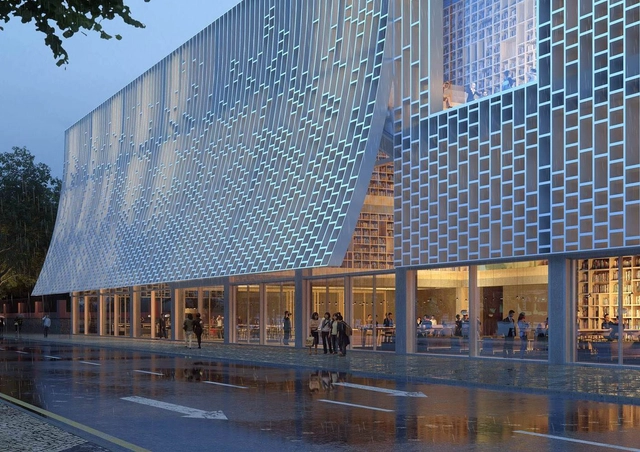
Dutch design practice Mecanoo has shared initials details of the new Macau Central Library as part of a UNESCO World Heritage Site. Designed for the Cultural Affairs Bureau of the Macau SAR Government, the project will be located by the Tap Seac square on the site of the former Hotel Estoril, the first casino resort in Macau. Activating the square and public realm, the library will encourage visitors to uncover and utilize this new public amenity.
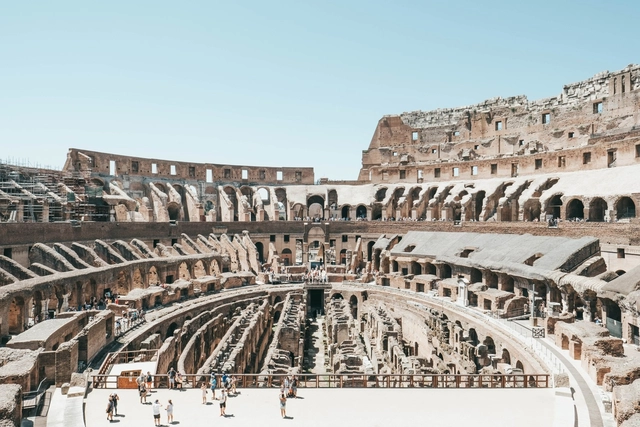
The Colosseum. Image Courtesy of Henry Paul/Unsplash
The Colosseum will undergo a renovation with a new, retractable floor platform. In ancient Rome, thousands gathered to watch enslaved gladiators, criminals, and wild animals fight to the death. These fighters and caged animals would emerge from the ground through secret tunnels beneath the arena’s wooden and sand-covered floor. Colosseum director Alfonsina Russo told the Times that the plan is to host concerts and theater productions on the new floor.
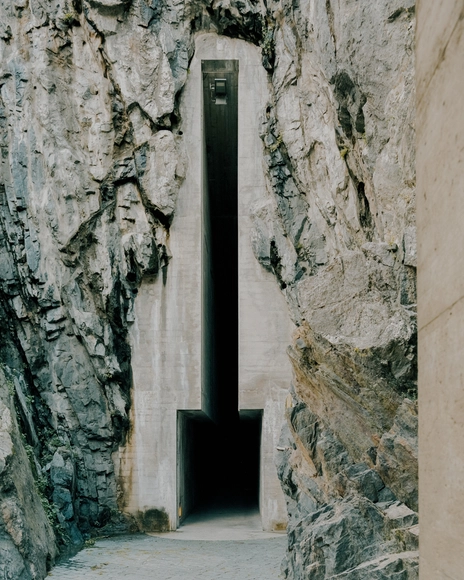
Situated on Ticino's rocky peaks are the historic Medieval Castles of Bellinzona: Montebello, Sasso Corbaro, and Castelgrande. And while all three castles and their fortifications have become part of UNESCO's World Heritage Sites, it is not only the ancient walls that leave visitors enchanted, but the gateways that leads to them.
Architectural photographer Simone Bossi decided to solely capture the castle's entrance, displaying how a dialogue between the organic forms of nature and refined man-made walls can be as majestic as a historic fortress.
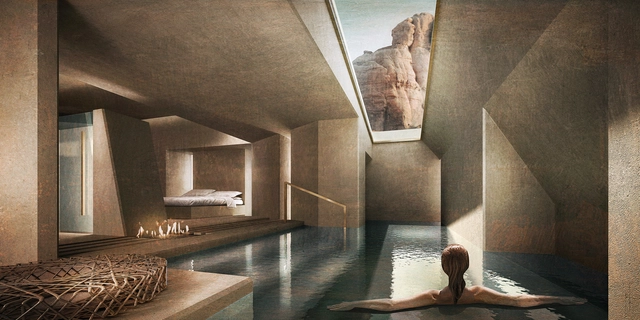
Delicately excavated from the natural grounds of Jordan’s Wadi Rum, Jordanian architect Rasem Kamal transformed the phrase of “form follows function” into “subtraction follows function”, emphasizing the relationship between external form and internal space with a resort that promises a sanctuary both above and underground.
In the newly-released video of the proposal, the architect uncovers the hidden resort and takes viewers on an enchanting walkthrough of the proposed Wadi RumSanctuaryResort. Kamal complements the desert’s jagged landscape with the resort’s subtle architecture, letting the structure blend seamlessly with its surroundings.
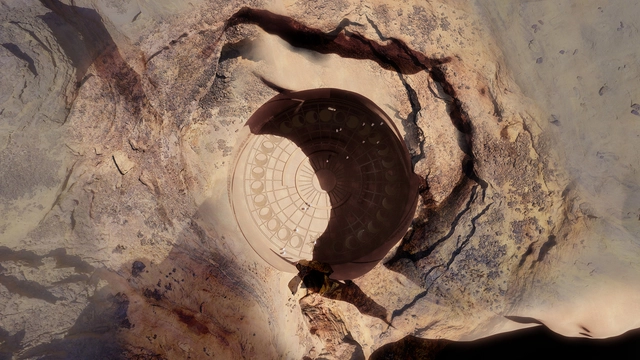
Jean Nouvel has just unveiled his design for Sharaan, a resort hidden within the rock dwellings of AlUla, a cultural oasis in north-west Arabia. Showcasing a modern take on millennia-old ways of living, the project puts in place monumental designs carved into the rocks, respecting and preserving the landscape. Inspired by the nearby Hegra, Saudi Arabia’s first UNESCO World Heritage Site, the concept takes a curatorial approach bringing together landscape and history.
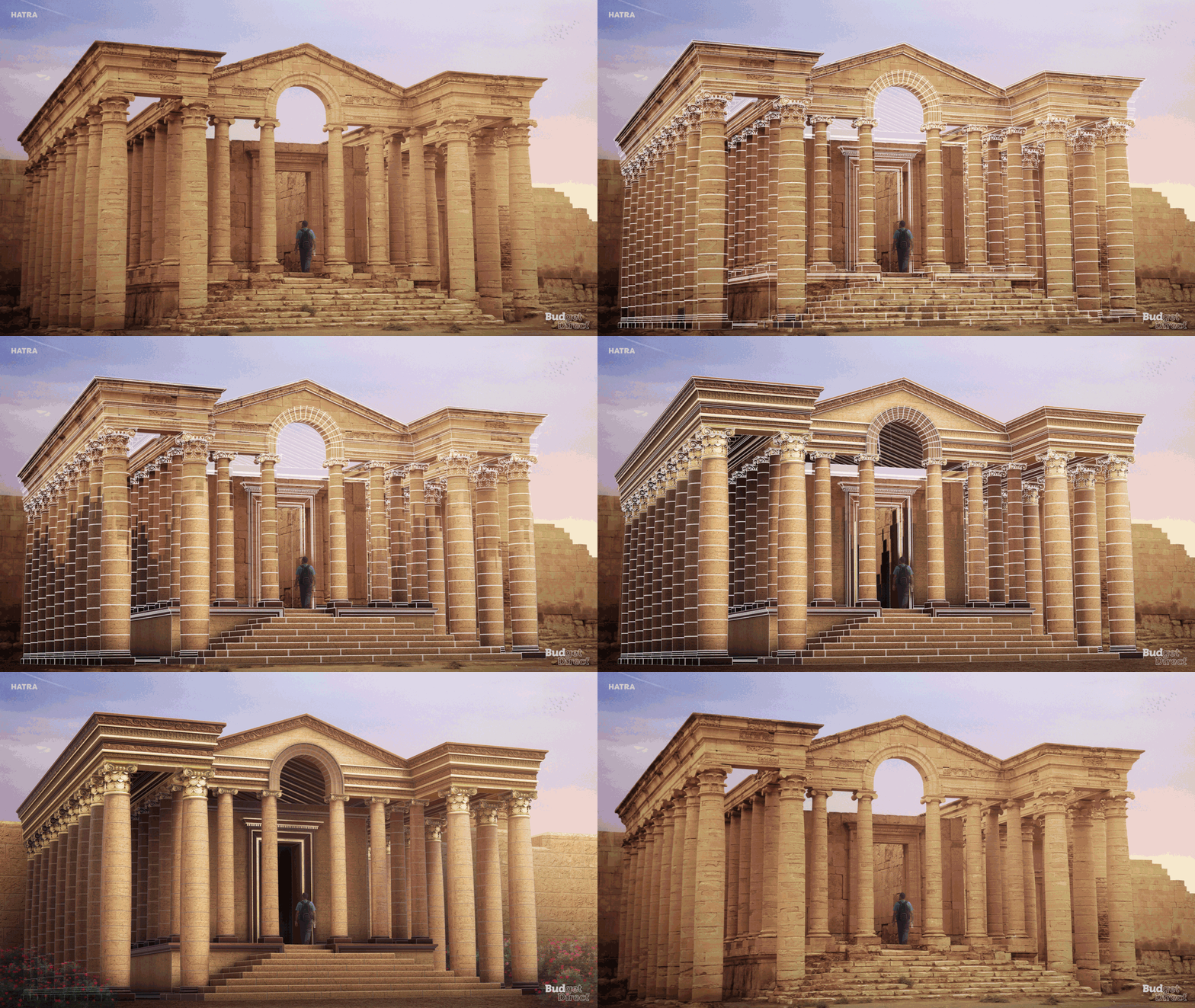
Budget Direct and NeoMam Studios, a creative studio based in the UK, have created a series of animated gifs restoring 6 UNESCO cultural sites and showcasing how these ruins would have looked like if they had been preserved. Bringing to life endangered sites, the project includes the recently destroyed ruins of Palmyra in Syria and Hatra in Iraq, demolished by ISIS in 2015.



















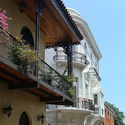
.jpg?1637861666 "Casco Viejo - Panama City, Panama. Image © Wikimedia User David Broad under the Creative Commons Attribution 3.0 Unported license.")