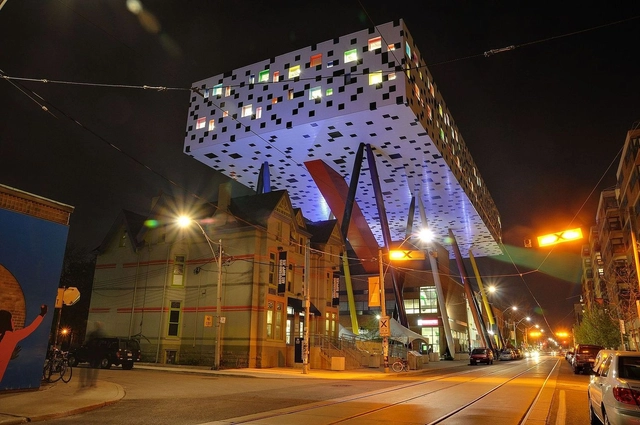
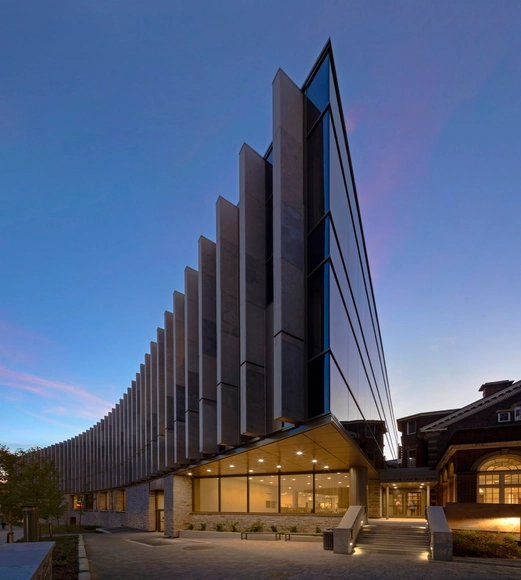
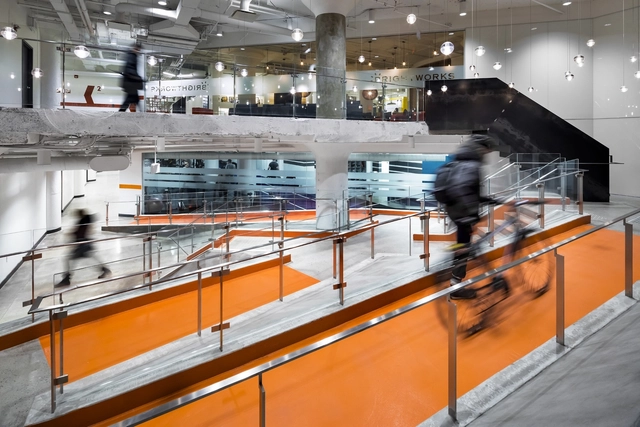
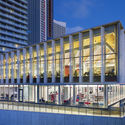
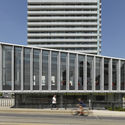
The project aims to extend and reinvigorate the campus core along McCaul Street in downtown Toronto and will include approximately 55,000 square feet of new construction, in addition to the renovation of 95,000 square feet of existing campus space.
https://www.archdaily.com/803612/morphosis-teeple-architects-among-firms-to-lead-ocad-universitys-expansion-in-torontoOsman Bari
In June last year, PARTISANS published Rise and Sprawl: The Condominiumization of Toronto with architecture historian and critic Hans Ibelings. An effort to contextualize the role of the condo in Toronto’s unprecedented and intense growth over the past ten years, this thoughtful, if provocative, work offers a scathing criticism of the architecture (or lack thereof) deployed in much of the recent residential constructions in the city. It is a formal demand that the city be built more thoughtfully.
Alex Josephson is a founding partner of PARTISANS, one of Toronto’s youngest and more innovative architecture practices. Only in its fifth year, PARTISANS has already earned accolades and awards from the American Institute of Architecture, the Ontario Association of Architects, Architect Magazine, Interior Design Magazine, and the World Architecture Festival (WAF).
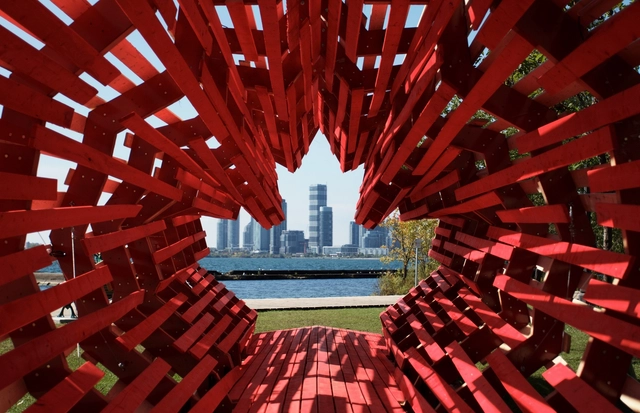
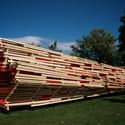
In memorial of the 1956 Hungarian Revolution, which resulted in the emigration of over 37,000 Hungarians to Canada, architectural studio Hello Wood has created Tunnel Through Time, a contemporary interpretation of the historic event that remembers the heroes of the revolution and especially honoring the Canadian people who welcomed Hungarian refugees.
Composed of 37,565 pieces—one for each Hungarian refugee accepted into Canada—the tunnel begins with a Hungarian flag with a hole in the middle, representing how protesters cut the communist coat of arms out of the Hungarian flag during the revolution. The tunnel then morphs—as a representation of the journey of the refugees—until it reaches an exit, which is shaped like the national symbol of Canada, the maple leaf.
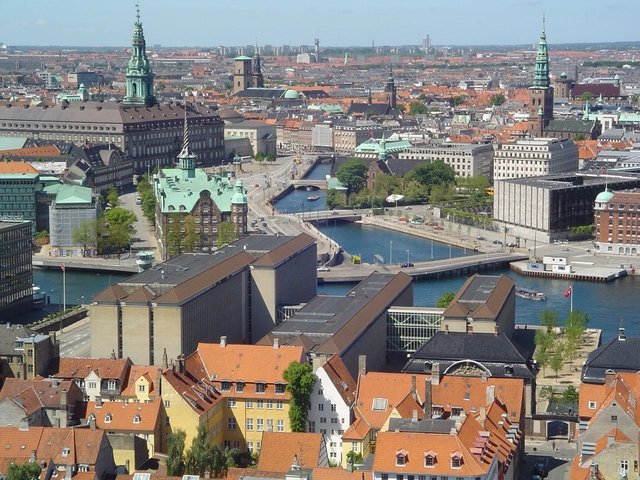
Metropolis Magazine has released their 2016 rankings of the world's most "livable" cities. Acknowledging that what makes a city "livable" can often be subjective, the team at Metropolis emphasizes that in creating the list they "focused on the concerns at Metropolis’ core—housing, transportation, sustainability, and culture." The result of this research was last year's top prize-winner Toronto dropping to the number 9 spot and Copenhagen, which last year took the number 4 spot, jumping to the top. Rounding out the top three are Berlin and Helsinki.