


-
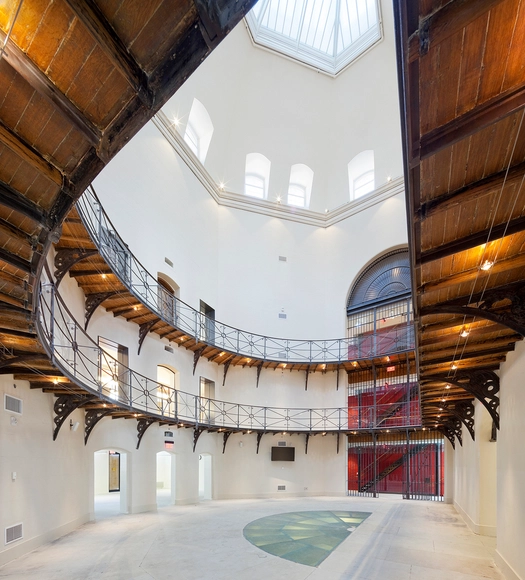
Architects: Snøhetta, Zeidler Architecture
- Area: 155000 ft²
- Year: 2015


For this week's edition of The Urbanist, Monocle's weekly "guide to making better cities," the team discuss urbanism projects that were planned and never realised, what 'paper architecture' really is, and the importance of the architectural competition.
In The Urbanist, Andrew Tuck explores how a terrace of old town houses in central London (152-158 The Strand, near Somerset House) have been recently saved from demolition by the efforts of campaigning journalists and a sympathetic public. In Brazil, the yet to be seen high-speed train link between Rio di Janeiro and São Paulo meets scrutiny while in Toronto, five unsuccessful architectural bids are examined. Finally, ArchDaily Editor James Taylor-Foster visits their London studio to talk about the architectural competition, from Brunelleschi to Guggenheim and Den Bosch.

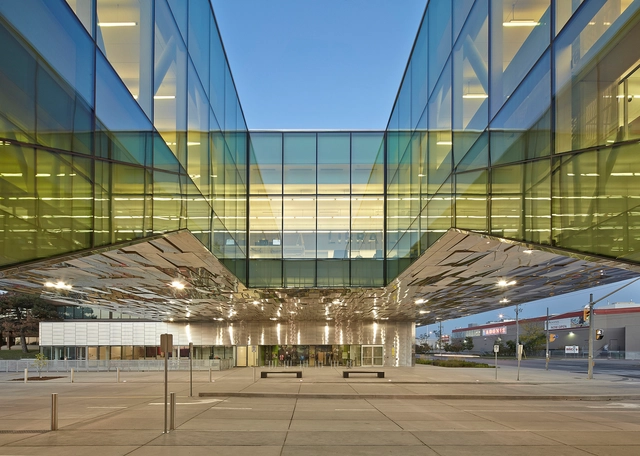


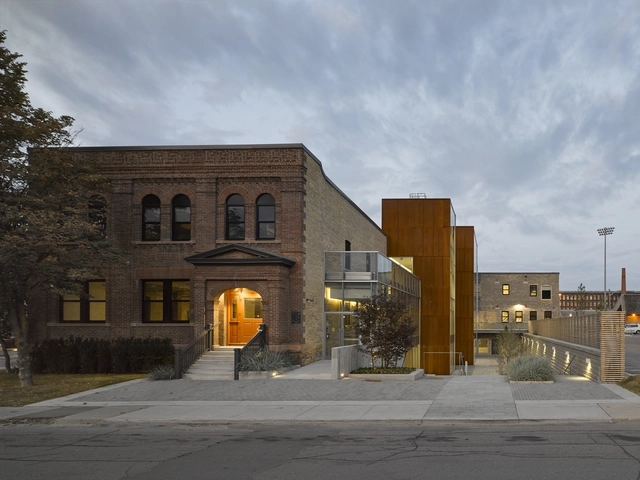
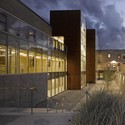
The Ontario College of Art and Design University (OCAD U) has commissioned Toronto firm Bortolotto to transform the university’s main office building into the Rosalie Sharp Pavilion. The office will be wrapped in a technologically-responsive layer, transforming it into a multi-use, student work and exhibition space and transforming the corner of Dundas and McCaul streets into an interactive gateway for the campus.
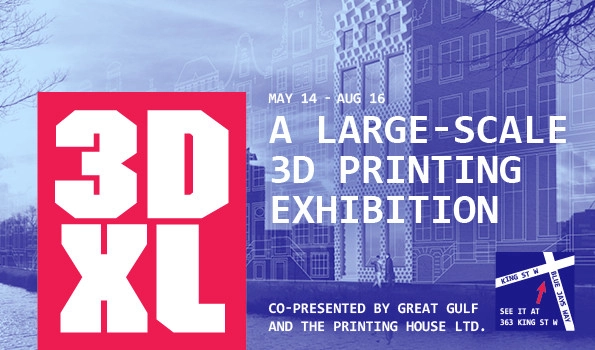
Despite being at the forefront of digital fabrication technology, 3D printing is still shrouded in mystery, something which the Design Exchange (DX) hopes to change with its most recent exhibition, “3DXL” in Toronto. Curated by the director of DX, Sara Nickleson, 3DXL brings together 3D printing projects from across fields, including work from medicine, design and architecture. As the name suggests, the exhibit presents 3D printing on a scale not normally observed by the public. In particular, the exhibit addresses the role 3D printing will play in the future of architecture, and how it may begin to replace more traditional architectural construction.
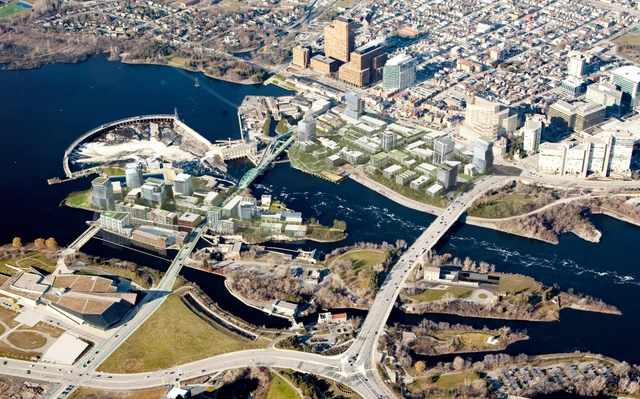
Urban waterfronts have historically been the center of activity for many cities. They began as economic, transportation and manufacturing hubs, but as most industries changed their shipping patterns and consolidated port facilities, many industrial waterfronts became obsolete. In Europe, smaller historic ports were easily converted to be reused for leisure activities. However, in North America, where the ports were larger, it was more difficult to convert the waterfronts due to logistical and contamination issues.
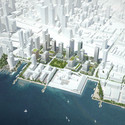
Over the past 40 years or so, architects and urban planners have started to recognize the redevelopment potential for waterfronts across the United States and Canada, and the impact they can have on the financial and social success of cities. Though cold-climate cities pose a unique challenge for waterfront development, with effective planning waterfront cities with freezing winter months can still take advantage of the spaces year-round.
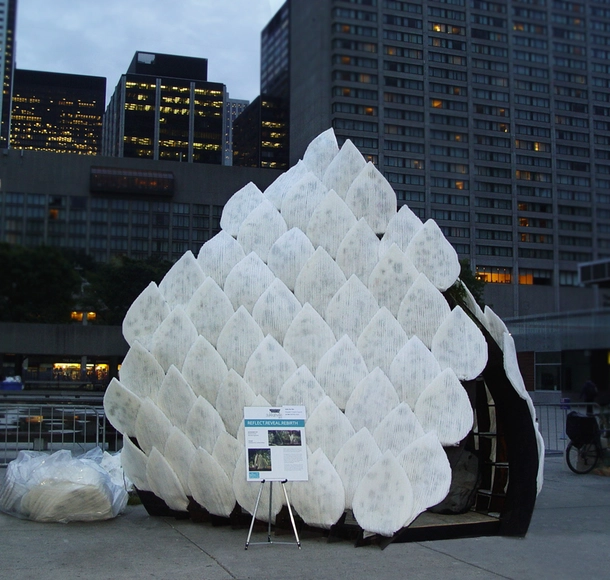
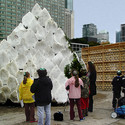
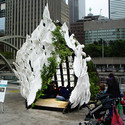
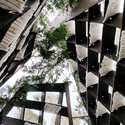
In the annual Sukkahville design competition in Toronto, entrants are challenged to reimagine the sukkah, a structure that the competition organizers describe as a "symbolic wilderness shelter, symbolizing the frailty and transience of life," traditionally built during the Jewish festival of Sukkot to commemorate the 40 years that the Jews spent wandering the desert. For the 2014 competition, New Jersey-based graduates Michael Signorile and Edward Perez created "Reflect.Reveal.Rebirth," a structure that responds to this challenge to create a transient space for contemplation by utilizing a biodegradable skin.

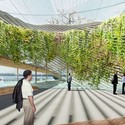
KPMB Architects, West 8 and Greenberg Consultants have been announced as winners of a competition to revitalize Toronto's Jack Layton Ferry Terminal and Harbor Square Park. The winning proposal, "Harbour Landing" envisions a terminal embedded within the surrounding park and topped with a lush public green space that expands the waterfront park.
"The vision for the area will result in a welcoming gateway to the Toronto Islands – one of the City's most unique and cherished parks – with amenities and infrastructure to support the approximately 1.3 million visitors who use the ferry each year," said competition organizers, Waterfront Toronto and the City of Toronto in a press release.
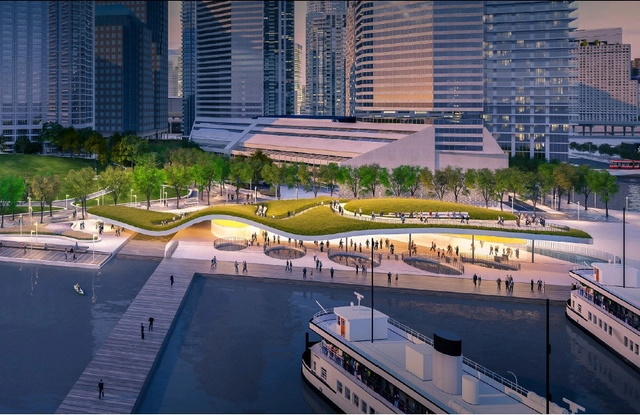
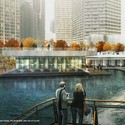
Waterfront Toronto has unveiled five proposals for the Jack Layton Ferry Terminal and Harbour Square Park design competition. The finalists were tasked with transforming Toronto's waterfront by revitalizing the existing ferry terminal and park through an extensive gradually-implemented masterplan. See all five proposals, including designs by nARCHITECTS and Diller Scofidio + Renfro, after the break.
.jpg?1426713879&format=webp&width=640&height=580)
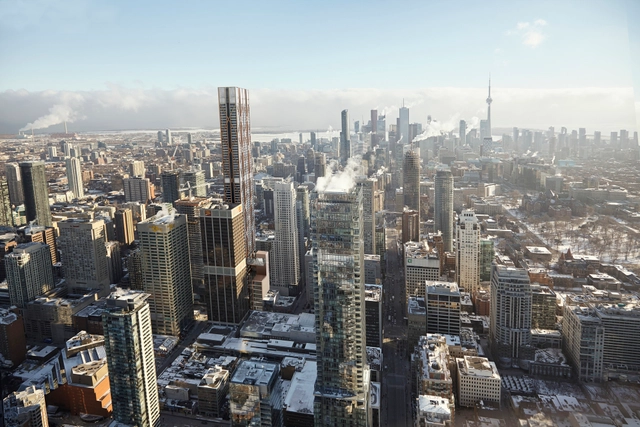
Foster + Partners has unveiled plans for an 80-story mixed-use tower that will rise 318-meters on a prominent site in downtown Toronto at One Bloor West. The city’s second tallest building, “The One” skyscraper aims to “pioneer a new model of vertical retail” with an expansive, 60-meter commercial base that will anchor dense housing.


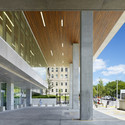
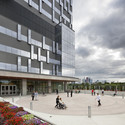



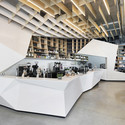


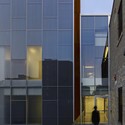

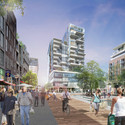
.jpg?1431654800 "Lower Yonge project in Toronto. Image © Chris Foyd courtesy of Perkins+Will")


















.jpg?1426713879)