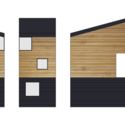
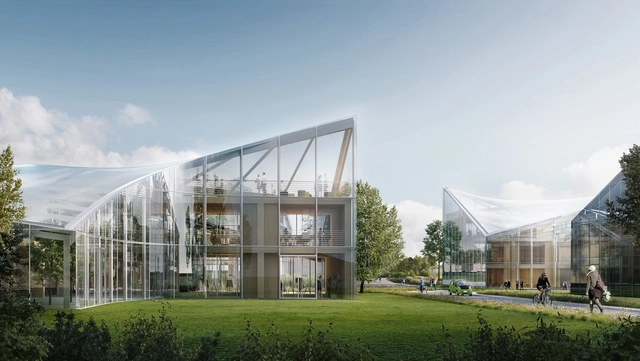
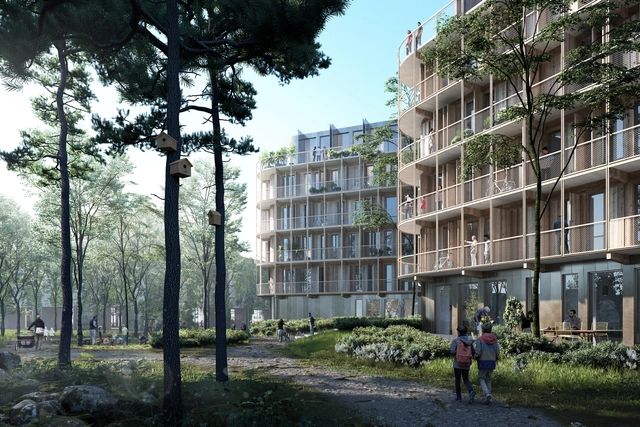
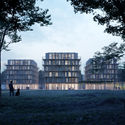
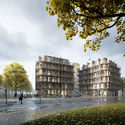
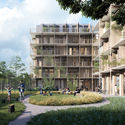
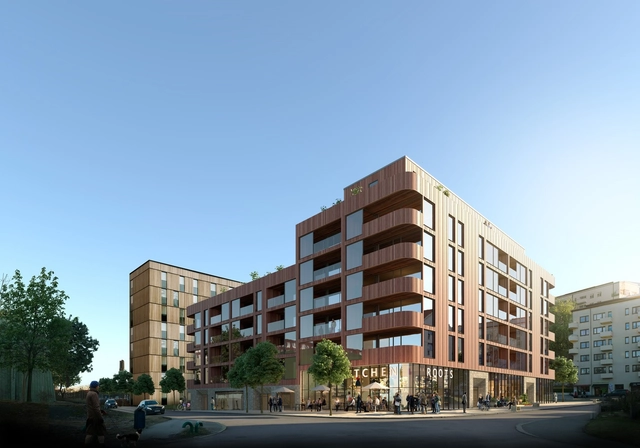
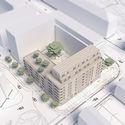
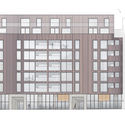
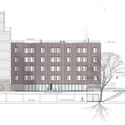
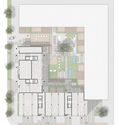
Riksbyggen and Sweco Architects were announced as the winners of a government-led competition to create a cross-laminatedtimber framed housing development for the Johanneberg district of Gothenburg, Sweden. The proposal, called “Slå rot” (Swedish for “put down roots”), was chosen for its response to its existing environment with nods to tradition, while still providing an innovative structural system and modern living to the neighborhood.
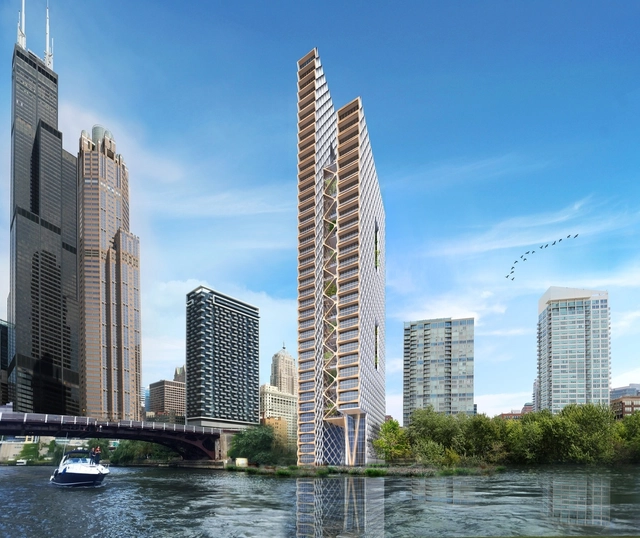
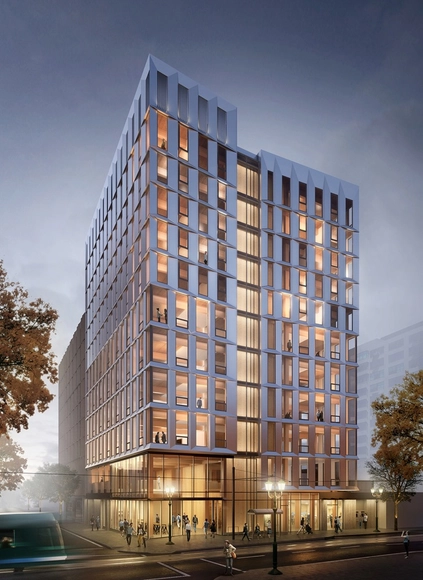
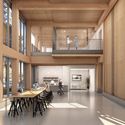
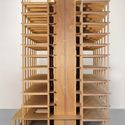
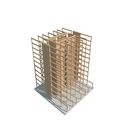
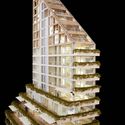
Penda, collaborating with wood consultants from CLT-brand Tmber, has unveiled the design of ‘Tree Tower Toronto,’ an 18-story timber-framed mixed-use residential skyscraper for Canada’s largest city. Drawing inspiration from the distinctly Canadian traditional modular construction, including Moshe Safdie’s iconic Habitat 67, the tower is envisioned as a new model of sustainable high-rise architecture that can establish a reconnect urban areas to nature and natural materials.
Although we’re conditioned to buy most of our furniture in one piece, or at least have it ready-to-build IKEA-style, there’s something special about creating something from scratch. Building something from its raw materials lets you see its journey from start to finish, with you learning about the craft it along the way, whether by yourself or with friends. The team at ArchDaily is sharing our very own built Tiki Bar – complete with instructions. Read on for some summer nostalgia you can build in your own backyard through a step by step Tiki DIY guide:
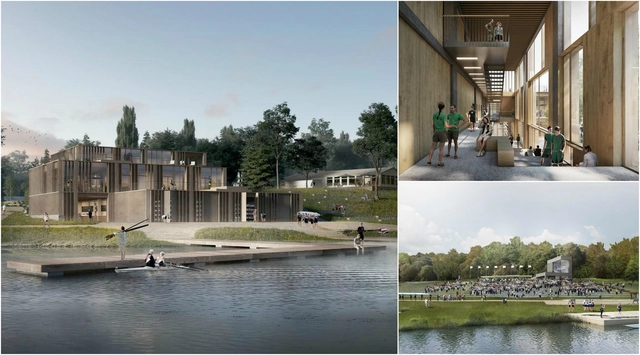
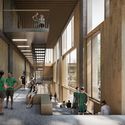
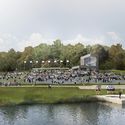
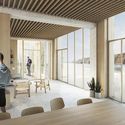
Denmark-based AART architects have been selected to design the country’s national rowing stadium, seeing off strong competition from prominent firms such as BIG and Kengo Kuma. Situated upon Bagsværd Lake on the outskirts of Copenhagen, the scheme seeks to allow the sporting elite and broader public to form a close interaction with picturesque natural surroundings.
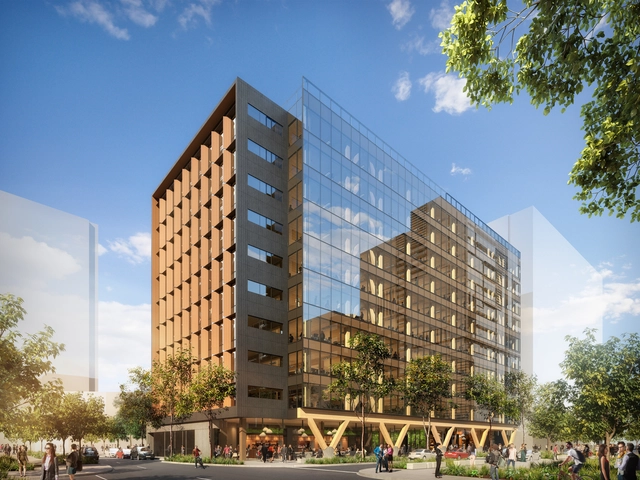
The United States’ first mass-timber highrise (defined by Emporis Building Standards as a building with an architectural height of 115-328 feet, or between 12 and 40 floors) has been granted planning permission, allowing construction on the landmark project to begin. Located in downtown Portland, Oregon, the building known as Framework will cap out at 12 floors and approximately 128 feet, ushering in a new era of tall building construction in the US.
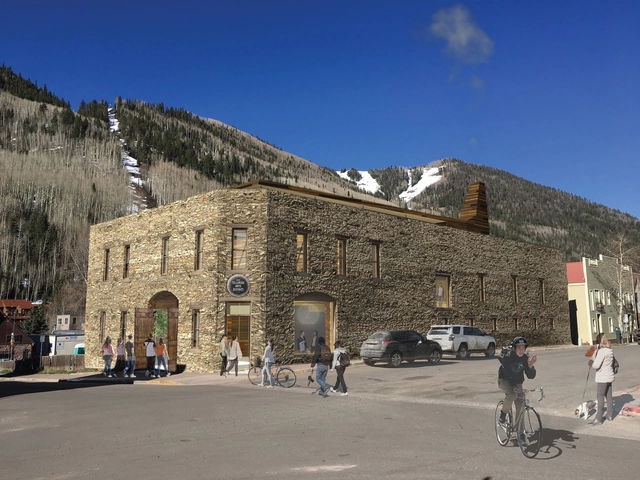
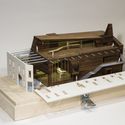
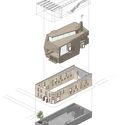
LTL Architects (Lewis.Tsurumaki.Lewis) has been selected as the winner of the Telluride Transfer Warehouse competition, beating out finalist entries from NADAAA and Gluckman Tang. The competition sought schemes for the adaptive reuse and transformation of the National Historic Landmark-listed warehouse in Telluride, Colorado into “an architectural and cultural landmark that provides contemporary, public art space that deepens and expands the cultural life of Telluride.”
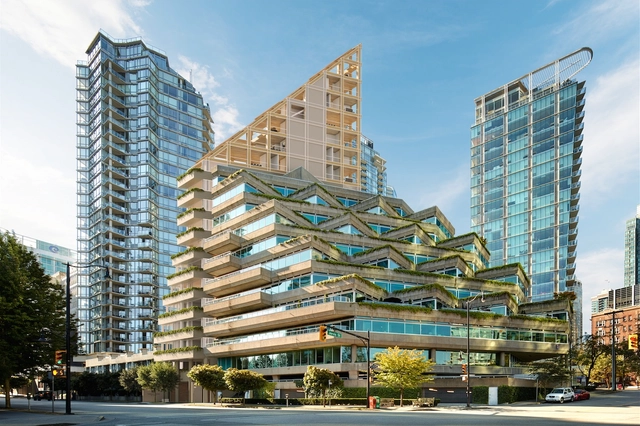
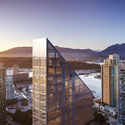
Terrace House (behind) with the Evergreen Building in the foreground. Image Courtesy of PortLiving
The design of the world’s tallest hybrid timber building, by Shigeru Ban Architects, has been revealed by Vancouver-based developer PortLiving. Named “Terrace House,” the project will be located in Vancouver’s Coal Harbour neighborhood, adjacent to the landmark-listed Evergreen Building, designed by late architect Arthur Erickson. The design of the “Terrace House” pays tribute to its neighbor, picking up the architectural language of triangular shapes, natural materials, and an abundance of greenery.
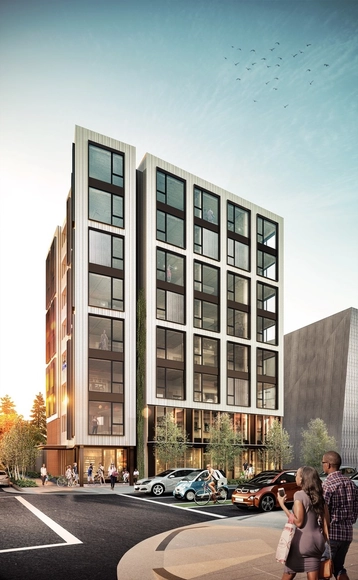
Continuing the ever-increasing growth of timber construction architecture in North America and around the world, Carbon12’s recent topping out has resulted in its newly achieved status as the tallest mass timber building in the United States. Situated in Portland and designed by PATH Architecture, the 8-storey condominium is an example of the cost-effectiveness and labor sensitivity of engineered wood products while helping regenerate Oregon’s local timber industry.
With a growing population and rapid development, much of recent focus has been on Portland’s city center, in an effort to preserve the existing natural landscape that surrounds the urban areas. Built of prefabricated cross-laminated timber panels and glu-lam beams around a steel core, Carbon12’s hybrid construction aids the city’s densification, given its off-site construction and quick assembly that help both reduce costs and respond to residential needs.
https://www.archdaily.com/872219/path-architectures-catalytic-condominium-in-portland-is-the-tallest-timber-building-in-the-usOsman Bari
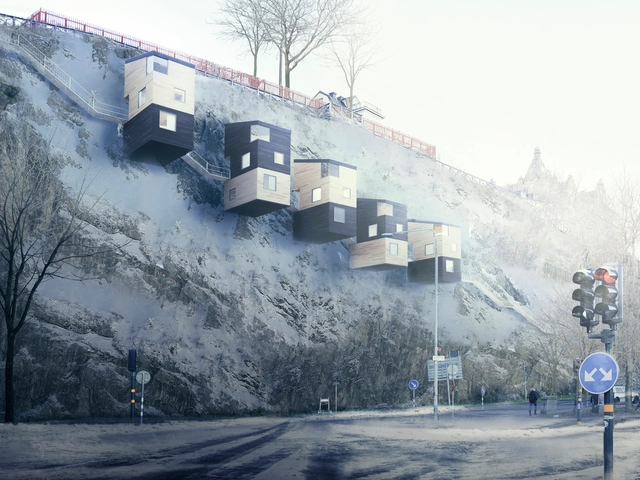
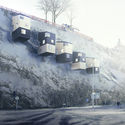
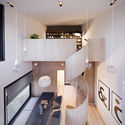
Nestinbox takes inspiration from birdhouses to provide an innovative solution to tackle housing crises. Image Courtesy of Manofactory
In major cities around the world, buildable land is at a premium. At the same time, a continued trend of urban migration has led to a shortage of houses, inspiring a wealth of innovative solutions from architects and designers. Swedish firm Manofactory have literally taken housing solutions to a new level, questioning why we need to build at ground level at all.
Many animals, including birds, build their nests in trees, under roof tiles or in rock crevices above the ground. Humans already build simple nesting boxes for birds to live in, causing Manofactory to question why we can’t build nesting boxes for ourselves – a simple house with several rooms, windows, and climate protection. Pointing to the numerous cliff walls in cities across northern Scandinavia and elsewhere, Manofactory have designed the Nestinbox – a small wooden house with a steel structure to be mounted on sheer cliff faces.
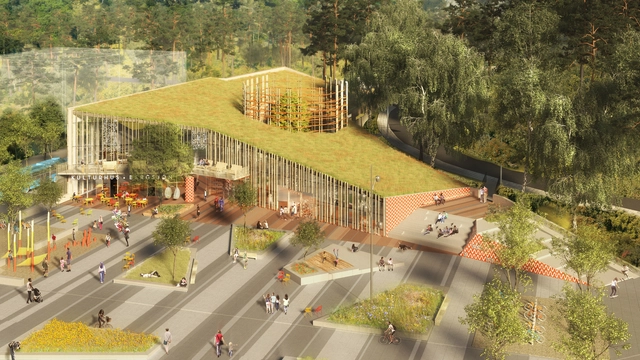
The Kulturkorgen emerges as an outcrop from the hills of Gothenburg. Image Courtesy of Sweco
Growing like an outcrop amongst the hills of Gothenburg, the Kulturkorgen by Swedish firm Sweco Architects offers the public an opportunity to watch, engage, and perform. The scheme is a result of an architectural competition for a new Culture House in the city, run in collaboration with Architects Sweden. The winning proposal, who’s name translates to ‘Basket of Culture’, acts as both a building and a square – a social arena where flexible interior spaces act in tandem with a generous public green landscape for recreation and gathering.
Perspective view. Image Courtesy of Heikkinen & Kangasaho
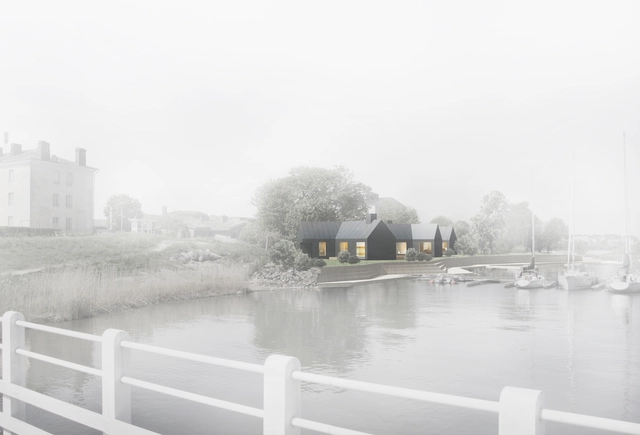
When placed in a historic landscape, contemporary architecture requires a layered approach. It must often strike a respectful, vernacular tone, whilst embracing the innovative, functional hallmarks of a modern building. This balance has particular relevance at Suomenlinna Sea Fortress, located off the coast of Helsinki, Finland. Throughout its 300-year history, it was once occupied by the armies of Sweden, Russia and Finland – a rich history attracting UNESCO World Heritage status, and almost one million annual visitors. The site is more than a museum, however, but a living district of Helsinki with 800 inhabitants and 500 jobs.
Against the prerequisites of past and present, Heikkinen & Kangasaho Architects have combined sharp, functional modernity with respectful, restrained simplicity in a new housing scheme to sit amongst Suomenlinna’s historic fortifications.
Merging expert knowledge of timber construction with cutting-edge robotic fabrication technologies we will explore the creative potential of prototyping complex and large-scale timber structures with digital tools resulting in the construction of a roof structure for the temporary foundry building for the Hooke Park Campus.
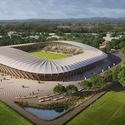
Planned as a center for local sports and sports science, the ECO park will provide state-of-the-art office space for environmentally-focused companies as well as public access to a wide range of health and leisure activities.
A new piece of bipartisan legislation has been tabled by The United States Senate and House of Representatives named the Timber Innovation Act. The bills were put forward to further the development of tall timber buildings in the US, thereby supporting the nation’s considerable timber market and the rural manufacturing jobs it entails.
“The United States has an opportunity to bring new, sustainable mass timber technology to our construction industry, and the Timber Innovation Actdirects technical assistance and research components already in place,” said Robert Glowinski, President and CEO of the American Wood Council (AWC).
https://www.archdaily.com/866841/new-timber-innovation-act-advocates-for-nationwide-timber-construction-in-the-united-statesOsman Bari
Australia-based Bates Smart has released the plans for 5 King, a high-performance commercial space and the tallest engineered timber building in Australia. At 52 meters tall, the building will additionally feature the largest gross floor area (GFA) for an engineered timber office building worldwide.
Based on the concepts of connecting with nature and preserving the environment, 5 King will utilize a combination of cross-laminated timber (CLT) and glue-laminated timber (Glulam) to achieve “the structural strength of concrete and steel with a low carbon footprint.”
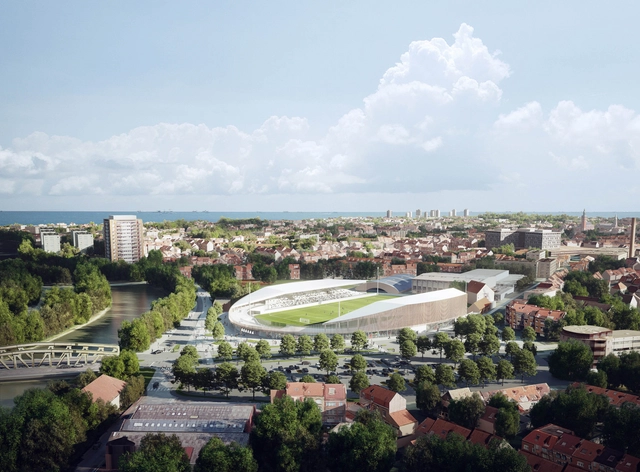
The stadium is located in the heart of Dunkirk. Image Courtesy of Viktor Fretyán
The SOCKEEL + OLGGA consortium have won a competition to design the new Tribut Stadium in Dunkirk, France. The historic stadium, in a prominent location on a canal bank in central Dunkirk, will be transformed into a 5,000 seat stadium seeking to maximize inclusiveness and accessibility.



.jpg?1501783920&format=webp&width=640&height=580)
.jpg?1501783945 "Courtesy of Penda")
.jpg?1501783890 "Courtesy of Penda")
.jpg?1501783772 "Courtesy of Penda")

.jpg?1501783920)








.jpg?1494766952 "The facade is clad in horizontal timber to reduce perceived building height. Image Courtesy of Manofactory")