1. ArchDaily
  2. The High Line

The High Line: The Latest Architecture and News

The High Line Effect: Transforming Abandoned Infrastructure in the United States

Subscriber Access | 

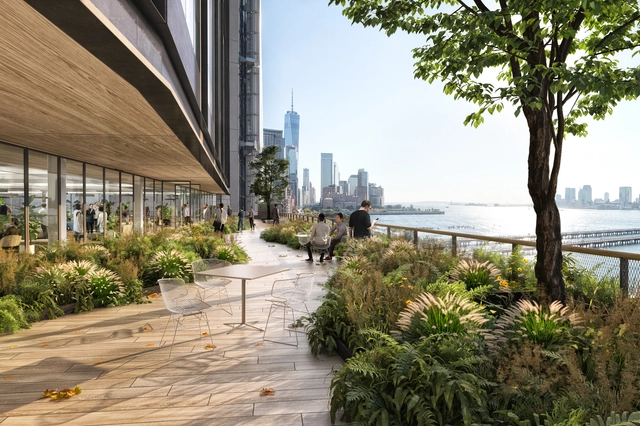
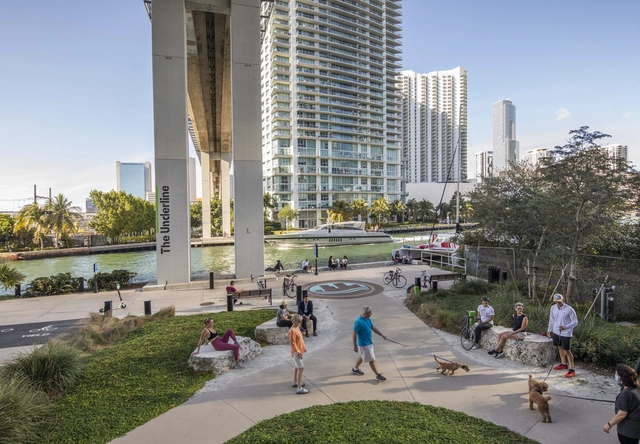
In the early 2000s, an abandoned rail line in Manhattan sat decaying - a memory from a time when freight trains traveled straight through the city. To most citizens, it was a site destined for demolition. However, a few visionary residents saw an opportunity in this neglected space and advocated to transform it into a public green space for the community. The success of the project seemed to spark a "High Line Effect", inspiring other American cities to pursue civic infrastructure on outdated railways, roadways, and industrial sites.


The High Line Effect: Transforming Abandoned Infrastructure in the United States - Image 6 of 4The High Line Effect: Transforming Abandoned Infrastructure in the United States - Image 10 of 4The High Line Effect: Transforming Abandoned Infrastructure in the United States - Image 2 of 4The High Line Effect: Transforming Abandoned Infrastructure in the United States - Image 9 of 4The High Line Effect: Transforming Abandoned Infrastructure in the United States - More Images+ 6

New High Line Bridge: A Safe, Ecological Connection

In midtown Manhattan, the street crossings surrounding the entrance to the Lincoln Tunnel were once some of the most challenging in the city. A mess of highway ramps, missing sidewalks, and concrete barriers made the corner of Dyer Avenue and 30th Street an area to avoid.

Now with a new $50 million elevated connector, pedestrians can safely move 30 feet above the intersections using a 600-foot-long L-shaped bridge from the High Line to Moynihan Train Hall.

New High Line Bridge: A Safe, Ecological Connection - Image 1 of 4New High Line Bridge: A Safe, Ecological Connection - Image 2 of 4New High Line Bridge: A Safe, Ecological Connection - Featured ImageNew High Line Bridge: A Safe, Ecological Connection - Image 3 of 4New High Line Bridge: A Safe, Ecological Connection - More Images+ 2

New York City Architecture Guide: Discover 10 Must-See Landmarks and 20 Contemporary Attractions

Subscriber Access | 

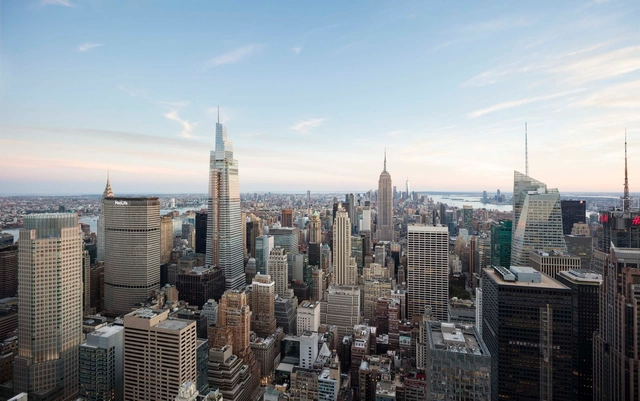
As the largest city in the United States, New York City is one of the most diverse and vibrant cities in the world, recognized by many as the center for global media, culture, fashion art, and finance. The city was founded in 1624 by settlers from the Dutch Republic and has since grown into “the city that never sleeps”.

While almost every style of architecture exists in New York City, the metropolis is most well known for its skyscrapers, both in historical styles such as Neoclassical and Art Deco and in their varied contemporary expressions. The first building to bring the world's tallest title to New York was the New York World Building, in 1890. Later, New York City was home to the world's tallest building for 75 continuous years, starting with the Park Row Building in 1899.

New York City Architecture Guide: Discover 10 Must-See Landmarks and 20 Contemporary Attractions - Image 1 of 4New York City Architecture Guide: Discover 10 Must-See Landmarks and 20 Contemporary Attractions - Image 2 of 4New York City Architecture Guide: Discover 10 Must-See Landmarks and 20 Contemporary Attractions - Image 3 of 4New York City Architecture Guide: Discover 10 Must-See Landmarks and 20 Contemporary Attractions - Image 4 of 4New York City Architecture Guide: Discover 10 Must-See Landmarks and 20 Contemporary Attractions - More Images+ 26

Cecilia Alemani Selected to Curate the 59th Art Venice Biennale

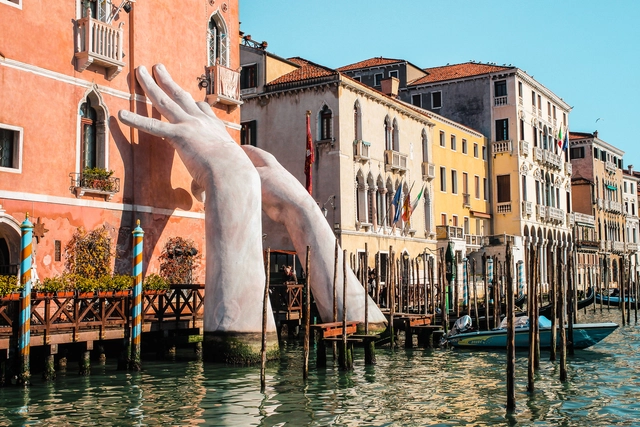
For its 2021 edition, the Venice Biennale appointed the chief curator of the High Line’s art program in New York, Cecilia Alemani as artistic director. Alemani will become the first Italian woman to organize the festival, running in Italy starting May of next year.

Neil Denari on The High Line, Urban Design and Experimental Music

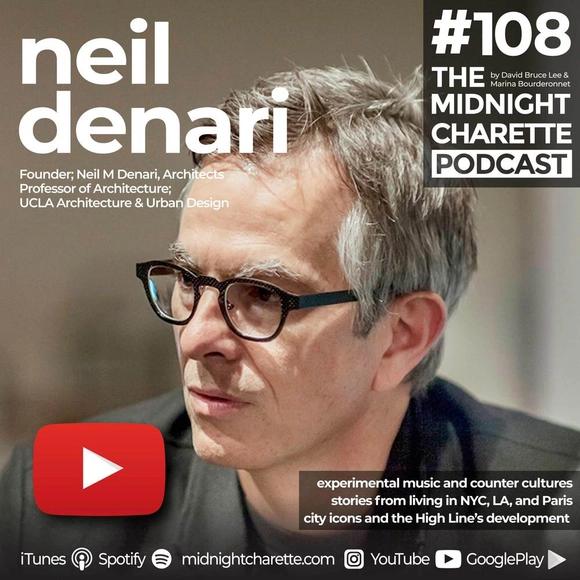
The Midnight Charette is an explicit podcast about design, architecture, and the everyday. Hosted by architectural designers David Lee and Marina Bourderonnet, it features a variety of creative professionals in unscripted and long-format conversations that allow for thoughtful takes and more personal discussions. Honesty and humor are used to cover a wide array of subjects: some episodes provide useful tips for designers, while others are project reviews, interviews, or simply explorations of everyday life and design. The Midnight Charette is available for free on iTunes, YouTube, Spotify, and all other podcast directories.