1. ArchDaily
  2. Territory and Landscape

Territory and Landscape: The Latest Architecture and News

Mapping the Technosphere: Architecture as an Interface Between Systems and Territories

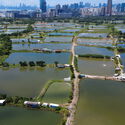
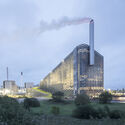
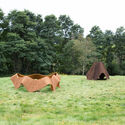
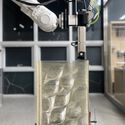
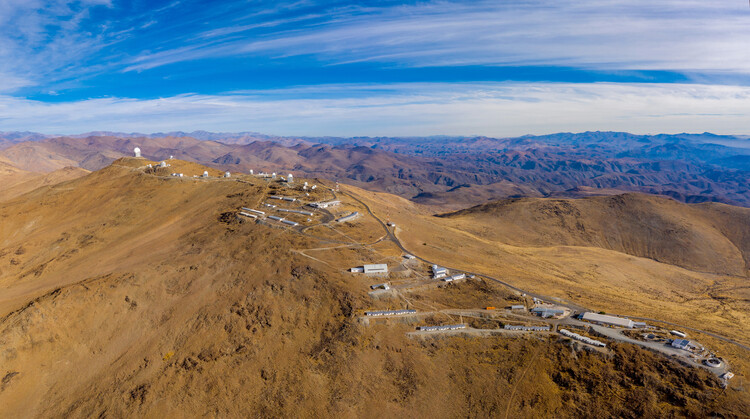
Architecture can no longer be conceived as an isolated object, detached from the technical networks that sustain contemporary life — a condition that calls for new readings and approaches. It is within this context that, in March, ArchDaily’s monthly theme focused on The Technosphere, a topic both broad and inherently complex. Drawing on the concept of the technosphere, coined by geoscientist Peter Haff to describe the totality of human-made artifacts, a landscape emerges in which contemporary life is deeply intertwined with machines, data, and energy networks.

Mapping the Technosphere: Architecture as an Interface Between Systems and Territories - Image 1 of 4Mapping the Technosphere: Architecture as an Interface Between Systems and Territories - Image 2 of 4Mapping the Technosphere: Architecture as an Interface Between Systems and Territories - Image 3 of 4Mapping the Technosphere: Architecture as an Interface Between Systems and Territories - Image 4 of 4Mapping the Technosphere: Architecture as an Interface Between Systems and Territories - More Images+ 11

The Latvian Pavilion at the 2025 Venice Architecture Biennale Invites Critical Dialogue on the Spatial Impact of Conflict

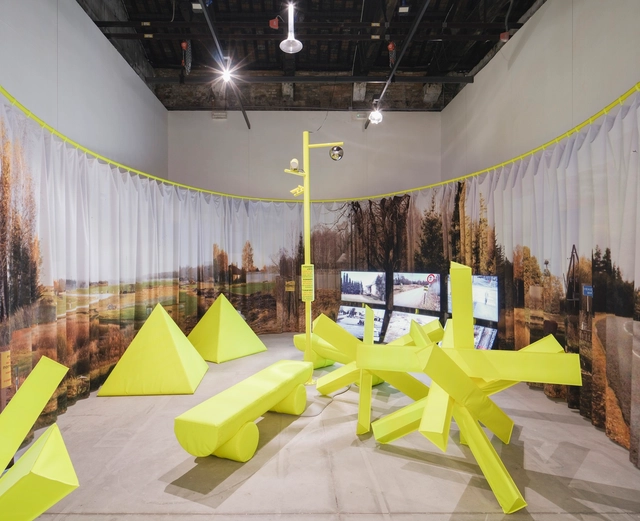
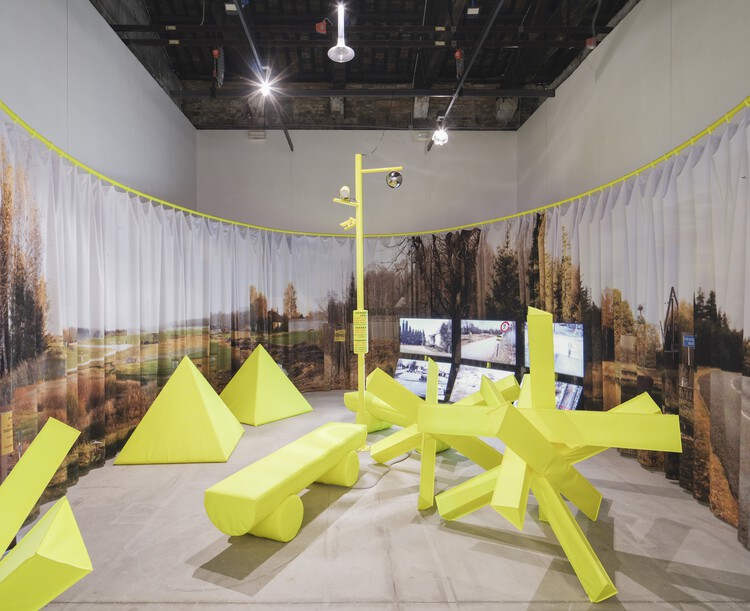
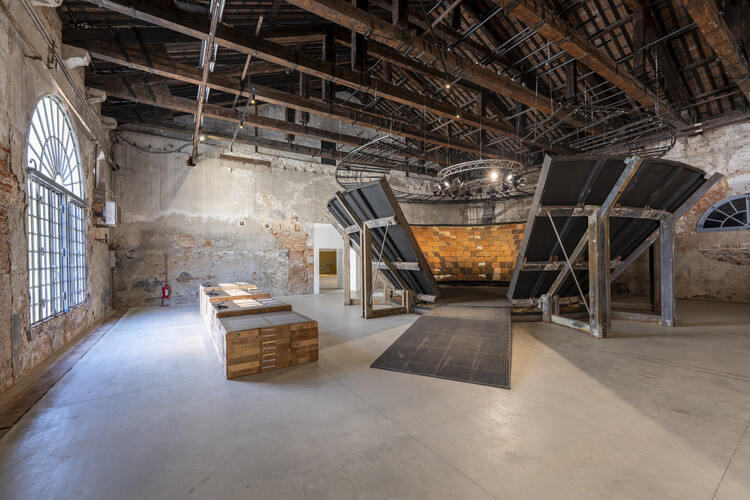
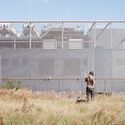
The Latvian Pavilion at the 19th International Architecture Exhibition – La Biennale di Venezia, commissioned by Jānis Dripe and curated by Liene Jākobsone and Ilka Ruby, explores the impact of military defense on the country's border landscape. The exhibition was designed by SAMPLING and Nomad Architects to highlight how geopolitical tensions shape both territory and daily life. In times of escalating international warfare, the curatorial team poses the question of what it means to live on NATO's external border in times of geopolitical conflict.

The Latvian Pavilion at the 2025 Venice Architecture Biennale Invites Critical Dialogue on the Spatial Impact of Conflict - Image 1 of 4The Latvian Pavilion at the 2025 Venice Architecture Biennale Invites Critical Dialogue on the Spatial Impact of Conflict - Image 2 of 4The Latvian Pavilion at the 2025 Venice Architecture Biennale Invites Critical Dialogue on the Spatial Impact of Conflict - Image 3 of 4The Latvian Pavilion at the 2025 Venice Architecture Biennale Invites Critical Dialogue on the Spatial Impact of Conflict - Image 4 of 4The Latvian Pavilion at the 2025 Venice Architecture Biennale Invites Critical Dialogue on the Spatial Impact of Conflict - More Images+ 14

Designing in Harmony with Nature: Architecture in Urban Wetlands and the Pursuit of Territorial Well-Being

Subscriber Access | 

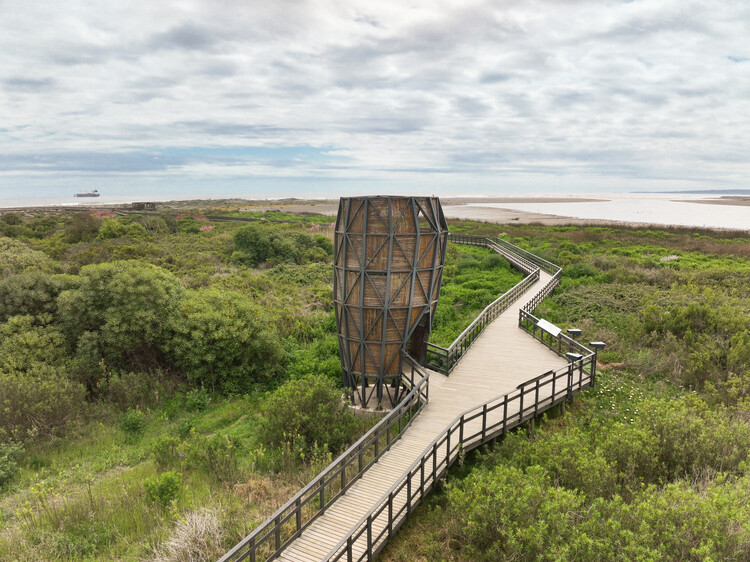
What does it mean to design while considering the rhythms and cycles of nature? What social relationships and connections with the natural environment can cities foster today and in the future? In the face of a triple environmental crisis driven by climate change, biodiversity loss, and pollution, along with zoonotic pandemics, increasing mental and emotional health issues, and digital hyperconnectivity, Fundación Cosmos proposes to explore learnings, experiences, and tools aimed at connecting people with their territories. Through nature-based urban planning, the intervention in urban wetlands presents an opportunity to enhance, learn from, and conserve natural and cultural heritage in pursuit of a sustainable and resilient future.

Designing in Harmony with Nature: Architecture in Urban Wetlands and the Pursuit of Territorial Well-Being - Image 1 of 4Designing in Harmony with Nature: Architecture in Urban Wetlands and the Pursuit of Territorial Well-Being - Image 2 of 4Designing in Harmony with Nature: Architecture in Urban Wetlands and the Pursuit of Territorial Well-Being - Image 3 of 4Designing in Harmony with Nature: Architecture in Urban Wetlands and the Pursuit of Territorial Well-Being - Image 4 of 4Designing in Harmony with Nature: Architecture in Urban Wetlands and the Pursuit of Territorial Well-Being - More Images+ 37

The Philippine Pavilion at the 2025 Venice Biennale Reimagines the Relationship Between Architecture and Soil

The Philippines' Pavilion at the 19th International Architecture Exhibition – La Biennale di Venezia presents Soil-beings (Lamánlupa), an exhibition curated by artistic director Renan Laru-an. Through interdisciplinary collaborations, the Pavilion brings together architects, technical experts, indigenous leaders, artists, policymakers, and local communities to explore the cultural, ecological, and technological dimensions of soil. Its objective is to challenge conventional architectural paradigms by shifting the focus from structure to soil, not as a passive material, but as a living force with agency, history, and power.

The Philippine Pavilion at the 2025 Venice Biennale Reimagines the Relationship Between Architecture and Soil - Image 1 of 4The Philippine Pavilion at the 2025 Venice Biennale Reimagines the Relationship Between Architecture and Soil - Image 2 of 4The Philippine Pavilion at the 2025 Venice Biennale Reimagines the Relationship Between Architecture and Soil - Image 3 of 4The Philippine Pavilion at the 2025 Venice Biennale Reimagines the Relationship Between Architecture and Soil - Image 4 of 4The Philippine Pavilion at the 2025 Venice Biennale Reimagines the Relationship Between Architecture and Soil - More Images+ 28

Reflecting on Territory, Topography, and Landscape: Discover WHALE!’s Projects in Chile

Subscriber Access | 

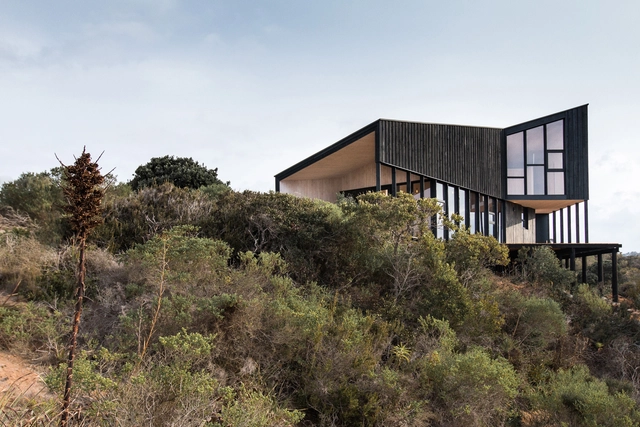
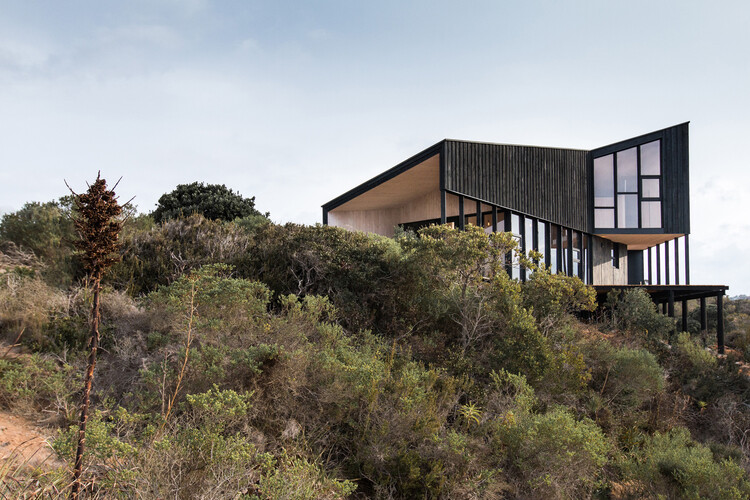
What logics and dynamics are involved in conceiving an architecture in dialogue with the territory and the landscape? How does topography determine the design and development process of architectural projects? Founded in Santiago, Chile, around 2012, the architecture firm WHALE! works with the concepts of territory and landscape as key axes of study and reflection in the pursuit of understanding how architecture is not only capable of designing spaces, but also of shaping the way human beings live, feel, and relate to the world.

Reflecting on Territory, Topography, and Landscape: Discover WHALE!’s Projects in Chile - Image 1 of 4Reflecting on Territory, Topography, and Landscape: Discover WHALE!’s Projects in Chile - Image 2 of 4Reflecting on Territory, Topography, and Landscape: Discover WHALE!’s Projects in Chile - Image 3 of 4Reflecting on Territory, Topography, and Landscape: Discover WHALE!’s Projects in Chile - Image 4 of 4Reflecting on Territory, Topography, and Landscape: Discover WHALE!’s Projects in Chile - More Images+ 56

CCA Releases Documentary on Carla Juaçaba’s Work to Support Forest Conservation in Brazil's Coffee Region

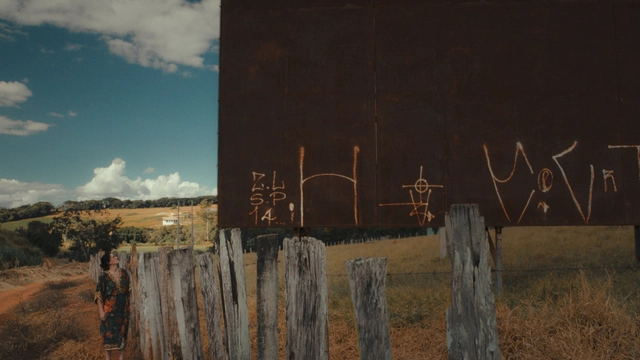
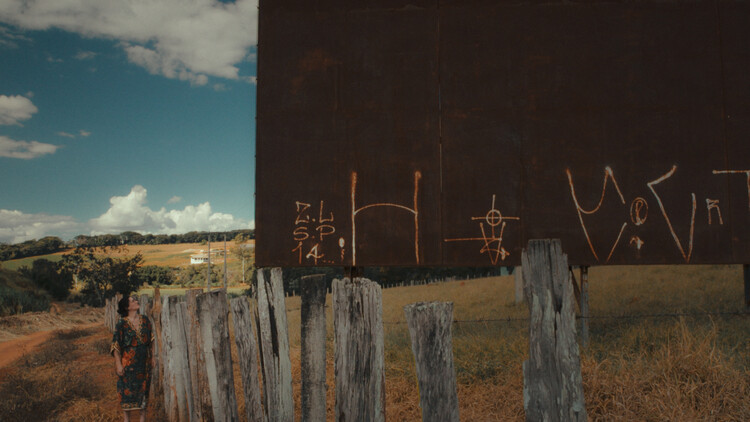
The Canadian Centre for Architecture (CCA) launched a documentary and exhibition, "With an Acre", the third and final chapter of the series Groundwork, which explores how contemporary architects cultivate alternative modes of practice to address the ecological crisis. The documentary follows the work of architect Carla Juaçaba in Minas Gerais, Brazil, where she is developing pavilions in a coffee field where collectives resist extractive industrial agriculture. The narrative examines the role of architects in extractivist contexts facing land regeneration challenges and unstable climatic conditions, as well as the tools smallholder farmers can use to cope with the environmental and social consequences of colonial settlement, urbanization, and industrialization.

CCA Releases Documentary on Carla Juaçaba’s Work to Support Forest Conservation in Brazil's Coffee Region - Image 6 of 4CCA Releases Documentary on Carla Juaçaba’s Work to Support Forest Conservation in Brazil's Coffee Region - Image 5 of 4CCA Releases Documentary on Carla Juaçaba’s Work to Support Forest Conservation in Brazil's Coffee Region - Image 1 of 4CCA Releases Documentary on Carla Juaçaba’s Work to Support Forest Conservation in Brazil's Coffee Region - Image 2 of 4CCA Releases Documentary on Carla Juaçaba’s Work to Support Forest Conservation in Brazil's Coffee Region - More Images+ 9

Latin America at the 2025 Venice Biennale: Exploring Territory, Memory, and Ancestral Knowledge to Build the Present

The 19th edition of the Venice Architecture Biennale officially opened to the public on May 10, becoming a significant international platform for exploring the current state of global architecture and sparking conversations about the challenges the discipline faces today—both shared and specific to each territory. This year’s theme, "Intelligens. Natural. Artificial. Collective," proposed by general curator and Italian architect Carlo Ratti, invites reflection on architecture’s interconnection with other fields—such as art, artificial intelligence, and technology—while also emphasizing the importance of territories, landscapes, and, above all, the people who collectively shape our built environment.

Latin America at the 2025 Venice Biennale: Exploring Territory, Memory, and Ancestral Knowledge to Build the Present - Image 1 of 4Latin America at the 2025 Venice Biennale: Exploring Territory, Memory, and Ancestral Knowledge to Build the Present - Image 2 of 4Latin America at the 2025 Venice Biennale: Exploring Territory, Memory, and Ancestral Knowledge to Build the Present - Image 3 of 4Latin America at the 2025 Venice Biennale: Exploring Territory, Memory, and Ancestral Knowledge to Build the Present - Image 4 of 4Latin America at the 2025 Venice Biennale: Exploring Territory, Memory, and Ancestral Knowledge to Build the Present - More Images+ 17

Forest Futures: Rethinking Architecture of Forest Ecosystems and Ecological Balance

Forests are among the most complex yet vital ecosystems on Earth. They regulate climate, support biodiversity, and sustain human communities. With the growing realities of climate change and environmental degradation, architects, planners, and engineers now face a new imperative: designing within forests in ways that sustain the ecosystems on which they depend.

Forest Futures: Rethinking Architecture of Forest Ecosystems and Ecological Balance - Image 1 of 4Forest Futures: Rethinking Architecture of Forest Ecosystems and Ecological Balance - Image 2 of 4Forest Futures: Rethinking Architecture of Forest Ecosystems and Ecological Balance - Image 3 of 4Forest Futures: Rethinking Architecture of Forest Ecosystems and Ecological Balance - Image 4 of 4Forest Futures: Rethinking Architecture of Forest Ecosystems and Ecological Balance - More Images+ 7

The Luxembourg Contribution at the Venice Architecture Biennale 2025 Investigates Territories Through the Medium of Sound

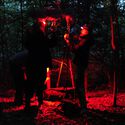
The Luxembourg pavilion at the 19th Venice Architecture Biennale will offer visitors an experience focused entirely on sound. Sonic Investigations, curated by architects Valentin Bansac, Mike Fritsch, and Alice Loumeau, is an immersive invitation to shift focus from the visual to the sonic. The sound installation, located in the Arsenale's Sale d'Armi, is based on a practical and theoretical investigation that re-examines the country's territory through field recordings capturing a range of sounds from biological, geological, and anthropogenic sources woven into the landscape. The installation creates an embodied experience of space, emphasizing the value of sensorial approaches in spatial practices and exploring the question: How can we reveal the entangled character of specific contemporary situations in Luxembourg?

The Luxembourg Contribution at the Venice Architecture Biennale 2025 Investigates Territories Through the Medium of Sound  - Featured ImageThe Luxembourg Contribution at the Venice Architecture Biennale 2025 Investigates Territories Through the Medium of Sound  - Image 1 of 4The Luxembourg Contribution at the Venice Architecture Biennale 2025 Investigates Territories Through the Medium of Sound  - Image 2 of 4The Luxembourg Contribution at the Venice Architecture Biennale 2025 Investigates Territories Through the Medium of Sound  - Image 3 of 4The Luxembourg Contribution at the Venice Architecture Biennale 2025 Investigates Territories Through the Medium of Sound  - More Images

David Martínez Ramos of Práctica Arquitectura: Exploring a Timeless Architecture with Memory and Sensitivity

Subscriber Access | 

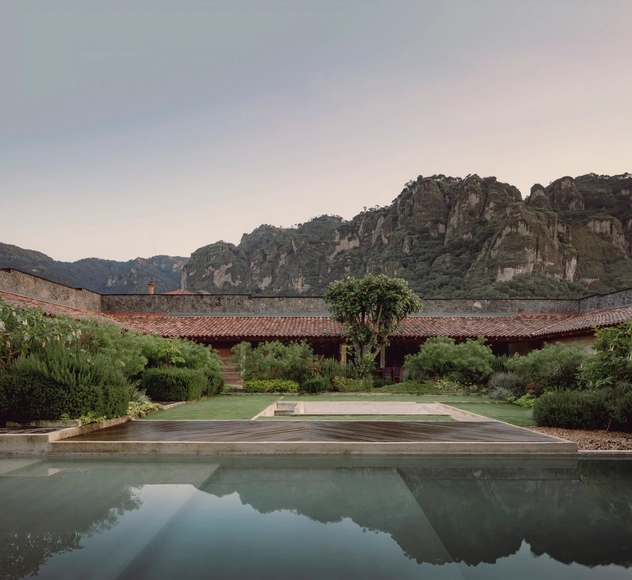
Recently selected to participate in the upcoming 2025 edition of the Latin American Architecture Biennial in Pamplona, Práctica Arquitectura has established itself as a young and promising firm in the region, specifically in Mexico. Their architectural work focuses on materializing projects that achieve a high level of sensitivity, both for those who inhabit them and for their immediate surroundings, whatever they may be. In close connection with landscapes and terrains, their projects come to life through a design that carefully considers materials, structures, and details, while ensuring a sensory and emotional experience in the spaces they create.

David Martínez Ramos of Práctica Arquitectura: Exploring a Timeless Architecture with Memory and Sensitivity - Image 1 of 4David Martínez Ramos of Práctica Arquitectura: Exploring a Timeless Architecture with Memory and Sensitivity - Image 2 of 4David Martínez Ramos of Práctica Arquitectura: Exploring a Timeless Architecture with Memory and Sensitivity - Image 3 of 4David Martínez Ramos of Práctica Arquitectura: Exploring a Timeless Architecture with Memory and Sensitivity - Image 4 of 4David Martínez Ramos of Práctica Arquitectura: Exploring a Timeless Architecture with Memory and Sensitivity - More Images+ 8

Insights on the Architecture of Public Space as a Driver of Transformation: A Journey Through 10 Projects in Spain

Subscriber Access | 

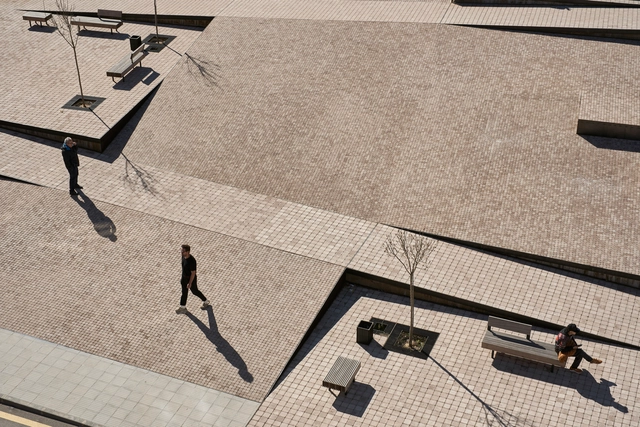
Spain boasts a vast diversity of natural and urban landscapes, where public space plays a leading role. Its relevance has grown in recent years, solidifying it as a key axis for interaction. Beyond its architectural and landscape qualities, public space offers visitors and citizens high-quality environments that contribute to improving living conditions, whether, in an urban park, a pedestrian axis within the city, or a space simply meant for being in a natural setting and connecting with the territory.

Insights on the Architecture of Public Space as a Driver of Transformation: A Journey Through 10 Projects in Spain - Image 1 of 4Insights on the Architecture of Public Space as a Driver of Transformation: A Journey Through 10 Projects in Spain - Image 2 of 4Insights on the Architecture of Public Space as a Driver of Transformation: A Journey Through 10 Projects in Spain - Image 3 of 4Insights on the Architecture of Public Space as a Driver of Transformation: A Journey Through 10 Projects in Spain - Image 5 of 4Insights on the Architecture of Public Space as a Driver of Transformation: A Journey Through 10 Projects in Spain - More Images+ 12

"The Site is the Architect, the Site is Materiality": On Ammar Khammash and Notes on Formation

Subscriber Access | 

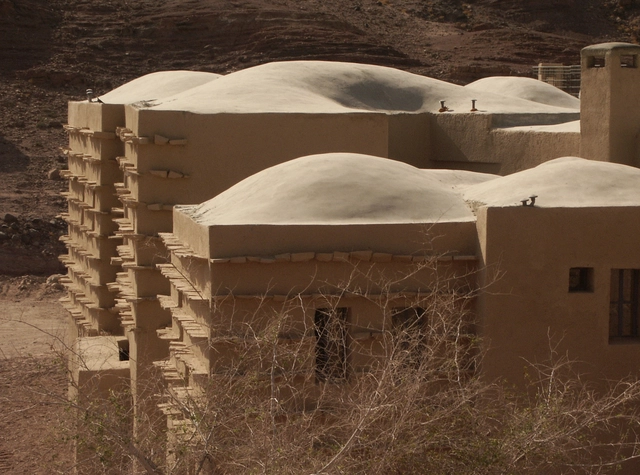
Ammar Khammash is a Jordanian architect, designer, and artist best known for his approach that focuses on the preservation of cultural and natural heritage while crafting an architecture that engages with its surroundings. With deep admiration for nature and its ecosystems, Khammash trusts that "the site is the architect”, a statement for which he is renowned that underscores the profound influence of context on his architectural design. With over three decades of experience spanning various disciplines and across several Middle Eastern countries such as Jordan, Oman, Palestine, Egypt, Syria, and the UAE, Ammar Khammash has consistently attempted to preserve and enhance the symbiosis between human constructions and the natural environment. His contributions include the Royal Academy for Nature Conservation, the Wild Jordan Center, and the restoration of the Church of Apostles.

In 2022, he was featured in the first edition of the Dongola Architecture Series, a biannual publication that offers unique perspectives into Arab culture by highlighting prominent contemporary architects. The issue, titled “Notes on Formation: Ammar Khammash,” written by Raafat Majzoub, explores "architecture as a transdisciplinary tool of expression, and as a method of imagining and reimagining the future," encapsulating the ethos of the publication. ArchDaily had the opportunity to talk to Ammar Khammash and Sarah Chalabi, founder of Dongola Limited Editions, to delve into the architect’s perspectives on site, materiality, and culture, along with his philosophy, notions on academia, and insights into the future of the profession.

"The Site is the Architect, the Site is Materiality":  On Ammar Khammash and Notes on Formation - Image 1 of 4"The Site is the Architect, the Site is Materiality":  On Ammar Khammash and Notes on Formation - Image 2 of 4"The Site is the Architect, the Site is Materiality":  On Ammar Khammash and Notes on Formation - Image 3 of 4"The Site is the Architect, the Site is Materiality":  On Ammar Khammash and Notes on Formation - Image 4 of 4The Site is the Architect, the Site is Materiality:  On Ammar Khammash and Notes on Formation - More Images+ 26

"Down to Earth": The Luxembourg Pavilion at the 2023 Venice Biennale Explores Lunar Laboratories and the New Space Race

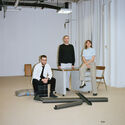
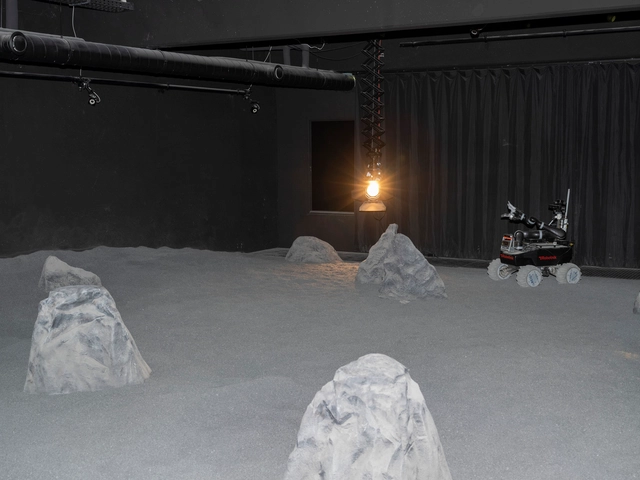
Francelle Cane and Marija Marić have been selected to curate the Luxembourg Pavilion was unanimously selected by the jury to create at the 18th International Architecture Exhibition - La Biennale di Venezia with an exhibition project titled "Down to Earth." The project explores the "wild imaginaries of extraction-driven growth," such as the development of human settlements on the Moon or the asteroid mining of rare minerals and metals. As the starting point for the exhibition, the team questions the impact of this new space race that promises endlessly available resources beyond the limits of Earth. The commissioner of the pavilion, the Ministry of Culture Luxembourg, has appointed Kultur|lx—Arts Council Luxembourg to produce the exhibition in cooperation with LUCA—Luxembourg Center for Architecture. The Pavilion will be open from May 20th until November 26th, 2023.

"Down to Earth": The Luxembourg Pavilion at the 2023 Venice Biennale Explores Lunar Laboratories and the New Space Race - Image 4 of 4"Down to Earth": The Luxembourg Pavilion at the 2023 Venice Biennale Explores Lunar Laboratories and the New Space Race - Image 3 of 4"Down to Earth": The Luxembourg Pavilion at the 2023 Venice Biennale Explores Lunar Laboratories and the New Space Race - Image 1 of 4"Down to Earth": The Luxembourg Pavilion at the 2023 Venice Biennale Explores Lunar Laboratories and the New Space Race - Image 2 of 4Down to Earth: The Luxembourg Pavilion at the 2023 Venice Biennale Explores Lunar Laboratories and the New Space Race - More Images

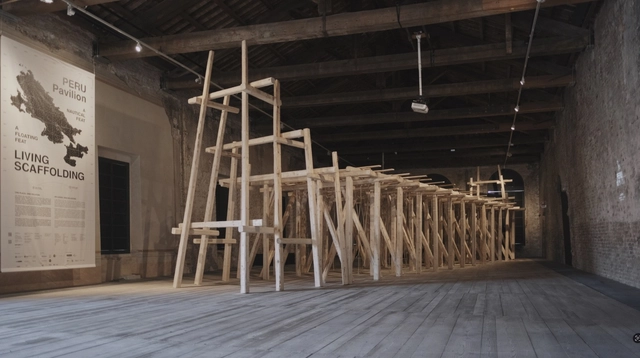
Living in the Amazon in the 21st Century: A Planning and Urban Design Guide for Cities in the Peruvian Lowland Rainforest

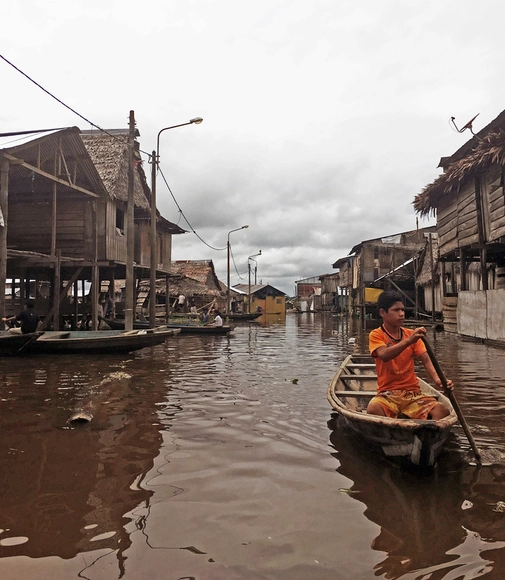
Addressing the universe of the world's largest tropical forest, the book 'Living in the Amazon in the 21st Century: A Guide to Urban Planning and Design for Cities in the Peruvian lowland rainforest', has been selected as a finalist in the category of publications at the 12th Ibero-American Biennial of Architecture and Urbanism. The issue, published in 2019 as part of the PUCP Architecture Publications, in the framework of the CASA (Self-Sustainable Amazonian Cities) project of the Climate Resilient Cities initiative of IDRC, FFLA and CDKN, focuses its research on the department of Loreto, presenting itself as "a guide for architecture and urban design, for settlements in the Amazon forest, including the social processes to be considered".

Living in the Amazon in the 21st Century: A Planning and Urban Design Guide for Cities in the Peruvian Lowland Rainforest - Image 1 of 4Living in the Amazon in the 21st Century: A Planning and Urban Design Guide for Cities in the Peruvian Lowland Rainforest - Image 2 of 4Living in the Amazon in the 21st Century: A Planning and Urban Design Guide for Cities in the Peruvian Lowland Rainforest - Image 3 of 4Living in the Amazon in the 21st Century: A Planning and Urban Design Guide for Cities in the Peruvian Lowland Rainforest - Image 4 of 4Living in the Amazon in the 21st Century: A Planning and Urban Design Guide for Cities in the Peruvian Lowland Rainforest - More Images+ 2

Rural Landscapes: How Food Production Shapes the Land

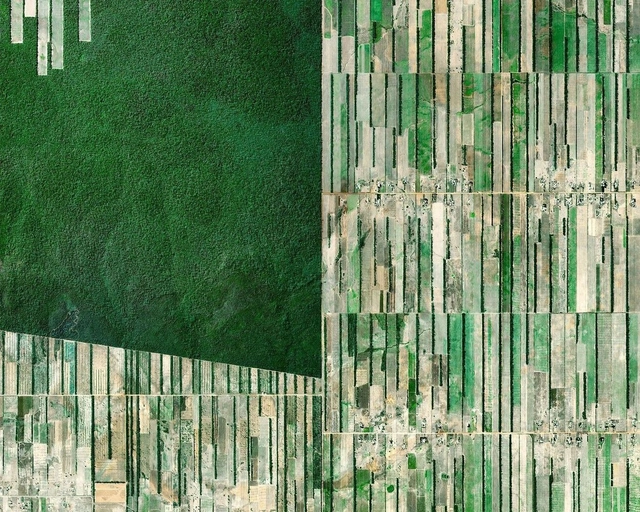
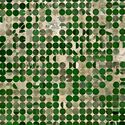
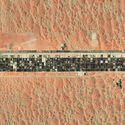
Food cultivation is one of the great historical milestones of our society's development. The knowledge of agriculture was fundamental for the evolution of a nomadic society into a sedentary civilization. Centuries later, agricultural production has become one of the main contributors to the organization of the land. This phenomenon can be seen in the aerial images we have selected below.

Rural Landscapes: How Food Production Shapes the Land - Image 1 of 4Rural Landscapes: How Food Production Shapes the Land - Image 2 of 4Rural Landscapes: How Food Production Shapes the Land - Image 3 of 4Rural Landscapes: How Food Production Shapes the Land - Image 4 of 4Rural Landscapes: How Food Production Shapes the Land - More Images+ 8

Architecture and Territory: Houses in the Five Regions of Brazil

Subscriber Access | 

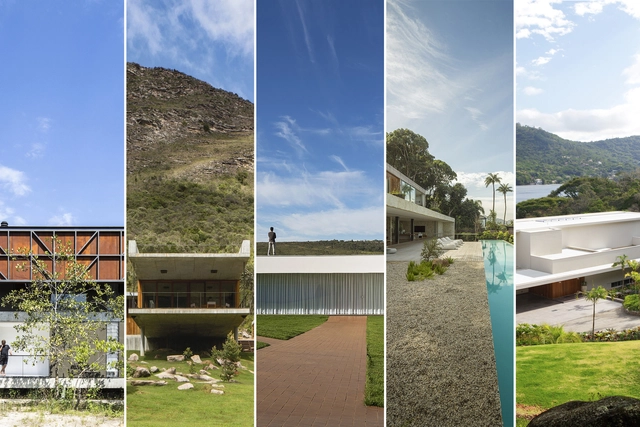
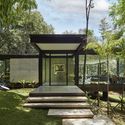
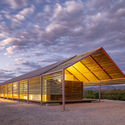
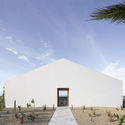
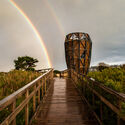
Italian architect Vittorio Gregotti, author of The Territory of Architecture (1966), believed that architecture had its origin when mankind placed the first stone on the ground. Recognizing a place is the first step towards an architectural project, whether intentionally or not. Understanding the project's location and its context is the basis for many design choices and is, therefore, a key aspect in the field of architecture.

Architecture and Territory: Houses in the Five Regions of Brazil - Image 2 of 4Architecture and Territory: Houses in the Five Regions of Brazil - Image 11 of 4Architecture and Territory: Houses in the Five Regions of Brazil - Image 17 of 4Architecture and Territory: Houses in the Five Regions of Brazil - Image 32 of 4Architecture and Territory: Houses in the Five Regions of Brazil - More Images+ 36

Winning Projects Reimagine the Tourist Experience of Machu Picchu

Historical preservation and integration with nature, two crucial themes in the development of the Peruvian structure whose territory is a synthesis of historical landscapes. The winning project of the “Ideas de Arquitectura” contest in Machu Picchu National Archaeological Park (Cusco) not only achieves both themes but also weaves and customizes them. The project mimics the architectural tradition of the place while bringing its own contemporary language. It creates bridges of new relations while respecting the preexisting ones, in continuation with the nature of the place, harmony between nature and history. And of course, it invites visitors to be part of this experience.


Learn more details about this project and its approach to what has been the development of landscape of its masterplan that was made for the Archaeological Park.

Winning Projects Reimagine the Tourist Experience of Machu Picchu - Image 8 of 4Winning Projects Reimagine the Tourist Experience of Machu Picchu - Image 12 of 4Winning Projects Reimagine the Tourist Experience of Machu Picchu - Image 18 of 4Winning Projects Reimagine the Tourist Experience of Machu Picchu - Image 21 of 4Winning Projects Reimagine the Tourist Experience of Machu Picchu - More Images+ 17