
-
Architects: Tsing-Tien Making
- Area: 65 m²
- Year: 2025
-
Professionals: WIN Design Consultant, Shanghai Zhonggeng Decoration Co., Ltd.


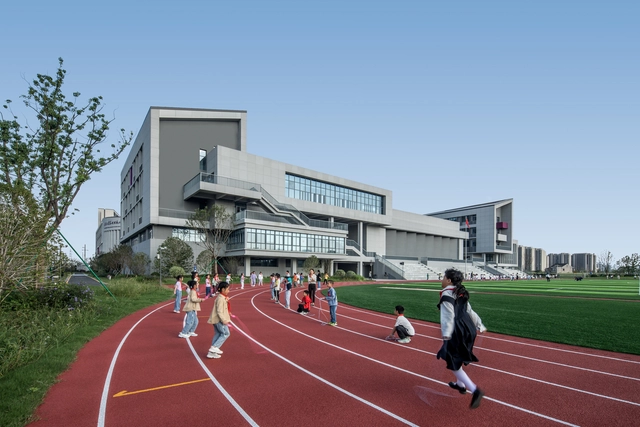
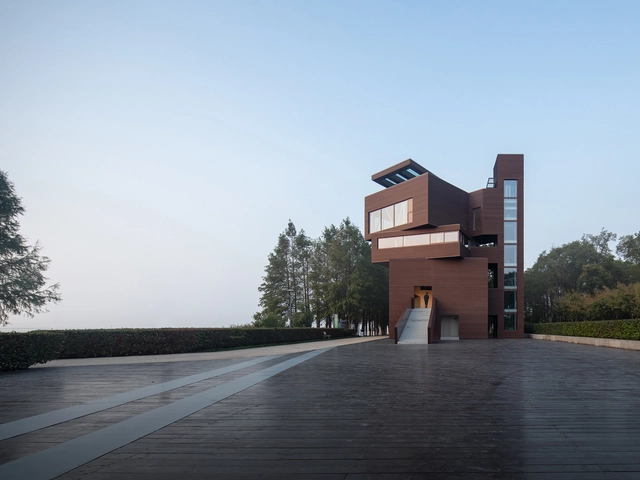

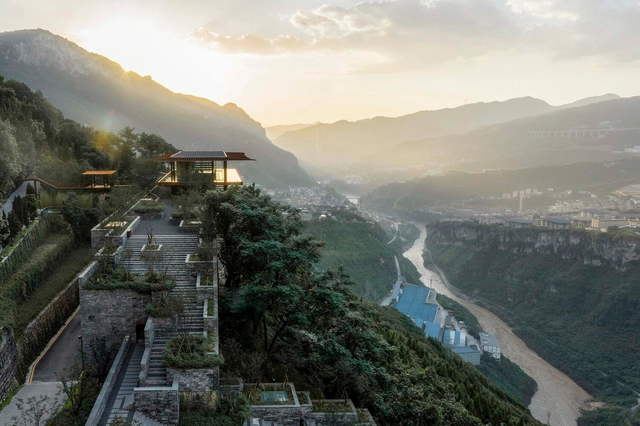
The 2025 Pritzker Prize has been awarded this year to Chinese Architect Liu Jiakun. Born in Chengdu in 1956, he grew up in the densifying city, before attending and graduating from the Chongqing Architecture and Engineering College (Chongqing University) in 1982 with a Bachelor of Engineering degree in Architecture, and becoming one of the first college graduates to be tasked with rebuilding the country during the Chinese transition period. However, it wasn't until many years later that the architect understood that "the built environment could be used as a medium for personal expression". It was then that his endeavors and career took off, with Liu Jiakun starting his practice in 1999, and participating in more collaborative works across China and Europe. Based on his experiences, his works are anchored in his understanding of reality and a respect towards China's multi-traditional history and internal diversity; all while achieving a seamless balance between architecture and nature, tradition and modernity.
These concepts do not obstruct his consciousness of human needs and the importance of community spaces. Through his projects, Liu Jiakun proves that spaces can affect human behavior and become positively evocative. A public space such as those he's created can be conducive to a benevolent atmosphere that provides rest and collaboration. "such as my pursuit of narrative and poetry in design." The comprehensiveness of Liu Jiakun's works makes it easy not to be constrained by stylistic or aesthetic limitations or requirements. He just follows what the site, natural landscape, pre-existing urban frame, and citizen needs might require. The physical result is a mix of all of these with the predominant vernacular traditions.
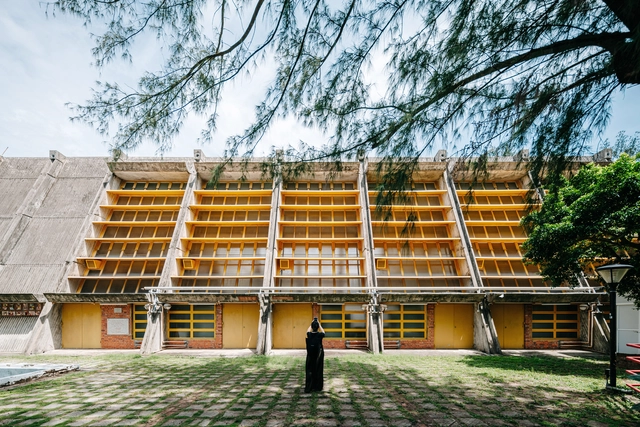
Modernism in architecture emerged at the beginning of the twentieth century, fueled by advancements in science and engineering and a deliberate departure from historical styles. It championed a focus on social equity, urban development, efficiency, and functional design, marking a significant shift in architectural philosophy. Originating primarily in Europe and the United States, modernism captivated the global imagination with its innovative redefinition of space and architecture. Its spread to Asia was facilitated by cross-cultural exchanges—East Asian architects who studied under prominent modernists and European architects working in East Asia through international collaborations or colonial-era influences.
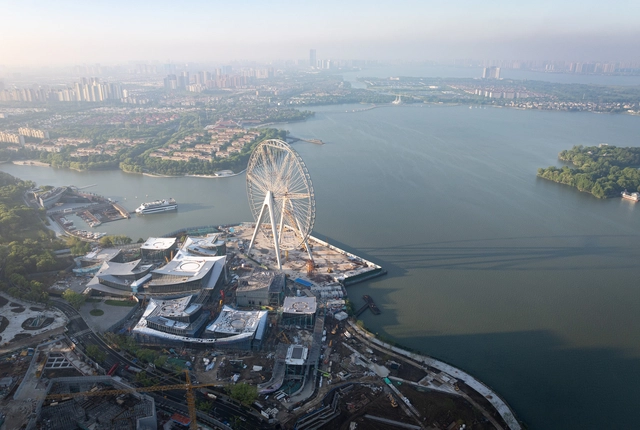
The Suzhou Museum of Contemporary Art, spanning 60,000 square meters, is envisioned as a village of 12 pavilions, presenting a contemporary take on the city's historic urbanism, architecture, and landscape. Designed by Bjarke Ingels Group - BIG, ARTS Group, and Front Inc., the project is part of Suzhou's development around Jinji Lake. It reimagines the classical garden 'lang,' or corridor, framing gardens with outdoor art installations. The pavilions' layout draws inspiration from Suzhou’s garden heritage, guiding visitors through an artistic, natural, and aquatic journey. The museum, which recently celebrated its topping out, is scheduled for completion in 2025.
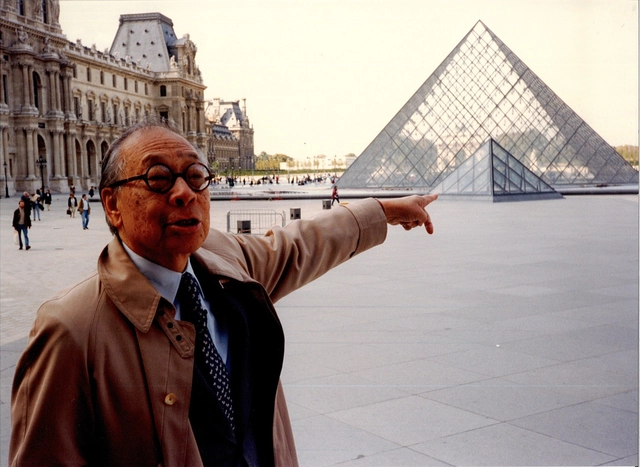
M+ Museum in Hong Kong has unveiled the first full-scale retrospective of the renowned Chinese-American architect leoh Ming Pei (1917-2019), widely known as I. M. Pei. Located in the West Kowloon Cultural District at Asia’s first global museum of contemporary visual culture, the exhibition will be open to the public from June 29, 2024 - January 5, 2025. “I. M. Pei: Life is Architecture” showcases Pei’s career, spanning seven decades across the globe.