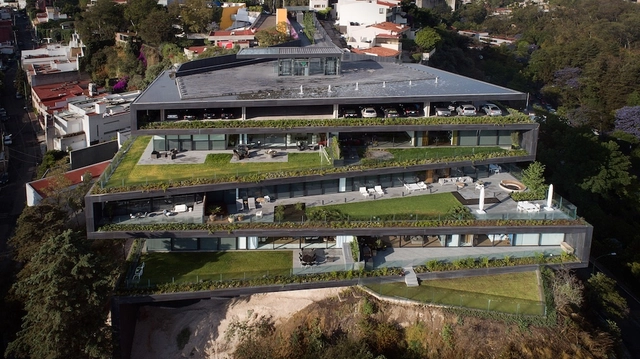
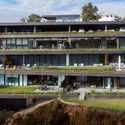
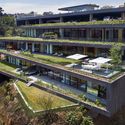
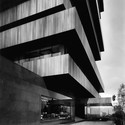
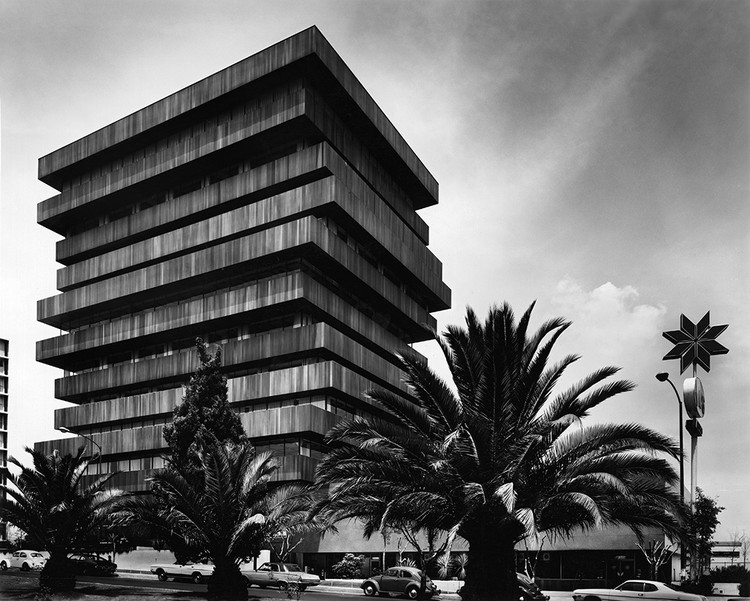
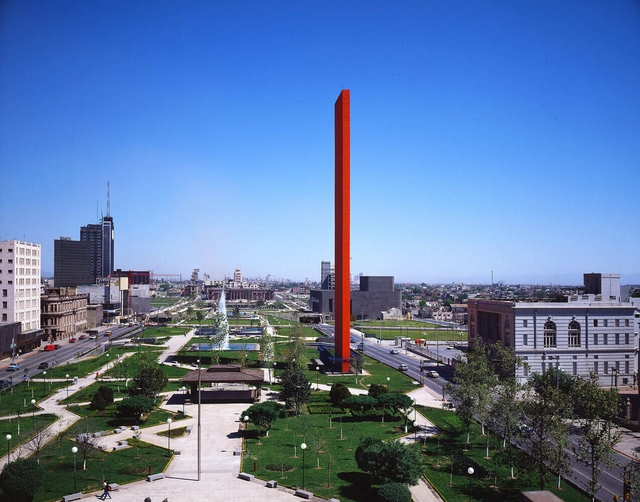
Palmas 555 is a building that stands out in the urban landscape of Mexico City due to its special volumetry and innovative design. This corporate office building was designed and constructed by Juan Sordo Madaleno together with José Adolfo Wiechers and José Ignacio de Abiega as Associate Architects in 1975.
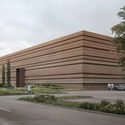
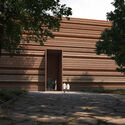
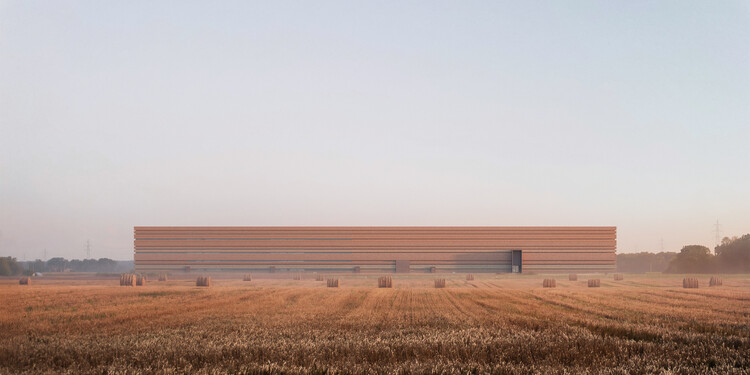
Sordo Madaleno, in collaboration with építész stúdió and Buro Happold, has been selected to design the 43,000-square-meter New Debrecen Collection Center for the Hungarian Museum of Natural History. Debrecen, Hungary's second-largest city, is currently the focus of significant urban and university-related development, including plans to relocate the Hungarian Museum of Natural History from Budapest to the edge of Debrecen's Great Forest. The proposed Collection Center is conceived as a facility dedicated to the controlled storage and study of more than 11 million objects, drawing conceptual inspiration from traditional Hungarian clay vessels, structures historically used to protect and preserve. The project would mark the first European cultural commission for the Mexican architecture practice, which operates studios in London and Mexico City.
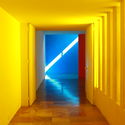
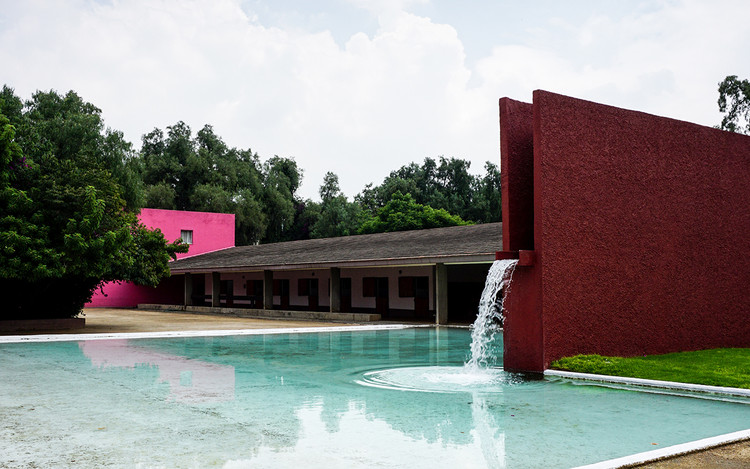
March 9 marks the birthday of one of the most important Mexican architects worldwide. A pioneer of the Modern Movement in Mexico whose work has transcended geographical limits to be studied by different generations of architects who have rewritten his teaching to make it their own. Every year, this date represents the perfect excuse to rethink Barragan's legacy to architecture not only in Mexico but also in the world, and different projects have been carried out with this intention, awakening the interest of new generations. However, until a few years ago, the record of the architect's work was not very accessible since more than 50% of the projects he built remained anonymous due to the lack of a proper archive of his work.
Stairways are central to access and mobility within a space, and yet, they often take a backseat to other elements of design within a work of architecture. However, Mexican firm PRODUCTORA has put them at the forefront of many of their projects, notably the Teopanzolco Cultural Center.
Carmelina&Aurelio Architecture Studio based in Tuxtla Gutiérrez, Chiapas in Mexico, released a book with architectural illustrations to color. The book in PDF format is available on their website for free and consists of eight letter-size pages. Read on for the featured projects as well as examples of color palettes for further inspiration.
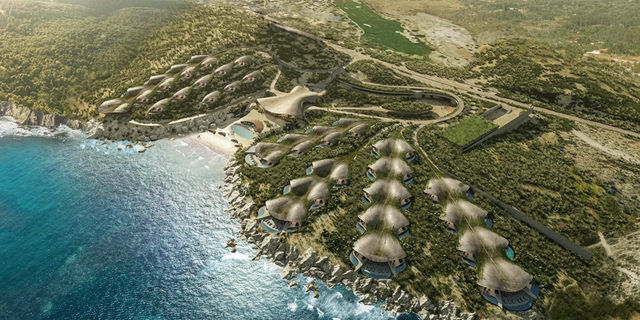
The large biological reserves located in La Paz, Baja California Sur in northern Mexico have made this destination one of the most significant for ecotourism and its proximity to the United States has accelerated its development in recent years.
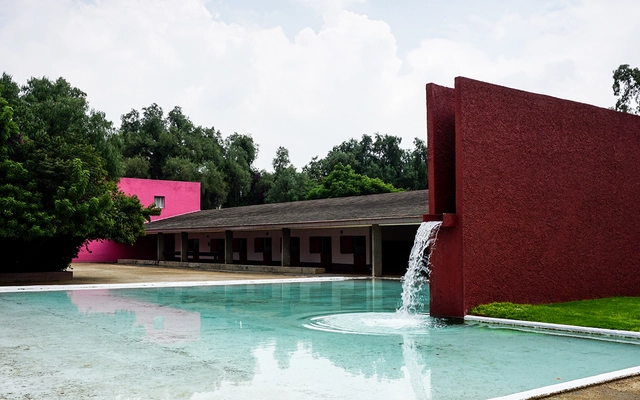
On November 22, 1988, one of the most important and revered figures in the history of Mexican and international architecture died in Mexico City. Luis Barragán Morfín, born in Guadalajara and trained as a civil engineer left behind an extensive legacy of published works, conferences, buildings, houses, and gardens that remain relevant to this day. While Barragán was known for his far-reaching research in customs and traditions, above all, the architect spent his life in contemplation. His sensitivity to the world and continued effort to rewrite the mundane has made him a lasting figure in Mexico, and the world.
Undoubtedly, Luis Barragán's legacy represents something so complex and timeless that it continues to inspire and surprise architects across generations. It is because of this that, 30 years after his death, we've compiled this series of testimonies from some of Mexico's most prominent contemporary architects, allowing them to reflect on their favorites of Barragan's works and share just how his work has impacted and inspired theirs.
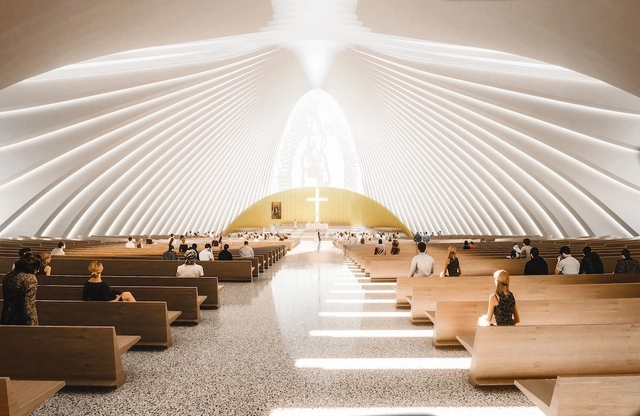
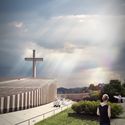
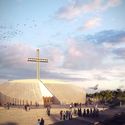
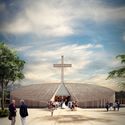
In response to calls for a larger space, the Santiago Apostle Cathedral is the proposed home for the Queretaro Diocese. The proposed building lies on a 20,000 square meter plot of land on the city's south central side. The project aims to turn the building into not only a new religious and community space, but also an architectural icon for the city.
The project's design is based on a guiding axis that points towards the rising sun. The nave's geometry begins in the circle and then spreads throughout the structure from the principal entrance all the way towards the altar. The cathedral's roof is made up of a grand staircase that also houses a reflection pool.
Note: This project was originally published in Spanish on ArchDaily on April 27, 2016. Due to the news of the project's partial collapse, we have translated the original post to provide more information in English.
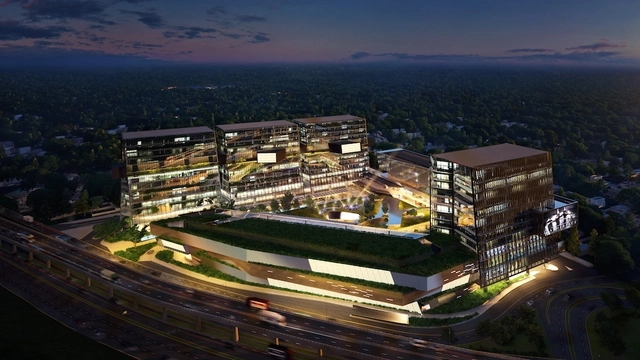
Currently underway in Mexico City, the project by Sordo Madaleno Arquitectos inserts a new urban-scale project designed under environmental and social concepts to expand public spaces and the collective interaction in the south of the city. The volumetry of this mixed-use project that incorporates commercial developments, corporate towers and a large urban park.
"ARTZ is more than just a project, it is a space that improves the city and therefore the quality of life of its users," comments Javier Sordo Madaleno Bringas, president of SMA.
More information about the project is available below.
Sordo Madaleno Arquitectos ha sido anunciado entre los finalistas de la onceava edición del World Architecture Festival (WAF) que tendrá lugar en Amsterdam, Holanda del día 28 al 30 de noviembre. El World Architecture Festival está dedicado a celebrar, compartir e inspirar la arquitectura sobresaliente. Es el único evento de arquitectura donde las conferencias magistrales de las figuras más influyentes de la industria se juntan con presentaciones en vivo de más de 500 finalistas de premios más redes globales y una exhibición internacional de productos.




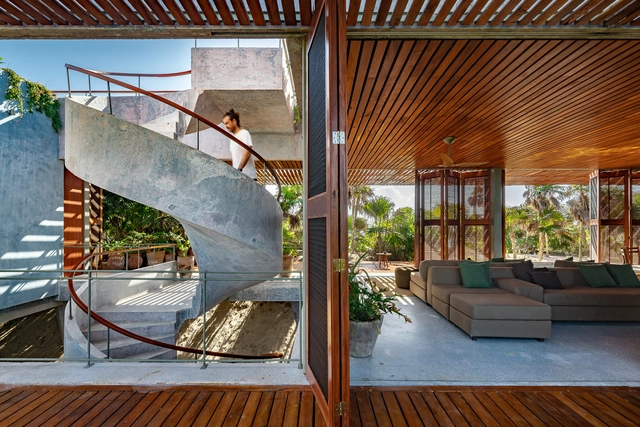
_copy.jpg?1596150637 "Floating House / Talleresque. Image © Studio Chirika")


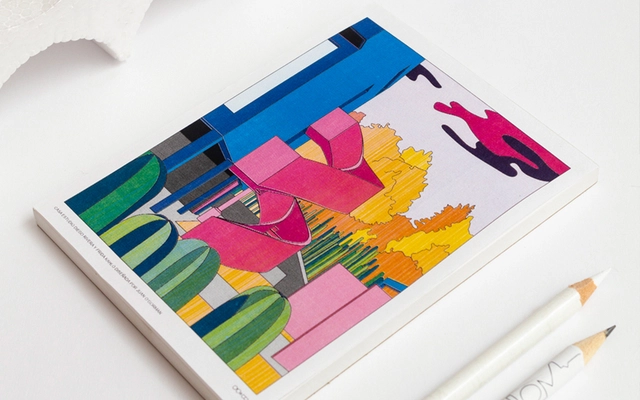
.jpg?1587757409 "© Carmelina&Aurelio")

.jpg?1587757443 "© Carmelina&Aurelio")