


-
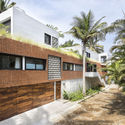
Architects: RVO Studio
- Area: 820 m²
- Year: 2018
-
Manufacturers: Acor, BAUS/REHAU, BOSE, Caesarstone, KitchenAid, +3


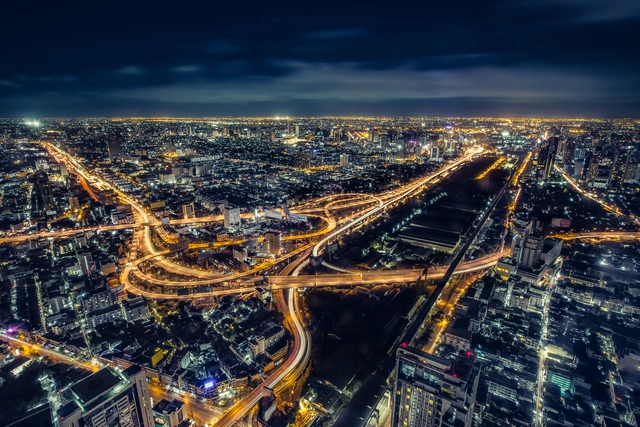
Our cities, vulnerable by nature and design, have generated the biggest challenge that humankind has to face. With the vast majority of the population expected to settle in urban agglomerations, rapid urbanization is going to raise the issue of adaptability with future social, environmental, technological and economic transformations.
In fact, the main problematic of the decade questions how our cities will cope with fast-changing factors. It also looks into the main aspects to consider in order to ensure long-term growth. In this article, we highlight major points that help future-proof our cities and create a livable, inclusive and competitive fabric that adapts to any unexpected future transformation.
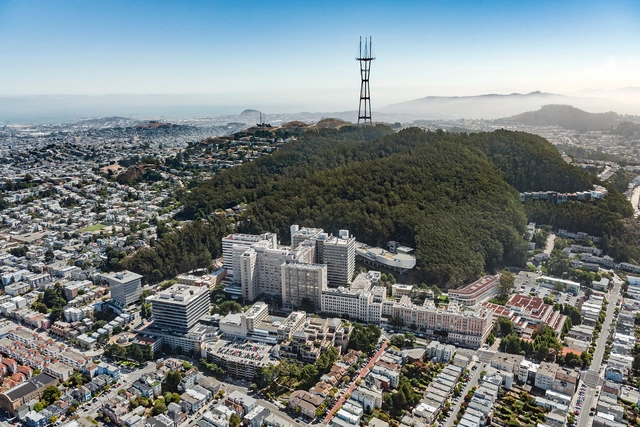
The University of California San Francisco (UCSF) has selected Herzog & de Meuron and HDR to design the new hospital of UCSF Helen Diller Medical Center at Parnassus Heights. Part of the university’s academic medical center, the hospital providing a home to both inpatient and outpatient services will include a research enterprise and graduate schools in the health sciences.

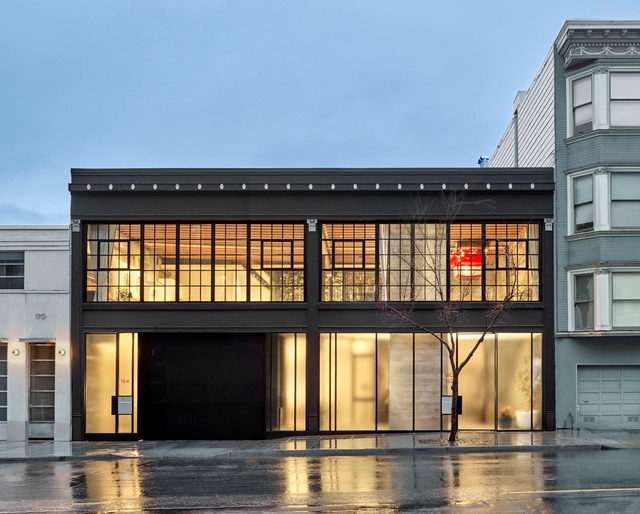

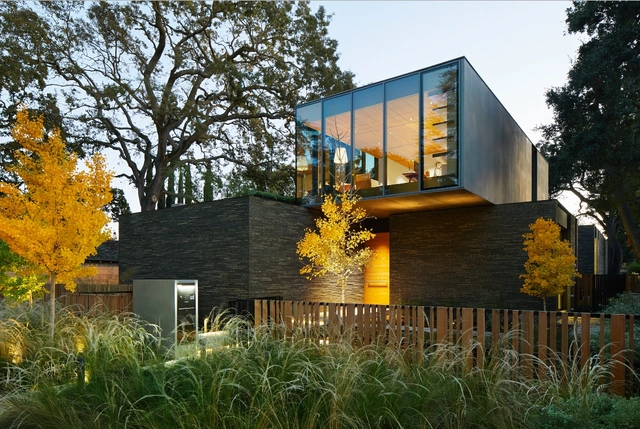
The 14th Annual San Francisco Design Week (SFDW) is returning this year as a virtual design festival. The all-online program kicks off June 15-25 with the theme “Intentional Distortions." Over 150 participating Bay Area and West Coast design firms are joining the event with original ideas and creative solutions to help businesses survive in a post-pandemic world.
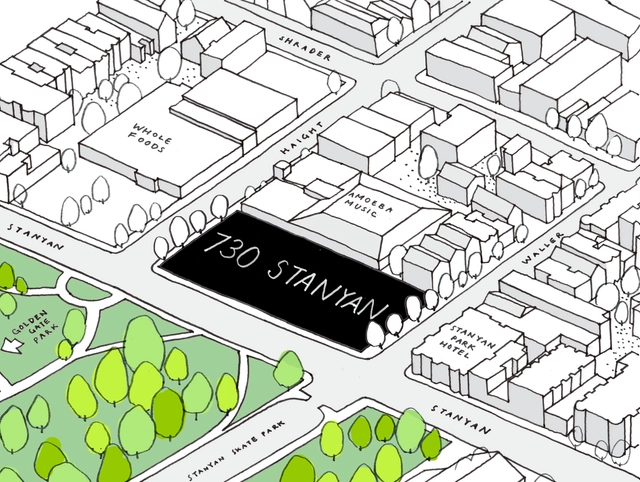
OMA / Jason Long and Y.A. Studio have been selected to design an 150 unit affordable housing project in San Francisco's historic Haight Ashbury neighborhood. Dubbed 730 Stanyan, the project aims to provide a high-quality living environment for families and seniors. The housing will be situated at the entry to Golden Gate Park and aspires to address the city’s desperate need for permanent housing options.
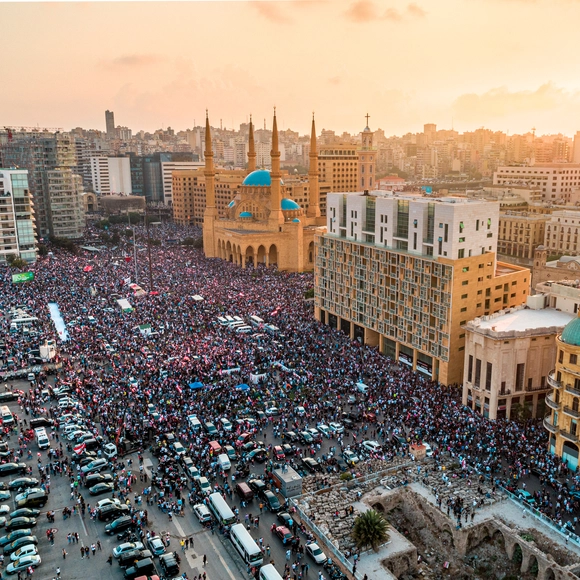
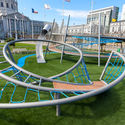
"Public space" is a legal terminology that tackles the notion of land ownership, suggesting that this type of parcel does not belong to anyone in particular, but to the state itself. Open, free, accessible to all, and financed by public money, these spaces are not only the results of planning, but the consequences of the public practices they hold. Actually, people define how public space is used and what it means.
Protests - powerful political tools for change - from the March on Washington in 1963, the Arab Spring in the early 2000s to recent Black Lives Matter Movements, are altering the world. In times like these, while people still need to "take their issues to the streets" to be heard and seen, public spaces have resurfaced as a topic of discussion.
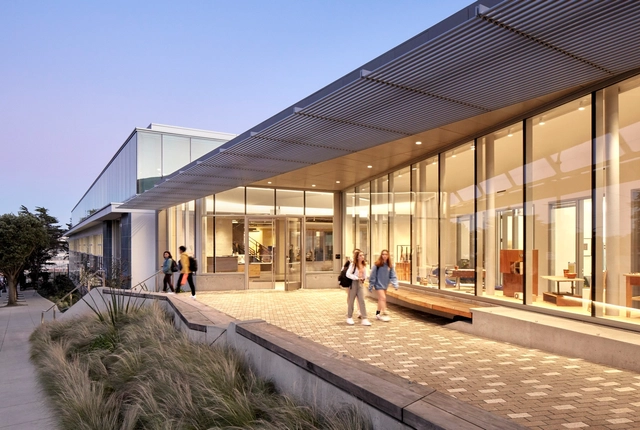
Architecture has an inherent role to the play in the global climate crisis. Buildings and their construction together account for 36 percent of global energy use and 39 percent of energy-related carbon dioxide emissions annually. Brad Jacobson is a principal at EHDD and a leader working to implement climate responsive design. Designing for the future, Brad synthesizes diverse perspectives to craft high performance solutions.
The 14th Annual SAN FRANCISCO DESIGN WEEK (SFDW), which attracts annually 60,000 visitors from around the world, is returning this year as the first regional virtual design festival. The all-online program kicks off June 15-25, celebrating with the provocative theme “Intentional Distortions” which is now more relevant than ever.
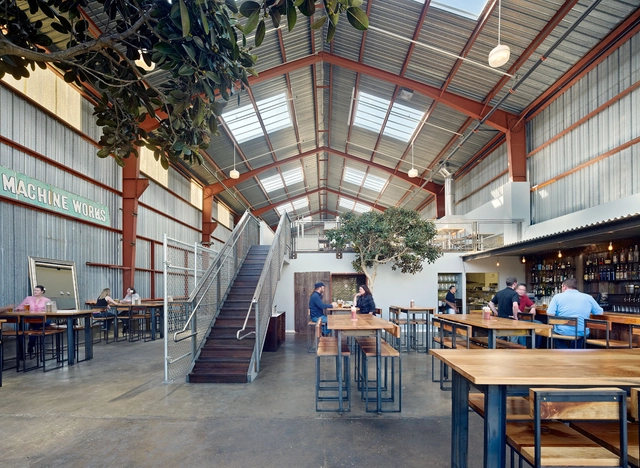
The COVID-19 pandemic has transformed how we work. As designers are quickly rethinking traditional workflows to stay connected, in San Francisco, Studio BBA is adjusting the way they work to make sure client needs are delivered. Advocating for architecture that inspires human connection, they are creating spaces and places from the alchemy of inspiration, site, materials, vision and form.
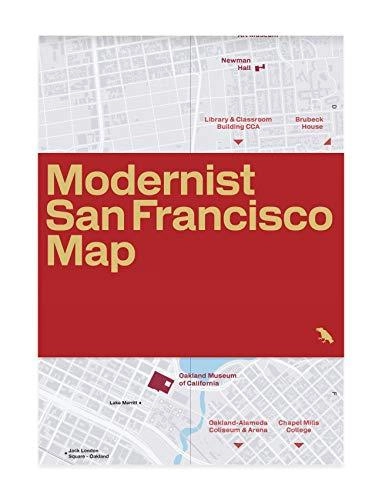
Description via Amazon. Guide map to Modernist architecture across San Francisco and the Bay Area. This two-sided folded map with original photography by Jason Woods is edited by Mitchell Schwarzer, Professor at California College of the Arts, and author of numerous books about architecture. The guide features over fifty influential examples of Modernist and Brutalist architecture from Berkeley and Oakland to Palo Alto and San Mateo. Details for individual buildings are supported by an introduction to Modernism in the Bay Area by Schwarzer. Architects featured include Vernon de Mars, Beverley Thorne, Skidmore, Owings & Merrill, Frank Lloyd Wright, Richard Neutra, Pier Luigi Nervi, Mario Ciampi, Kevin Roche and John Dinkeloo and many others.
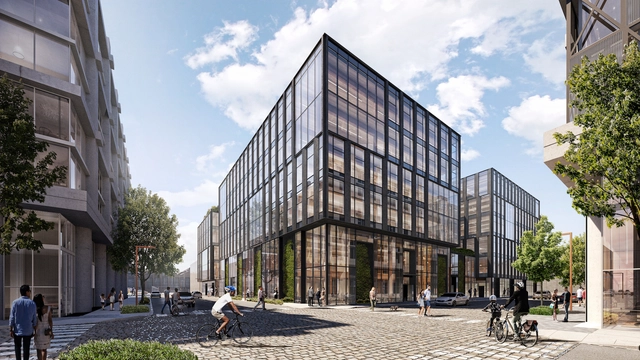
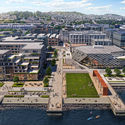
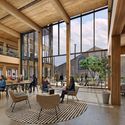
Hacker Architects have unveiled new images showcasing plans to build the largest mass timber office building in North America. Working in collaboration Quezada Architecture for Brookfield Properties, the project is designed to be part of a 28-acre Pier 70 waterfront development at a historic shipyard property in San Francisco. The mass timber building is designed as a gateway structure with views of downtown, the bay, and nearby hills.

San Francisco is one of the trendiest and most-popular cities in the United States, which also happens to make it one of the most expensive cities in the world. Home of Silicon Valley, San Francisco has become the go-to city for tech companies within the US, and with countless tech employees flocking to the area with sizeable paychecks, it’s not hard to see why the prices in the Bay Area have skyrocketed in the previous decades.