What structures and infrastructures sustain the ties and relationships between the countryside and the city? How will architecture and emerging technologies maintain -or not- the coexistence of both worlds in the future? The reduction of ecological footprints, the impact of climate change, the decentralization of major cities, food security, and other contemporary issues challenge professionals in architecture and urbanism globally under the main shared goal of improving citizens’ quality of life and achieving physical, mental, and emotional well-being in both built and natural environments.
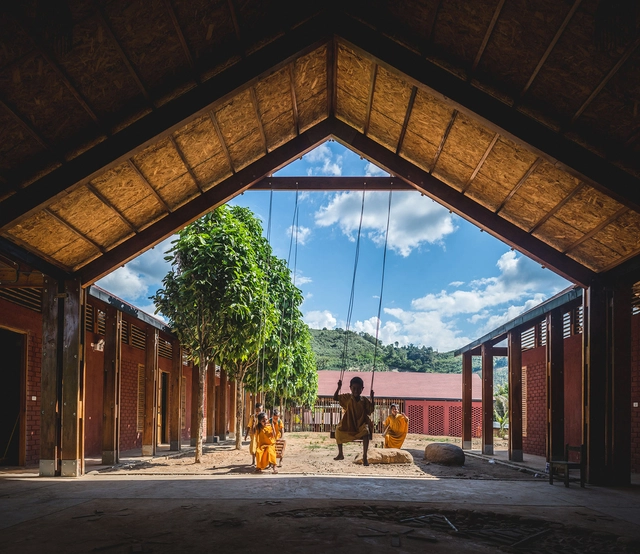
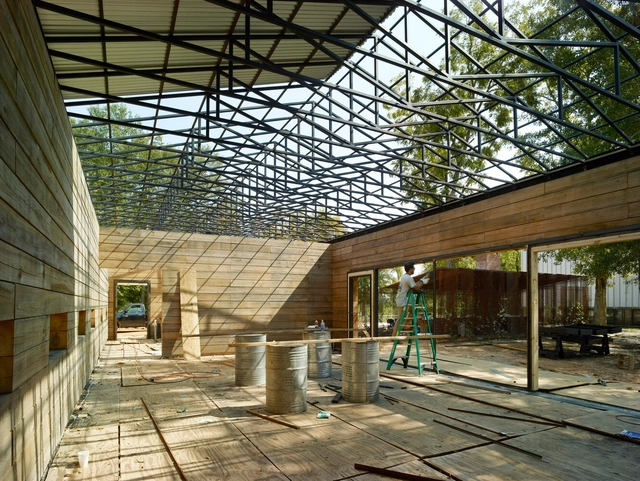
In an effort to foster a sense of belonging among its inhabitants, to value ancestral cultures, and to preserve identity, the Latin American region embraces an architecture rich in nuances and regional characteristics. The use of local materials and construction techniques, or the dialogue between modular and vernacular approaches, among other aspects, reflect the intention to promote the involvement of native communities, students and their families, Iindigenous peoples, and local builders in the design and construction processes of a wide variety of rural schools throughout Latin America.
As educational institutions around the world adapt to shifting societal needs, the architecture of learning is also evolving. This curated selection brings together projects submitted by the global ArchDaily community, highlighting how architects are rethinking the future of schools and universities through design. These proposals reflect pressing global concerns: the importance of community-centerededucation, the revitalization of historical buildings and neighborhoods, the integration of natural systems, and the search for spatial expressions that accommodate both formal instruction and informal exchange. Whether situated in dense urban centers, rural villages, or coastal landscapes, these projects respond to specific cultural and environmental contexts while engaging with broader architectural questions about sustainability, access, and identity.
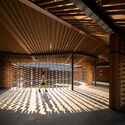
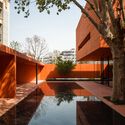
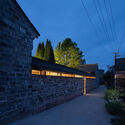
Selected as one of ArchDaily's Best New Practices for 2024, Mix Architecture bases in Nanjing, China, took their approaches honed from rural China to the city, dealing with projects across different scales that stay true to the identity of the communities they work in, but with a contemporary character that is dealing with projects across different scales that stay true to the identity of the communities they work in, but with a contemporary character that is setting the bar for Chinese architecture. They responded sincerely to the site, to the construction, to the functional needs, and to the expression of sociality. From the name of their studio, one can observe that they are an inclusive design studio.
In an interview with ArchDaily, they summarise their design practice as 'the evolution of scenery', each time drawing design information from the site, not just responding to nature or culture, but becoming part of the landscape. This allows even the casual viewer without a professional background in architecture to perceive the atmosphere created by the design. Treating architecture as a social event, each design maximizes the use of local resources under limited conditions to bring about a relatively good result, responding to the environment, the cultural heritage, the materials, the craftsmanship of the workers, the type of function of the space and the real needs of the owner.
In celebration of Urban October, a month dedicated to recognizing the significance of innovative urban spaces, this curated selection presents 8 conceptual projects that demonstrate the transformative potential of public spaces. These projects, submitted by the ArchDaily community, showcase the myriad ways public spaces can enhance cultural identity, community interaction, and environmental quality. Conceptual projects and competition entries serve as a platform for architectural experimentation, challenging the norms and sparking discussions about the future of urban landscapes. From rural settings to layered historical squares or small-scale urban interventions, the designs engage with their contexts, aiming to improve the experience of residents and visitors, highlight the histories of the space, and ensure accessibility for all.
Each month, ArchDaily's editors select a collection of conceptual projects centered around a theme or program, submitted to ArchDaily. These projects are developed by small and large-scale architecture offices from around the world and submitted openly to the ArchDaily platform, thus forming a worldwide community of practitioners sharing their work, be it purely conceptual, a competition entry, or an early-stage design phase. Submissions are open to everybody. If you wish to contribute, send in your work by following the instructions here.
Rural environments are often difficult to define in administrative and professional contexts and carry notable biases and complexities. Population and density thresholds are the most common determinants for drawing administrative boundaries, yet other factors, such as infrastructure, employment, and services, contribute to the characterization of rural environments. In the United States, the Census Bureau defines rurality, not by its characteristics or resources, but by absences, as "any population, housing, or territory not in an urban area." For the design and planning community, it is important to define the future of rural environments, not through the metrics of urban resources or infrastructure, but to design a new framework for flexibility, adaptation, and health.
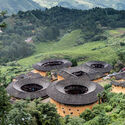
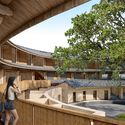
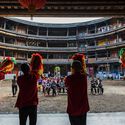
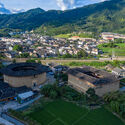
In the mountain valleys of China’s Fujian Province, thousands of large, rammed earth fortresses lay abandoned. Once used for both defense and collective housing, the tulou typology is an integral part of the region’s cultural heritage, with 46 of them being recognized by UNESCO as World Heritage Sites. Despite this, the rural communities surrounding them have struggled to find new roles and purposes for these buildings. Going beyond the need for conservation, architect Xu Tiantian of DnA_Design and Architecture set out to develop and adapt this heritage to reintroduce it into community life. The Fujian Tulou | Adaptive Reuse project recently won the Gold Prize of Holcim Awards 2023 for Asia-Pacific, recognized for creating “an exemplary model for building conservation initiatives.”In a video interview for ArchDaily, Xu Tiantian discusses the principles that underpin this initiative and the potential outcomes of adaptive reuse in rural communities.
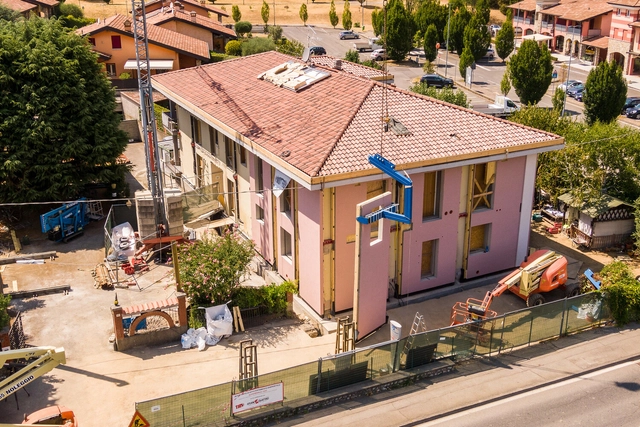
of Energiesprong, an innovative system that uses prefabricated insulated wall and roof panels . Image Courtesy of World Habitat
International non-profit organization World Habitat, in partnership with UN-Habitat, has announced the World Habitat Awards 2024. The prizes strive to highlight projects that demonstrate novel and transformative approaches to housing that incorporate principles of climate change adaptation and community-driven solutions. This year, 8 projects have been selected, out of which 2 projects were recognized with the Gold World Habitat Award.
As has become customary in recent years, on the first Monday of October, we celebrate both World Architecture Day and World Habitat Day, serving as a reminder to the global community of its collective responsibility for the well-being of the built environment. This edition, like its predecessors, sheds light on the realm of architecture and the challenges faced by our cities, introducing new themes, contemplating the state of our urban areas, and proposing constructive strategies.
Since urban economies have encountered significant difficulties this year, the UN's World Habitat Day focuses on "Resilient Urban Economies: cities as drivers of growth and recovery." Launching Urban October, this event seeks to bring together diverse urban stakeholders to deliberate on policies to help cities recover after the dual economic impacts caused by the COVID-19 pandemic and conflicts worldwide. Aligned with this concept, World Architecture Day, created by the UIA in 1985, has chosen to concentrate on "Architecture for Resilient Communities," emphasizing the role and duty of architecture in fostering thriving community existence while initiating a global dialogue regarding the interconnectedness of urban and rural regions within every nation.
India recently overtook its sub-continental neighbor, China, to become the most populous country in the world with a demography of over 1.4286 billion people. As data from the United Nations also estimates an annual population growth rate of 0.7%, the country’s built environment is set to interact with a new discourse of demography and present its own perspective on how to build for billions. It is set to engage with new challenges of infrastructure, transportation, and adequate housing, which on the surface will force cities to constantly expand as a response to these dynamic needs. However, a critical look at the population distribution within the country reveals that the majority of Indians still live in rural areas as it caters to 65% of the population despite increasing rural-urban migration. This suggests a nudge in a different direction. One where the design and development of the rural areas take precedence over the cities. One that explores architecture in rural areas, its relationship with the cities, and its future as a primary framework to house the exploding population.
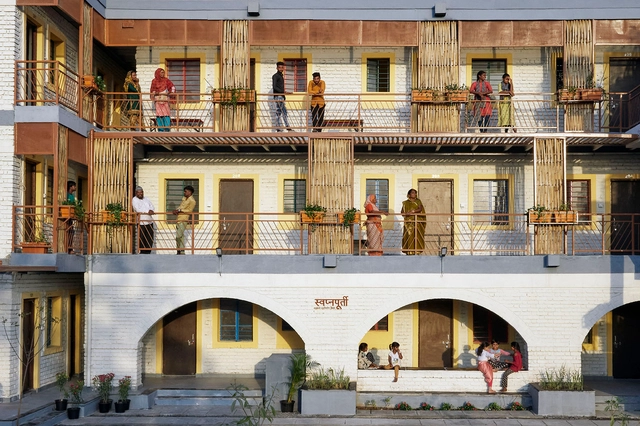
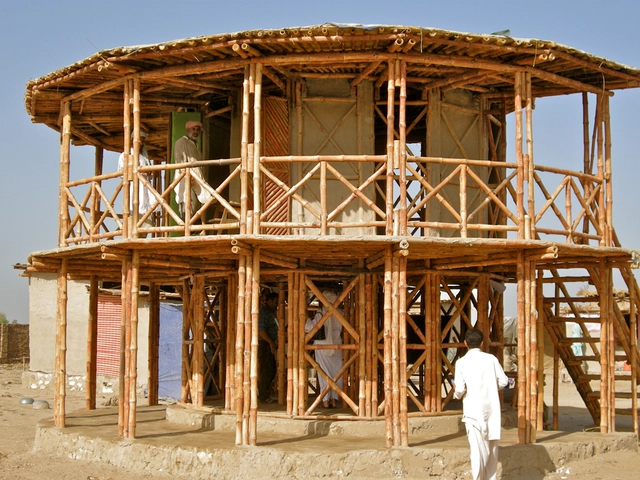
Yasmeen Lari, recognized as the first female architect in Pakistan, has had a significant impact both in her home country and internationally due to her innovative and socially conscious approach to architecture. Through a systemic approach, Lari’s work takes into consideration local culture, site-specific opportunities, and challenges. Born in Pakistan in 1941, Yasmeen Lari moved to London with her family at the age of 15. After graduating from Oxford Brooks School of Architecture, she returned to Pakistan at the age of 23 to establish Lari Associates with her husband, Suhail Zaheer Lari. The couple settled in Karachi. Here, she began to study Pakistan’s ancient towns and the vernacular architecture of earth buildings, igniting her interest in the architectural heritage and traditional techniques of her country. In 1980, she co-founded the Heritage Foundation of Pakistan with her husband, becoming instrumental in the preservation of her country’s rich cultural heritage.
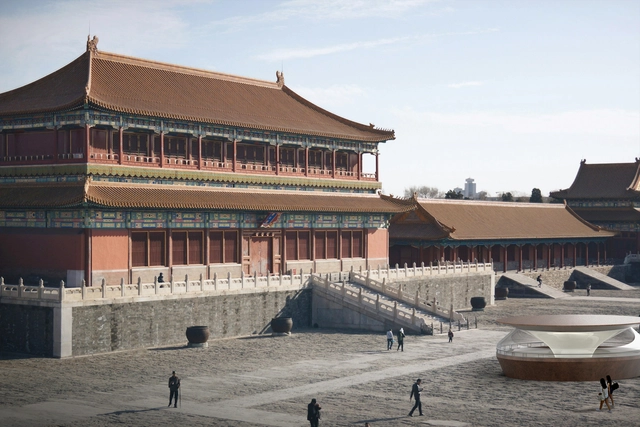
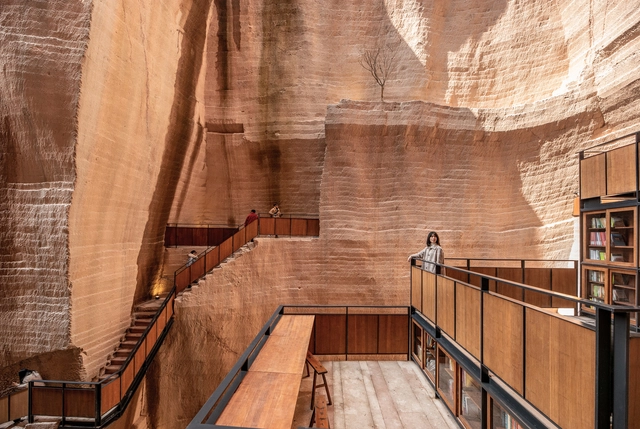
Today, reusing and adapting existing spatial resources is regarded around the world as an important contribution to sustainable development, and new challenges are thus also emerging at the margins of classic building tasks due to the changing assessments regarding whether to preserve or demolish. Xu Tiantian’s projects in the quarries of Jinyun combine aspects of landscape planning, interior design, artistic installations, and social planning with an economic revitalization of the rural area. In this way, a ruined and exploited landscape becomes a sign of departure with which a new sustainable coexistence can be linked to a narrative about the history of the location.
The immensity of China leads to the diversity of customs and climatic conditions. Each area has its own unique materials, construction methods, and climate adaptation measures. The regional characteristics of Chinese architecture are generally preserved in rural buildings. But we cannot overlook how contemporary technology may considerably improve the living and use conditions of rural buildings. What is the best way to create a balance between classic or inherent technology and new ones? How would the construction of rural architecture provide inspiration for the development of Chinese architectural cultural symbols?
2022 Pritzker Architecture Prize winner Diébédo Francis Kéré reported the great solutions of Burkina Faso. Kéré insists to build comfortable buildings at a reasonable price; to make users happy and inspire them to dream of a better life. The pride of the local culture is reinforced by the use of local materials and traditional techniques. And then Kéré‘s works in other countries show cultural emblems of Burkina Faso, which are the consequence of his own cultural accumulation.
Mahalla: Urban Rural Living. Image Courtesy of Christ & Gantenbein
“Mahalla: Urban Rural Living” is the first participation of the Republic of Uzbekistan at the 17th International Architecture Exhibition – La Biennale di Venezia. Open to the public from May 22 to November 21, 2021, at Quarta Tesa, Arsenale, the exhibition is curated by Emanuel Christ and Christoph Gantenbein, professors of architecture and design at ETH Zurich, and founding partners of Christ & Gantenbein.
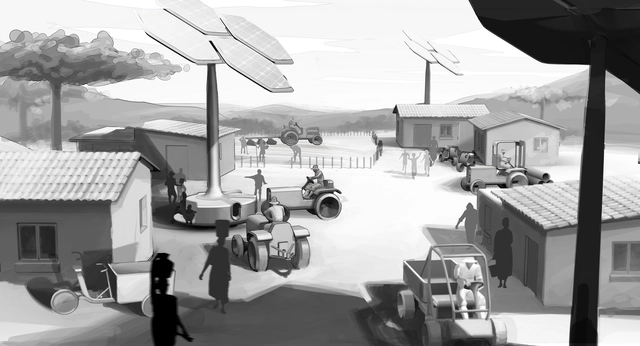
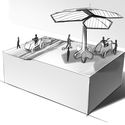
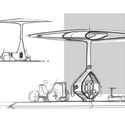
AMO, the think tank of the Office for Metropolitan Architecture (OMA), co-founded by Rem Koolhaas and led by Samir Bantal, has announced a recent research collaboration with Volkswagen. Focused on rural areas and the countryside, the partnership will look into the future of rural mobility, through a first conceptual study on electric tractors.
Generating new models for participatory development for Ulleung island in South Korea.
The SHINBISUM workshop aims to open an alternative way of thinking about rural development in Ulleung-do and beyond. In a world where participatory practices are becoming the norm, how can the local and international community contribute to shape the future of JangHeung? The residents of Ulleung island, the Korea rural community corporation, Yangji Co., and urbz invite you to imagine with them the future of one of Korea’s most iconic locality. The workshop will produce strategic ideas and design interventions for JangHeung village. If you like to create, ideate, design and build - join us for a 5-day participatory immersion in a place which embodies the struggle of many localities around the world. Like so many other places, Ulleungdo is torn in between urban development and the preservation of their natural environment.
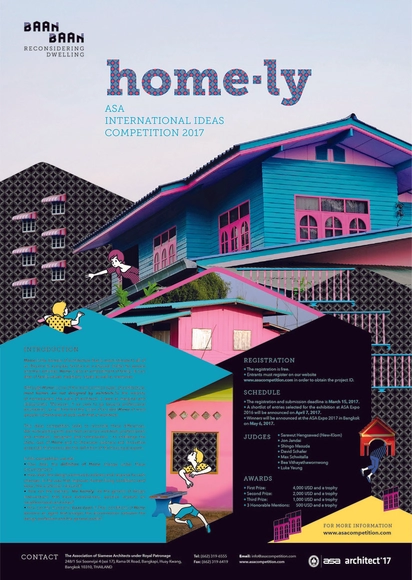
HOME.LY | ASA INTERNATIONAL IDEAS COMPETITION 2017
Home is the domain of architecture that is most intimate to all of us. Beyond its everyday function as a physical shelter for people and their activities, Home is also an embodiment of family. It is an altar of family values, traditions, rituals as well as memories.
Summer Youth Program Seeks Proposals for Spectacular Projects Worldwide call seeks ideas from Engineers, Architects, Designers, Sculptors, Builders, Technologists, Artists and Makers of all kinds