1. ArchDaily
  2. Roundups

Roundups: The Latest Architecture and News

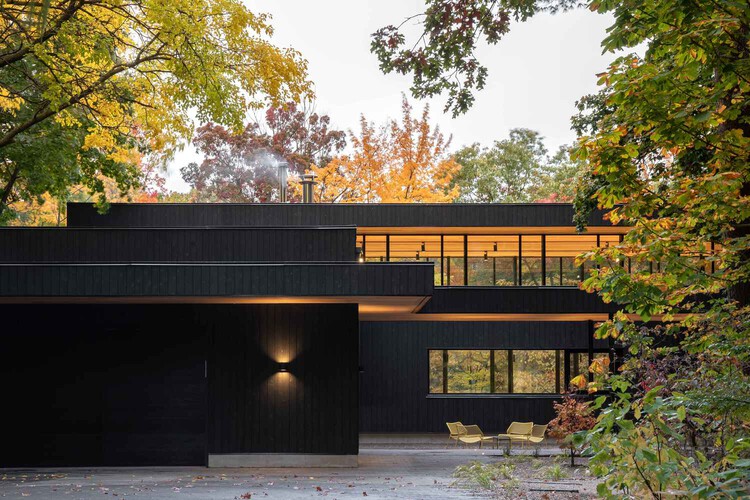
Deep Tones and Natural Roots: 22 Shou Sugi Ban Homes Across the US and Canada

Subscriber Access | 

Shou Sugi Ban is a traditional Japanese technique for wood preservation that involves charring the surface of timber to create a protective layer. While its origins are rooted in practical durability, the method has been widely adapted into the modern built environment and shapes a unique and distinctive aesthetic. It is a material of contradiction: it remains bold in its visual language due to its dark tones, yet it simultaneously borrows from and complements its natural surroundings, allowing houses to settle quietly into their sites.

The charred finish among the 22 residences featured here across Canada and the United States serves as a common thread for navigating extreme climates. From humid lakefronts to dense forests, the carbonized skin acts as a resilient shield against diverse conditions. Beyond mere protection, these houses demonstrate how the material's texture changes with exposure to light, transforming from a flat matte in the shade to a silver-flecked, shimmering surface in direct sun. These projects also showcase the technique's ability to define architectural volumes, using the dark cladding to create sharp, monolithic silhouettes or to highlight the voids in a building's mass, such as recessed entryways and sheltered terraces.


Deep Tones and Natural Roots: 22 Shou Sugi Ban Homes Across the US and Canada - Image 1 of 4Deep Tones and Natural Roots: 22 Shou Sugi Ban Homes Across the US and Canada - Image 2 of 4Deep Tones and Natural Roots: 22 Shou Sugi Ban Homes Across the US and Canada - Image 3 of 4Deep Tones and Natural Roots: 22 Shou Sugi Ban Homes Across the US and Canada - Image 4 of 4Deep Tones and Natural Roots: 22 Shou Sugi Ban Homes Across the US and Canada - More Images+ 20

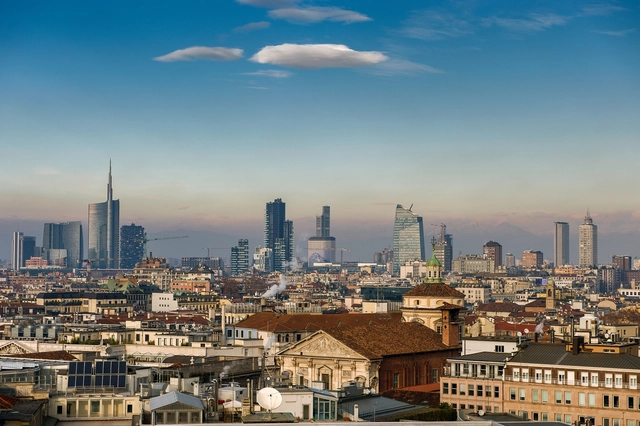
World Tourism Day 2024: 30 Architecture City Guides to Celebrate Urban Fabrics from Around the World

Tourism, as an urban and architectural phenomenon, has grown to encompass more than just sightseeing; it engages visitors with the social, cultural, and economic narratives that cities tell through their built environments. In celebration of World Tourism Day 2024, this collection of city guides highlights the role of architecture in shaping the urban tourism experience. Today, cities around the world stand as testaments to human ingenuity, historical preservation, and modern innovation. In fact, each city's versatile architecture offers a window into a city's identity, drawing millions of visitors each year who seek to understand how these spaces shape everyday life and collective memory.

In 2024, many cities have seized the world's collective imagination, each with its unique narrative waiting to be uncovered. Whether one finds themselves meandering through London, admiring Paris, or immersing in the cultural treasures of Sharjah, the story is always there to be unraveled. From Amsterdam's canals to Cairo's rich historical layers, Barcelona's avant-garde architecture, the liveliness of Santiago to the ancient marvels of Rome, and the diverse Istanbul to the bustling Bangkok – each city serves as a testament to the enduring spirit of human civilization.

World Tourism Day 2024: 30 Architecture City Guides to Celebrate Urban Fabrics from Around the World - Image 1 of 4World Tourism Day 2024: 30 Architecture City Guides to Celebrate Urban Fabrics from Around the World - Image 2 of 4World Tourism Day 2024: 30 Architecture City Guides to Celebrate Urban Fabrics from Around the World - Image 3 of 4World Tourism Day 2024: 30 Architecture City Guides to Celebrate Urban Fabrics from Around the World - Image 4 of 4World Tourism Day 2024: 30 Architecture City Guides to Celebrate Urban Fabrics from Around the World - More Images+ 27

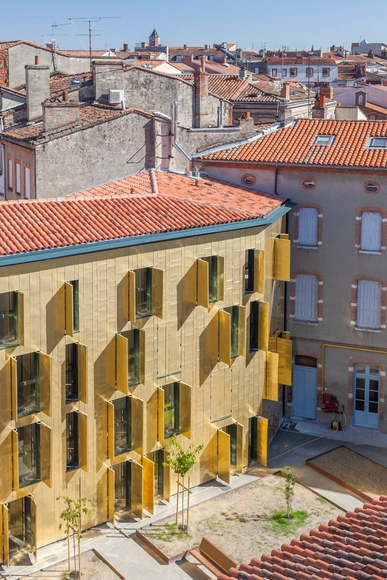
Timeless, Adaptable and Reusable: 10 Projects That Use Copper Creatively

 | Sponsored Content

Few building materials stand the test of time as well as copper. Unlike other materials that have been replaced over the years –either due to lack of longevity, sustainability issues, or simple aesthetic preferences– copper can continue to be present in a huge variety of applications and its appeal has evolved over the years. Whether in façades and key building elements or in detailing and accessories, it continues to be a solid favorite for architects, designers and the public in general. 

Timeless, Adaptable and Reusable: 10 Projects That Use Copper Creatively - Image 1 of 4Timeless, Adaptable and Reusable: 10 Projects That Use Copper Creatively - Image 2 of 4Timeless, Adaptable and Reusable: 10 Projects That Use Copper Creatively - Image 3 of 4Timeless, Adaptable and Reusable: 10 Projects That Use Copper Creatively - Image 4 of 4Timeless, Adaptable and Reusable: 10 Projects That Use Copper Creatively - More Images+ 6

Architect Magazine Selects the Top 50 Architecture Firms in the US for 2018

Architect Magazine has unveiled the 2018 edition of the “Architect 50,” their list of the 50 best architecture firms in the United States. This year saw more entrants than ever before, with 160 completed submissions calculated along three categories: business, sustainability, and design.

Topping the list this year was WRNS Studio, followed by Brooks + Scarpa, and William Rawn Associates. Below, we have republished the full list, along with links to their ArchDaily archive of work. Visit the official website here for more information on the methodology, details, and 2019 submission notes.

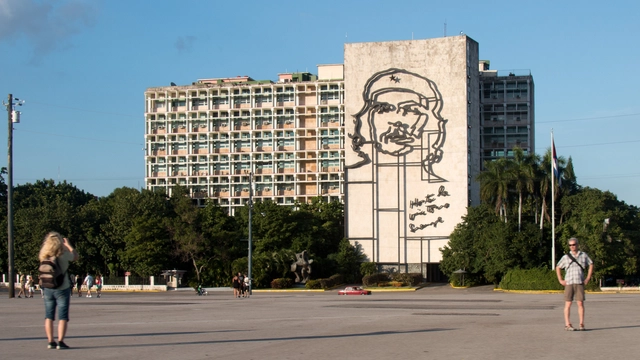
7 Sites in Havana That Tell the Story of Cuba’s Rich Architectural History

Havana is often referred to as a time machine that transports visitors to a particular moment in history, seemingly frozen in time. While it is a city that boasts an exhaustive timeline of imported styles, Havana in the present day is not defined by a singular historical era—either in its political climate or in its architectural zeitgeist.

Over the decades, the Cuban Revolution has had powerful domestic and international repercussions. In particular, it transformed Cuba’s relationship with the United States. But efforts to improve diplomatic relations have gained momentum in recent years, with the teetering lift of the embargo that exacerbated a David and Goliath situation and left a lasting economic impact on the Cuban people. Havana’s skyline has hardly altered since the fall of the Soviet Union, and the city became shut off from the rest of the world, having to rely heavily on its own resources. Today, the government in Havana occupies the gap between the last stance of post-Cold War communism, and the looming influence of Capitalism, a situation which reveals itself in the variety of distinct architectural styles. These seven sites in the island nation’s capital best explain the story about where Havana has been, and offer a prediction as to where it may head next.

7 Sites in Havana That Tell the Story of Cuba’s Rich Architectural History - Image 4 of 47 Sites in Havana That Tell the Story of Cuba’s Rich Architectural History - Image 9 of 47 Sites in Havana That Tell the Story of Cuba’s Rich Architectural History - Image 22 of 47 Sites in Havana That Tell the Story of Cuba’s Rich Architectural History - Image 26 of 47 Sites in Havana That Tell the Story of Cuba’s Rich Architectural History - More Images+ 25