1. ArchDaily
  2. Roof

Roof: The Latest Architecture and News

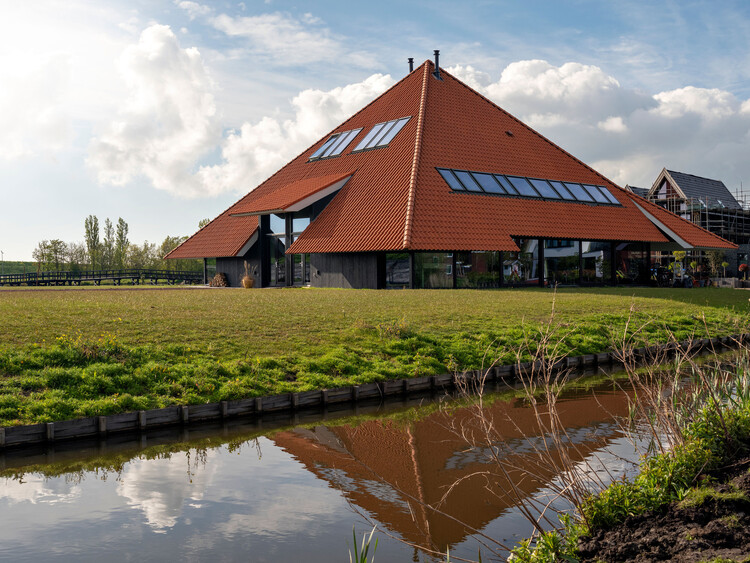
Rethinking the Flat Datum: Designing Space with Incline and Intent

Subscriber Access | 

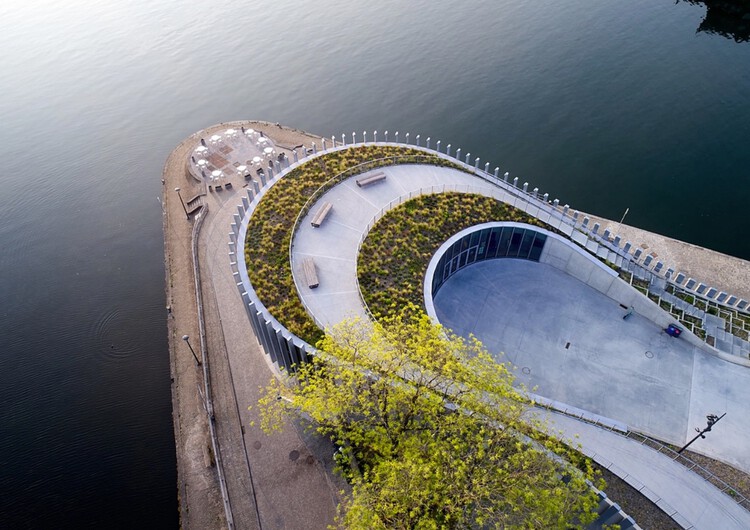
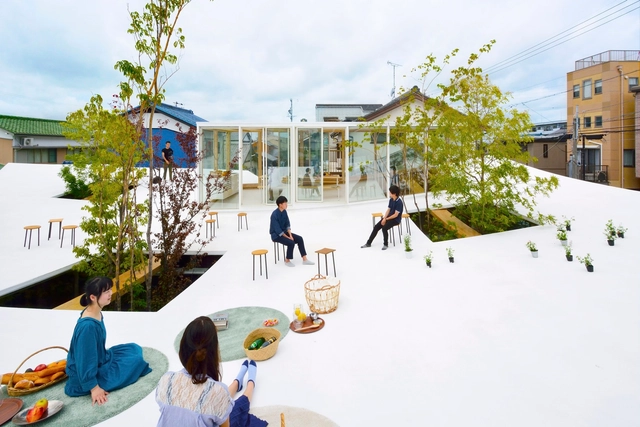
Historically, architecture and the built environment have insisted on creating flat, hard surfaces. In earlier eras, walking without paved ground meant mud-caked shoes, uneven footing, tripping hazards, standing water after rain, and high maintenance. Hence, as we shaped cities, we prioritized a smooth, continuous, solid horizontal datum. The benefits are real: easier walking, simpler cleaning, and straightforward programming—furniture, equipment, and partitions all prefer a level base. This universal preference for building on flat ground remains the norm and, for many practical reasons, will likely continue to be.

What's less recognized is that making a truly flat surface is surprisingly difficult—and many well-executed "flat" floors aren't perfectly flat at all. They are often gently sloped, calibrated to precise gradients for drainage. While interior spaces do not always require this, many ground floors and wet areas do incorporate subtle inclines as a safeguard—whether for minor flooding or to manage water that overflows from the street or plumbing when one of the discharge systems is malfunctioning.

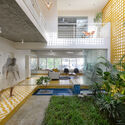
Rethinking the Flat Datum: Designing Space with Incline and Intent - Image 1 of 4Rethinking the Flat Datum: Designing Space with Incline and Intent - Image 2 of 4Rethinking the Flat Datum: Designing Space with Incline and Intent - Image 3 of 4Rethinking the Flat Datum: Designing Space with Incline and Intent - Image 4 of 4Rethinking the Flat Datum: Designing Space with Incline and Intent - More Images+ 49

BIG Reveals “The Sail” Congress Center on the Seine Riverfront in France

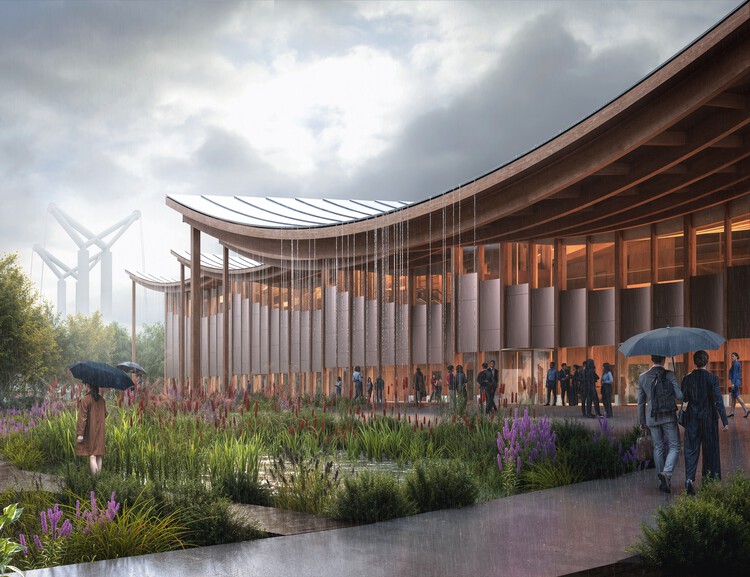
Bjarke Ingels Group (BIG) has unveiled the design for a new congress center in Rouen, France, featuring a distinctive sweeping timber roof that reflects the city's long-standing relationship with the water. Located along the Seine riverfront, the building, nicknamed "The Sail," is envisioned as a public gathering place that reconnects the city with its waterfront while offering new cultural and civic amenities. Designed for the Rouen Normandy Metropolis, the project combines contemporary architectural expression with references to Rouen's maritime and urban heritage.

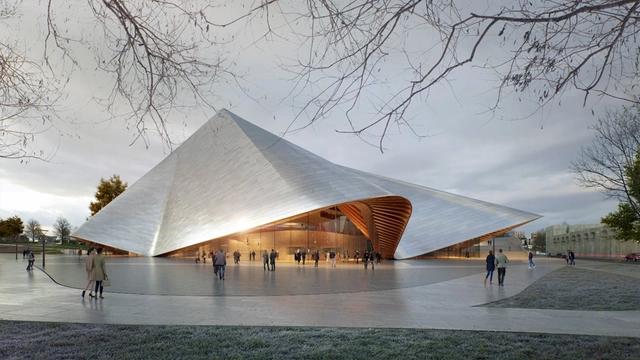
BIG Reveals “The Sail” Congress Center on the Seine Riverfront in France - Image 1 of 4BIG Reveals “The Sail” Congress Center on the Seine Riverfront in France - Featured ImageBIG Reveals “The Sail” Congress Center on the Seine Riverfront in France - Image 2 of 4BIG Reveals “The Sail” Congress Center on the Seine Riverfront in France - Image 3 of 4BIG Reveals “The Sail” Congress Center on the Seine Riverfront in France - More Images+ 12

The Ukrainian Pavilion at the Venice Biennale Presents a Parallel Between Vernacular and Emergency Architecture

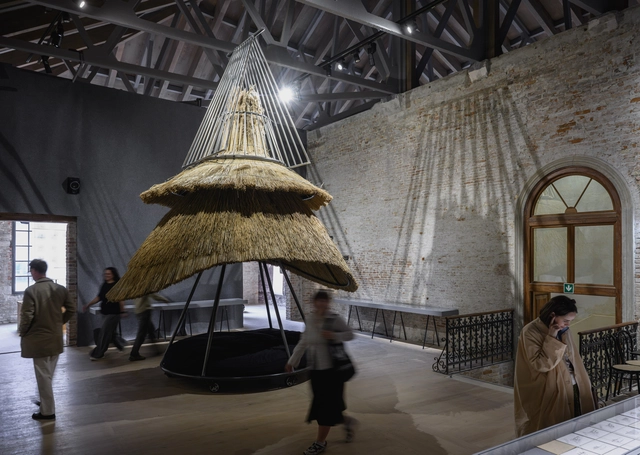
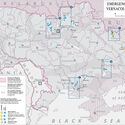
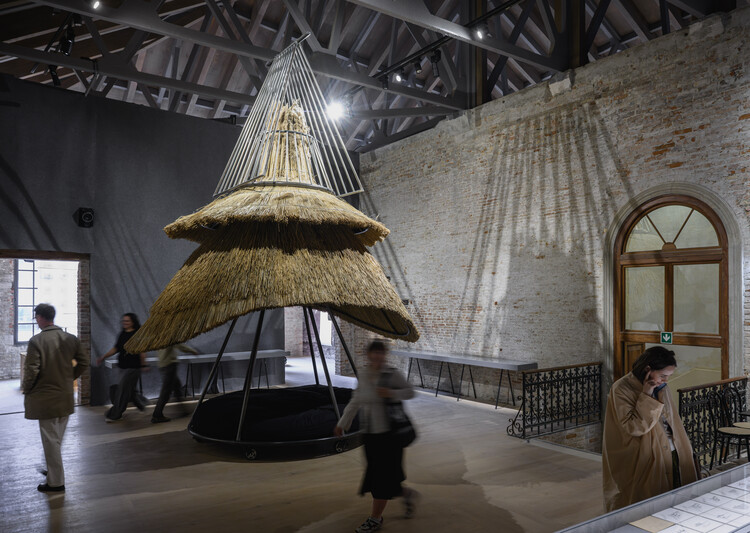
The Ukrainian pavilion at the 19th International Architecture Exhibition – La Biennale di Venezia explores the intersection of traditional building methods and improvised construction during wartime crises. Under the title "DAKH (ДАХ): Vernacular Hardcore", the exhibition refers to the concept of the roof ("dakh" in Ukrainian) as a primary shelter in architecture, examining the roofs of an "architecture without architects" both in the country's constructive tradition and in the contemporary reality of aerial vigilance over its national territory. Curated by Bögdana Kosmina, Michał Murawski, and Kateryna Rusetska, the Ukrainian display consists of a six-element exhibition at the Arsenale's Sale d'Armi and an accompanying nomadic program titled Planetary Hardcore.

The Ukrainian Pavilion at the Venice Biennale Presents a Parallel Between Vernacular and Emergency Architecture - Image 1 of 4The Ukrainian Pavilion at the Venice Biennale Presents a Parallel Between Vernacular and Emergency Architecture - Image 2 of 4The Ukrainian Pavilion at the Venice Biennale Presents a Parallel Between Vernacular and Emergency Architecture - Image 3 of 4The Ukrainian Pavilion at the Venice Biennale Presents a Parallel Between Vernacular and Emergency Architecture - Image 4 of 4The Ukrainian Pavilion at the Venice Biennale Presents a Parallel Between Vernacular and Emergency Architecture - More Images+ 29

Extending Roofs from Brazil to India: Parallel Residential Design Elements as Seen in 10 Projects

Subscriber Access | 

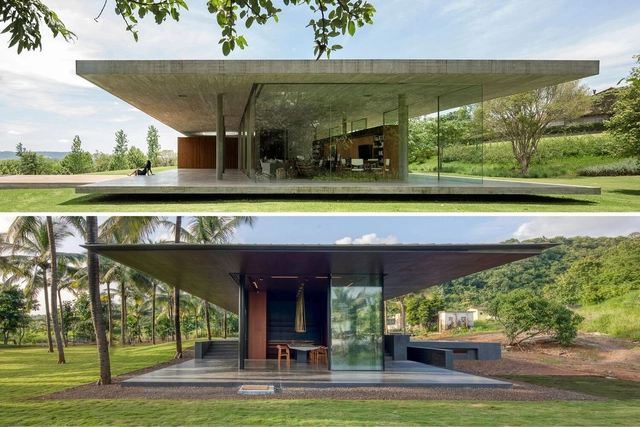
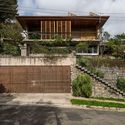
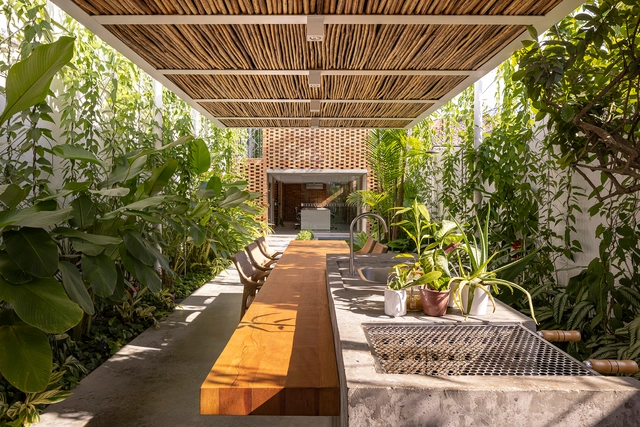
It shouldn't be too surprising that architectural concepts were traveling around the globe long before the online spread of information. While many regions share certain historical events and hence references (such as colonization and the mid-20th-century independence movement/ turn of political systems), others might have simply developed parallel solutions to similar climates and material availability. Additionally, it was only natural that with the dissemination of a more uniform architectural pedagogy acquired while studying abroad, followed by the internet boom, we would find almost twin projects from every corner of the world. While these might look nearly identical from some angles, they might bear different layers and stories. Then again, they might also display the same reasoning and prompts shared by counterparts from across the seas.

Extending Roofs from Brazil to India: Parallel Residential Design Elements as Seen in 10 Projects - Image 1 of 4Extending Roofs from Brazil to India: Parallel Residential Design Elements as Seen in 10 Projects - Image 2 of 4Extending Roofs from Brazil to India: Parallel Residential Design Elements as Seen in 10 Projects - Image 3 of 4Extending Roofs from Brazil to India: Parallel Residential Design Elements as Seen in 10 Projects - Image 4 of 4Extending Roofs from Brazil to India: Parallel Residential Design Elements as Seen in 10 Projects - More Images+ 6

Designing with Humidity: How Architecture Adapts to the World’s Dampest Climates

Humid environments present some of the most complex challenges in architectural design. From the tropical monsoon season of Southeast Asia to the equatorial heat of Central Africa, these environments demand solutions that account for intense moisture, high temperatures, and the constant battle against mold, decay, and stagnation. Yet, for centuries, communities in these regions have developed architectural techniques that do not fight against humidity but instead work with it, leveraging local materials, climate-responsive design, and passive cooling techniques to create sustainable and livable spaces. By considering atmosphere as a sensory and climatic phenomenon, architects will craft spaces that are not only evocative but also responsive, adaptive, and sustainable.

Designing with Humidity: How Architecture Adapts to the World’s Dampest Climates - Image 1 of 4Designing with Humidity: How Architecture Adapts to the World’s Dampest Climates - Image 4 of 4Designing with Humidity: How Architecture Adapts to the World’s Dampest Climates - Image 5 of 4Designing with Humidity: How Architecture Adapts to the World’s Dampest Climates - Image 7 of 4Designing with Humidity: How Architecture Adapts to the World’s Dampest Climates - More Images+ 13

BIG Unveils Design for Kosovo’s First Opera House with Undulating Photovoltaic Roof

Bjarke Ingels Group (BIG), in collaboration with ALB-Architect, has unveiled the design for the Opera & Ballet Theatre of Kosovo, a new cultural venue set to reshape Prishtina's performing arts landscape. As the first opera house in the Republic of Kosovo, the theatre will serve as a home for the country's Philharmonic, Ballet, and Opera, marking a significant step in the development of Kosovo's artistic institutions. The project includes multiple performance halls and a public plaza, reinforcing its role as a cultural hub within the capital.

BIG Unveils Design for Kosovo’s First Opera House with Undulating Photovoltaic Roof - Image 1 of 4BIG Unveils Design for Kosovo’s First Opera House with Undulating Photovoltaic Roof - Image 2 of 4BIG Unveils Design for Kosovo’s First Opera House with Undulating Photovoltaic Roof - Image 3 of 4BIG Unveils Design for Kosovo’s First Opera House with Undulating Photovoltaic Roof - Image 4 of 4BIG Unveils Design for Kosovo’s First Opera House with Undulating Photovoltaic Roof - More Images+ 4

Creating Winter Retreats: Snow Resorts and Vacation Home Typologies

Subscriber Access | 

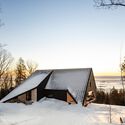
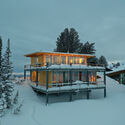
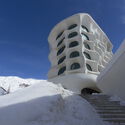
As we move past Thanksgiving and step into December, the festive season is fast approaching. This time of year brings celebrations, holidays, and travel plans into full swing. Particularly in the Northern Hemisphere, there is a strong association between end-of-year festivities and cold, snowy weather.

Among the many traditions that celebrate the season, one of the most logistically and architecturally challenging is arranging for the giant Christmas tree for Rockefeller Center in New York City. This spectacle of moving a 70+ foot, 10+ ton tree into one of the busiest city centers in the world continues to capture the holiday spirit annually.

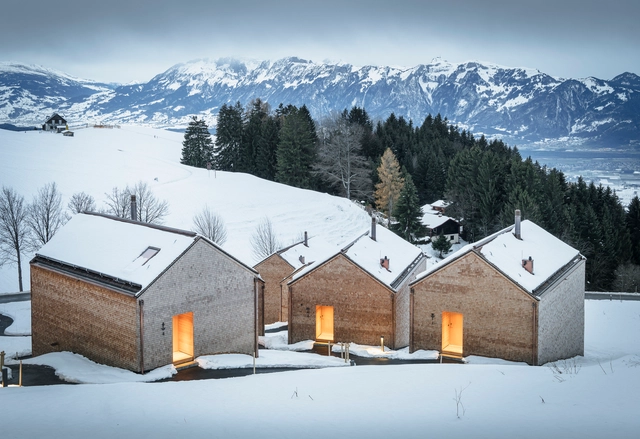
Creating Winter Retreats: Snow Resorts and Vacation Home Typologies - Image 1 of 4Creating Winter Retreats: Snow Resorts and Vacation Home Typologies - Image 2 of 4Creating Winter Retreats: Snow Resorts and Vacation Home Typologies - Image 3 of 4Creating Winter Retreats: Snow Resorts and Vacation Home Typologies - Image 4 of 4Creating Winter Retreats: Snow Resorts and Vacation Home Typologies - More Images+ 26

Roofs of Trade: A Look at 12 Public Market Architectures

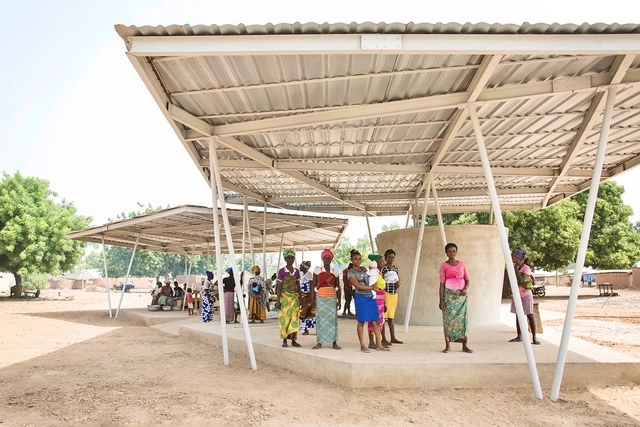
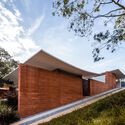
Public Markets are complex cases that beautifully combine an engineering exploration with the instigation of a beneficial public function. In fact, it doesn't take much to designate an open and accessible commercial hub that would encourage commercial exchange and economic development for small or local businesses. All one needs is a lot and a sheltering roof. However, many designers and architects have chosen to take this exercise beyond the social level and into further material and technical exploration. 
Roofs of Trade: A Look at 12 Public Market Architectures - Image 1 of 4Roofs of Trade: A Look at 12 Public Market Architectures - Image 2 of 4Roofs of Trade: A Look at 12 Public Market Architectures - Image 3 of 4Roofs of Trade: A Look at 12 Public Market Architectures - Image 4 of 4Roofs of Trade: A Look at 12 Public Market Architectures - More Images+ 37

15 Landscaped Offices With Garden Space For Free-Range Employees to Roam

Subscriber Access | 

Representing 32% of the global population, Generation Z (those born between 1995 – 2010) accounts for a healthy chunk of the workforce (27% by 2025 and rising every year). These are the fresh young minds employers are fighting to attract. With prospective employers’ impact on society (93%) and a healthy work/life balance (77%) the two biggest motivators in deciding where Gen Z’ers want to work, a large part of any new office building’s design brief is green space.

While hybrid working and flexible hours represent the most obvious ways to improve work/life balance for many, because of the missed social interactions and the lack of space or functionality at unproductive home workspaces, the majority of 16-24-year-olds are the only age group who prefer to work from the office.

15 Landscaped Offices With Garden Space For Free-Range Employees to Roam - Image 1 of 415 Landscaped Offices With Garden Space For Free-Range Employees to Roam - Image 2 of 415 Landscaped Offices With Garden Space For Free-Range Employees to Roam - Image 3 of 415 Landscaped Offices With Garden Space For Free-Range Employees to Roam - Image 4 of 415 Landscaped Offices With Garden Space For Free-Range Employees to Roam - More Images+ 18

How to Improve Internal and External Environments with Glass Ceilings

As a highly transparent material that stands up to all but the most extreme of weather conditions, is easily formed into any size or shape, and, once formed, will last for thousands of years, glass is still one of the most innovative and crucial materials used in architecture. Although contemporary building practices allow us to form huge, glittering skyscrapers of glass that rise hundreds of meters into the air, the ancient material’s original purpose – to welcome light into weathertight and secure interiors – remains its most important more than a thousand years on.

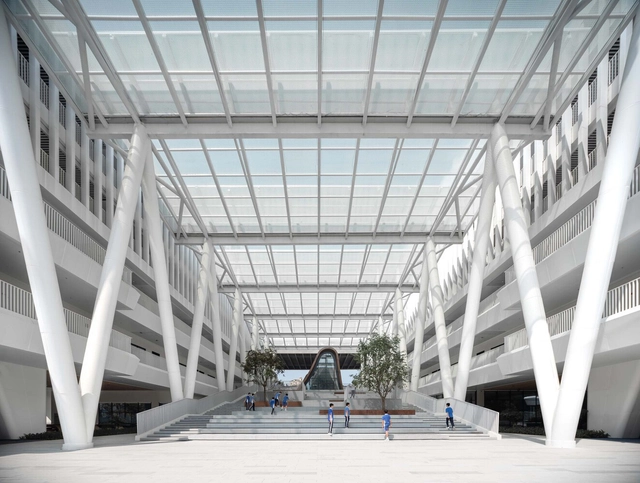
As important as glass is to almost every typology of architecture in the form of windows, when it comes to the roof of a building, the use of glass is not so simple. We’ve understood the power and danger of combining light and glass ever since we saw a magnifying glass used to concentrate the heat of sunlight into incredibly high temperatures in children’s cartoons. Under a glass roof, the solar gain can make for uncomfortable internal environments without the correct protective precautions.

How to Improve Internal and External Environments with Glass Ceilings - Image 1 of 4How to Improve Internal and External Environments with Glass Ceilings - Image 2 of 4How to Improve Internal and External Environments with Glass Ceilings - Image 3 of 4How to Improve Internal and External Environments with Glass Ceilings - Image 4 of 4How to Improve Internal and External Environments with Glass Ceilings - More Images+ 10

Pushing Boundaries: 11 Exteriors That Use Fabric For Protection, Shape, and Longevity

Architecture – once it moved out from under its cavernous beginnings – started off largely nomadic. For a long time, the shade of trees and moveable tents made from animal skin were utilized instead of more permanent dwellings to meet nomadic lifestyles and basic survival needs. These early portable structures were primarily supported by wooden frames and were used by various ancient civilizations, including the Bedouins in the Arabian Peninsula and the Native American tribes in North America. The advent of woven cloth some 40,000 years ago made the dwellings even lighter and easier to transport, a boon to nomadic cultures around the globe.

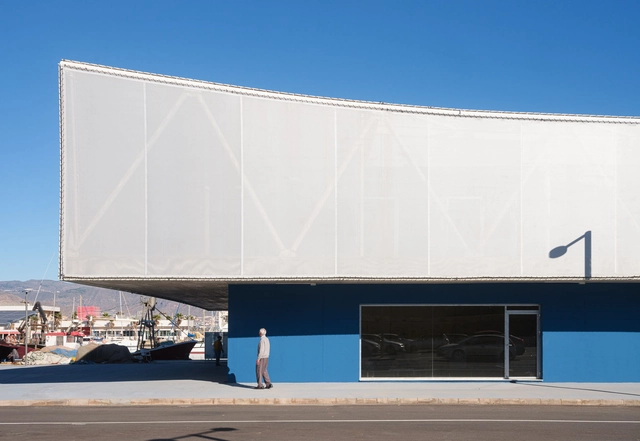
Though tents have remained popular since then in recreational contexts and as a staple of the architectural form, contemporary architecture has rediscovered the principle of draping fabric and taken its development further – not just for temporary structures, but for permanent buildings and installations, too. Advanced and durable materials have turned fabric into a facade and roof alternative that has sparked a highly specialized sector within the construction industry and created some of the most intriguing exteriors around the globe.

Pushing Boundaries: 11 Exteriors That Use Fabric For Protection, Shape, and Longevity - Image 1 of 4Pushing Boundaries: 11 Exteriors That Use Fabric For Protection, Shape, and Longevity - Image 2 of 4Pushing Boundaries: 11 Exteriors That Use Fabric For Protection, Shape, and Longevity - Image 3 of 4Pushing Boundaries: 11 Exteriors That Use Fabric For Protection, Shape, and Longevity - Image 4 of 4Pushing Boundaries: 11 Exteriors That Use Fabric For Protection, Shape, and Longevity - More Images+ 12

4 Solutions for Roofs without Eaves (and their Construction Details)

Subscriber Access | 

In his Robie House, Frank Lloyd Wright created an ingenious arrangement of public and private spaces that slowly moving away from the street through a series of horizontal planes. Pronounced eaves made the interior space expand toward the outside. Considered the first phase of the American architect's career, the so-called Prairie Houses had marked horizontality, mainly due to the enormous plans created by slightly inclined eaves. Eaves are ubiquitous in most traditional architecture, and in addition to their aesthetic role, they serve several important functions, the primary one being to keep rainwater away from the building's walls and structure. But for some time now, we have seen plenty of projects with sloping roofs without eaves, forming pure and unornamented volumes. This brings us to the question: in these projects, how are practical issues such as draining rainwater?

Pitched or Flat? Different Types of Roofs for Houses

Subscriber Access | 

In addition to their primary function, roofs are one of the most fundamental elements in the aesthetics of a building, taking different shapes, being composed of different structures and sealed by different materials. But, in addition to aesthetics, roofs need to meet the climatic conditions of where they are located, considering the periodic changes related to rain, sun and winds.

Pitched or Flat? Different Types of Roofs for Houses - Image 1 of 4Pitched or Flat? Different Types of Roofs for Houses - Image 2 of 4Pitched or Flat? Different Types of Roofs for Houses - Image 3 of 4Pitched or Flat? Different Types of Roofs for Houses - Image 4 of 4Pitched or Flat? Different Types of Roofs for Houses - More Images+ 6

The Corrugated Iron Roof: Avant-Garde or Unaesthetic?

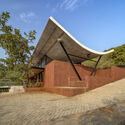
It’s an essential architectural element, one we tend to immediately take note of when we look at buildings new to us – the roof. The roofs that shelter the buildings we see in our cities today are diverse in their typology. Flat roofs are a common sight in the city centers of urban metropolises, hip roofs are a popular choice for dwellings around the world, and the gable roof is arguably the most common of all, a roof type popular in stylized depictions of what a standard house looks like.
The Corrugated Iron Roof: Avant-Garde or Unaesthetic? - Image 5 of 4The Corrugated Iron Roof: Avant-Garde or Unaesthetic? - Image 1 of 4The Corrugated Iron Roof: Avant-Garde or Unaesthetic? - Image 2 of 4The Corrugated Iron Roof: Avant-Garde or Unaesthetic? - Image 3 of 4The Corrugated Iron Roof: Avant-Garde or Unaesthetic? - More Images+ 5

Why Do Architects Insist on Using Flat Roofs?

Subscriber Access | 

It is a commonly held belief by non-architects (and even some architects) that gabled roofs are inherently better than flat ones. The argument typically goes that a gable demonstrates a ‘form follows function’ sensibility, easily shedding water and snow using geometry and gravity. So, flat roofs might leak. While that’s true, this video blows the roof off the topic by taking a finer look at some points that might change your mind. This includes Louis Sullivan’s original reason for writing the phrase “form ever follows function,” as well as the ability of flat roofs to offer outdoor public spaces, supporting green roofs, structural simplicity, wind considerations, among many others. There’s also another, competing functional/formal reason for why a low slope roof might be more prudent than a more aggressive slope, even in snowy areas like Chicago.

Notre Dame Update: Restoration Work Advances and US Students Rebuild One of Its Roof Trusses Using Medieval Techniques

With three more years to go until the 2024 Paris Summer Olympics and the re-opening date announced by French President Emanuel Macron, Notre Dame's restoration work progresses. After a long safety phase and months of work interruption last year due to the pandemic, all burned timber from the roof has been removed, and scaffolding has been installed inside the cathedral. As a homage to the heritage structure and "the collective effort to rebuild Notre Dame", the Catholic University of America is building a replica of one of the cathedral's roof trusses in Washington D.C., using medieval techniques.

Notre Dame Update: Restoration Work Advances and US Students Rebuild One of Its Roof Trusses Using Medieval Techniques - Image 1 of 4Notre Dame Update: Restoration Work Advances and US Students Rebuild One of Its Roof Trusses Using Medieval Techniques - Image 2 of 4Notre Dame Update: Restoration Work Advances and US Students Rebuild One of Its Roof Trusses Using Medieval Techniques - Image 3 of 4Notre Dame Update: Restoration Work Advances and US Students Rebuild One of Its Roof Trusses Using Medieval Techniques - Image 4 of 4Notre Dame Update: Restoration Work Advances and US Students Rebuild One of Its Roof Trusses Using Medieval Techniques - More Images

Roof Folding House / MDA Architecture

Roof Folding House / MDA Architecture - Interior Photography, Houses, Facade, Handrail, ArchRoof Folding House / MDA Architecture - Interior Photography, Houses, Kitchen, Stairs, Facade, Table, ChairRoof Folding House / MDA Architecture - Interior Photography, Houses, Facade, LightingRoof Folding House / MDA Architecture - Exterior Photography, HousesRoof Folding House / MDA Architecture - More Images+ 14

  • Architects: MDA Architecture
  • Area Area of this architecture project Area:  460
  • Year Completion year of this architecture project Year:  2020
  • Manufacturers Brands with products used in this architecture project
    Manufacturers:  AutoDesk, Adobe Systems Incorporated, An Cuong Wood, Dulux, Trimble Navigation, +3

Gabled Roofs Experience a Revival Across North America

Subscriber Access | 
Gabled Roofs Experience a Revival Across North America - Featured Image
Nova Scotia–based MacKay-Lyons Sweetapple Architects has built several steel-clad gabled houses like the East Dover House, shown here, because the material blends in with cliffside landscapes, rusts to fit geology, and needs zero maintenance.. Image Courtesy of James Brittain Photography

In this week's piece by Metropolis, author Kelly Beamon explores in her original article "the patriotism associated with pitched roofs and shares how architects are reimagining this staple of suburban house styles". According to its definition, a gable roof is a classic roof shape, usually in cold or temperate climates, consisting of two roof sections sloping in opposite directions and placed such that the highest, horizontal edges meet to form the roof ridge. Emblematic of the US, this article discusses its return to the urban fabric.