1. ArchDaily
  2. tents

tents: The Latest Architecture and News

Land of Wells: Designing for Saharan Nomads

Subscriber Access | 

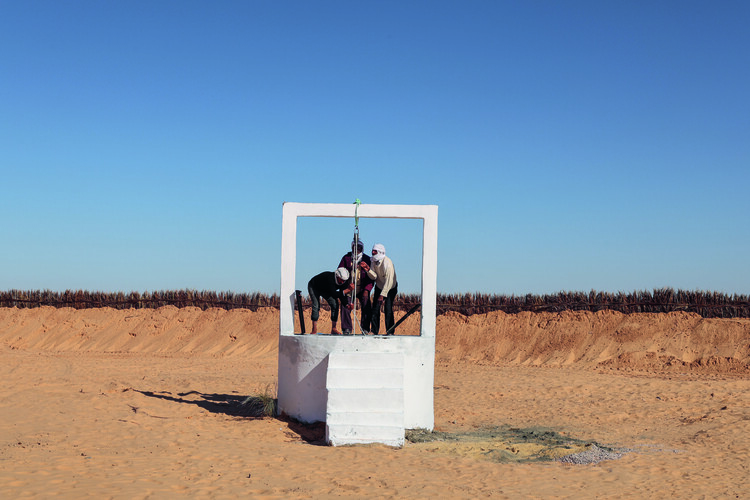
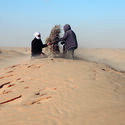
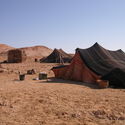
In some languages, the very word for building refers to its immovability. The discipline of engineering related to buildings is referred to as statics. Thus, architecture is closely related to the fixed and the immobile. And yet, for millions of nomadic people around the world, shelters must be of a light and distinctly movable structure, while home is the vast landscape in which they reside. Such lifestyles, which carry centuries of traditions, are constantly under threat from the pull factors of sedentary life in towns and cities. In Tunisia, one project acknowledges the risk of heritage loss and attempts to improve conditions for nomadic herders.
Land of Wells: Designing for Saharan Nomads - Image 1 of 4Land of Wells: Designing for Saharan Nomads - Image 2 of 4Land of Wells: Designing for Saharan Nomads - Image 3 of 4Land of Wells: Designing for Saharan Nomads - Image 4 of 4Land of Wells: Designing for Saharan Nomads - More Images+ 2

Pushing Boundaries: 11 Exteriors That Use Fabric For Protection, Shape, and Longevity

Architecture – once it moved out from under its cavernous beginnings – started off largely nomadic. For a long time, the shade of trees and moveable tents made from animal skin were utilized instead of more permanent dwellings to meet nomadic lifestyles and basic survival needs. These early portable structures were primarily supported by wooden frames and were used by various ancient civilizations, including the Bedouins in the Arabian Peninsula and the Native American tribes in North America. The advent of woven cloth some 40,000 years ago made the dwellings even lighter and easier to transport, a boon to nomadic cultures around the globe.

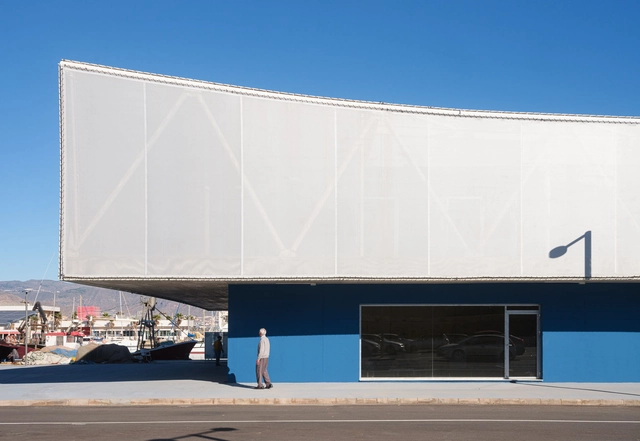
Though tents have remained popular since then in recreational contexts and as a staple of the architectural form, contemporary architecture has rediscovered the principle of draping fabric and taken its development further – not just for temporary structures, but for permanent buildings and installations, too. Advanced and durable materials have turned fabric into a facade and roof alternative that has sparked a highly specialized sector within the construction industry and created some of the most intriguing exteriors around the globe.

Pushing Boundaries: 11 Exteriors That Use Fabric For Protection, Shape, and Longevity - Image 1 of 4Pushing Boundaries: 11 Exteriors That Use Fabric For Protection, Shape, and Longevity - Image 2 of 4Pushing Boundaries: 11 Exteriors That Use Fabric For Protection, Shape, and Longevity - Image 3 of 4Pushing Boundaries: 11 Exteriors That Use Fabric For Protection, Shape, and Longevity - Image 4 of 4Pushing Boundaries: 11 Exteriors That Use Fabric For Protection, Shape, and Longevity - More Images+ 12

Architectural Interventions in the Desert: Natural Escapes, Minimal Intervention and Reclusive Luxury

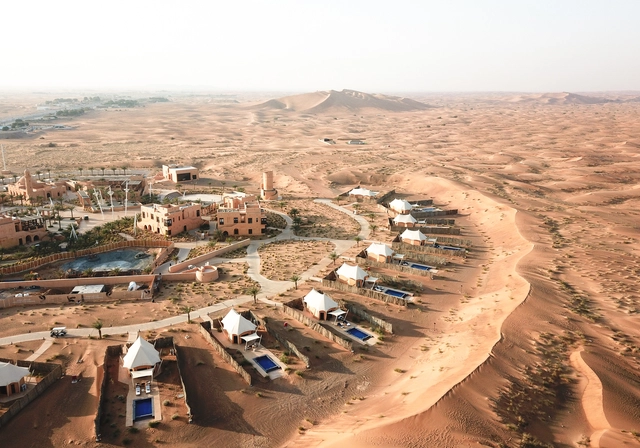
Set deep within some of the most isolated desert landscapes across the Middle East and further afield, these desert camp hotels offer a way to connect with their surroundings through the solitary experience of open and expansive scenery.

By disregarding the kind of structural interventions that might alter their historic and often culturally relevant landscapes, the projects position traditional and local skills, materials, and architectural techniques alongside high-end luxury interiors.

Architectural Interventions in the Desert: Natural Escapes, Minimal Intervention and Reclusive Luxury - Image 1 of 4Architectural Interventions in the Desert: Natural Escapes, Minimal Intervention and Reclusive Luxury - Image 2 of 4Architectural Interventions in the Desert: Natural Escapes, Minimal Intervention and Reclusive Luxury - Image 3 of 4Architectural Interventions in the Desert: Natural Escapes, Minimal Intervention and Reclusive Luxury - Image 4 of 4Architectural Interventions in the Desert: Natural Escapes, Minimal Intervention and Reclusive Luxury - More Images+ 8

Refugee Camps: From Temporary Settlements to Permanent Dwellings

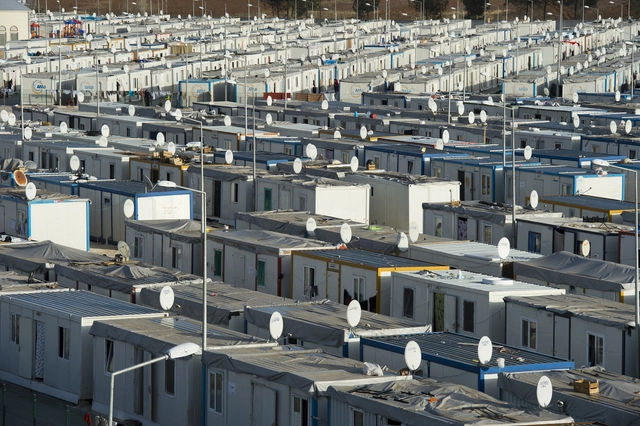
With more than 70 million forcibly displaced people worldwide, according to the UNHCR, and nearly 25.9 million refugees, the time has come to reconsider the traditional emergency camp approach. Although the concept is temporary by definition, in real life the lifespan of these refugee camps exceeds the planned and the expected.

Ranging from seven to seventeen years, most of these settlements surpass their expiry dates. Actually, on average, according to the United Nations High Commissioner for Refugees (UNHCR) in Kenya, "many displaced persons spend more than 16 years living as refugees in temporary shelter."

Refugee Camps: From Temporary Settlements to Permanent Dwellings - Image 1 of 4Refugee Camps: From Temporary Settlements to Permanent Dwellings - Image 2 of 4Refugee Camps: From Temporary Settlements to Permanent Dwellings - Image 3 of 4Refugee Camps: From Temporary Settlements to Permanent Dwellings - Image 4 of 4Refugee Camps: From Temporary Settlements to Permanent Dwellings - More Images+ 5

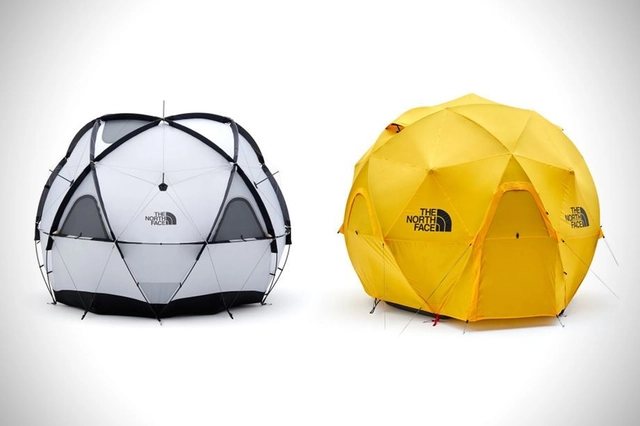
North Face Releases a Geodesic Dome Tent Capable of Withstanding the Toughest Weather

Reinterpreting the teachings of Buckminster Fuller, North Face have announced the latest tent in their collection; a geodesic dome tent. Thanks to the most spatially efficient shape in architecture, it can withstand winds of up to 60 mph as the force is spread evenly across the structure whilst even providing enough height for a six-foot person to stand comfortably inside.

The extremely efficient design has allowed the tent to weigh not much more than 11kg and comprise of 5 main poles and the equator for fast and easy assembly and storage. The outdoor gear company has also considered a water-resistant dual-layered exterior skin for their incredibly strong and sturdy tent to endure whatever mother nature has to throw at it.

A-KAMP47 / Stephane Malka

A-KAMP47 / Stephane Malka - Image 4 of 4
Courtesy of Lauren Garbit, via Metropolis Magazine

In an industrial section of Marseille, tents climb up a factory wall like a canvas creeper, housing urban campers and the local homeless alike. A-KAMP47, Stephane Malka's newest installation, subtly critiques the French state's promise for universal housing as well as makes an architectural commentary - Malka cites Le Corbusier's Unite D'Habitation as inspiration. Metropolis Magazine's Samuel Medina takes an in-depth look at the project in "Hiding in Plain Sight."