Humanity is facing a collective new challenge unprecedented in our lifetime. One of isolation, driven by self-quarantine, for a period unknown. It is a social experiment with no predictable outcome. But one constant in the equation is architecture.
With over half the world’s population inhabiting cities or densely populated areas, billions of people are currently residing in small spaces, disconnected from one another by brick, concrete and steel. The social housing experiment of the 1950s and 60s created a new architectural typology, which was compounded by an underlying social construct, driven by capitalism, that told us to mind our own business. Somehow, during the age of high rises that followed, turned this idea of isolation into a status symbol, as private penthouses, accessed by private elevators, today float high above the city streets.
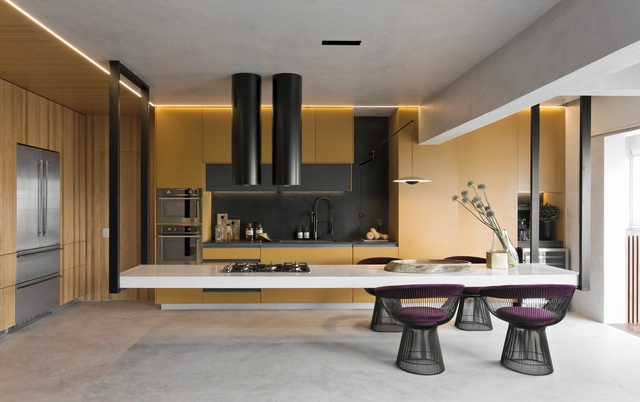
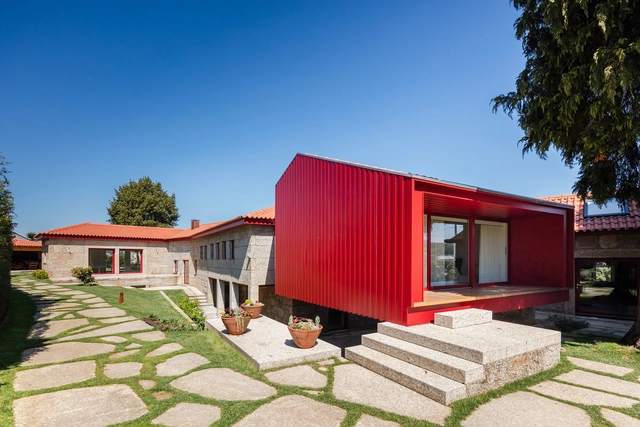
When designing residential spaces, be it a new construction or a renovation, the kitchen is a space that tends to be one of the most complex. Not only does it need to serve a very specific function, but it also needs several pieces of furniture, household appliances, and the ability to adapt to electrical and plumbing considerations. Kitchens often also serve as an hub for social interactions and family gatherings, so it is critical that the space can provide a degree of flexibility.
Design and the City is a podcast by reSITE, raising questions and proposing solutions for the city of the future. In the seventh episode, Christopher Cabaldon, the longest-serving mayor in West Sacramento’s history, an LGBTQ+advocate, talks about the urban regeneration of his city, from a former industrial town to an urbanized, livable community.
Focusing on competition entries, this week’s curated selection of the best-unbuilt architecture from our readers' submissions, highlights projects from across the globe, presented part of international contests. Some are winners, some are not but all of the featured schemes have an intriguing conceptual approach, and a different story to tell.
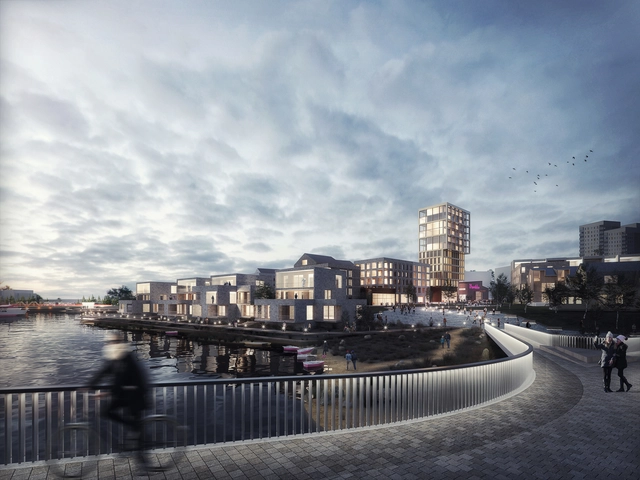
Tackling diverse programming, the entries include an urban public housing proposal in South Korea, the Dianju Village Library in China and a new Future-Oriented Neighborhood in Finland combining urban and sustainable living. Moreover, the article showcases rare and unconventional functions like a hospital for psychiatry & neurological diseases in Turkey and an intervention on a famed Oscar Niemeyer site.
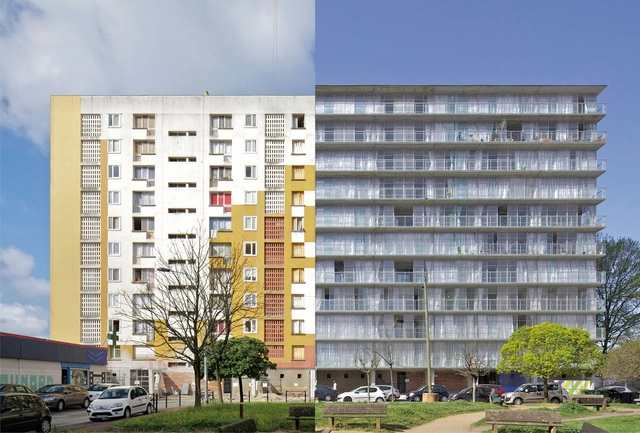
Last year’s granting of the Mies van der Rohe Award to a social housing refurbishment project brought into the spotlight a topic of interest for many European cities: the moral and physical rehabilitation of post-war housing blocks.
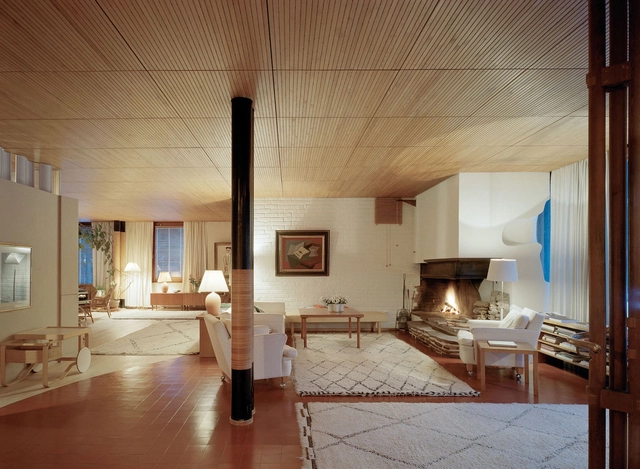
The 20th century in the design world was a period of new ideology on building form, material explorations, and ultimately, the emergence of the modern architecture movement as we define it in the present day. The expression and experimentation of architects in this era resulted in interior spaces that are now considered to be “classics”, due to their relevance and their long lasting effects that they have on the architectural discourse.
The Future Homes Project has announced a new residential design competition with a $500,000 prize pool. Organized by the Victorian government, the competition aims to produce better apartment designs that are sustainable and promote livability. The projects should demonstrate how great design can improve the quality of new homes and successfully integrate with existing neighborhoods.
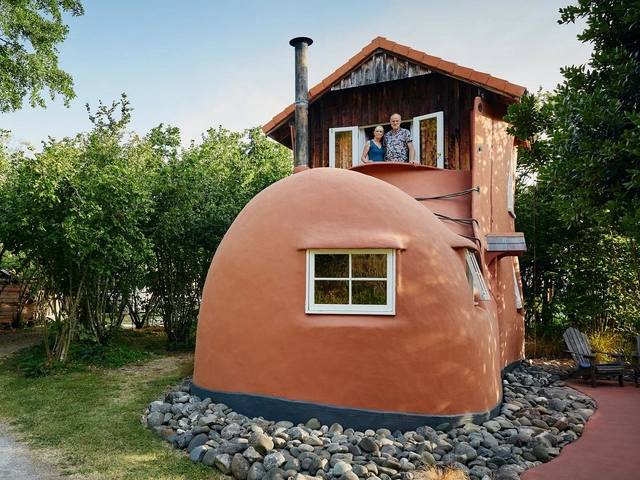
Airbnb has launched a $1 million design fund to finance 10 “unconventional and unusual” homes. Looking for the “wildest home ideas”, the competition-based program is called the Unique Airbnb Fund and will be judged by actor Billy Porter, MVRDV partner Fokke Moerel, and Airbnb Superhost Kristie Wolfe. Each of the finalists will receive a grant to make their eccentric Airbnb design concepts a reality.
SANAA’s recently completed social housing complex in Paris was captured by the Architecture and Photography studio of Vincent Hecht. Part of Paris habitat, France’s largest public utility social housing company, the project comprises four buildings accommodating more than 100 social housing units in total.
The architecture of the Balkans is rooted in its history and geography. While Bulgaria seemingly goes unnoticed in the region’s design circles, the country’s architecture reflects a larger move towards more modern projects. This is especially true in Bulgaria’s residential architecture, where a range of new single family homes have been built in the last decade.
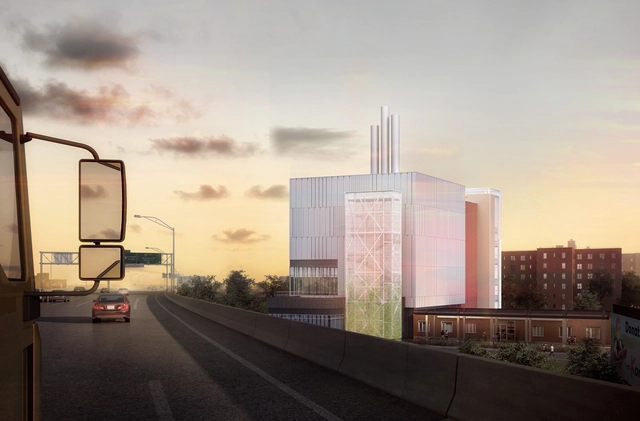
KPF with NYCHA created a resiliency and renewal program for the Red Hook Houses in Brooklyn, severely damaged by Hurricane Sandy. The redevelopment plans aim to reduce the vulnerability of the area and its community.
This week’s curated selection from our readers’ submissions focuses on some of the essential components of our present-day cities.
Featuring the best-unbuilt architecture, the article highlights adaptive reuse projects that transformed abandoned warehouses and factories, a street design in Luxembourg, a regenerative master plan in Seoul, and an emergency family accommodation to temporarily house those in need. Moreover, the roundup distinguishes a library in South Korea and an extension of a museum in Helsinki, because the cultural aspect is an integral part of our urban environment.



JakubCervenka_1_(481_of_589).jpg?1585311385&format=webp&width=640&height=580)


JakubCervenka_1_(481_of_589).jpg?1585311385)
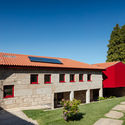


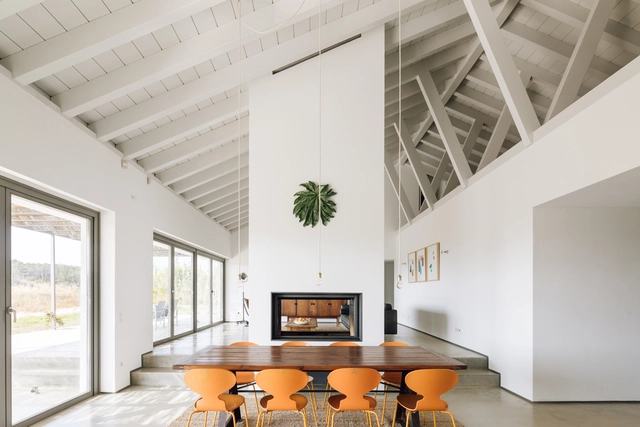
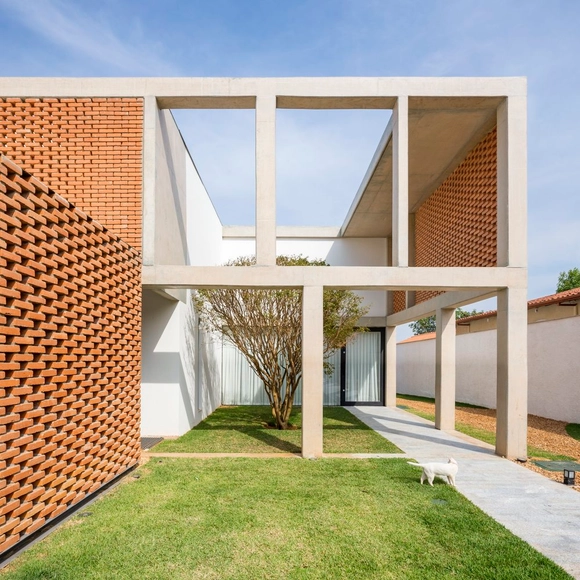
![ARN 01 House / [i]da arquitectos - Interior Photography, Houses, Kitchen, Facade](https://snoopy.archdaily.com/images/archdaily/media/images/5f85/d83e/63c0/1777/3a00/02ec/slideshow/04-DSC08286-1.jpg?1602607138&format=webp&width=640&height=580)
![ARN 01 House / [i]da arquitectos - Interior Photography, Houses, Kitchen, Countertop](https://images.adsttc.com/media/images/5f85/e263/63c0/173b/c600/03c4/thumb_jpg/40-DSC07817-1.jpg?1602609734 "Cortesia de [i]da arquitectos")
![ARN 01 House / [i]da arquitectos - Interior Photography, Houses, Facade, Stairs, Handrail, Lighting](https://images.adsttc.com/media/images/5f85/e1a9/63c0/1777/3a00/0326/thumb_jpg/37-DSC08765-1.jpg?1602609559 "Cortesia de [i]da arquitectos")
![ARN 01 House / [i]da arquitectos - Interior Photography, Houses, Kitchen](https://images.adsttc.com/media/images/5f85/dd1a/63c0/1777/3a00/0306/thumb_jpg/19-DSC07987-1.jpg?1602608377 "Cortesia de [i]da arquitectos")
![ARN 01 House / [i]da arquitectos - Interior Photography, Houses, Facade, Chair](https://images.adsttc.com/media/images/5f85/da4f/63c0/1777/3a00/02fc/thumb_jpg/14-DSC08665-1.jpg?1602607667 "Cortesia de [i]da arquitectos")
![ARN 01 House / [i]da arquitectos - More Images](https://images.adsttc.com/media/images/5f85/d83e/63c0/1777/3a00/02ec/newsletter/04-DSC08286-1.jpg?1602607138)






.jpg?1584528528&format=webp&width=640&height=580)
.jpg?1584528322 "© Vincent Hecht")
.jpg?1584528452 "© Vincent Hecht")
.jpg?1584528126 "© Vincent Hecht")
.jpg?1584528246 "© Vincent Hecht")
.jpg?1584528528)