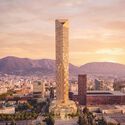
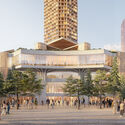
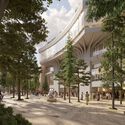
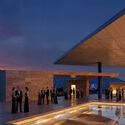
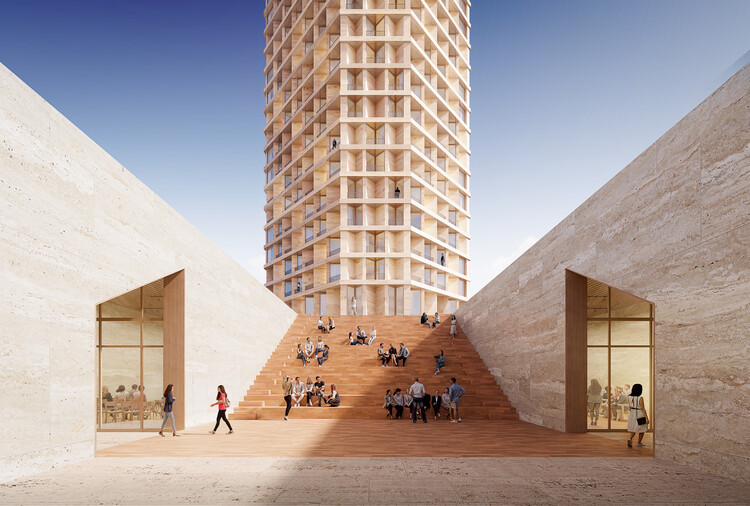
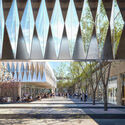
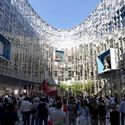
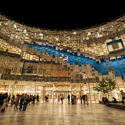
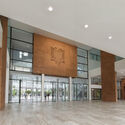
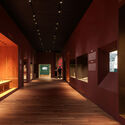
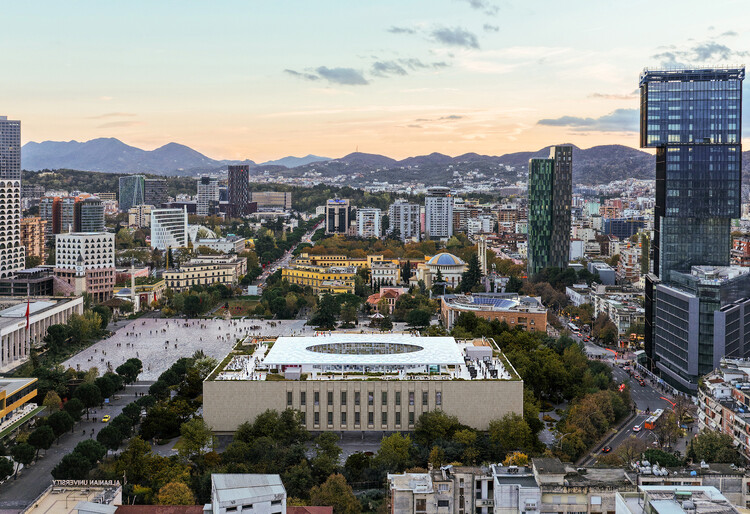
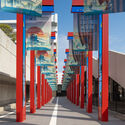
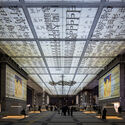
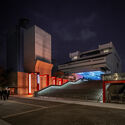
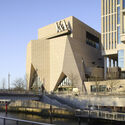
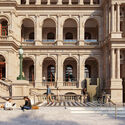
The Palace of Congresses renovation project. Terrace staircase render. Image Courtesy of Herzog & de Meuron
On June 3, 2026, Herzog & de Meuron was selected to revitalize the Palace of Congresses building in Tirana, Albania. The project was designed along with collaborators Julian Beqiri, Marsela Demaj, Michel Desvigne Paysagistes (MDP), ARUP, LDK, Gentian Shkurti, SUEB Industries sh.p.k., The Space Factory Ltd, MBBM, and KLAR sh.p.k. The Palace of Congresses (or Pallati i Kongreseve) was built during the People's Socialist Republic of Albania and opened in 1986 to host the Congresses of the Party of Labour of Albania and other official activities. The International Competition for the Redevelopment of the Palace of Congresses, carried out by the Albanian government, called for a comprehensive transformation of the building while preserving its historical identity. The project should address serious infrastructural issues and bring the Palace to contemporary standards in terms of technology, functionality, and quality of spaces.
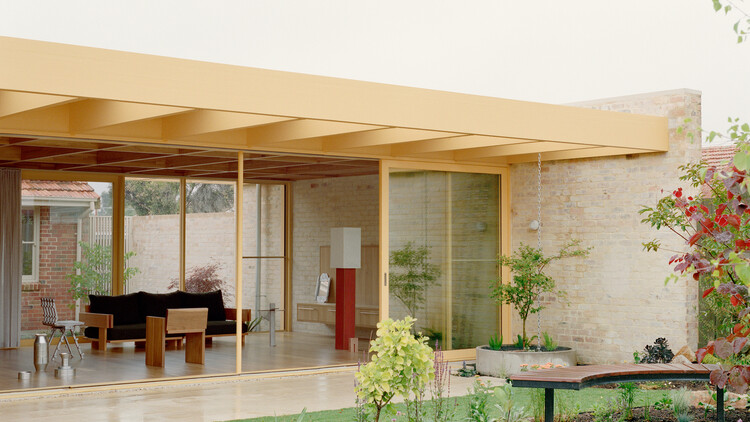
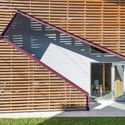
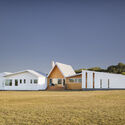
Amid growing recognition of architecture's responsibility toward environmental and planetary ecologies, contemporary practice is increasingly oriented toward working with what already exists—its material, spatial, and historical conditions. Within this shift, architecture and design aesthetics are increasingly about reshaping inherited environments. This approach underpins the work of SSdH, a Melbourne-based architecture practice founded in 2020 by Todd de Hoog, Harrison Smart, and Jean-Marie Spencer. Working across scales of renovation, extension, and adaptive insertion, the studio consistently engages existing buildings as active agents. Winner of the ArchDaily 2025 Next Practices Awards, the Australian firm foregrounds environmental responsibility, material economy, and collaborative processes grounded in site-specific conditions.
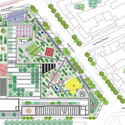
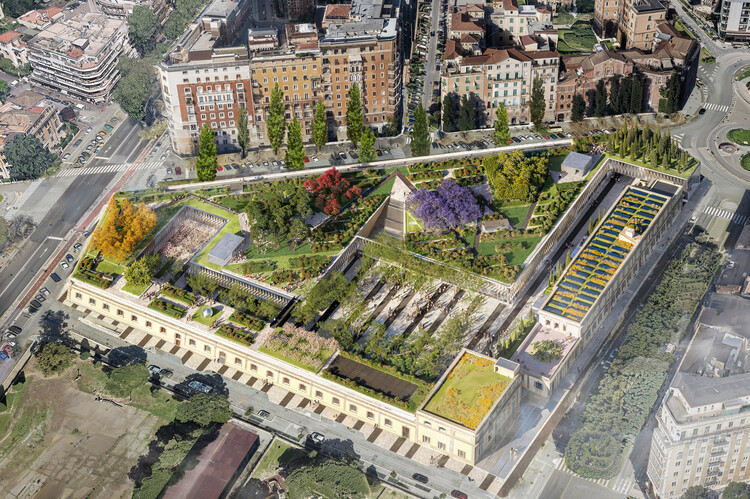
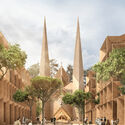
Stefano Boeri Architetti, Depositi Delle Vittorie Render. Image Courtesy of Stefano Boeri Architetti
The Rome City Council has approved a Memorandum for the urban regeneration of the Depositi delle Vittorie in Piazza Bainsizza, a former ATAC depot in Rome dating back to the early 1900s. Abandoned for nearly two decades and now privately owned, the site is set to be transformed into a multifunctional complex designed by Stefano Boeri Architetti. The project envisions the adaptive reuse of the former transportation infrastructure through the introduction of cultural, educational, commercial, co-working, and leisure functions, alongside new public spaces and extensive landscaped areas.
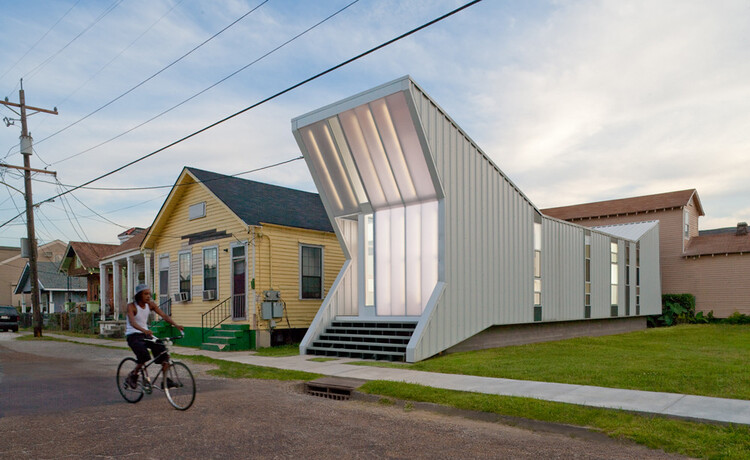
Emerging in port cities and working-class neighborhoods throughout the nineteenth century, the shotgun house became a durable response to density, climate, and constrained urban parcels, becoming one of the defining domestic forms of the Southern United States. Its narrow footprint, sequential plan, and deeply shaded porches produced a spatial logic that was economical and environmentally responsive before either term became central to architectural discourse. From New Orleans and Mobile to Houston and Louisville, shotgun houses formed the physical fabric of neighborhoods shaped by migration, labor, community, and cultural life. Though often dismissed as ordinary, vernacular construction, the housing typology has long embodied sophisticated ideas about climate adaptation, social adjacency, and incremental urban growth, making it one of the most influential domestic forms in the history of the American city.
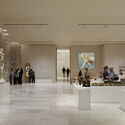
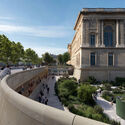
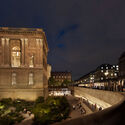
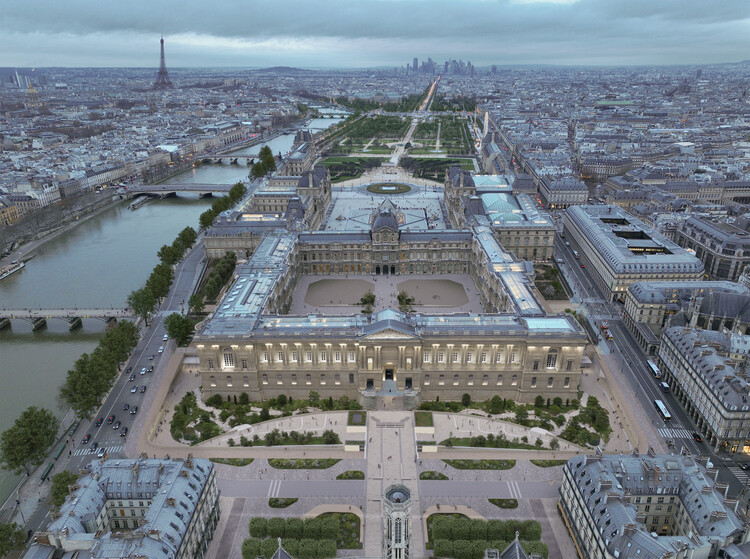
The French Minister of Culture announced on Monday, May 18, 2026, the winner of the "Louvre–Nouvelle Renaissance" competition. The team selected to transform the world-renowned Musée du Louvre is led by STUDIOS Architecture, New York-based Selldorf Architects, and landscape architecture firm BASE Paysagiste. The renovation initiative was announced in January 2025 as a major intervention for the historic complex following concerns expressed by the museum's director regarding its deteriorating condition. The first round of the competition took place in June, with a shortlist of five teams revealed in October. According to French authorities, the project has a dual objective: to repair and transform the building to preserve its collections while updating it to meet contemporary public expectations, including sustainability requirements that will pose significant challenges for the museum in the coming decades.
The initial phase of the complete renovation project for the National Historical Museum in Tirana is approaching completion. The project was commissioned by the Ministry of Economy, Culture, and Innovation of Albania and UNOPS, and financed by the European Commission through the EU for Culture (EU4C) program in Albania. The full restoration of the museum's 21,400 square meters is planned in two phases, led by Rotterdam-based Casanova + Hernandez Architects in collaboration with local partner iRI. The first phase consists of restoring the existing building in Skanderbeg Square and is expected to be completed this year, enabling the immediate start of the second phase, focused on implementing the new design for all interior spaces, the courtyard, and the roof.
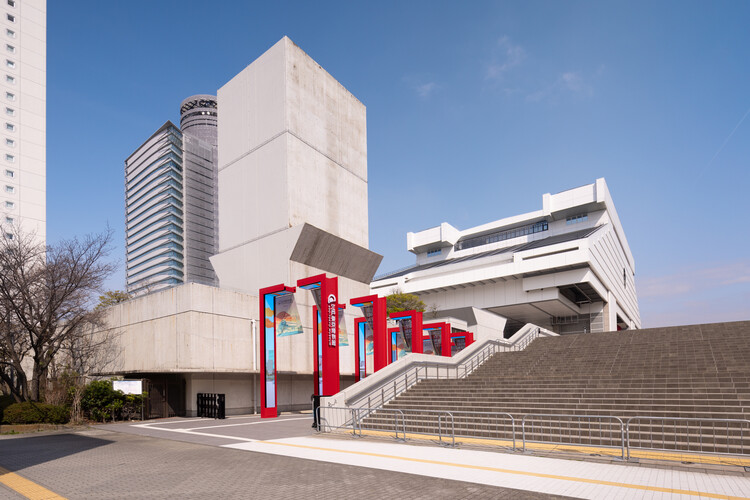
The Edo-Tokyo Museum has reopened to the public following a multi-year renovation, unveiling a series of scenographic interventions and installations designed by OMA under the direction of Shohei Shigematsu. Marking the firm's first public project in Japan, the commission forms part of the broader renewal of the museum's iconic building by Metabolist architectKiyonori Kikutake. Originally opened in 1993 as the first museum dedicated to the history of Tokyo, the institution traces the city's evolution from the Edo period to the present day, and the new interventions aim to strengthen its relationship with contemporary audiences while preserving the identity of Kikutake's architecture.
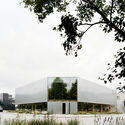
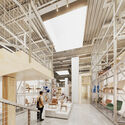
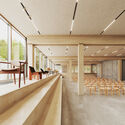
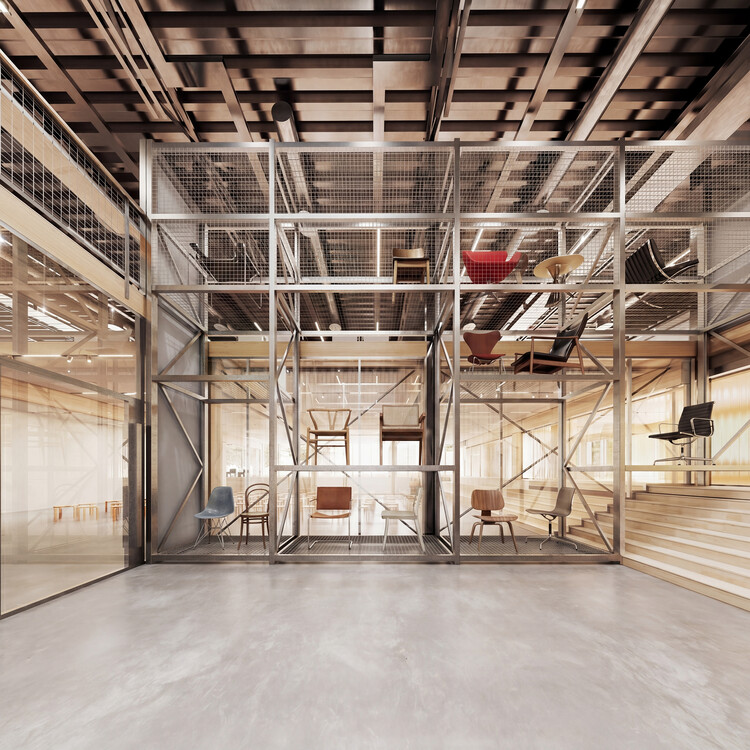
Museum of Furniture Studies project visualizations, 2026. Image Courtesy of COBE
The Museum of Furniture Studies was founded in 2017 in Stockholm, showcasing a collection of more than 1,300 furniture pieces by over 44 international designers. The museum's physical location closed in 2022, maintaining its visibility through its Digital Archive for Design Furniture until it was acquired by IKEA in 2024. This week, Danish architecture studio Cobe announced the transformation of a former IKEA warehouse in Älmhult, Sweden, into a new home for the museum. The project involves converting a closed storage facility into an open and accessible space for design while preserving its industrial structure. The building is scheduled to open in early February 2027.
What happens when you choose reuse over demolition? In Østbirk, Denmark, a 30-year-old timber warehouse has been transformed into a 14,000-square-meter world-class innovation hub for nearly 500 VELUX employees. This article explores how the LKR Innovation House project challenges conventional building practices, preserves material legacy, and offers practical lessons for architects working with existing structures. A new book documents the process through essays, interviews, and photographs.
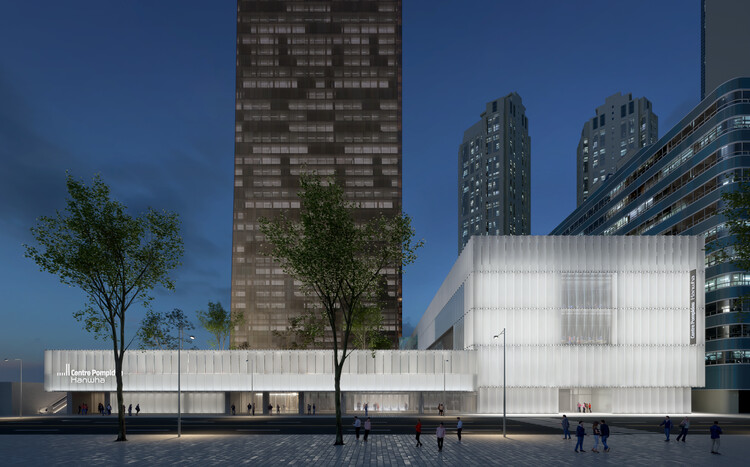
Centre Pompidou Hanwha, 2026. Image Courtesy of Wilmotte & Associés Sa
The French museum and cultural institution Centre Pompidou is opening a new Korean branch in collaboration with the local Hanwha Foundation of Culture. Well known in the architectural field for its French headquarters, designed by Renzo Piano and Richard Rogers and recently closed for renovations, the Centre Pompidou is expanding its international presence with a new venue, adding to its sites in Spain, Belgium, China, and the United Arab Emirates. The Korean building is a 12,000 m² renovation project at the base of the 63 Tower skyscraper, led by Wilmotte & Associés. Located on Yeouido Island, along the banks of the Han River, and at the heart of Seoul's financial district, the Hanwha Seoul Pompidou Center is conceived as both an exhibition venue and a meeting point where education and art converge, offering adaptable spaces to host a broad range of activities.
As major cultural events, institutional transformations, and new architectural commissions unfold across different geographies, this week's discourse highlights how architecture operates at the intersection of public life, creativity, and long-term adaptation. With Milan Design Week 2026 foregrounding process, experimentation, and citywide participation, the projects and initiatives emerging this week point to a broader shift toward openness, accessibility, and experiential engagement across disciplines and urban contexts. Ongoing investments in cultural infrastructure, from new museums to large-scale renovations and competition-winning proposals, further underscore how institutions continue to recalibrate their spatial and social roles in response to evolving environmental, technological, and cultural demands.
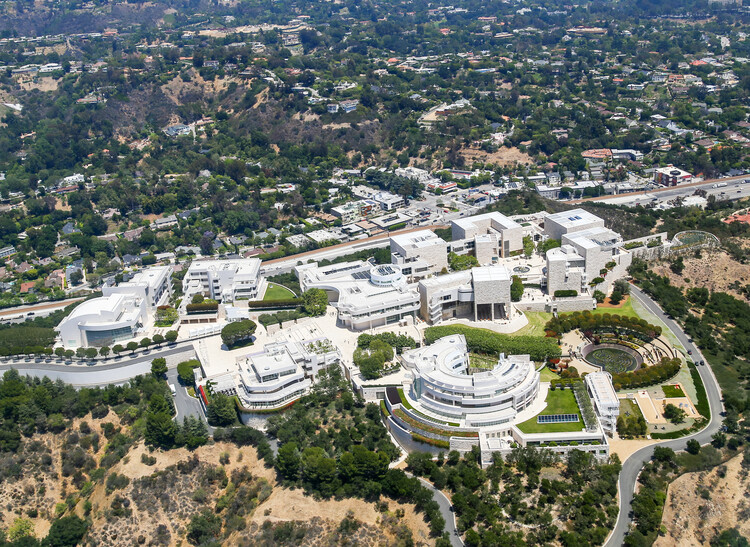
The Getty Centerhas announced a comprehensive modernization program marking its most significant transformation since its opening in 1997. Located within the Santa Monica Mountains and overlooking Los Angeles, the campus will temporarily close to the public from March 15, 2027, through spring 2028 to accommodate the planned works. The initiative focuses on enhancing visitor experience, improving accessibility, and advancing energy resilience, while supporting the long-term stewardship of the institution. Before the closure begins, the Getty Center will continue its program of exhibitions and events through early 2027.
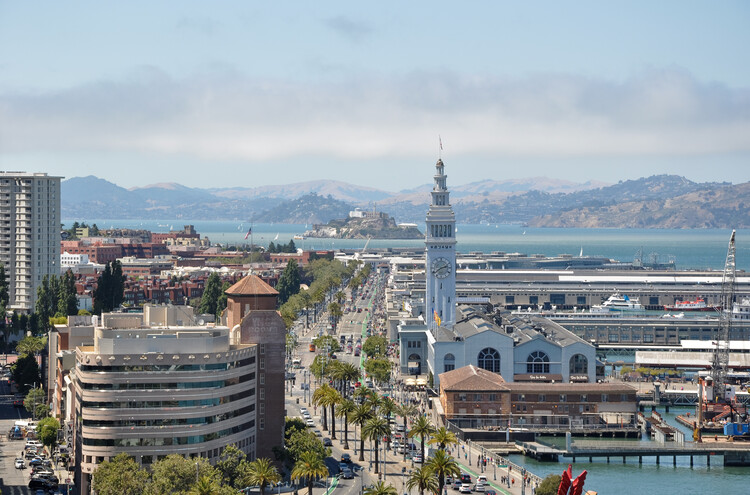
In recent decades, cities across the world have seen an increase in the demolition of elevated concrete freeways. Taipei, Seoul, Portland, and Boston, for example, have all seen the rise and fall of these infrastructures to give way to parks and new urban regeneration ideas. In other cases, like Montreal in Canada, some people opposed the freeways even before they were built, effectively rerouting viaducts, preserving heritage, and freeing waterfront views. For San Francisco, in the United States, the story of the Embarcadero Freeway is one of those narratives that serves as a case study of the city's mid-century infrastructural ambition, people's reaction to the project, and its eventual reversal in favor of urban connectivity.
Videos
Dornbracht Madison fittings for Brenners Park-Hotel & Spa in Baden-Baden. Image Courtesy of Dornbracht
During renovation projects, replacement is often preferred over refurbishment. Used fixtures are removed, new products specified, timelines secured. Particularly in hospitality projects, where closures are costly and operations are tightly scheduled, installing new components appears to be the most reliable solution. It is faster, easier to coordinate, and aligns with established workflows. Refurbishment operates differently. It requires careful dismantling instead of disposal, evaluation instead of substitution, and trust in the quality of what is already there. It introduces complexity into a process designed for efficiency.
The recent renovation of Brenners Park-Hotel & Spa in Baden-Baden demonstrates that under the right circumstances, this additional effort can become a deliberate architectural strategy for similar projects, especially when the original materials were never intended to be temporary.
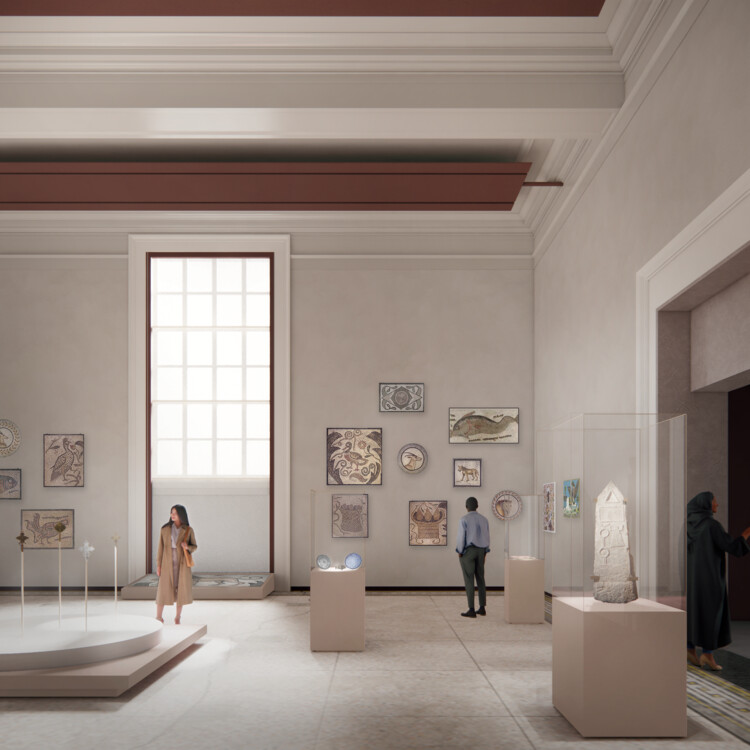
Brooklyn Museum's new Arts of Africa Galleries. Project render, 2026. Image Courtesy of Peterson Rich Office
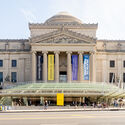
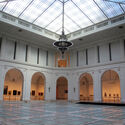
New York's Brooklyn Museum has announced the extension of its neoclassical building, a New York City–designated landmark, to include new galleries dedicated to its historic African art collection. The project to renovate and create permanent galleries was designed by the Brooklyn-based architectural firm Peterson Rich Office (PRO), with prior experience in contemporary exhibition spaces, in consultation with Beyer Blinder Belle Architects & Planners on the museum's historic preservation. The project transforms previously underutilized spaces that served as on-site storage, marking a new milestone in a series of renovations of an institution with over 200 years of history. For the first time, the museum's Egyptian art galleries will connect to the new African galleries, uniting North Africa with the rest of the continent to offer visitors a cohesive vision of Africa's rich artistic legacy.
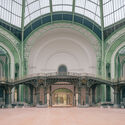
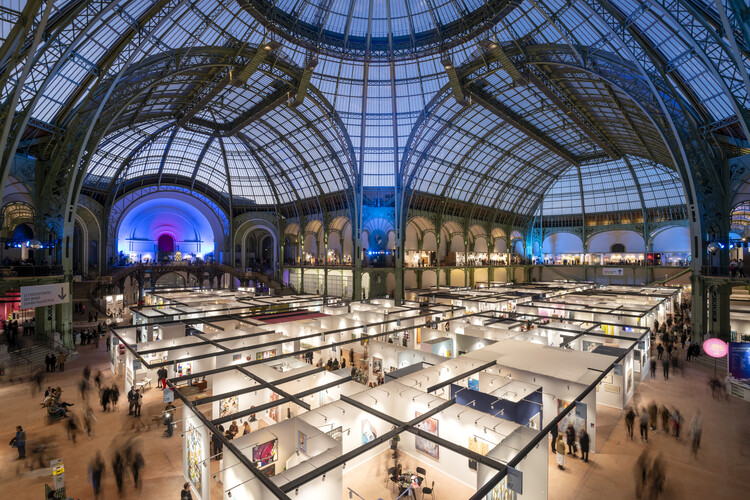
Art Paris will return to the Grand Palais from 9-12 April 2026, marking the 28th edition of the fair at the recently renovated landmark. Reopened following its most extensive restoration in over a century, the 77,000-square-meter building, transformed under the direction of Chatillon Architectes, now accommodates large-scale cultural events across its nave and balcony spaces. Bringing together approximately 165 galleries from around twenty countries, the fair is structured around two curatorial themes, language and reparation, presented within an updated spatial framework defined by improved circulation and expanded exhibition areas.
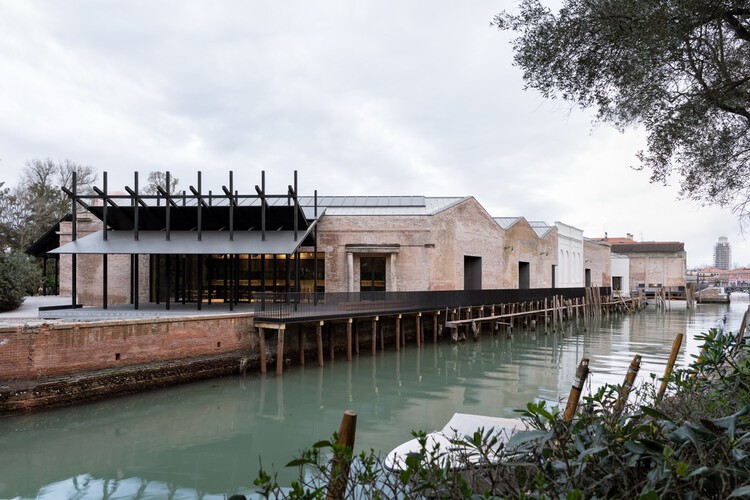
La Biennale di Venezia has unveiled the renovated Central Pavilion at the Giardini, completing a comprehensive intervention delivered between December 2024 and March 2026 as part of a broader national program to enhance cultural infrastructure. Funded by the Italian Ministry of Culture under the National Recovery and Resilience Plan (PNRR) and its complementary investment program (PNC), the project contributes to the development of a permanent hub for cultural production and exchange in Venice. The works form part of a wider initiative involving multiple sites associated with the Biennale, including the Giardini, the Arsenale, and other locations across the city, developed in coordination with local authorities and heritage institutions.
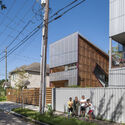
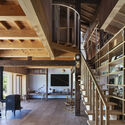
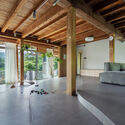
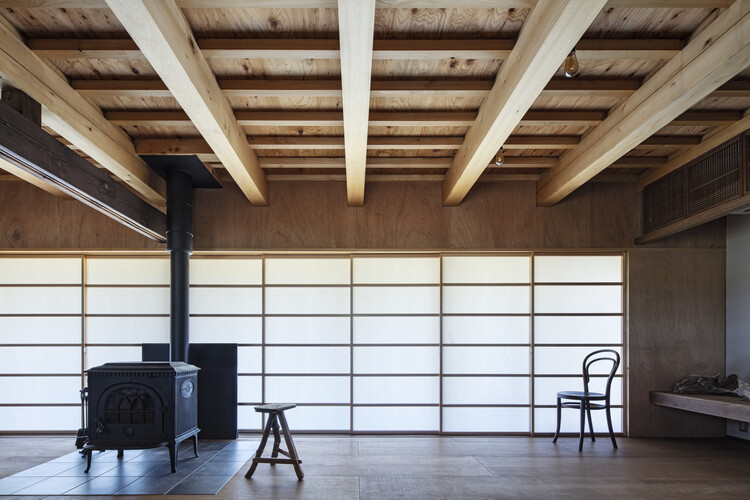
In a shifting societal and environmental landscape, how can architectural design respond to transformation while meaningfully engaging with what endures? 1110 Office for Architecture, based in Osaka, Japan, approaches this question through a body of work defined by careful residential renovations and precise spatial interventions.
Named a winner of the ArchDaily 2025 Next Practices Awards, the practice represents an emerging voice in redefining architecture's role within conditions of change.