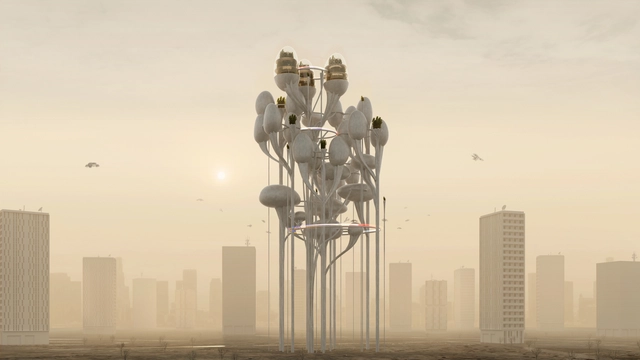
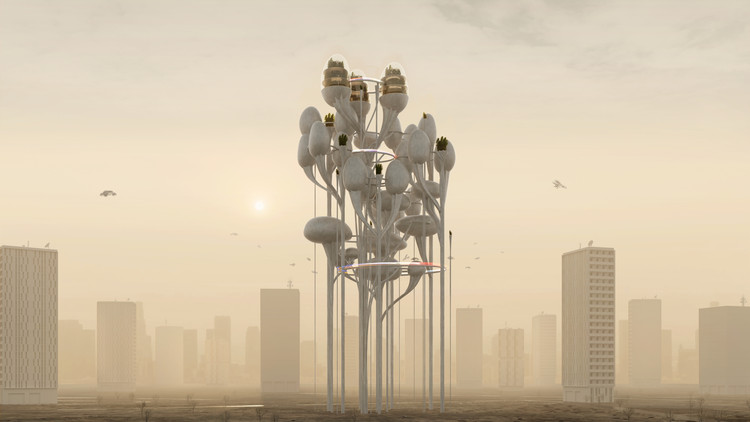
Force Majeure - Futura. Image Courtesy of Jeanne Schultz Design Studio
Putting together competition entries from all around the world, this week’s curated feature for Best Unbuilt Architecture showcases inspiring approaches and concepts. Submitted by our readers, the selection highlights uncommon proposals, part of international contests. While some are winning projects, others received honorable mentions.
Serie imagines stacked timber pavilion-like offices, Schlaich Bergermann Partner, LAVA, and Latz + Partner design new pedestrian and cycle bridge over the Neckar River in Heidelberg, Germany and Aidia Studio create an Oculus in the Emirati desert. Other competition entries include a landscaped avenue by ZXD Architects in Hangzhou, a community school in Egypt by Hand Over, a winning pavilion for the Singapore’s Archifest 2020 by ADDP Architects and OWIU Design Studio; and a Baha’i House of Worship by SpaceMatters in India.
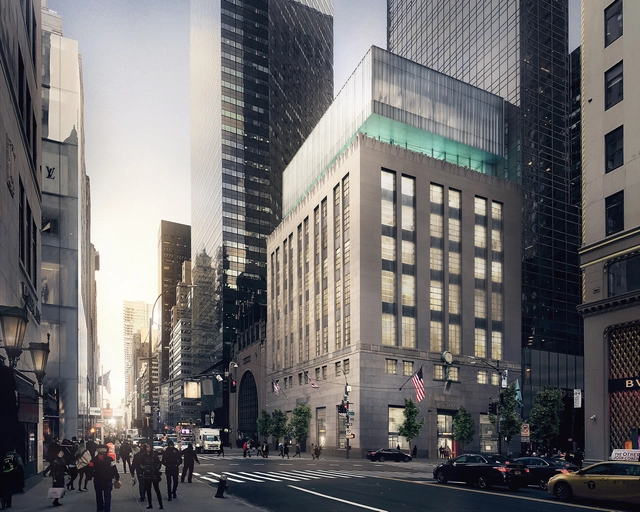
OMA / Shohei Shigematsu has revealed images of the new iconic Tiffany & Co. Fifth Avenue Flagship Store. In progress and scheduled for the spring of 2022, the intervention “reimagines the retail experience while preserving the historic identity of the original building”.
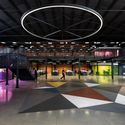
MVRDV has just unveiled the If Factory, a disused urban structure converted into a new 11.000 m2 creative building, containing a mixture of offices for the Urban Research Institute of China Vanke and offices for rent. Located in one of Shenzhen’s most historic districts, Nantou, the project is the largest proposed renovation in the city to date.
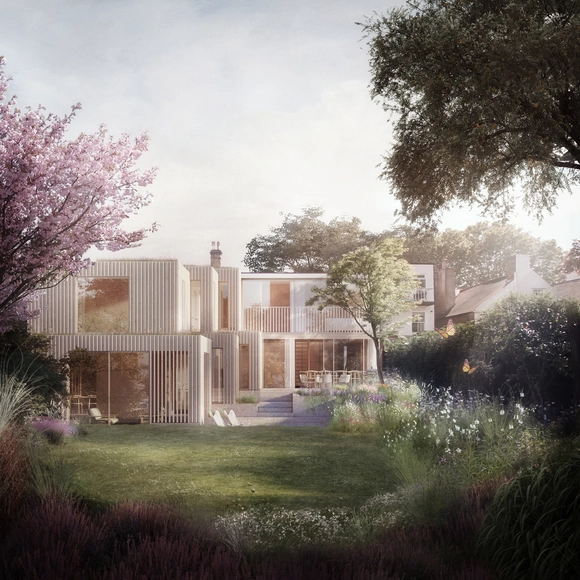
Morris + Company has just received planning approval to create a timber extension to Walter Segal’s Highgate residence in London. The transformation aims to revive the original architecture of the house, built by the architect himself in 1965 and introduces a contemporary intervention to the iconic village home.
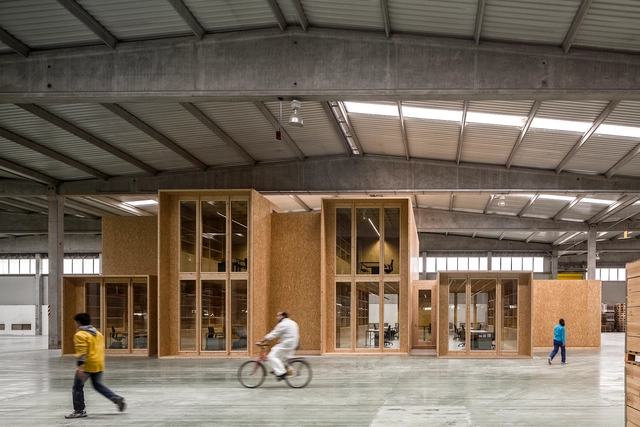
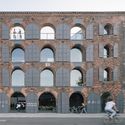
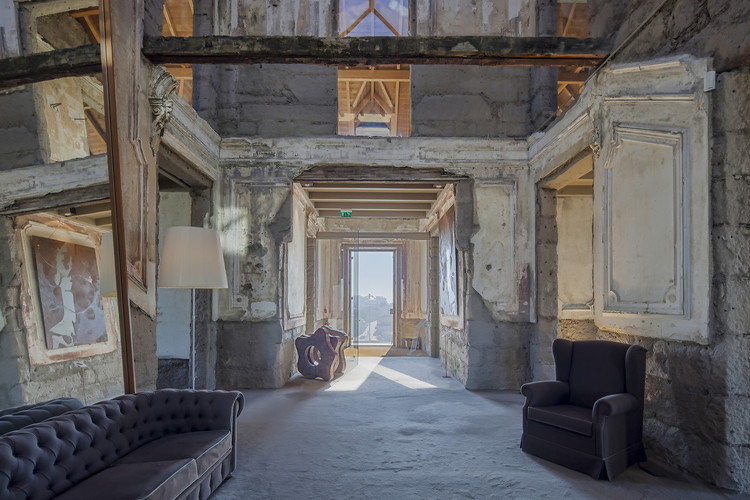
Warehouses, whether industrial or rural, are a type of building that can easily be found all around the world. Some of these shelters are century-old and have probably been built to store products or to accommodate factories. However, due to urban phenomena and new technologies, many of them stopped operating as they were originally used to and started to spark interest in several businesses whose aim was to re-adapt these structures to meet new purposes.
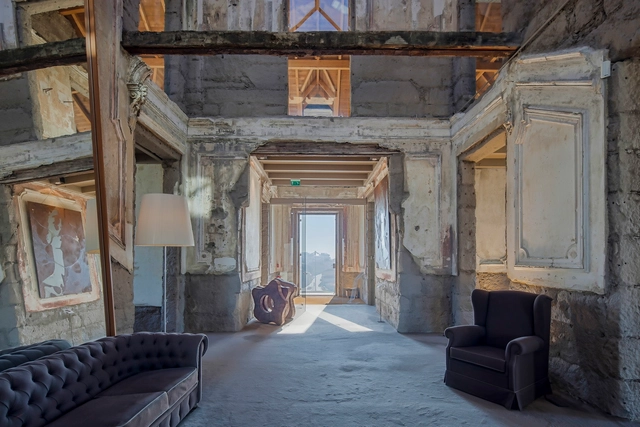
Repurposing a building is not a simple task. Not only does it require keen sensitivity to identify and acknowledge the historical value of pre-existing elements – thereby deciding what will endure over time and what will be replaced by new features, consistent with the current program – but it is also a strategy that pushes the boundaries of design and embraces issues such as sustainability and resource efficiency. After all, we are speaking of recycling a structure, or parts of it, and this impacts both design and the environment.
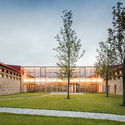
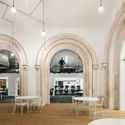
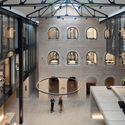
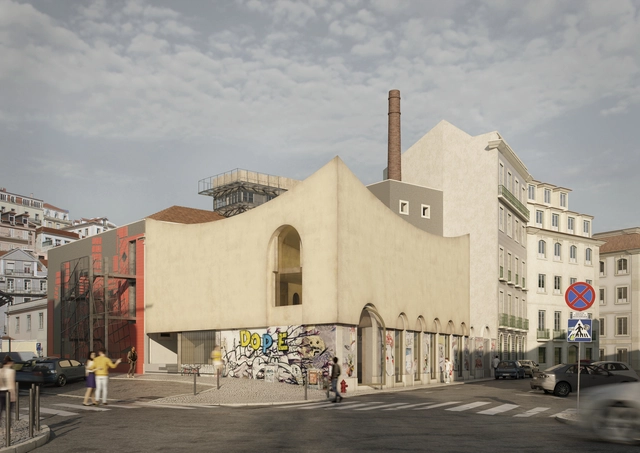
Luís Pedro Pinto has won the tender to expand The Order of Architects Headquarters in Lisbon, Portugal. Selected out of 66 works presented, part of a public design competition, the project, according to the jury, was praised for “its cohesion, coherence and unitary image”.
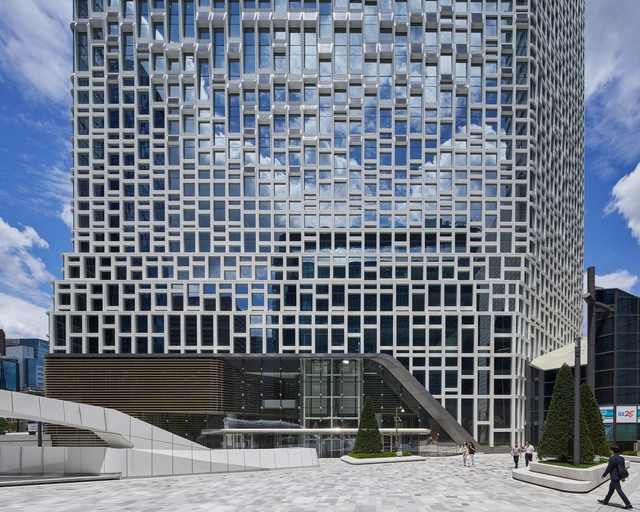
UNStudio has just completed the remodeling works of the Hanwha headquarters building in Seoul, while the building remained fully occupied. The refurbishment operations have created a modern establishment that meets the current sustainability requirements.
This week’s curated selection from our readers’ submissions focuses on some of the essential components of our present-day cities.
Featuring the best-unbuilt architecture, the article highlights adaptive reuse projects that transformed abandoned warehouses and factories, a street design in Luxembourg, a regenerative master plan in Seoul, and an emergency family accommodation to temporarily house those in need. Moreover, the roundup distinguishes a library in South Korea and an extension of a museum in Helsinki, because the cultural aspect is an integral part of our urban environment.



.jpg?1597742181&format=webp&width=640&height=580)
.jpg?1597742097 "Courtesy of MVRDV")
.jpg?1597741926 "Courtesy of MVRDV")

.jpg?1597742150 "Courtesy of MVRDV")
.jpg?1597742181)





























.jpg?1587722437 "Courtesy of UNStudio")






.jpg?1444378787&format=webp&width=640&height=580)
.jpg?1444378202 "© Shengliang Su")
.jpg?1444382969 "© Zhang Yanping")
.jpg?1444379359 "© Zhang Mingming")
.jpg?1444381335 "© Shengliang Su")
.jpg?1444378787)