1. ArchDaily
  2. Redevelopment

Redevelopment: The Latest Architecture and News

Lina Ghotmeh Wins Competition to Redesign British Museum’s Western Range

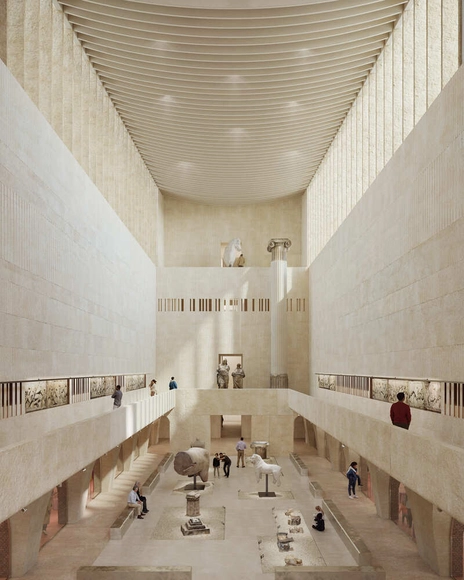
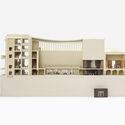
The British Museum has announced that Paris-based Lina Ghotmeh Architecture (LGA) has been selected to lead the redesign of its Western Range galleries. This decision follows a rigorous international competition, marking a significant milestone in the Museum's Masterplan, a long-term initiative to modernize its Bloomsbury site while maintaining its historic integrity. The project will be one of the most extensive cultural redevelopments globally, covering approximately 15,650 square meters, including a third of the museum's gallery space.

Lina Ghotmeh Wins Competition to Redesign British Museum’s Western Range - Image 1 of 4Lina Ghotmeh Wins Competition to Redesign British Museum’s Western Range - Image 2 of 4Lina Ghotmeh Wins Competition to Redesign British Museum’s Western Range - Image 3 of 4Lina Ghotmeh Wins Competition to Redesign British Museum’s Western Range - Image 4 of 4Lina Ghotmeh Wins Competition to Redesign British Museum’s Western Range - More Images+ 1

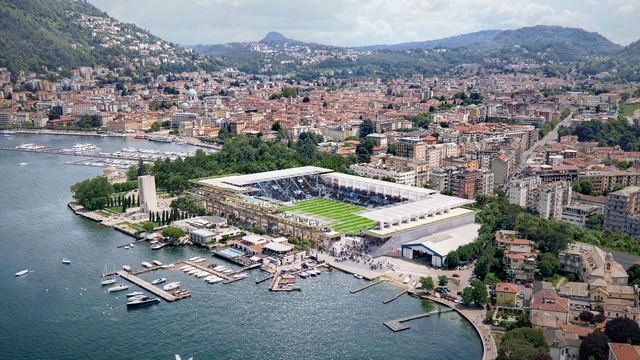
Populous Unveils Plans for Stadio Giuseppe Sinigaglia Redevelopment in Como, Italy

International architectural firm Populous has announced the initial phase of the redevelopment of Stadio Giuseppe Sinigaglia, in collaboration with Como 1907 and the Municipality of Como in Italy. The project aims to modernize the historic stadium while maintaining its role as a central hub for the community. The process begins with the submission of the Document of Feasibility of Project Alternatives (DOCFAP), a key step in evaluating potential design approaches. The approval process is expected to conclude by May 2026, marking the completion of the project's first stage.

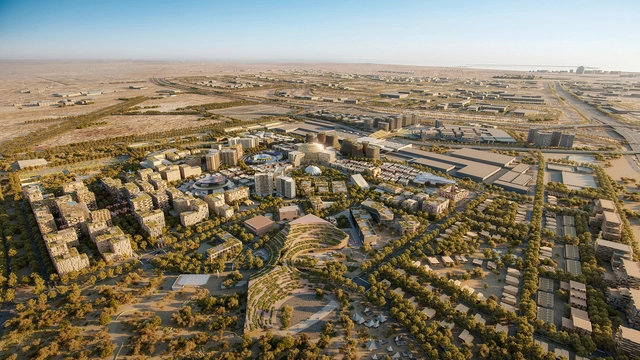
Expo City Dubai to Be Transformed by UNStudio into New Urban Center

The site of Expo 2020 Dubai is scheduled to undergo a major transformation, developed by UNStudio in collaboration with several other firms. The master plan aims to reimagine the location of the first World Expo held in the Middle East, Africa, and South Asia into a new urban center, integrating the structures of the original Expo with new developments to create a cohesive and engaging new district. The development, part of Dubai's 2040 Urban Master Plan, leverages approximately 80% of the existing infrastructure and buildings from Expo 2020, minimizing waste and maximizing the value of previous investments.

Expo City Dubai to Be Transformed by UNStudio into New Urban Center - Image 1 of 4Expo City Dubai to Be Transformed by UNStudio into New Urban Center - Image 2 of 4Expo City Dubai to Be Transformed by UNStudio into New Urban Center - Image 3 of 4Expo City Dubai to Be Transformed by UNStudio into New Urban Center - Image 4 of 4Expo City Dubai to Be Transformed by UNStudio into New Urban Center - More Images+ 11

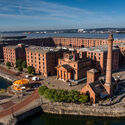
The International Slavery Museum and Maritime Museum in Liverpool, UK, Receive Planning Approval

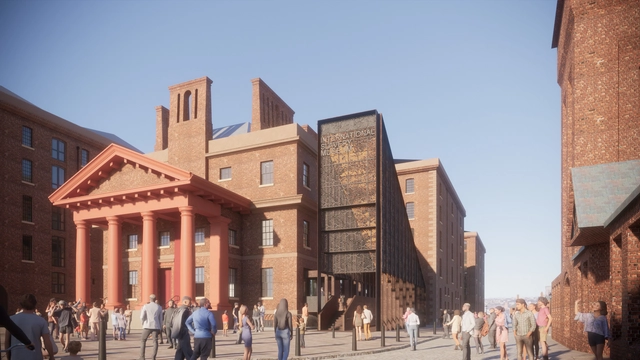
The redevelopment of the International Slavery Museum and Maritime Museum in Liverpool, UK, has been officially approved. Led by Feilden Clegg Bradley Studios, the project titled "Two Museums, One Vision" aims to transform the two venues on Liverpool's waterfront into engaging and welcoming spaces that properly address contemporary issues and reveal untold histories. aims to comprehensively narrate Britain's maritime history alongside its involvement in the transatlantic slave trade. Both venues are set to close early in 2025 for the redevelopment works to begin, according to the National Museums Liverpool. The completion date is scheduled for 2028.

The International Slavery Museum and Maritime Museum in Liverpool, UK, Receive Planning Approval - Image 1 of 4The International Slavery Museum and Maritime Museum in Liverpool, UK, Receive Planning Approval - Image 2 of 4The International Slavery Museum and Maritime Museum in Liverpool, UK, Receive Planning Approval - Image 3 of 4The International Slavery Museum and Maritime Museum in Liverpool, UK, Receive Planning Approval - Image 4 of 4The International Slavery Museum and Maritime Museum in Liverpool, UK, Receive Planning Approval - More Images+ 14

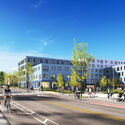
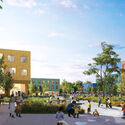
MVRDV Unveils Masterplan for Redevelopment of Faneuil Gardens Public Housing in Boston, United States

MVRDV, in collaboration with JGE Architects, landscape architects Copley Wolff, and Langan Engineering, has developed a masterplan for the redevelopment of Faneuil Gardens, a public housing site in the Brighton neighborhood of Boston. This project, commissioned by The Community Builders in partnership with the Boston Housing Authority, aims to replace the outdated 1940s apartment complex with five contemporary buildings that incorporate mixed-income affordable housing, artist live-work spaces, and significant green spaces. At the center of the redevelopment is a new community center, located along a public boulevard that runs through the heart of the site.

MVRDV Unveils Masterplan for Redevelopment of Faneuil Gardens Public Housing in Boston, United States - Image 1 of 4MVRDV Unveils Masterplan for Redevelopment of Faneuil Gardens Public Housing in Boston, United States - Image 2 of 4MVRDV Unveils Masterplan for Redevelopment of Faneuil Gardens Public Housing in Boston, United States - Image 3 of 4MVRDV Unveils Masterplan for Redevelopment of Faneuil Gardens Public Housing in Boston, United States - Image 4 of 4MVRDV Unveils Masterplan for Redevelopment of Faneuil Gardens Public Housing in Boston, United States - More Images+ 9

How Dense Is Too Dense? The Future of Social Housing in Metropolises

Subscriber Access | 

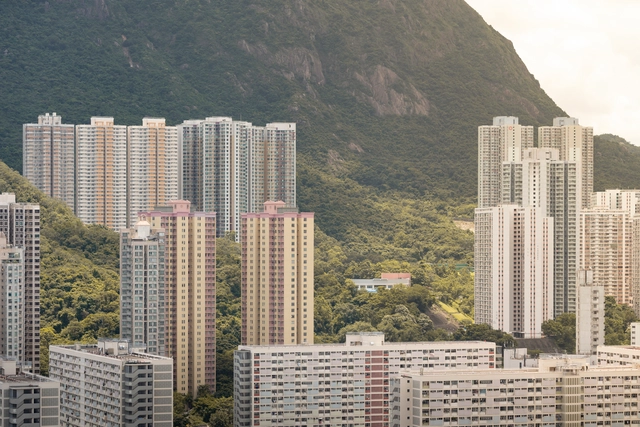
Density in cities is often touted as a positive and desirable way to live. Various studies have repeatedly suggested that higher density can lead to better lifestyles, a more sustainable environment, and improved health. In The Death and Life of Great American Cities, journalist Jane Jacobs identifies several possible advantages of density: increased walkability, close-knit communities, and a concentration of resources while maintaining diversity that better serves the population.

Naturally, a higher population density prevents the formation of ghost towns and vacant shops, which can become hotbeds for crime. However, these positive views on dense living environments often rest on optimistic assumptions about urbanism, such as minimal friction among individuals, easily maintained hygiene and a natural formation of diversity.

How Dense Is Too Dense?  The Future of Social Housing in Metropolises - Image 1 of 4How Dense Is Too Dense?  The Future of Social Housing in Metropolises - Image 2 of 4How Dense Is Too Dense?  The Future of Social Housing in Metropolises - Image 3 of 4How Dense Is Too Dense?  The Future of Social Housing in Metropolises - Image 4 of 4How Dense Is Too Dense?  The Future of Social Housing in Metropolises - More Images+ 2

The Repositioning of Office Buildings: Creating Amenity-Rich Experiences in the Post-Pandemic U.S.

Subscriber Access | 

The office building typology emerged from the need to unite thousands of people within a relatively strict working environment. In major cities, these structures clustered into Central Business Districts (CBDs), which became dedicated neighborhoods accommodating commerce and businesses. However, the COVID-19 pandemic disrupted this model, leading to the rise of remote and hybrid work. Now, nearly four years later, occupancy rates in these urban centers remain lower than pre-pandemic levels, signaling a long-term shift in the work environment. To address this challenge, developers have been increasingly looking into “repositioning” their projects, seeking to redefine their image by adapting them to contemporary demands. This typology considers the surrounding urban fabric, aiming to expand the building’s use beyond its original purpose and attract people back to the CBDs.

The Repositioning of Office Buildings: Creating Amenity-Rich Experiences in the Post-Pandemic U.S. - Image 1 of 4The Repositioning of Office Buildings: Creating Amenity-Rich Experiences in the Post-Pandemic U.S. - Image 2 of 4The Repositioning of Office Buildings: Creating Amenity-Rich Experiences in the Post-Pandemic U.S. - Image 3 of 4The Repositioning of Office Buildings: Creating Amenity-Rich Experiences in the Post-Pandemic U.S. - Image 4 of 4The Repositioning of Office Buildings: Creating Amenity-Rich Experiences in the Post-Pandemic U.S. - More Images+ 2

KPF Set to Transform Foster + Partners Designed HSBC Tower in London’s Canary Wharf

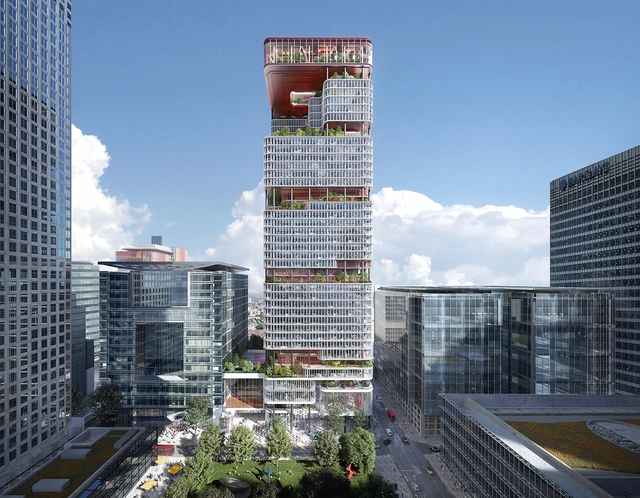
Kohn Pedersen Fox (KPF) has announced an expansive project to redevelop and refurbish the Foster + Partners designed 8 Canada Square building, also known as HSBC Tower, in Canary Wharf, London. Following an international competition, the remodeling plans include removing large parts of the 42-story building to introduce terraces and additional functions. According to Canary Wharf Group and the Qatar Investment Authority, this represents the largest transformation of an office tower into a sustainable mixed-use building. The project is set to begin in 2027, after the expiry of the HSBC lease.

KPF Set to Transform Foster + Partners Designed HSBC Tower in London’s Canary Wharf - Image 1 of 4KPF Set to Transform Foster + Partners Designed HSBC Tower in London’s Canary Wharf - Image 2 of 4KPF Set to Transform Foster + Partners Designed HSBC Tower in London’s Canary Wharf - Image 3 of 4KPF Set to Transform Foster + Partners Designed HSBC Tower in London’s Canary Wharf - Image 4 of 4KPF Set to Transform Foster + Partners Designed HSBC Tower in London’s Canary Wharf - More Images

Stefano Boeri Architetti Wins Competition for Green Neighborhood Development in Bratislava, Slovakia

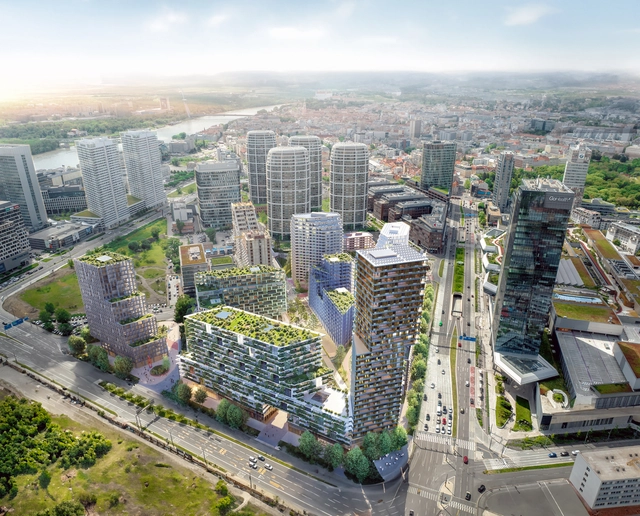
Stefano Boeri Architetti has been declared the winner of the international competition for the redevelopment of a former industrial site in downtown Bratislava. The project includes the transformation of one of the largest abandoned areas in the Slovak capital, with the aim of creating an active new central hub for the city, complete with parks and public spaces, residential units, and a variety of amenities. Stefano Boeri Architetti’s master plan proposal, titled “Urban Oasis,” has been appreciated by the jury for integrating familiar typologies, creating a “European matrix” of medium-density developments organized around accessible public spaces.

Stefano Boeri Architetti Wins Competition for Green Neighborhood Development in Bratislava, Slovakia - Image 1 of 4Stefano Boeri Architetti Wins Competition for Green Neighborhood Development in Bratislava, Slovakia - Image 2 of 4Stefano Boeri Architetti Wins Competition for Green Neighborhood Development in Bratislava, Slovakia - Image 3 of 4Stefano Boeri Architetti Wins Competition for Green Neighborhood Development in Bratislava, Slovakia - Image 4 of 4Stefano Boeri Architetti Wins Competition for Green Neighborhood Development in Bratislava, Slovakia - More Images+ 3

A Tetris-Like Residence in Iran and a Seaside Apartment Block in Italy: 8 Unbuilt Housing Projects Submitted by the ArchDaily Community

Subscriber Access | 

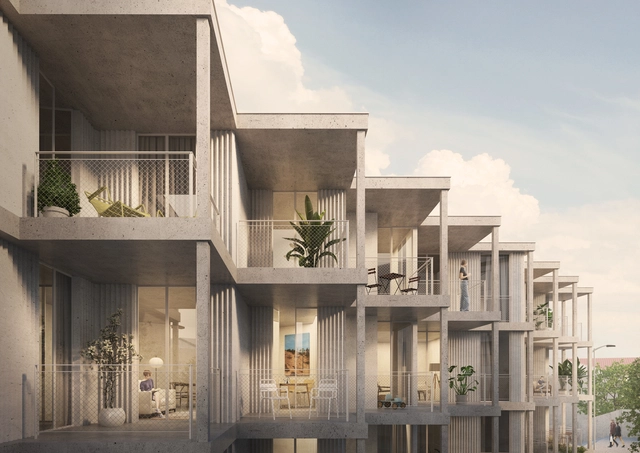
In every city, urban housing projects represent most of the built environments, reflecting an intricate weave of societal needs and architectural visions. This roundup of unbuilt projects submitted by the ArchDaily Community offers a lens into the dynamic interplay between design constraints and creative opportunities. From the revitalization of urban fragments to the exploration of innovative construction methods, architects navigate a terrain shaped by sustainability imperatives, community inclusivity, and evolving urban dynamics.

The diversity of unbuilt urban housing projects showcased here underscores the breadth of architectural interventions, featuring commitments to sustainability and inclusivity. From projects featuring new building materials such as wooden construction systems to those created to maximize sunlight or engage the larger community, this week’s curated selection showcases unbuilt collective housing projects from around the world.

A Tetris-Like Residence in Iran and a Seaside Apartment Block in Italy: 8 Unbuilt Housing Projects Submitted by the ArchDaily Community - Image 5 of 4A Tetris-Like Residence in Iran and a Seaside Apartment Block in Italy: 8 Unbuilt Housing Projects Submitted by the ArchDaily Community - Image 26 of 4A Tetris-Like Residence in Iran and a Seaside Apartment Block in Italy: 8 Unbuilt Housing Projects Submitted by the ArchDaily Community - Image 32 of 4A Tetris-Like Residence in Iran and a Seaside Apartment Block in Italy: 8 Unbuilt Housing Projects Submitted by the ArchDaily Community - Image 38 of 4A Tetris-Like Residence in Iran and a Seaside Apartment Block in Italy: 8 Unbuilt Housing Projects Submitted by the ArchDaily Community - More Images+ 53

SOM's 30th Street Station Redevelopment in Philadelphia Breaks Ground

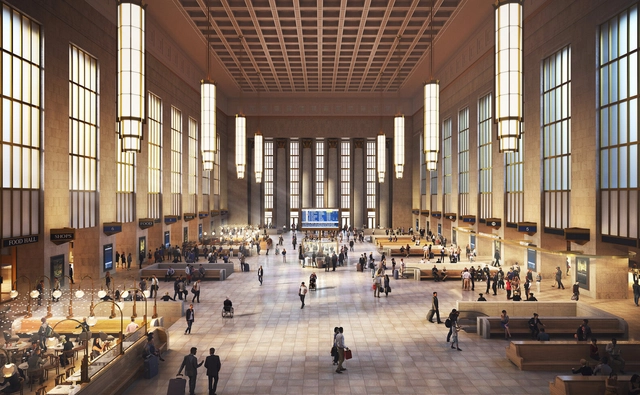
This month, Skidmore, Owings, and Merril's (SOM) $550 million William H. Gray III 30th Street Station broke ground in Philidelphia. Initially proposed in 2016, the scheme involves a new mixed-use urban district with an emphasis on transit for the 30th Street Station Precinct. Boasting a vibrant public realm, the initial phase of the plan focuses extensively on renovating the historic station. Designed in collaboration with Gilbane, Amtrak, Plenary, Vantage, and Johnson Controls, the overarching goal is to position the station for sustained growth over the next five decades and enhance the travel experience for millions of annual visitors.

SOM's 30th Street Station Redevelopment in Philadelphia Breaks Ground - Image 1 of 4SOM's 30th Street Station Redevelopment in Philadelphia Breaks Ground - Image 2 of 4SOM's 30th Street Station Redevelopment in Philadelphia Breaks Ground - Image 3 of 4SOM's 30th Street Station Redevelopment in Philadelphia Breaks Ground - Image 4 of 4SOM's 30th Street Station Redevelopment in Philadelphia Breaks Ground - More Images+ 5

IDOM and Gilroy McMahon Architects Design the Remodeling of Dalymount Park Stadium in Dublin

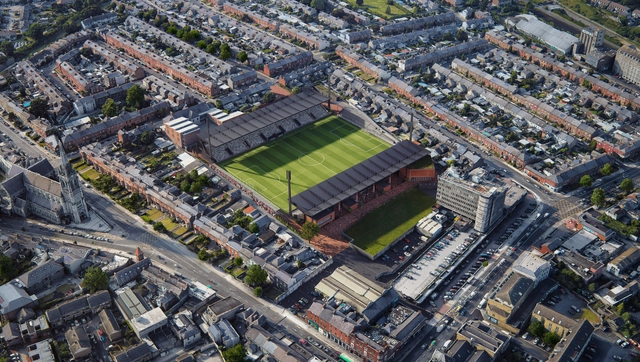
Marking a transformative milestone for Phibsborough, about 2 km north of Dublin's city center, Part 8 of the planning application for the Dalymount Park Stadium remodeling project has been submitted by the Dublin City Council (DCC). As part of a collaborative design effort, IDOM and Gilroy McMahon Architects have crafted proposals for the new stadium, which will have the capacity to accommodate approximately 8,000 spectators. The design also includes plans for the regeneration of the area, seeking new urban connections and incorporating a community center as an integral part of the project.

Powerhouse and KIMA arkitektur Win Competition for a New Addition to Oslo’s Skyline

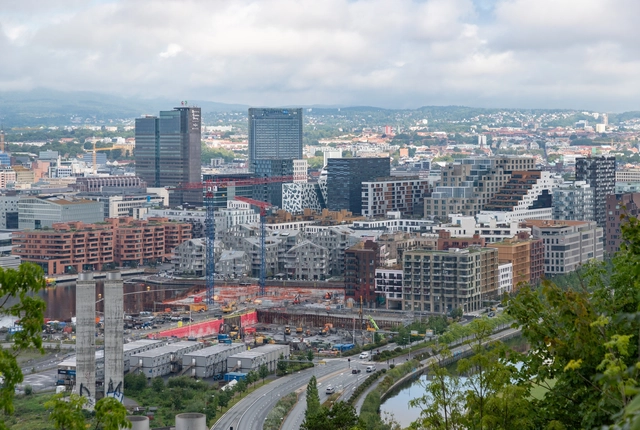
The Norwegian studio of Powerhouse, in collaboration with KIMA arkitektur, has won a design competition for the transformation and extension of one of the historical buildings located in the center of Landbrukskvartalet. Known as the Agricultural Quarter, a former farming and industrial site in central Oslo, the area is now scheduled to go through an urban revitalization process to be transformed into an active neighborhood based on the design philosophy of ‘new meets old’.

7 Renovation Projects Featuring Structural Reinforcements for Expanding Spans

Subscriber Access | 

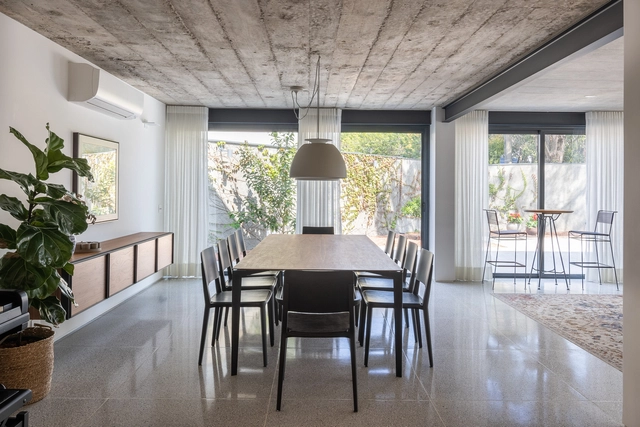
In many cases, when working on a renovation project within an old building, architects often encounter segmented floor plans, spaces without natural light, and complex layouts that hinder the seamless flow required in modern living. Consequently, architects typically opt for targeted demolition, removing specific walls during renovations. This solution can address several of the problems encountered but demands meticulous planning to ensure the structural integrity of the building. When it comes to scenarios like these, structural reinforcement is one of the most commonly employed methods.

7 Renovation Projects Featuring Structural Reinforcements for Expanding Spans - Image 1 of 47 Renovation Projects Featuring Structural Reinforcements for Expanding Spans - Image 2 of 47 Renovation Projects Featuring Structural Reinforcements for Expanding Spans - Image 3 of 47 Renovation Projects Featuring Structural Reinforcements for Expanding Spans - Image 4 of 47 Renovation Projects Featuring Structural Reinforcements for Expanding Spans - More Images+ 8

MVRDV Transforms a Former Oil Refinery into an Energy-Neutral Cultural Park in Hangzhou, China

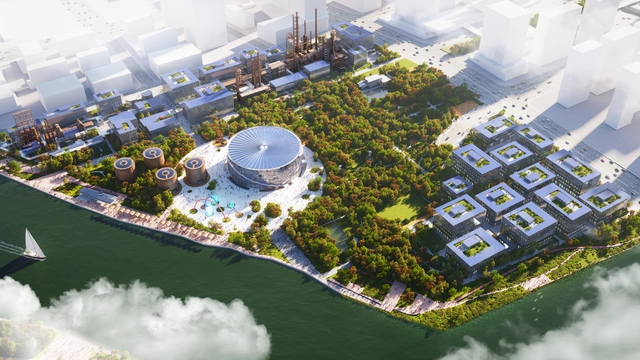
Following an international competition, MVRDV has been selected to lead the design of the Hangzhou Oil Refinery Factory Park, an extensive project aiming to transform the former industrial district into a cultural center set in a green environment. Complete with a new art and science museum, offices, retail, and a wide variety of cultural offerings, the redevelopment demonstrates a way forward from an oil-based infrastructure to more sustainable alternatives, while retaining the memory of the past technologies. The park sits alongside the southern end of China’s Grand Canal, the world’s longest and one of the oldest man-made waterways created to strengthen economic connections between the south and the north of the country.

MVRDV Transforms a Former Oil Refinery into an Energy-Neutral Cultural Park in Hangzhou, China - Image 1 of 4MVRDV Transforms a Former Oil Refinery into an Energy-Neutral Cultural Park in Hangzhou, China - Image 2 of 4MVRDV Transforms a Former Oil Refinery into an Energy-Neutral Cultural Park in Hangzhou, China - Image 3 of 4MVRDV Transforms a Former Oil Refinery into an Energy-Neutral Cultural Park in Hangzhou, China - Image 4 of 4MVRDV Transforms a Former Oil Refinery into an Energy-Neutral Cultural Park in Hangzhou, China - More Images+ 17

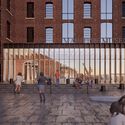
Asif Khan and Theaster Gates Release New Vision for Liverpool’s Waterfront Transformation Project

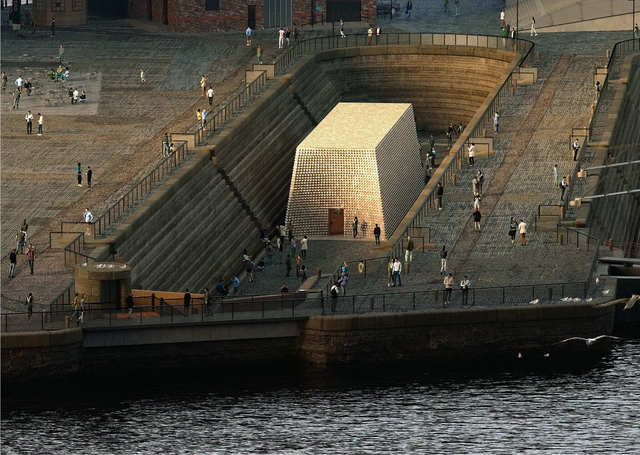
National Museums Liverpool (NML) has revealed a revised version of the redevelopment of the city’s waterfront, led by architect Asif Khan and artist Theaster Gates. The plans include the redesign of the public spaces at Canning Dock, a historical area central to the Liverpool docks. As part of the Waterfront Transformation Project, the interventions aim to create accessible public spaces to better serve the community and to create a link between the surrounding museums. The preliminary proposal is now open for public consultation.

Asif Khan and Theaster Gates Release New Vision for Liverpool’s Waterfront Transformation Project - Image 1 of 4Asif Khan and Theaster Gates Release New Vision for Liverpool’s Waterfront Transformation Project - Image 2 of 4Asif Khan and Theaster Gates Release New Vision for Liverpool’s Waterfront Transformation Project - Image 3 of 4Asif Khan and Theaster Gates Release New Vision for Liverpool’s Waterfront Transformation Project - Image 4 of 4Asif Khan and Theaster Gates Release New Vision for Liverpool’s Waterfront Transformation Project - More Images+ 4

PAU’s Niagara Falls Gateways Project Reimagines a Former Hydraulic Canal as an Engaging Public Space

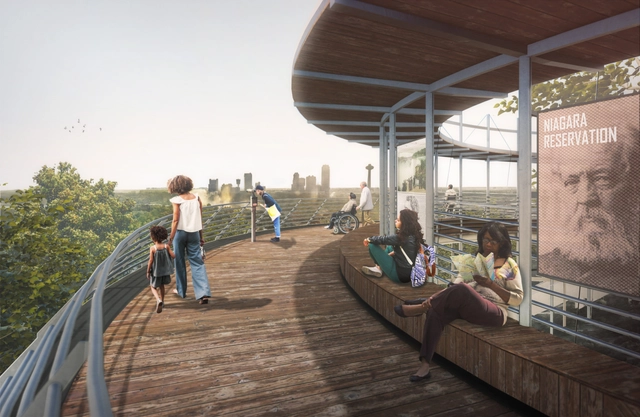
New York-based studio Practice for Architecture and Urbanism (PAU) has been selected to lead the design for the Niagara Falls Heritage Gateway project. This reimagined public gateway aims to reinvigorate the site, attract new visitors, and stimulate the local economy. As part of the “Downtown Niagara Falls Development Strategy,” the project also aims to strengthen the connections between downtown Niagara Falls and the Niagara Falls State Park. The project is expected to be completed in 2024.

PAU’s Niagara Falls Gateways Project Reimagines a Former Hydraulic Canal as an Engaging Public Space - Image 1 of 4PAU’s Niagara Falls Gateways Project Reimagines a Former Hydraulic Canal as an Engaging Public Space - Image 2 of 4PAU’s Niagara Falls Gateways Project Reimagines a Former Hydraulic Canal as an Engaging Public Space - Image 3 of 4PAU’s Niagara Falls Gateways Project Reimagines a Former Hydraulic Canal as an Engaging Public Space - Image 4 of 4PAU’s Niagara Falls Gateways Project Reimagines a Former Hydraulic Canal as an Engaging Public Space - More Images

White Arkitekter and K2S Architects Win Competition to Design New Waterfront Cultural Destination in Helsinki

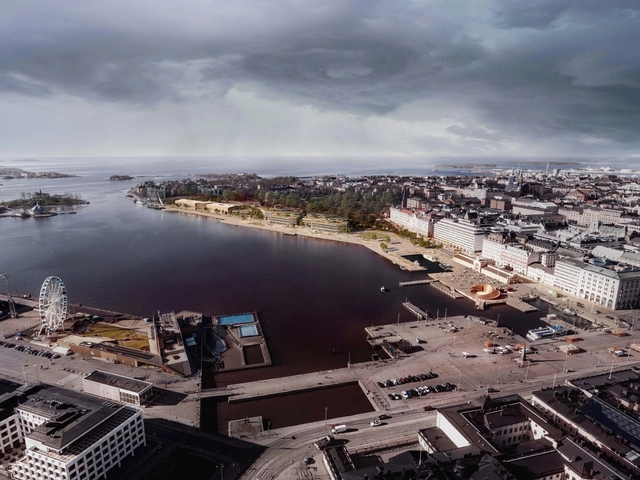
The city of Helsinki has announced White Arkitekter and K2S Architects as the winners of the competition to design a new waterfront cultural destination in the Makasiiniranta area of Helsinki’s South Harbor. The redevelopment includes the site of a New Museum of Architecture and Design. Titled ‘Saaret,’ which translates to ‘The Islands,’ the proposal aims to create a well-integrated development that brings together cultural and sustainable environments. It also promises to improve the area’s microclimate and create bio-diverse habitats by using the space available on the rooftops to add beehives, vegetable and herb gardens.


White Arkitekter and K2S Architects Win Competition to Design New Waterfront Cultural Destination in Helsinki - Image 1 of 4White Arkitekter and K2S Architects Win Competition to Design New Waterfront Cultural Destination in Helsinki - Image 2 of 4White Arkitekter and K2S Architects Win Competition to Design New Waterfront Cultural Destination in Helsinki - Image 3 of 4White Arkitekter and K2S Architects Win Competition to Design New Waterfront Cultural Destination in Helsinki - Image 4 of 4White Arkitekter and K2S Architects Win Competition to Design New Waterfront Cultural Destination in Helsinki - More Images+ 2