1. ArchDaily
  2. Public Realm

Public Realm: The Latest Architecture and News

The Unfolding Pavilion Investigates the Public Openness of the Giardini della Biennale in Venice

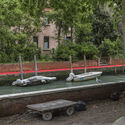
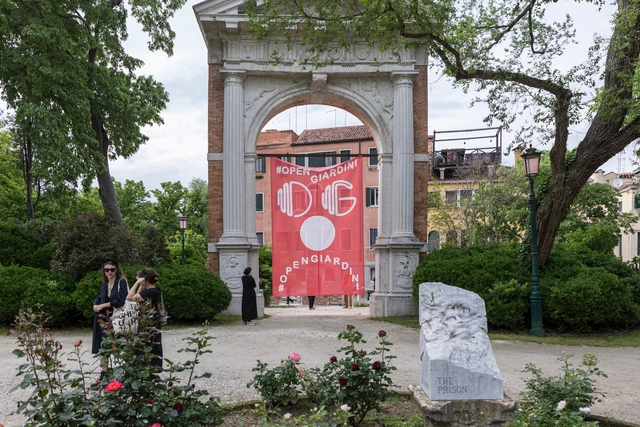
The Unfolding Pavilion is a recurring exhibition and editorial project by Daniel Tudor Munteanu and Davide Tommaso Ferrando that aims to highlight previously inaccessible but architecturally significant spaces. Now in its fourth edition, the exhibition is dedicated to the Giardini della Biennale, the Venetian garden that became the main location for one of the most important architecture exhibitions worldwide, the Venice Biennale. Through a series of site-specific interventions and photographs by Laurian Ghinițoiu, the Unfolding Pavilion #OPENGIARDINI set out to explore the paradoxical state of this public space that is not publicly accessible.

The Unfolding Pavilion Investigates the Public Openness of the Giardini della Biennale in Venice - Image 1 of 4The Unfolding Pavilion Investigates the Public Openness of the Giardini della Biennale in Venice - Image 2 of 4The Unfolding Pavilion Investigates the Public Openness of the Giardini della Biennale in Venice - Image 3 of 4The Unfolding Pavilion Investigates the Public Openness of the Giardini della Biennale in Venice - Image 4 of 4The Unfolding Pavilion Investigates the Public Openness of the Giardini della Biennale in Venice - More Images+ 8

7 Events Happening in 2023 in Copenhagen, the Next UNESCO World Capital of Architecture

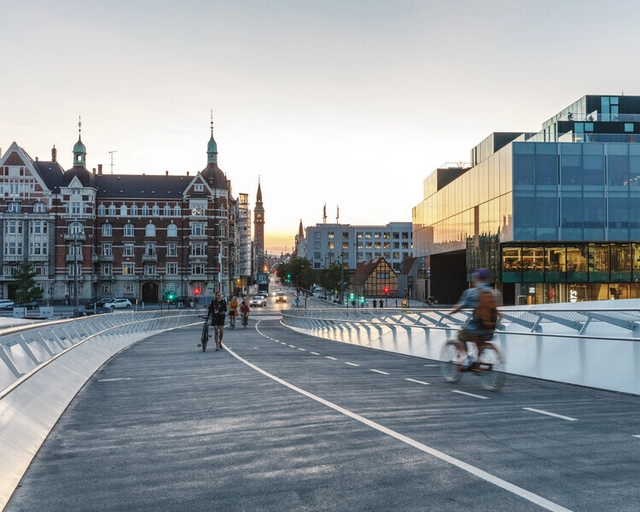
UNESCO has named Copenhagen the World Capital of Architecture for 2023, following Rio de Janeiro’s inaugural hold of the title. Besides hosting the International Union of Architect’s World Congress, the initiative also aims to highlight the path to a more sustainable future and the role architecture and urban planning play in achieving this goal. The title is awarded triannually.

Denmark has continually topped the survey for the happiest countries, according to the World Happiness Report. For urban designers, Copenhagen, the capital of Denmark, has become one of the most cited case studies regarding carbon-neutral infrastructure, pedestrian and bike-friendliness, and the outstanding qualities of its public realm. According to the Dansk Arkitektur Center, over 10,000 architects are expected to visit Copenhagen in the following year, to join the guided tours, exhibitions, debates, and cultural events that put design and architecture in the spotlight.

7 Events Happening in 2023 in Copenhagen, the Next UNESCO World Capital of Architecture - Image 1 of 47 Events Happening in 2023 in Copenhagen, the Next UNESCO World Capital of Architecture - Image 2 of 47 Events Happening in 2023 in Copenhagen, the Next UNESCO World Capital of Architecture - Image 3 of 47 Events Happening in 2023 in Copenhagen, the Next UNESCO World Capital of Architecture - Image 4 of 47 Events Happening in 2023 in Copenhagen, the Next UNESCO World Capital of Architecture - More Images+ 6

Queer Spaces: Why Are They Important in Architecture and the Public Realm?

Subscriber Access | 

The queer crowd has always been present, finding ways to exist, gather, and celebrate. Although their visibility hasn't always been highlighted throughout history due to the consciousness of having to submit to heteronormative and strict mass normality in the past, doesn't mean they previously didn't have their own spaces to call their own. Queer spaces, past and present, have been categorized as strong, vibrant, vigorous, and worthy of occupying their own place in history, filling in as safe places for identifying individuals, places of social gathering, entertainment, and even offering community housing; therefore, there will always be a need for queer spaces.

Queer Spaces: Why Are They Important in Architecture and the Public Realm? - Image 1 of 4Queer Spaces: Why Are They Important in Architecture and the Public Realm? - Image 2 of 4Queer Spaces: Why Are They Important in Architecture and the Public Realm? - Image 3 of 4Queer Spaces: Why Are They Important in Architecture and the Public Realm? - Image 4 of 4Queer Spaces: Why Are They Important in Architecture and the Public Realm? - More Images+ 12

Activating the Edges: How to Create Lively, Active Streets

This article was originally published on Common Edge.

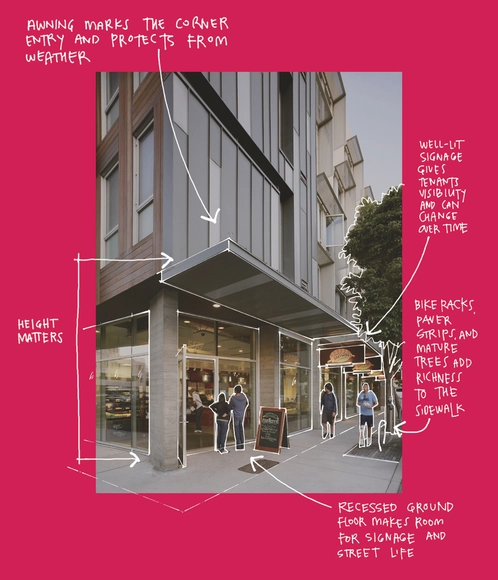
A famous skyline can evoke rich associations and unleash imagination, but the real experience of a city is in its streets. Early humans evolved to see the first 20 feet in front, above, and around them so they could identify potential threats in the landscape. In our modern urban environment, this is still how we experience buildings and places. While aerial views and Google Earth imagery are useful for reference, the main experience of the outside of a building is what we pass by on the street, up to about the second or third story. The height of a building doesn’t necessarily matter if the street experience is rich and accessible. 

The Global City and the (de)Evolution of the Public Realm

This article was originally published on Common Edge.

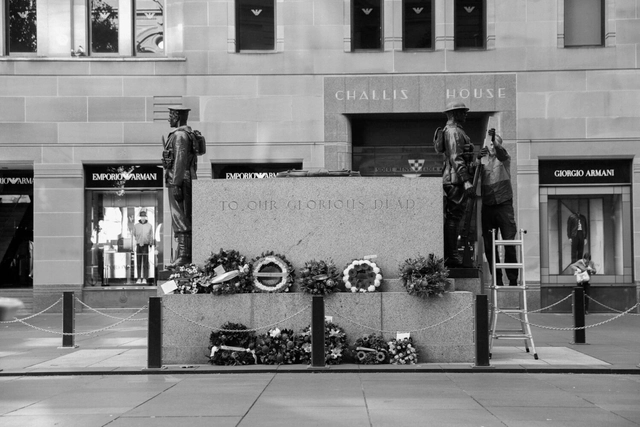
In October 2011, inspired by the Arab Spring revolutions, thousands of people in Australia and in many other cities in the world started to occupy public spaces. In Sydney, where I live, this occupation took place in Martin Place, appropriately enough right outside the Reserve Bank of Australia. This widely publicized protest was an attempt to promote a pro-democracy, civil liberty, social justice message, and to protest against corporate greed and economic inequality.
All of which begged a central question: Was it an occupation of our public space, or was it a reclamation of our public space from governmental and corporate dominance?

The Global City and the (de)Evolution of the Public Realm - Image 1 of 4The Global City and the (de)Evolution of the Public Realm - Image 2 of 4The Global City and the (de)Evolution of the Public Realm - Image 3 of 4The Global City and the (de)Evolution of the Public Realm - Featured ImageThe Global City and the (de)Evolution of the Public Realm - More Images

Pandemic-era Street Spaces: Parklets, Patios, and the Future of the Public Realm

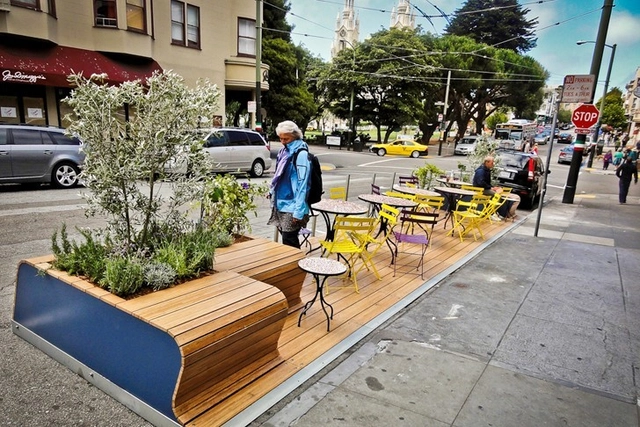
On a clear fall day in 2005, a group of friends and collaborators from the art collective Rebar commandeered an 8-foot-wide by 20-foot-long metered parking space in downtown San Francisco. This two-hour guerilla art installation evolved into Park(ing) Day, a global public art and design activism event that has been celebrated every year since. In 2009, Rebar and other design studios were approached by the City of San Francisco to prototype a more permanent version of Park(ing) Day. In response, we created one of the world’s first parklets in San Francisco (we called our version walklet), and through the diligent efforts of Andres Power in the Mayor’s Office and City Planning, San Francisco’s pioneering parklet program was born.

Deck Parks are Increasingly in Vogue, But Are They Always a Good Fit?

"Deck parks are increasingly in vogue in the Southwest’s downtown cores but aren’t a good fit for El Paso," writes Sito Negron. Recently a lot of cities around the world have been rethinking urban spaces dedicated to transportation, introducing public areas over highways while expanding the vehicular realm. In this week's reprint from the Architect's Newspaper, the author explores the limits of this trend and questions its implementation in some cases.

A Transformation in Pacoima, Los Angeles, Reveals the Potential of the City’s Overlooked Alleys

Subscriber Access | 
A Transformation in Pacoima, Los Angeles, Reveals the Potential of the City’s Overlooked Alleys - Featured Image
Courtesy of Trust for Public Land

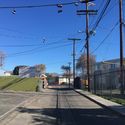
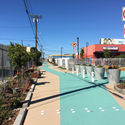
In a piece, originally published on Metropolis, author Lauren Gallow highlights an urban transformation in California, led by a group of local organizations and designers. The project "replaces a previously hazardous alley with play areas, public art, and native plantings", in order to reveal the untapped potential of the overlooked public realm.

A Transformation in Pacoima, Los Angeles, Reveals the Potential of the City’s Overlooked Alleys - Image 1 of 4A Transformation in Pacoima, Los Angeles, Reveals the Potential of the City’s Overlooked Alleys - Image 2 of 4A Transformation in Pacoima, Los Angeles, Reveals the Potential of the City’s Overlooked Alleys - Image 3 of 4A Transformation in Pacoima, Los Angeles, Reveals the Potential of the City’s Overlooked Alleys - Image 4 of 4A Transformation in Pacoima, Los Angeles, Reveals the Potential of the City’s Overlooked Alleys - More Images+ 1

ODA Imagines the Future of the Streets of New York, Introducing Public/Private Spaces and a New Pedestrian Experience

Subscriber Access | 

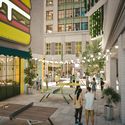
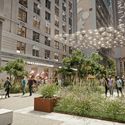
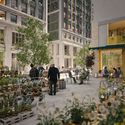
ODA has just launched its latest project, an urban vision for the future of the streets of New York. The project titled Beyond the street- Reimagining the flower district proposes to transform a city block from the outside in, altering the pedestrian experience and introducing new zoning changes that would give landowners air rights or tax credits in exchange for handing over their inner courtyards to be transformed into public/private spaces.

ArchDaily had the chance to talk with Eran Chen, founding principal and executive director of ODA, about the firm’s very special proposal that seeks to improve our urban environment. Check the interview and watch ODA’s explanatory movie.

ODA Imagines the Future of the Streets of New York, Introducing Public/Private Spaces and a New Pedestrian Experience - Image 1 of 4ODA Imagines the Future of the Streets of New York, Introducing Public/Private Spaces and a New Pedestrian Experience - Image 2 of 4ODA Imagines the Future of the Streets of New York, Introducing Public/Private Spaces and a New Pedestrian Experience - Image 3 of 4ODA Imagines the Future of the Streets of New York, Introducing Public/Private Spaces and a New Pedestrian Experience - Image 4 of 4ODA Imagines the Future of the Streets of New York, Introducing Public/Private Spaces and a New Pedestrian Experience - More Images+ 28

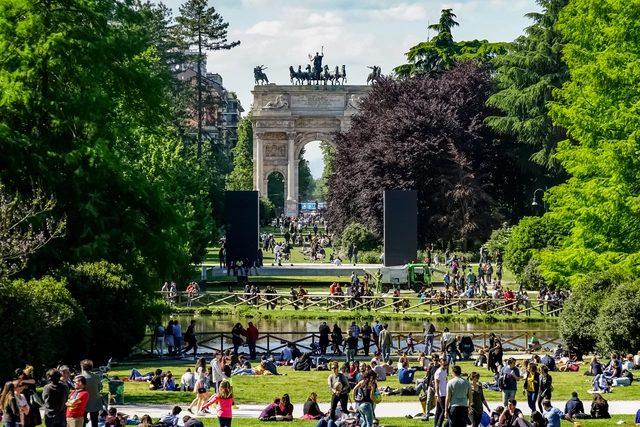
Systematica Releases First Assessment on Milan Public Realm, Green Areas and Gathering Places

Systematica has just released a case study on access to green areas and the public realm in the city of Milan. Focusing on the availability of these gathering spaces for residents, the research, particularly relevant in this time of the pandemic, also highlights open and not crowded public spaces, convenient for a safe social life.

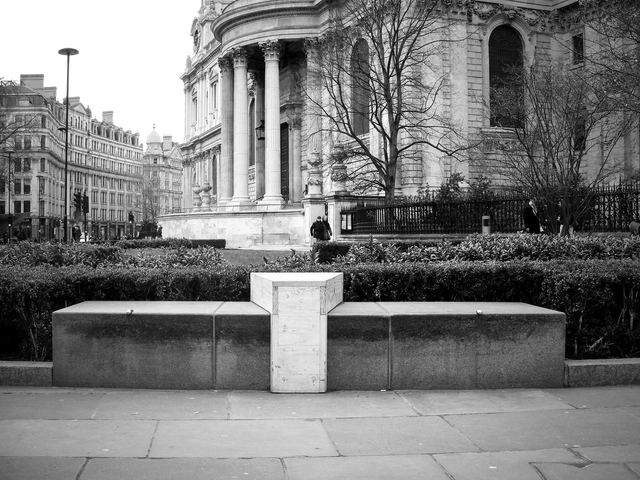
How Aggressive Architecture Designs the Homeless Out of the Public Realm

In recent years, the architectural community has become heavily involved, in both positive and negative ways, with the chronic global issue of homelessness. In response, James Furzer of UK-based Spatial Design Architects has undertaken a photographic analysis exploring defensive forms of urban design. Using the typology of public benches in London, Furzer documents public fixtures which act as deterrents to rough sleepers, essentially denying a right to the city for those who ultimately have no choice but to be there.

How Aggressive Architecture Designs the Homeless Out of the Public Realm - Image 1 of 4How Aggressive Architecture Designs the Homeless Out of the Public Realm - Image 2 of 4How Aggressive Architecture Designs the Homeless Out of the Public Realm - Image 3 of 4How Aggressive Architecture Designs the Homeless Out of the Public Realm - Image 4 of 4How Aggressive Architecture Designs the Homeless Out of the Public Realm - More Images+ 7

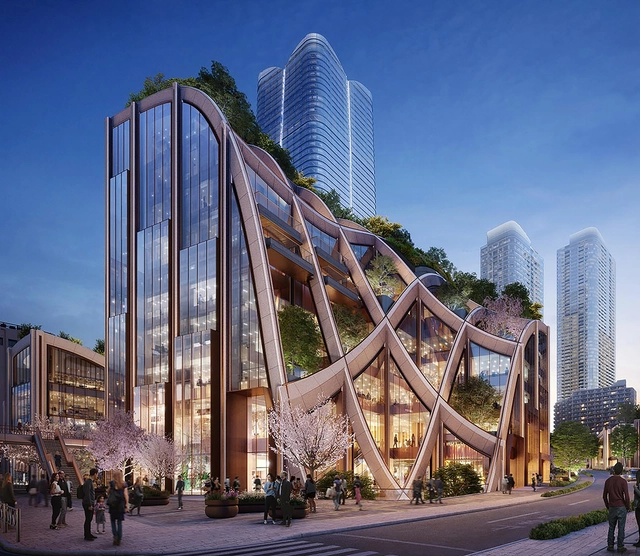
Public Redevelopment for the City of Tokyo by Heatherwick Studio

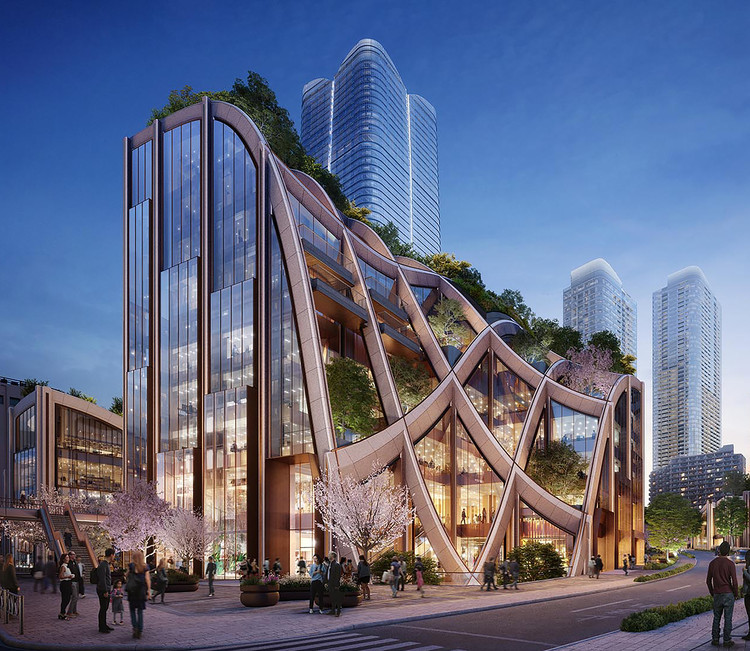
Heatherwick Studio’s first built venture in Japan is a huge planted pergola, put in place to create a new hub for the district of Toranomon-Azabudai in Tokyo, Japan. The project is due for completion in March 2023.

Public Redevelopment for the City of Tokyo by Heatherwick Studio  - Image 1 of 4Public Redevelopment for the City of Tokyo by Heatherwick Studio  - Image 2 of 4Public Redevelopment for the City of Tokyo by Heatherwick Studio  - Image 3 of 4Public Redevelopment for the City of Tokyo by Heatherwick Studio  - Image 4 of 4Public Redevelopment for the City of Tokyo by Heatherwick Studio  - More Images+ 2