1. ArchDaily
  2. Performance

Performance: The Latest Architecture and News

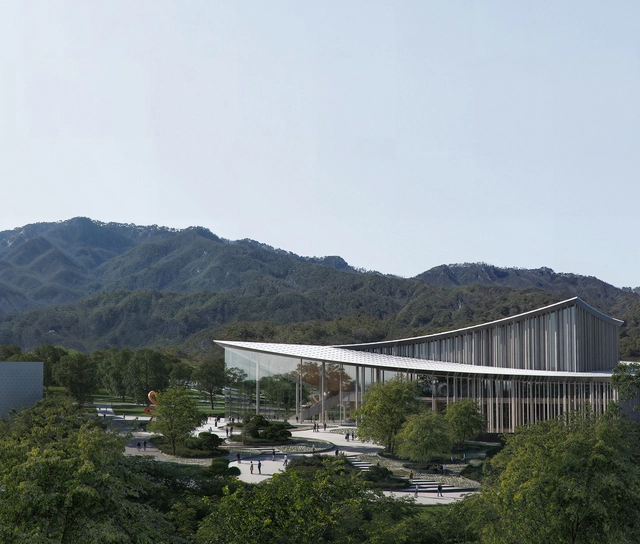
BIG Designs Dual-Volume EVE Music Hall Amid Agricultural Landscape in Čepin, Croatia

BIG – Bjarke Ingels Group is nearing completion of the EVE Music Hall in Čepin, eastern Croatia, designed in collaboration with SIRRAH projekt and Theatre Projects. The 10,000 m² project contains a live music venue, congress facilities, exhibition spaces, a café, and rooftop event spaces. The venue is expected to host concerts, conferences, exhibitions, and cultural activities, accommodating nearly 4,000 guests indoors and up to 25,000 outdoors. The new cultural building marks the office's first project in Croatia and is expected to become its first completed music performance venue in early 2027.

Design Intelligence and Workflow Continuity: Autodesk Advances Forma and Revit Integration

 | Sponsored Content

Design teams are not short on tools; they're short on continuity. Project data remains fragmented across files, and decisions often lose context as work moves from planning to design to construction. As a result, teams spend valuable time reconnecting information instead of advancing projects.

This points to the need for workflows that preserve design intent and carry knowledge forward across each stage of the process. Within this framework, the idea of "design and make intelligence" can be understood as a shift toward continuity, where data, decisions, and lessons from planning, design, construction, and operations remain embedded in the project rather than stopping at handover. In this context, AI and automation operate with greater relevance, building on accumulated information instead of isolated inputs.

Ideology of Performance: Sustainability and the Limits of Efficiency

This article is part of our new Opinion section, a format for argument-driven essays on critical questions shaping our field.

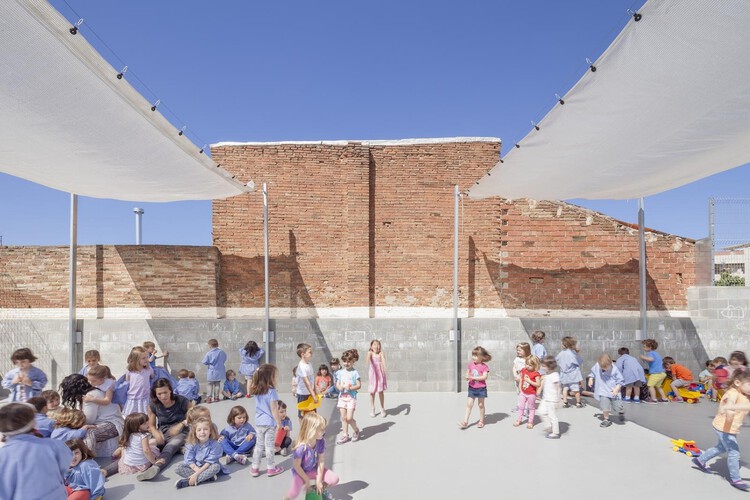
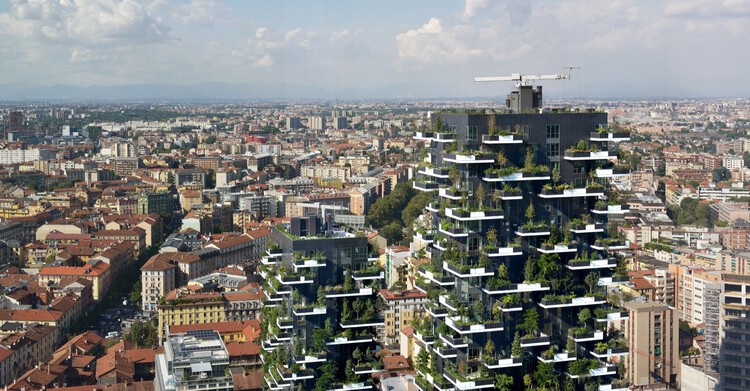
The modern sustainability project is built on the promise that evolving technologies can reconcile urban and economic growth with ecological responsibility. By the metrics developed by the built environment professions and the policies adopted by governments, progress is tangible and accelerating: buildings consume less energy per square foot than they did a generation ago, vehicles emit fewer pollutants per mile, and urban infrastructure is more integrated and measurably cleaner in many cities. And yet total resource consumption continues to rise. Sustainability, as currently practiced across the built environment professions, has become a strategy for optimizing consumption rather than reducing it. Until the profession is willing to question the scale and structure of demand rather than the efficiency with which that demand is met, its most celebrated achievements will continue to fall short of the problem they claim to address.

Ideology of Performance: Sustainability and the Limits of Efficiency - Image 1 of 4Ideology of Performance: Sustainability and the Limits of Efficiency - Image 2 of 4Ideology of Performance: Sustainability and the Limits of Efficiency - Image 5 of 4Ideology of Performance: Sustainability and the Limits of Efficiency - Image 3 of 4Ideology of Performance: Sustainability and the Limits of Efficiency - More Images+ 23

Pop Star Architecture: BIG Designs Multi-Use Stadium for Shakira’s World Tour in Madrid, Spain

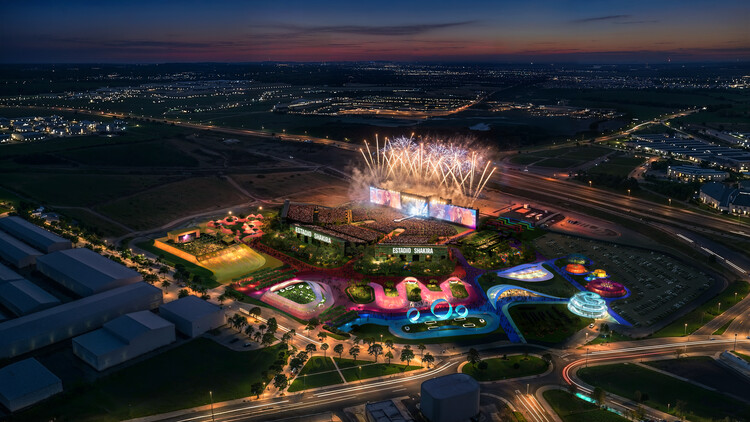
Kanye West turning a Tadao Ando Malibu beach house into a ruin, Ellen DeGeneres and Portia de Rossi purchasing and re-selling the 1955 Richard Neutra-designed Brown-Sidney House, and fashion designer Marc Jacobs renovating a Frank Lloyd Wright-designed house near New York City are just a few examples of pop stars' affair with historically significant architecture. Celebrities, like soccer players, form an elite group characterized by a high concentration of wealth and significant social status. They are not only buyers of high-end architecture as authored property and cultural capital, but also agents of its preservation and promotion. This year, we are seeing new examples of this agency at work from a more abstract yet also more popular perspective: from the stage design for Bad Bunny's Super Bowl performance to a newly designed stadium for Shakira by BIG-Bjarke Ingels Group, architecture is used as a vehicle for promoting Latin American identity.

Pop Star Architecture: BIG Designs Multi-Use Stadium for Shakira’s World Tour in Madrid, Spain - Image 1 of 4Pop Star Architecture: BIG Designs Multi-Use Stadium for Shakira’s World Tour in Madrid, Spain - Image 2 of 4Pop Star Architecture: BIG Designs Multi-Use Stadium for Shakira’s World Tour in Madrid, Spain - Image 3 of 4Pop Star Architecture: BIG Designs Multi-Use Stadium for Shakira’s World Tour in Madrid, Spain - Image 4 of 4Pop Star Architecture: BIG Designs Multi-Use Stadium for Shakira’s World Tour in Madrid, Spain - More Images+ 8

BuildFest Introduces “Acts of Construction,” a Three-Year Exploration of Timber Installations

 | Sponsored Content

The Bethel Woods Art and Architecture Festival announces BuildFest: Acts of Construction, a three-year initiative that activates the historic grounds of the 1969 Woodstock festival through large-scale timber installations and multimedia experiences. Each year is organized around a single theme, inviting designers to collaborate on an interdisciplinary series of "acts" that build on one another to create an interconnected set of installations, activations, and performances. Act One: Staging is currently accepting proposals for adaptive art infrastructure designed to "set the stage" for future activations. It will be followed by Act Two: Choreography in 2027 and Act Three: Performance in 2028.

One Week to Milano Cortina 2026: The Cultural Olympiad Expands the Games Through a Distributed Arts and Public Programme

Nearly one week before the start of the Milano Cortina 2026 Winter Olympics, the organizing committee has released official information on the event's Cultural Olympiad: an arts and culture programme accompanying the Olympic and Paralympic Games. The programme is recognized by the IOC as one of the three pillars of the Olympic Movement, alongside sport and education. Conceived as a widespread platform involving territories, institutions, and communities across Italy, the Cultural Olympiad aims to highlight the Italian Alps and Milan's cultural heritage while promoting Olympic values through art, history, and participation beyond the official sports venues.

One Week to Milano Cortina 2026: The Cultural Olympiad Expands the Games Through a Distributed Arts and Public Programme - Image 1 of 4One Week to Milano Cortina 2026: The Cultural Olympiad Expands the Games Through a Distributed Arts and Public Programme - Image 2 of 4One Week to Milano Cortina 2026: The Cultural Olympiad Expands the Games Through a Distributed Arts and Public Programme - Image 3 of 4One Week to Milano Cortina 2026: The Cultural Olympiad Expands the Games Through a Distributed Arts and Public Programme - Image 4 of 4One Week to Milano Cortina 2026: The Cultural Olympiad Expands the Games Through a Distributed Arts and Public Programme - More Images

The Nordic Pavilion at the 2025 Venice Biennale Explores Architecture Through the Lens of the Trans Body

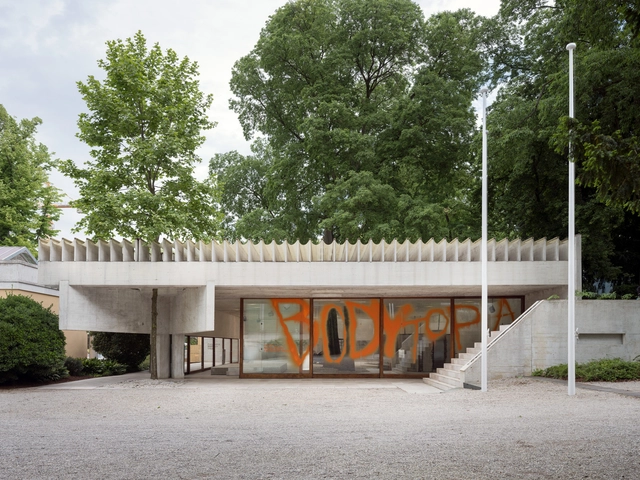
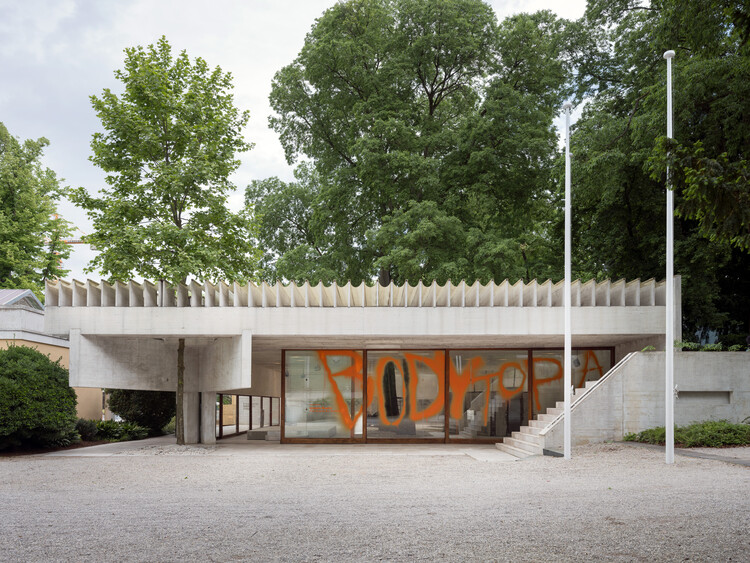
The Nordic countries' display at the 19th International Architecture Exhibition of La Biennale di Venezia is housed in Sverre Fehn's celebrated 1962 Nordic Pavilion, a landmark of architectural modernism representing Sweden, Norway, and Finland. This year, the Nordic countries present an exhibition that blends architecture, performance, and art installation, treating the built environment as a stage for the sociopolitical norms of fossil-based culture. Curated by Kaisa Karvinen for the Architecture & Design Museum Helsinki, the exhibition, titled Industry Muscle: Five Scores for Architecture, explores modern architecture through the lens of the trans body, featuring the work of Finnish artist Teo Ala-Ruona, who combines performance art, theatre, and choreography.

The Nordic Pavilion at the 2025 Venice Biennale Explores Architecture Through the Lens of the Trans Body - Image 1 of 4The Nordic Pavilion at the 2025 Venice Biennale Explores Architecture Through the Lens of the Trans Body - Image 2 of 4The Nordic Pavilion at the 2025 Venice Biennale Explores Architecture Through the Lens of the Trans Body - Image 3 of 4The Nordic Pavilion at the 2025 Venice Biennale Explores Architecture Through the Lens of the Trans Body - Image 4 of 4The Nordic Pavilion at the 2025 Venice Biennale Explores Architecture Through the Lens of the Trans Body - More Images+ 39

OMA and WITH Architecture Studio to Revitalize Perth Concert Hall in Australia

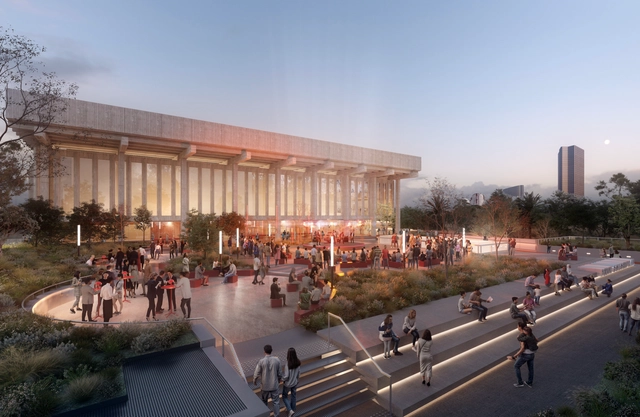
The Western Australian Government has announced the upcoming renovation of the Perth Concert Hall, a 51-year-old heritage-listed venue known for its significant role in the city's cultural landscape. Originally designed by architects Jeffrey Howlett and Don Bailey, the concert hall will undergo extensive upgrades led by OMA's Australian office in collaboration with Perth-based WITH Architecture Studio. The project is set to begin in early 2025, aiming to provide a modern home for the West Australian Symphony Orchestra (WASO) and improve visitor facilities through new public spaces, upgraded amenities, and improved seating.
Nová Scéna: The Story Behind the Iconic Brutalist Extension of the National Theatre in Prague

Subscriber Access | 

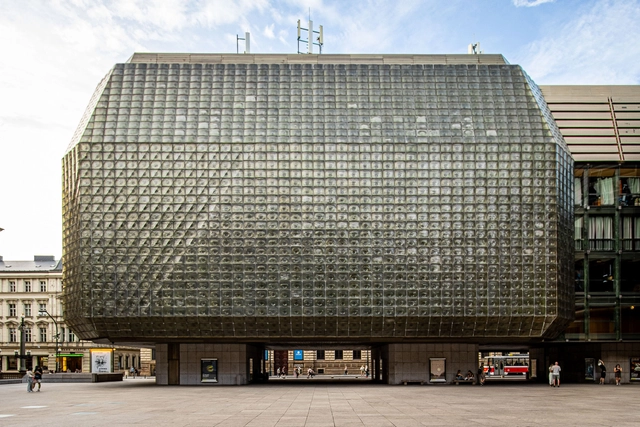
From 1977 to 1983, the National Theatre in Prague underwent a major transformation with the opening of Nová Scéna, a modern counterpart to the traditional Neo-Renaissance theatre. For many years, Nová Scéna hosted the renowned Laterna Magika, the world’s first multimedia theatre. This groundbreaking performance style combined classical theatre with computer-generated visual effects, creating a unique dramatic experience. The striking glass building, a symbol of the communist era, became an iconic representation of the political power of the time. In recognition of its significance, this building was part of the Open House Prague festival in 2024—an annual event that invites the public to explore and appreciate the value of architecture.

Nová Scéna: The Story Behind the Iconic Brutalist Extension of the National Theatre in Prague - Image 1 of 4Nová Scéna: The Story Behind the Iconic Brutalist Extension of the National Theatre in Prague - Image 2 of 4Nová Scéna: The Story Behind the Iconic Brutalist Extension of the National Theatre in Prague - Image 3 of 4Nová Scéna: The Story Behind the Iconic Brutalist Extension of the National Theatre in Prague - Image 4 of 4Nová Scéna: The Story Behind the Iconic Brutalist Extension of the National Theatre in Prague - More Images+ 9

UT Dallas Opens Crow Museum of Asian Art Designed by Morphosis, Begins Construction on Performance Hall

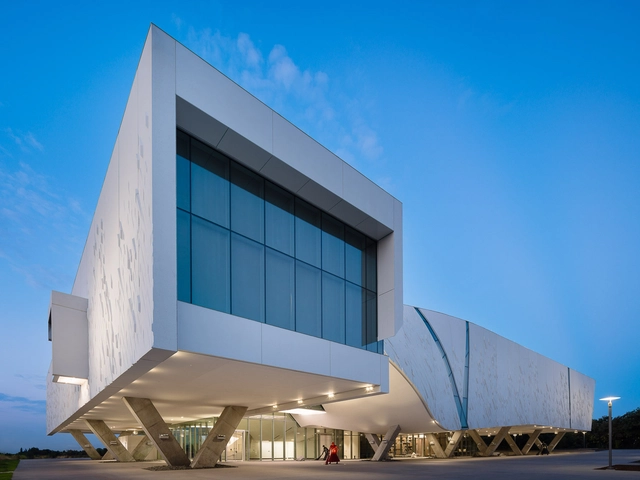
The University of Texas at Dallas (UT Dallas) has reached two major milestones in its 12-acre cultural development, the Edith and Peter O'Donnell Jr. Athenaeum: the grand opening of the Crow Museum of Asian Art and the groundbreaking of a new performance hall and music building. Designed by architectural firm Morphosis, the Crow Museum of Asian Art serves as the centerpiece of the university's commitment to expanding its cultural offerings and engaging both the campus and the surrounding North Texas community. Alongside the museum's opening, UT Dallas also broke ground on a new performance hall and music building, set to be completed by fall 2026.
UT Dallas Opens Crow Museum of Asian Art Designed by Morphosis, Begins Construction on Performance Hall - Image 1 of 4UT Dallas Opens Crow Museum of Asian Art Designed by Morphosis, Begins Construction on Performance Hall - Image 2 of 4UT Dallas Opens Crow Museum of Asian Art Designed by Morphosis, Begins Construction on Performance Hall - Image 3 of 4UT Dallas Opens Crow Museum of Asian Art Designed by Morphosis, Begins Construction on Performance Hall - Image 4 of 4UT Dallas Opens Crow Museum of Asian Art Designed by Morphosis, Begins Construction on Performance Hall - More Images+ 16

Ostrava Concert Hall by Steven Holl Architects Breaks Ground in Czech Republic

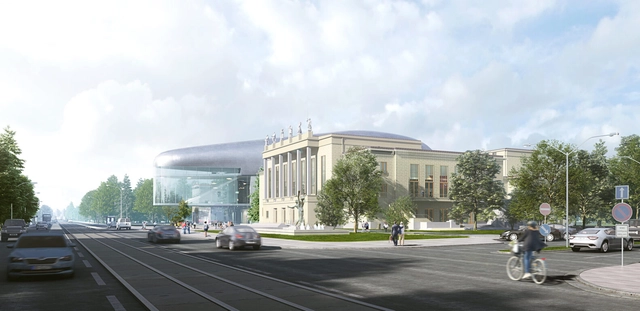
The Ostrava Concert Hall, designed by Steven Holl Architects, has just broken ground in the Czech Republic. Commemorating the start of construction, the concert hall “promises to be an inspiring venue for both locals and internationals who cherish Ostrava’s rich music heritage.” Designed for the Janacek Philharmonic Orchestra, it creates a dramatic contrast between old and new, aiming to create a cultural landmark.

Ostrava Concert Hall by Steven Holl Architects Breaks Ground in Czech Republic - Image 1 of 4Ostrava Concert Hall by Steven Holl Architects Breaks Ground in Czech Republic - Image 2 of 4Ostrava Concert Hall by Steven Holl Architects Breaks Ground in Czech Republic - Image 3 of 4Ostrava Concert Hall by Steven Holl Architects Breaks Ground in Czech Republic - Image 4 of 4Ostrava Concert Hall by Steven Holl Architects Breaks Ground in Czech Republic - More Images

3XN Wins Competition to Design Chungnam Art Center in South Korea

3XN has just won an international competition, which they were invited to participate in, to design the Chungnam Art Center in Chungcheongnam-do, South Korea. Designed in collaboration with SIAPLAN and MDA, the new art center aims to serve as a key destination for creative expression. Drawing inspiration from the dynamic movements of art, the center seeks to create a space where everyone can both experience and participate in the arts.

3XN Wins Competition to Design Chungnam Art Center in South Korea - Image 1 of 43XN Wins Competition to Design Chungnam Art Center in South Korea - Image 2 of 43XN Wins Competition to Design Chungnam Art Center in South Korea - Image 3 of 43XN Wins Competition to Design Chungnam Art Center in South Korea - Image 4 of 43XN Wins Competition to Design Chungnam Art Center in South Korea - More Images+ 2

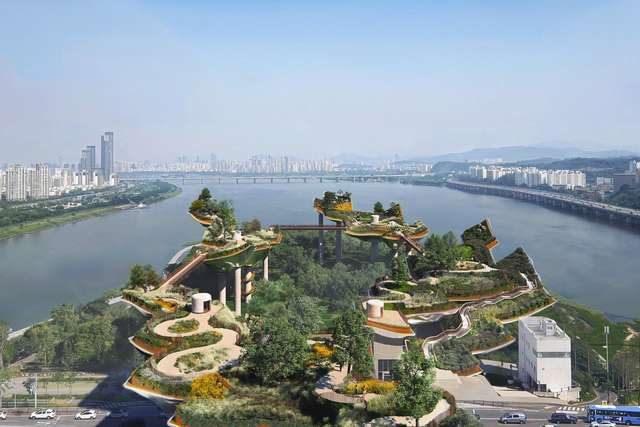
Heatherwick Studio Wins Competition to Reimagine Seoul’s Nodeul Island in South Korea

Heatherwick Studio has just won the global competition to transform Seoul’s uninhabited Nodeul Island on the Han River into a lively public park. Titled “Soundscape,” the winning project “creates a trail of dramatic spaces on different levels that can host musical performances and artistic interventions.” Situated within a green and biodiverse landscape, the design echoes Seoul's mountainous terrain and the patterns of sound waves.

Immersive Spaces: Shaping Profound Experiences Through Architecture and Art

Subscriber Access | 

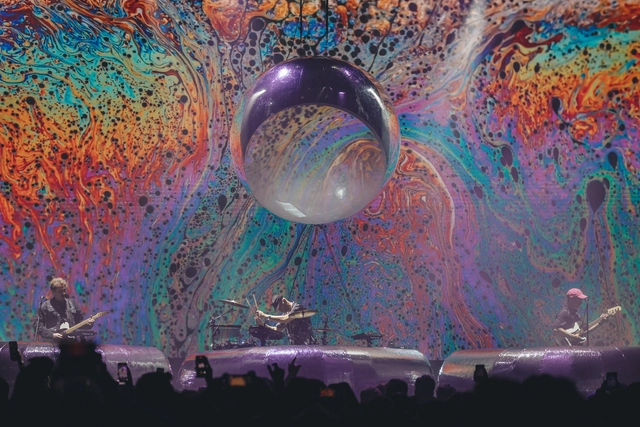
Immersive spaces are heavily sensorial environments meant to create impactful experiences crafted through intentionally curated architecture, light, imagery, sound, and sometimes even smell. To "immerse" oneself is to be wholly enveloped in a world shaped solely by immediate sensory input. Using digital tools to craft these environments to showcase art, create compelling exhibitions, and feature performance events has become increasingly popular. Evocative experiences like these can offer a respite from the inundation of personalized digital content and foster shared, grounding encounters. The design of these can exist at the intersection of architecture, graphic design, visual art, lighting design, music, and performance. They underscore the power of interdisciplinary collaboration to craft memorable moments. So, what role does architecture play in shaping these?

Immersive Spaces: Shaping Profound Experiences Through Architecture and Art - Image 1 of 4Immersive Spaces: Shaping Profound Experiences Through Architecture and Art - Image 2 of 4Immersive Spaces: Shaping Profound Experiences Through Architecture and Art - Image 4 of 4Immersive Spaces: Shaping Profound Experiences Through Architecture and Art - Image 3 of 4Immersive Spaces: Shaping Profound Experiences Through Architecture and Art - More Images+ 1

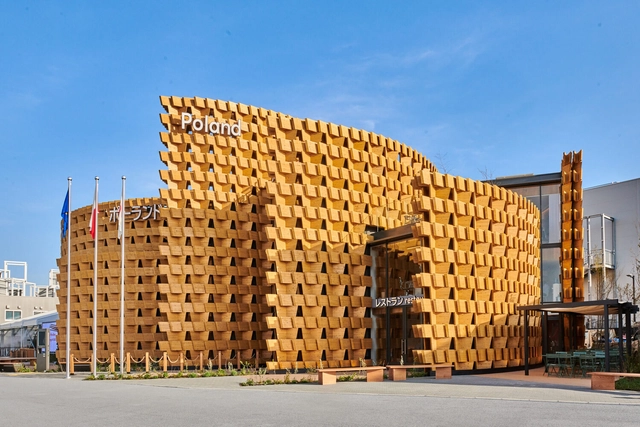
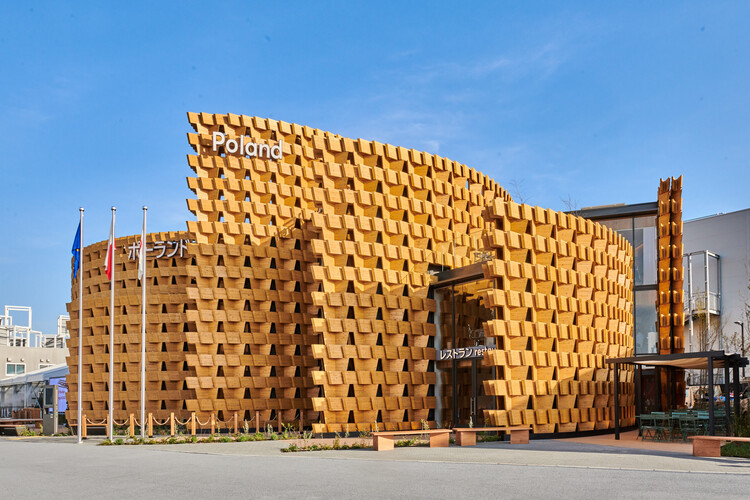
The Polish Pavilion at Expo Osaka 2025 Resembles Spreading Wave of Creativity and Innovation

Commissioned by the Polish Investment and Trading Agency, Poland's Pavilion at the World Expo in Osaka is designed by Interplay The project is responding to the theme of the upcoming Expo, "Designing Future Society for Our Lives" and was born from the Interplay's fascination with spirals, specifically the shape's use in different scales, from "protein molecules to the structure of galaxies." Serving as a symbol of Polish ingenuity, the geometric-patterned pavilion aims to extend its influence beyond national boundaries.

The Polish Pavilion at Expo Osaka 2025 Resembles Spreading Wave of Creativity and Innovation - Image 1 of 4The Polish Pavilion at Expo Osaka 2025 Resembles Spreading Wave of Creativity and Innovation - Image 2 of 4The Polish Pavilion at Expo Osaka 2025 Resembles Spreading Wave of Creativity and Innovation - Image 3 of 4The Polish Pavilion at Expo Osaka 2025 Resembles Spreading Wave of Creativity and Innovation - Image 4 of 4The Polish Pavilion at Expo Osaka 2025 Resembles Spreading Wave of Creativity and Innovation - More Images+ 12

The Design Process in Production Design: 8 Conversations About Sets, Props, and Locations

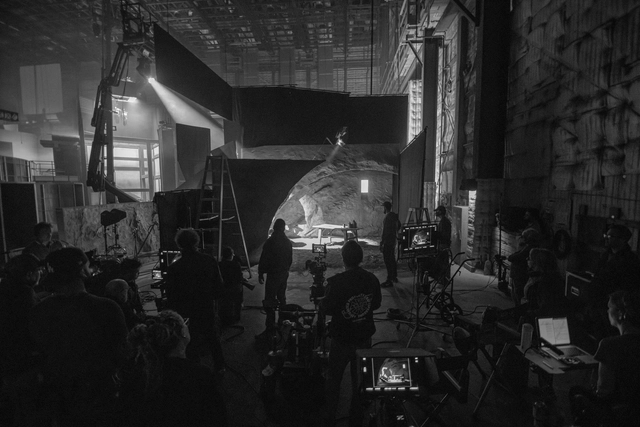
"I have a feeling we're not in Kansas anymore," Dorothy says to her dog in 1939's 'The Wizard of Oz' as she walks around, discovering a fantasy set in which, without realizing it, we find ourselves immersed. From the initial sketch to the construction of the sets, production design for film requires careful detail to truly bring visions to life and transport viewers.

In this combination of creativity, research, and collaboration, various production designers have approached us to share their adventures and design processes. The importance of creating a cohesive visual aspect, understanding language and styles, and translating all of this to the screen come together in the following series of 8 interviews we conducted with Annie Beauchamp, Luca Tranchino, Felicity Abbott, Jacinta Leong, Alexandra Schaller, Ina Mayhew, Amy Lee Wheeler, and Stefan Dechant.

Engaging with Architecture as a Wider Cultural Practice: In Conversation with the Co-Curators of the British Pavilion in Venice

Subscriber Access | 

While exploring the 18th International Architecture Exhibition onsite in Venice, ArchDaily had the chance to speak with Jayden Ali and Joseph Henry, two of the co-curators of the British National Pavilion. The exhibition titled “Dancing Before the Moon” was created together with Meneesha Kellay and Sumitra Upham, and features creations from six designers and artists. As the curators explain, the aim of the installations is to expand the general understanding of what architecture is and to integrate it into a wider conversation with fashion, music, art, dance, and performance, rather than separating it as its own class of creativity. On June 20th, a few days after the conversation, the British National Pavilion was awarded a special mention at this year's award ceremony.

Engaging with Architecture as a Wider Cultural Practice: In Conversation with the Co-Curators of the British Pavilion in Venice - Image 1 of 4Engaging with Architecture as a Wider Cultural Practice: In Conversation with the Co-Curators of the British Pavilion in Venice - Image 2 of 4Engaging with Architecture as a Wider Cultural Practice: In Conversation with the Co-Curators of the British Pavilion in Venice - Image 3 of 4Engaging with Architecture as a Wider Cultural Practice: In Conversation with the Co-Curators of the British Pavilion in Venice - Image 4 of 4Engaging with Architecture as a Wider Cultural Practice: In Conversation with the Co-Curators of the British Pavilion in Venice - More Images+ 5

“Ball Theater:” The French Pavilion at the 2023 Venice Architecture Biennale is Curated by Muoto & Georgi Stanishev

The project “Ball Theater” has been chosen to represent the French Pavilion at the 18th International Architecture Exhibition of La Biennale di Venezia. As a response to the world of thought and experiment proposed by Lesley Lokko’s theme of “The Laboratory of the Future”, the French team aims to create a place of celebration and collective experiment by transforming the pavilion into a performance space. The curatorial team is composed of Muoto, an architectural practice founded in Paris by Gilles Delalex and Yves Moreau, in partnership with Georgi Stanishev and Clémence La Sagna for the scenography, associate curator Jos Auzende, and Anna Tardivel for the programming. The pavilion will be open from May 20th until November 26, 2023.

“Ball Theater:” The French Pavilion at the 2023 Venice Architecture Biennale is Curated by Muoto & Georgi Stanishev - Image 1 of 4“Ball Theater:” The French Pavilion at the 2023 Venice Architecture Biennale is Curated by Muoto & Georgi Stanishev - Image 2 of 4“Ball Theater:” The French Pavilion at the 2023 Venice Architecture Biennale is Curated by Muoto & Georgi Stanishev - Image 3 of 4“Ball Theater:” The French Pavilion at the 2023 Venice Architecture Biennale is Curated by Muoto & Georgi Stanishev - Image 4 of 4“Ball Theater:” The French Pavilion at the 2023 Venice Architecture Biennale is Curated by Muoto & Georgi Stanishev - More Images+ 7