1. ArchDaily
  2. Participatory Design

Participatory Design: The Latest Architecture and News

From Abu Dhabi to Oklahoma City: Architecture Now and New Announcements by Heatherwick Studio, MANICA, Kengo Kuma, and More

Subscriber Access | 

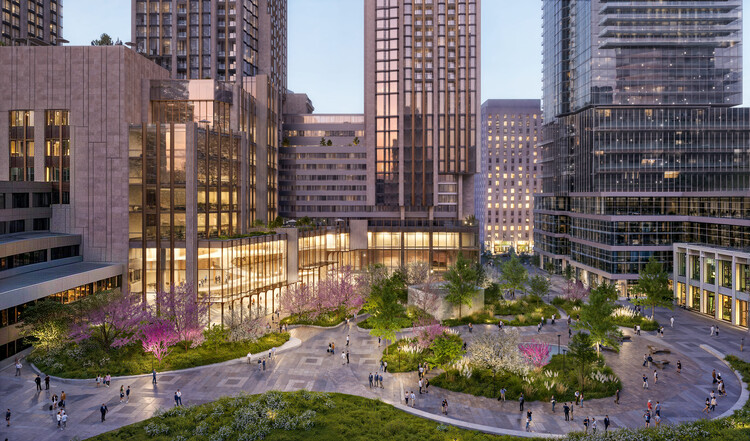
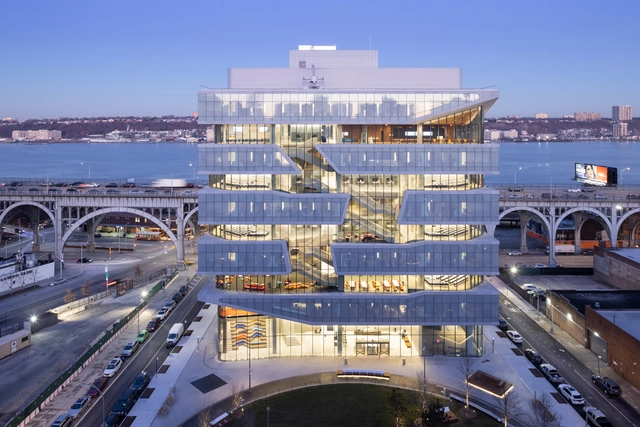
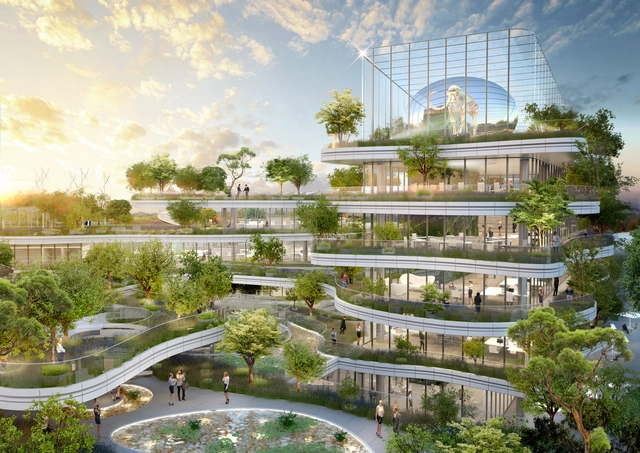
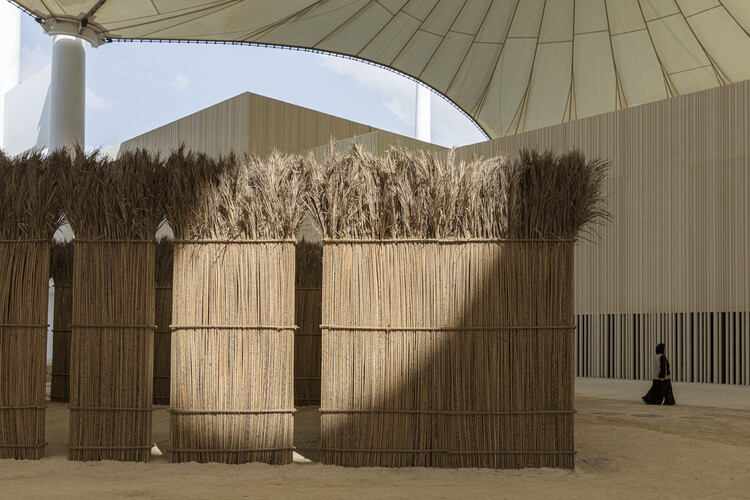
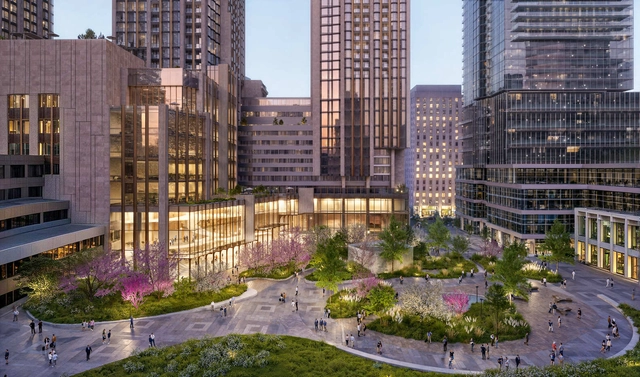
As cities around the world respond to shifting environmental, cultural, and social dynamics, new architectural proposals are reshaping how we think about public life, community engagement, and the built environment. From Aldar's coastal wellness destination on Fahid Island in Abu Dhabi, to a flexible scaffolding-based office concept in Athens by Georges Batzios Architects, this edition of Architecture Now features diverse projects that reinterpret architecture as both infrastructure and interface. In Seoul, Heatherwick Studio is leading a resident-initiated redevelopment model for a housing complex near the Han River, while Toronto's College Park is set for a major transformation balancing heritage restoration with vertical intensification. In Oklahoma City, MANICA and TVS are designing a new sports arena that anchors an emerging entertainment district through material, landscape, and civic gestures. Together, these diverse yet interconnected efforts signal a broader shift toward integrated, future-oriented urban design.
From Abu Dhabi to Oklahoma City: Architecture Now and New Announcements by Heatherwick Studio, MANICA, Kengo Kuma, and More - Image 1 of 4From Abu Dhabi to Oklahoma City: Architecture Now and New Announcements by Heatherwick Studio, MANICA, Kengo Kuma, and More - Image 2 of 4From Abu Dhabi to Oklahoma City: Architecture Now and New Announcements by Heatherwick Studio, MANICA, Kengo Kuma, and More - Image 3 of 4From Abu Dhabi to Oklahoma City: Architecture Now and New Announcements by Heatherwick Studio, MANICA, Kengo Kuma, and More - Image 4 of 4From Abu Dhabi to Oklahoma City: Architecture Now and New Announcements by Heatherwick Studio, MANICA, Kengo Kuma, and More - More Images+ 14

Rhythms of the Soil: Architecture as Agroecology

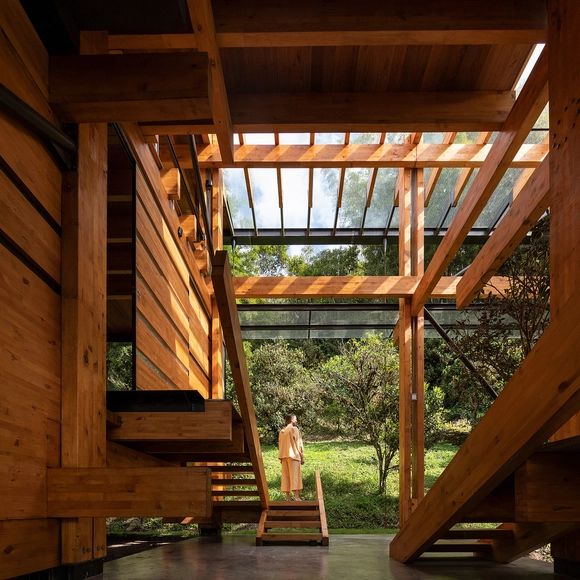
At a time of ecological collapse and rising food insecurity, architecture is increasingly called upon to engage not only with landscapes but with the systems that sustain and regenerate them. Among these systems, agriculture occupies a paradoxical role, as both a leading contributor to environmental degradation and a potential agent of ecological recovery. Industrial farming has depleted soils, fragmented habitats, and driven climate change through monocultures, fossil-fuel dependency, and territorial standardization. In response, agroecology has emerged as a counter-practice rooted in biodiversity, local knowledge, and the cyclical rhythms of nature. It reframes farming not as extraction, but as regeneration of ecosystems, communities, and the soil itself.

This reframing opens space for architecture to contribute meaningfully. To align with agroecology is not only to support food production, but to engage with the broader cultural, spatial, and ecological conditions that sustain it. It implies designing with seasonal variation, supporting shared use, and building in ways that respect both the land and those who work it. Architecture becomes more than enclosure — it becomes a mediator of cultivation, reciprocity, and coexistence.

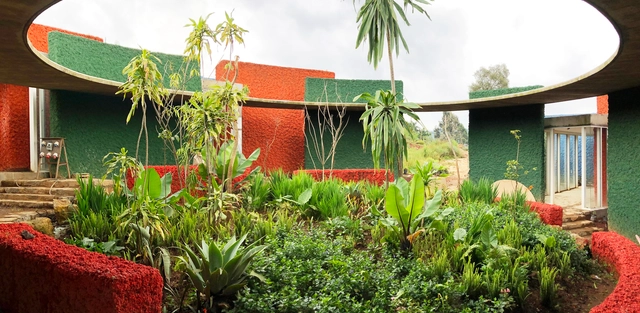
Rhythms of the Soil: Architecture as Agroecology - Image 1 of 4Rhythms of the Soil: Architecture as Agroecology - Image 2 of 4Rhythms of the Soil: Architecture as Agroecology - Image 3 of 4Rhythms of the Soil: Architecture as Agroecology - Image 4 of 4Rhythms of the Soil: Architecture as Agroecology - More Images+ 47

The Architecture of Rewilding: Designing for Ecosystem Recovery

As climate instability reshapes design priorities, architecture is increasingly drawn into ecological debates not as a spectator but as a participant. Among the concepts gaining traction is rewilding, a practice rooted in the restoration of self-sustaining ecosystems through the reintroduction of biodiversity, the removal of barriers, and the rebalancing of human presence in the landscape. Though often associated with conservation biology, rewilding also opens up new spatial and architectural imaginaries — ones that challenge conventional notions of permanence, authorship, and use.

The Architecture of Rewilding: Designing for Ecosystem Recovery - Image 1 of 4The Architecture of Rewilding: Designing for Ecosystem Recovery - Image 2 of 4The Architecture of Rewilding: Designing for Ecosystem Recovery - Image 3 of 4The Architecture of Rewilding: Designing for Ecosystem Recovery - Image 4 of 4The Architecture of Rewilding: Designing for Ecosystem Recovery - More Images+ 68

Concéntrico 2025: The Politics of Urban Presence

Subscriber Access | 

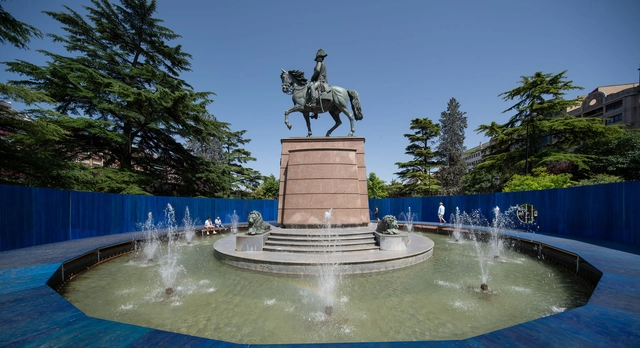
Every June, the Spanish city of Logroño transforms into a space of architectural dialogue, opening its streets, plazas, riverbanks, and traffic islands to temporary structures that redefine how cities are inhabited. For ten editions, Concéntrico has worked not as a specialized fair or an architecture biennale, but as a portable museum — a curatorial gesture that brings a dispersed collection of contemporary architecture into public space. Set in a city suspended between arid plains and distant mountains, far from the circuits of capital cities and cultural institutions, Concéntrico presents itself as a temporary promise. It's a reminder that even cities that are often overlooked can host architecture that is current, diverse, and speculative. In this sense, the festival is less about celebration and more about activation.

But beyond its curatorial logic, Concéntrico operates as a political structure. In the ancient sense of polis, it invites citizens, architects, and institutions to reassess what public space can be. The interventions offer speculative proposals for urban life that reveal what is missing, what is possible, and what should be questioned. A temporary pool over a fountain, a bathhouse in a roundabout, or a shared meal on a major avenue are not just spatial gestures — they are political statements, asking how urban infrastructure might be redirected from control to care, from efficiency to encounter. In that way, the festival becomes not just a reflection of the city, but an instrument for its transformation.

Concéntrico 2025: The Politics of Urban Presence - Image 1 of 4Concéntrico 2025: The Politics of Urban Presence - Image 2 of 4Concéntrico 2025: The Politics of Urban Presence - Image 3 of 4Concéntrico 2025: The Politics of Urban Presence - Image 4 of 4Concéntrico 2025: The Politics of Urban Presence - More Images+ 58

Learning from Artists: New Perspectives on Public Space

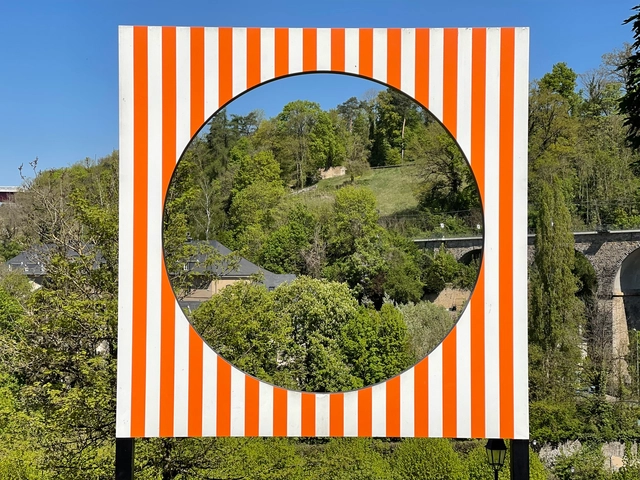
Public space has long been central to architectural thought, often framed in terms of planning, infrastructure, and regulation. From Haussmann's Paris to contemporary masterplans, architects have worked to define and formalise collective life through spatial tools. Yet, outside of these frameworks, artists have continuously offered alternative ways of understanding and inhabiting public space—ways that rely not on construction or permanence, but on presence, perception, and participation. Through actions, objects, or atmospheres, artists engage the city as a site of friction and imagination. These gestures challenge architectural conventions and invite artists to reconsider public space not as a solved form, but as a contingent and open process.

Learning from Artists: New Perspectives on Public Space - Image 1 of 4Learning from Artists: New Perspectives on Public Space - Image 2 of 4Learning from Artists: New Perspectives on Public Space - Image 3 of 4Learning from Artists: New Perspectives on Public Space - Image 4 of 4Learning from Artists: New Perspectives on Public Space - More Images+ 18

Understanding Soft Architecture: The Shift from Monument to Moment

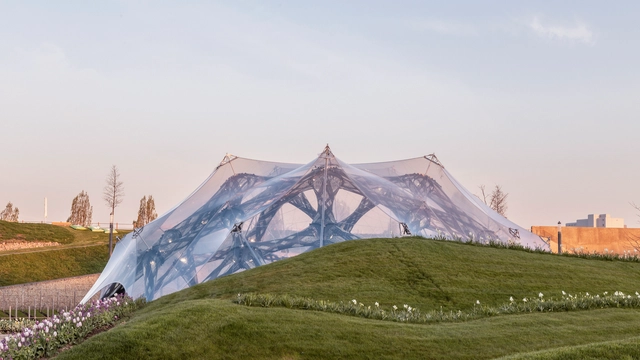
In recent years, architecture has increasingly embraced adaptability, flexibility, and responsiveness as core design principles. This evolution reflects a shift from traditional notions of static, permanent structures to dynamic environments that can adjust to changing needs and conditions. Central to this transformation is the concept of "soft architecture", which leverages pliable materials and innovative systems to create spaces that are functional, sustainable, and user-centric. Soft architecture takes shape through membranes that breathe, façades that move, structures that inflate or fold, and surfaces that bend rather than break. It involves designing for transformation — not only in how a building performs environmentally, but also in how it can accommodate shifting functions, user interactions, or temporary occupations. This approach to building challenges traditional notions of durability and control, proposing instead a more responsive and open-ended architecture. It reflects a growing awareness that buildings, like the societies they serve, must be able to evolve.

Understanding Soft Architecture: The Shift from Monument to Moment - Image 1 of 4Understanding Soft Architecture: The Shift from Monument to Moment - Image 2 of 4Understanding Soft Architecture: The Shift from Monument to Moment - Image 3 of 4Understanding Soft Architecture: The Shift from Monument to Moment - Image 4 of 4Understanding Soft Architecture: The Shift from Monument to Moment - More Images+ 53

From Root to Roof: In Venice, ArchDaily Highlights Restorative Emerging Practices

In partnership with the European Cultural Center (ECC), ArchDaily has launched its inaugural exhibition as part of the seventh iteration of Time Space Existence, an architectural showcase occurring concurrently with the 19th Venice Architecture Biennale. Open from May 10 to November 23, 2025, in various locations throughout Venice, this edition centers on the theme of "Repair, Regenerate, and Reuse," promoting innovative and sustainable approaches in architecture. ArchDaily's contribution is located at Palazzo Mora, complementing other venues like Palazzo Bembo, Marinaressa Gardens, and Palazzo Michiel.

From Root to Roof: In Venice, ArchDaily Highlights Restorative Emerging Practices - Image 1 of 4From Root to Roof: In Venice, ArchDaily Highlights Restorative Emerging Practices - Image 2 of 4From Root to Roof: In Venice, ArchDaily Highlights Restorative Emerging Practices - Image 3 of 4From Root to Roof: In Venice, ArchDaily Highlights Restorative Emerging Practices - Image 4 of 4From Root to Roof: In Venice, ArchDaily Highlights Restorative Emerging Practices - More Images+ 17

Architecture as a Tool for Social Innovation: Human-Centered Design to Combat Loneliness 

Subscriber Access | 

Architecture holds power beyond the creation of buildings - it is a practice that shapes how people live, interact, and thrive within their communities. Architecture can also be a tool for social innovation. Through an understanding of human-centered processes, participatory design, and social sciences, practitioners can address societal challenges such as loneliness, inequality, and public health to equip spaces as vehicles for social equity and engagement. Architecture's role in shaping the future of communities is a direct response to human needs and activated social change.

Architecture as a Tool for Social Innovation: Human-Centered Design to Combat Loneliness  - Image 1 of 4Architecture as a Tool for Social Innovation: Human-Centered Design to Combat Loneliness  - Image 2 of 4Architecture as a Tool for Social Innovation: Human-Centered Design to Combat Loneliness  - Image 3 of 4Architecture as a Tool for Social Innovation: Human-Centered Design to Combat Loneliness  - Image 4 of 4Architecture as a Tool for Social Innovation: Human-Centered Design to Combat Loneliness  - More Images+ 5

Towards an Architecture of Many Intelligences: How Collective Knowledge Shapes the Built Environment

As architecture navigates a rapidly changing world shaped by ecological urgency, social transformation, and technological acceleration, the notion of intelligence is shifting. No longer confined to individual cognition or artificial computation, intelligence can emerge from cultural memory, collective practices, and adaptive systems. In this broader sense, architecture becomes a field of convergence, where natural, artificial, and social intelligences intersect to offer new ways of designing and building.

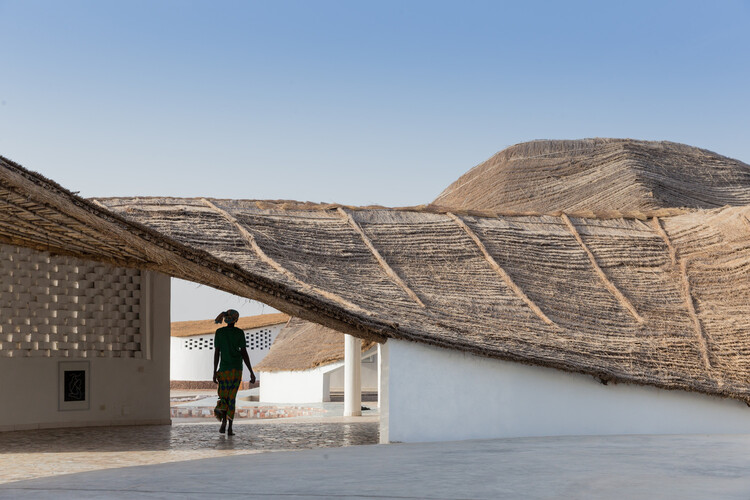
Vernacular traditions embed generations of environmental knowledge, often transmitted through materials, construction techniques, and spatial logics finely tuned to local conditions; participatory platforms expand decision-making to wider communities to take part in shaping their environments, redistributing agency in the design process; and computational processes simulate and respond to complex data in real time bringing the capacity to analyse, simulate, and respond to complex variables — whether environmental, social, or behavioural — offering new forms of adaptability.

Towards an Architecture of Many Intelligences: How Collective Knowledge Shapes the Built Environment - Image 1 of 4Towards an Architecture of Many Intelligences: How Collective Knowledge Shapes the Built Environment - Image 2 of 4Towards an Architecture of Many Intelligences: How Collective Knowledge Shapes the Built Environment - Image 3 of 4Towards an Architecture of Many Intelligences: How Collective Knowledge Shapes the Built Environment - Image 4 of 4Towards an Architecture of Many Intelligences: How Collective Knowledge Shapes the Built Environment - More Images+ 25

The Promise of Accessibility: Can Modular Systems Contribute to Democratizing the Design Process?

At the dawn of Modernism, in the fervent search for innovative, efficient, and cost-effective building systems, the idea of modular construction offered the promise of exactly that: an industrialized system comprised of ready-to-assemble elements, easily configured, cost-effective, and quality-controlled. While the idea did not gain as much traction as was initially expected, it has remained an attractive premise for architects and designers. Now, new developments in the field have led to a renewed interest in the matter, as modular housing emerges as an effective measure in various fields, from affordable housing to emergency shelters, or even as platforms for interdisciplinary collaboration, participation, and co-design. The following article explores this promise of accessibility, creativity, and affordability that has become an integral part of the debate around modular architecture.

The Promise of Accessibility: Can Modular Systems Contribute to Democratizing the Design Process? - Image 1 of 4The Promise of Accessibility: Can Modular Systems Contribute to Democratizing the Design Process? - Image 2 of 4The Promise of Accessibility: Can Modular Systems Contribute to Democratizing the Design Process? - Image 3 of 4The Promise of Accessibility: Can Modular Systems Contribute to Democratizing the Design Process? - Image 4 of 4The Promise of Accessibility: Can Modular Systems Contribute to Democratizing the Design Process? - More Images+ 3

MVRDV Unveils Its Strategic Plan for the Roosendaal Densification Masterplan in the Netherlands

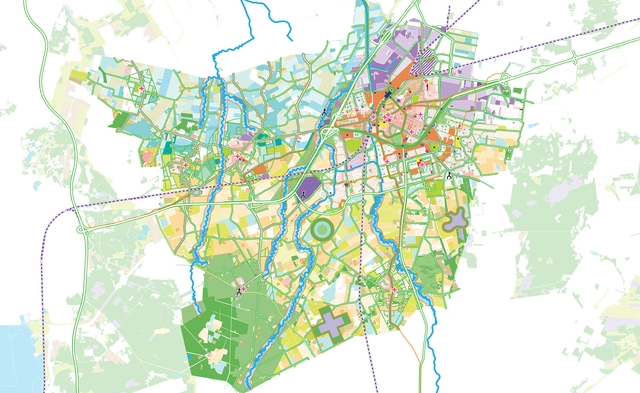
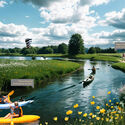
In 2021, the Municipality of Roosendaal began collaborating with MVRDV as an urban development consultant. The firm's partner, Winy Maas, was subsequently appointed as urban advisor, conforming a team that included MVRDV, Rebel Group, Transitiefocus, and other experts. Their task was to consolidate existing projects and initiatives into a unified strategic vision, seeking a mix of bottom-up and top-down planning approaches. The vision, also called "The Mosaic", was developed through a participatory process involving residents. It provides insight at multiple scales, from land-use adjustments across the municipality to over 40 potential projects aimed at harnessing the potential of specific locations. Published as a series of seven interconnected documents, the vision aims to provide Roosendaal with strategies to accommodate growth.

MVRDV Unveils Its Strategic Plan for the Roosendaal Densification Masterplan in the Netherlands - Image 1 of 4MVRDV Unveils Its Strategic Plan for the Roosendaal Densification Masterplan in the Netherlands - Image 2 of 4MVRDV Unveils Its Strategic Plan for the Roosendaal Densification Masterplan in the Netherlands - Image 3 of 4MVRDV Unveils Its Strategic Plan for the Roosendaal Densification Masterplan in the Netherlands - Image 4 of 4MVRDV Unveils Its Strategic Plan for the Roosendaal Densification Masterplan in the Netherlands - More Images+ 25

Miguel Arraiz Reveals Temple of the Deep for Burning Man 2025 in Nevada, United States

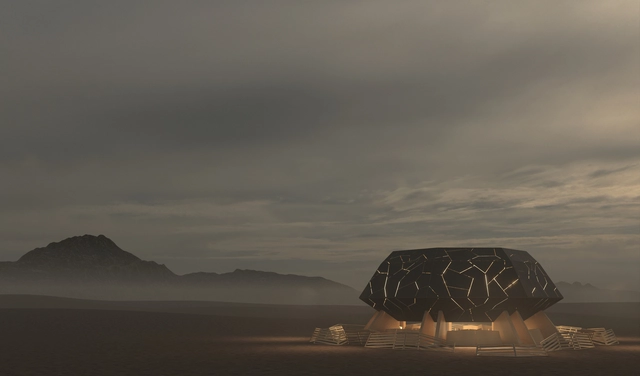
Spanish architect Miguel Arraiz has introduced the design for the 2025 Burning Man Temple, titled Temple of the Deep. Drawing inspiration from the natural landscape of the Black Rock Desert, the Temple aims to provide a space for reflection, healing, and connection. The Temple of the Deep explores the concept of radical acceptance, emphasizing the importance of fully experiencing emotions as part of the healing process.

Miguel Arraiz Reveals Temple of the Deep for Burning Man 2025 in Nevada, United States - Image 1 of 4Miguel Arraiz Reveals Temple of the Deep for Burning Man 2025 in Nevada, United States - Image 2 of 4Miguel Arraiz Reveals Temple of the Deep for Burning Man 2025 in Nevada, United States - Image 3 of 4Miguel Arraiz Reveals Temple of the Deep for Burning Man 2025 in Nevada, United States - Featured ImageMiguel Arraiz Reveals Temple of the Deep for Burning Man 2025 in Nevada, United States - More Images

Revitalizing Historic Cairo: May al-Ibrashy's Vision for Heritage, Community, and Sustainable Conservation

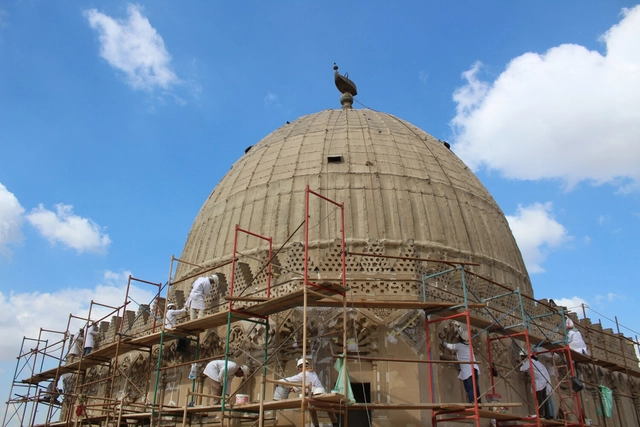
Cairo, often called the "City of a Thousand Minarets," boasts one of the richest cultural and architectural tapestries in the world. Its heritage reflects centuries of diverse influences from Pharaonic monuments to Islamic and Mamluk architecture. However, preserving this legacy is an ongoing challenge in the face of urban pressures, climate change, and socio-economic dynamics. Heritage conservation in Cairo is not just about safeguarding these structures; it's about integrating them into the lives of local communities, ensuring they remain dynamic and accessible spaces.

At the forefront of this mission is Dr. May al-Ibrashy, an architect and conservationist whose innovative and community-driven approach has redefined how heritage is preserved. As the founder of Megawra–Built Environment Collective, she has worked tirelessly in neighborhoods like Al-Khalifa, Al-Hattaba, and Sayyida Zeinab to restore historic monuments while creating vibrant public spaces. Her work bridges the gap between architectural preservation and urban regeneration, ensuring that these historic districts serve both as cultural landmarks and as living, functional spaces for their residents.

Revitalizing Historic Cairo: May al-Ibrashy's Vision for Heritage, Community, and Sustainable Conservation - Image 1 of 4Revitalizing Historic Cairo: May al-Ibrashy's Vision for Heritage, Community, and Sustainable Conservation - Image 2 of 4Revitalizing Historic Cairo: May al-Ibrashy's Vision for Heritage, Community, and Sustainable Conservation - Image 3 of 4Revitalizing Historic Cairo: May al-Ibrashy's Vision for Heritage, Community, and Sustainable Conservation - Image 4 of 4Revitalizing Historic Cairo: May al-Ibrashy's Vision for Heritage, Community, and Sustainable Conservation - More Images+ 9

Utopia vs. Public Reality: Lessons from 20th Century Urban Planning

Subscriber Access | 

Kenzo Tange's 1960 Tokyo Bay Plan reflected the zeitgeist of a society enamored by rapid technological advancement and post-war optimism. Buckminster Fuller's 1959 dome concept over Manhattan was developed on a belief in humanity's ability to shape its environment on an unprecedented scale. All throughout the mid-20th century, utopian urban planning ideas sprouted in various parts of the world, driven by a unique combination of societal factors and psychological motivations.

While these visions were often marked by hope and ambition, they also reflected the broader economic growth and technological innovation of the time—factors that contributed to the bold fantasies of architects and urban designers eager to transform the urban landscape. Many saw an opportunity to redesign cities from the ground up, often bypassing the complexities of existing urban fabrics in favor of futuristic ideals. However, while these visions provoked forward-thinking practices, they often surprised the public and seemed distant or unattainable. How might these concepts have evolved if shaped by today's participatory planning, which prioritizes public engagement and community input?

Utopia vs. Public Reality: Lessons from 20th Century Urban Planning - Image 1 of 4Utopia vs. Public Reality: Lessons from 20th Century Urban Planning - Image 2 of 4Utopia vs. Public Reality: Lessons from 20th Century Urban Planning - Image 3 of 4Utopia vs. Public Reality: Lessons from 20th Century Urban Planning - Image 4 of 4Utopia vs. Public Reality: Lessons from 20th Century Urban Planning - More Images+ 2

MVRDV Transforms Shipping Containers into Sports and Community Hubs for Refugees

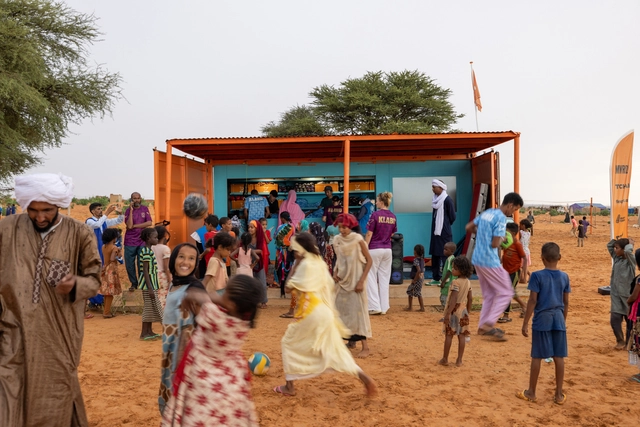
MVRDV has partnered with KLABU, a social enterprise based in Amsterdam, to design a modular, multi-functional clubhouse aimed at supporting refugees. This collaboration, which began in 2022, is founded on the belief that sports can play a pivotal role in helping individuals rebuild their lives, fostering joy, pride, and hope. KLABU's initiative involves constructing clubhouses within refugee camps, settlements, and urban areas, where they serve as community hubs offering access to sports equipment, activities, and connectivity through Wi-Fi and TV broadcasts.

MVRDV Transforms Shipping Containers into Sports and Community Hubs for Refugees - Image 1 of 4MVRDV Transforms Shipping Containers into Sports and Community Hubs for Refugees - Image 2 of 4MVRDV Transforms Shipping Containers into Sports and Community Hubs for Refugees - Image 3 of 4MVRDV Transforms Shipping Containers into Sports and Community Hubs for Refugees - Image 4 of 4MVRDV Transforms Shipping Containers into Sports and Community Hubs for Refugees - More Images+ 15

Wiki World: Exploring Children’s Architecture Education and Community Building in Rural China

Selected as one of ArchDaily's Best New Practices for 2024, Wiki World is pioneering a fresh approach to children's architectural education and community building. This Wuhan-based studio simplifies the concept of architecture, moving beyond grandiose connotations and focusing on 'building a house'—exploring the wisdom and methods of 'ordinary people.' Building, according to Wiki World, is not only a human instinct but also a way to connect with and understand nature. They see an opportunity in the open-source spirit, empowering communities in rural China to design and construct their own creations. By providing the right frameworks, Wiki World is able to scale and make architecture accessible to an increasing number of people. The studio organizes workshops across China, guiding parents and children through one community-building experience after another.

In an interview with ArchDaily, Wiki World shared their approach to workshop design and organizational processes, drawing from both their expertise and the fresh perspectives gained from their young participants. They discussed how their views on nature and community design have shaped their work, their strategies for effective communication, and their current challenges and successes. They also explained how they bridge the gap between different teams to inspire creativity and foster hands-on engagement with users.

Wiki World: Exploring Children’s Architecture Education and Community Building in Rural China - Arch Daily InterviewsWiki World: Exploring Children’s Architecture Education and Community Building in Rural China - Arch Daily InterviewsWiki World: Exploring Children’s Architecture Education and Community Building in Rural China - Arch Daily InterviewsWiki World: Exploring Children’s Architecture Education and Community Building in Rural China - Arch Daily InterviewsWiki World: Exploring Children’s Architecture Education and Community Building in Rural China - More Images+ 40

World Architecture Day 2024: Mobilizing the Next Generation for Urban Transformation

On the first Monday of October, World Architecture Day offers an opportunity to reflect on the role that architecture plays in shaping our world and our communities. Established by the International Union of Architects (UIA) in 1986, this day was designated as a basis for the ongoing discussions on innovations in architectural practice, new approaches to the ever-changing role of architects and designers, and the varied responses to emerging concerns.

As in previous editions, UIA sets a central yearly theme to guide these conversations. This year, the theme of World Architecture Day 2024, "Empowering the Next Generation to Participate in Urban Design," opens up multiple interpretations, contemplating the impact of urban design on the next generation, as well as highlighting the impact and contributions of young architects in shaping the cities of tomorrow. This year's event aims to address crucial challenges faced by the urban environments and their impact on the next generations. The focus is on creating cities that are not only greener and more environmentally friendly but also inclusive, catering to the diverse needs of various groups in society.

World Architecture Day 2024: Mobilizing the Next Generation for Urban Transformation - Image 1 of 4World Architecture Day 2024: Mobilizing the Next Generation for Urban Transformation - Image 2 of 4World Architecture Day 2024: Mobilizing the Next Generation for Urban Transformation - Image 3 of 4World Architecture Day 2024: Mobilizing the Next Generation for Urban Transformation - Image 4 of 4World Architecture Day 2024: Mobilizing the Next Generation for Urban Transformation - More Images+ 14

Sumayya Vally on Incorporating Diverse Knowledge in Contemporary Architecture: The Obel Award 2024 Theme

Subscriber Access | 

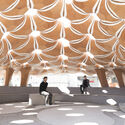
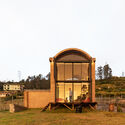
Sumayya Vally, architect, curator, and founder of Counterspace architecture office, joins the jury for the 2024 Obel Award. This international architectural prize, organized by the Henrik Frode Obel Foundation, honors projects that significantly impact people and the planet. The 2024 theme, "Architecture WITH," invites a re-examination of the architectural profession, emphasizing collaborative and co-creative processes that integrate diverse bodies of knowledge into the core of design. Vally's perspective on redefining architectural roles aligns with the theme's focus on non-hierarchical, co-creative approaches.
Sumayya Vally on Incorporating Diverse Knowledge in Contemporary Architecture: The Obel Award 2024 Theme - Image 1 of 4Sumayya Vally on Incorporating Diverse Knowledge in Contemporary Architecture: The Obel Award 2024 Theme - Image 2 of 4Sumayya Vally on Incorporating Diverse Knowledge in Contemporary Architecture: The Obel Award 2024 Theme - Image 3 of 4Sumayya Vally on Incorporating Diverse Knowledge in Contemporary Architecture: The Obel Award 2024 Theme - Image 4 of 4Sumayya Vally on Incorporating Diverse Knowledge in Contemporary Architecture: The Obel Award 2024 Theme - More Images+ 5