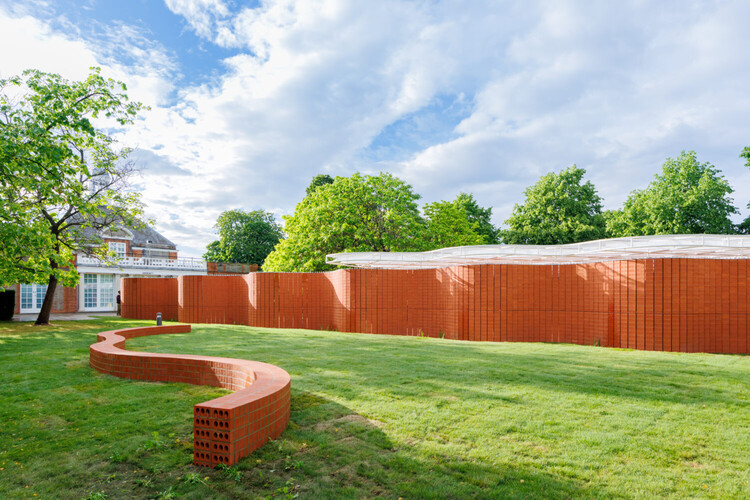
This week, architecture's cultural dimension took center stage through a series of new platforms, institutional developments, and public-facing projects that expand how the discipline is discussed, preserved, and experienced. From the announcement of participants for the inaugural Pan-African Biennale in Nairobi and the unveiling of Concéntrico Festival's urban interventions across Logroño, to the opening of La Biennale di Venezia's new archival headquarters at the Arsenale, architecture emerged as a vehicle for research, exchange, and collective reflection. Alongside these initiatives, projects such as the expansion of Crystal Bridges Museum in Arkansas and the opening of the 2026 Serpentine Pavilion demonstrate how cultural institutions continue to invest in new spaces for gathering and engagement. This week's selection spans Kenya, Spain, Albania, Saudi Arabia, Italy, Lebanon, the United Kingdom, and the United States, reflecting the diverse contexts in which cultural institutions, public events, and architectural initiatives continue to evolve.
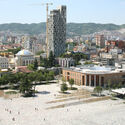
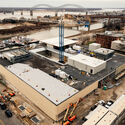
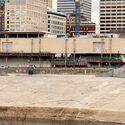
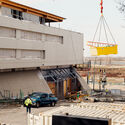
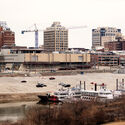
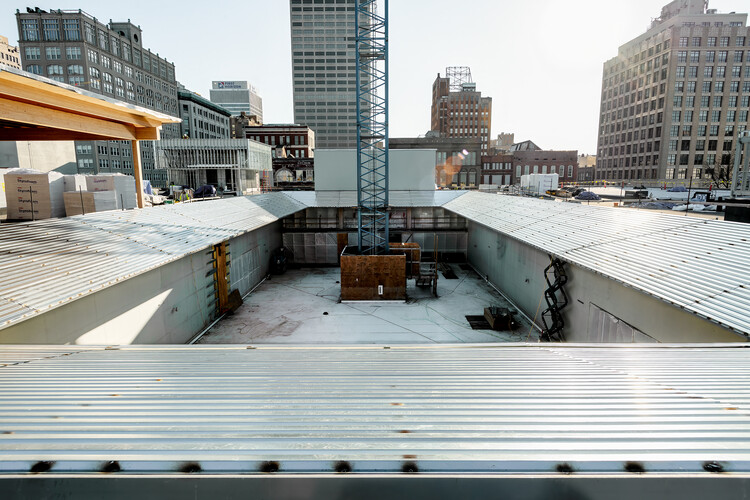
Pritzker Prize-winning architecture firm Herzog & de Meuron has released new images showing construction progress on the Memphis Art Museum, set to open in December 2026. Currently operating as the Memphis Brooks Museum of Art, the institution is both the oldest and largest art museum in Tennessee, United States, with a collection of more than 10,000 works spanning from ancient to contemporary art. Commissioned in 2019, the project marks the museum's relocation to a new site in Downtown Memphis along the Mississippi River bluff. The first images of the new cultural campus, designed by Herzog & de Meuron with architect of record archimania and landscape design by OLIN, were released in 2021. The 123,500-square-foot museum will expand gallery space by 50 percent and introduce extensive free, publicly accessible areas conceived as an open invitation to the city.
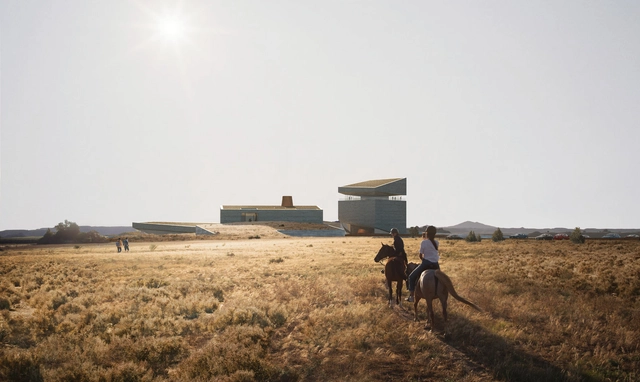
Snøhetta, Studio Gang and Henning Larsen have unveiled their designs for the new Theodore Roosevelt Presidential Library in North Dakota. The teams were selected from 12 firms, and the final design will be made to respond to the ecology of the Badlands. The three proposals showcase integrated architecture and landscape approaches designed to celebrate Theodore Roosevelt’s life.
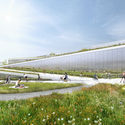
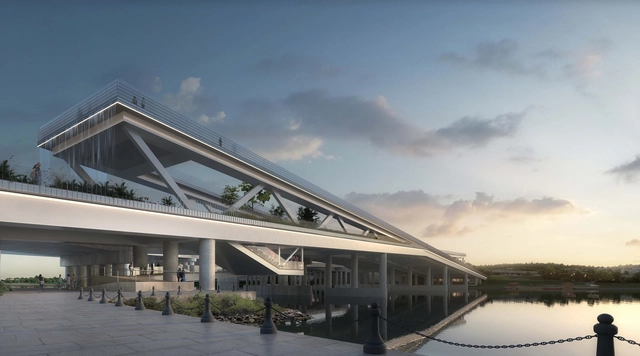
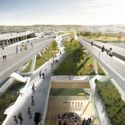
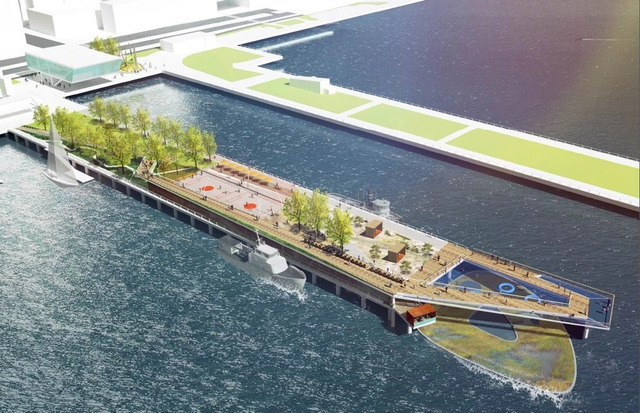
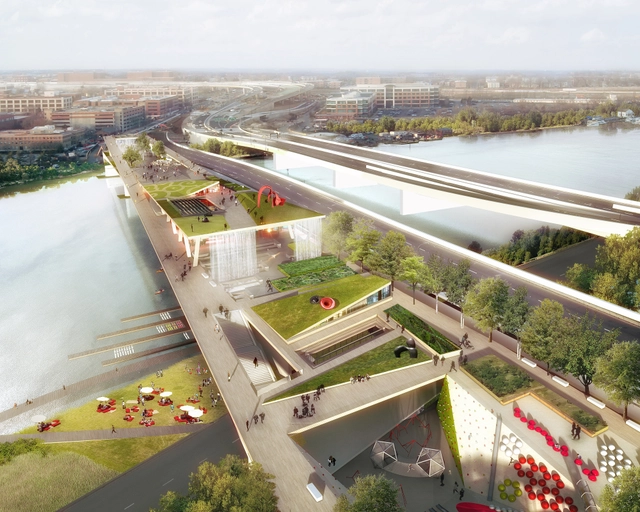
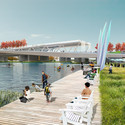
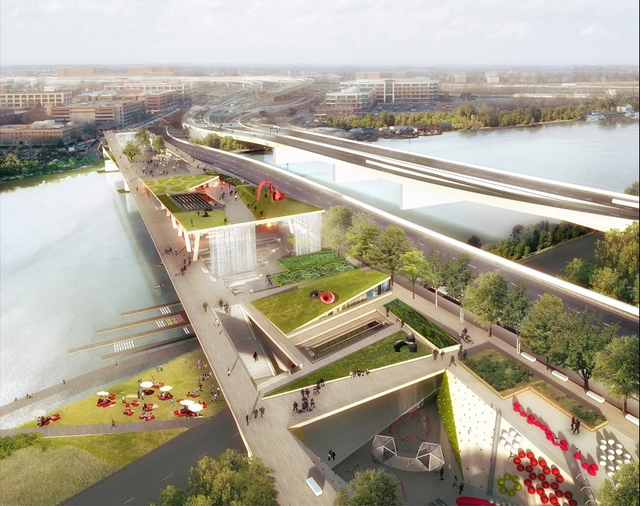
OMA / Jason Long’s 11th Street BridgePark was granted approval by the National Capital Planning Commission (NCPC) at the beginning of April. Designed by OMA, with landscape architects OLIN, and structural engineers WRA, the project is the winning entry of the design competition held back in 2014.
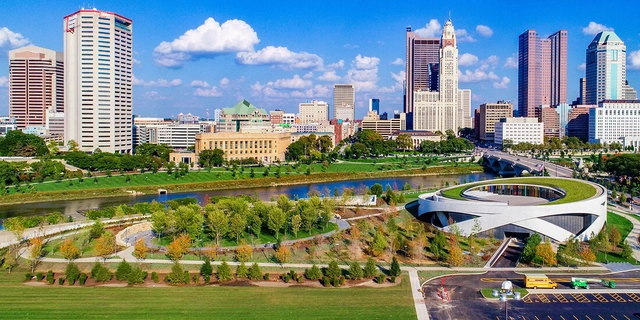
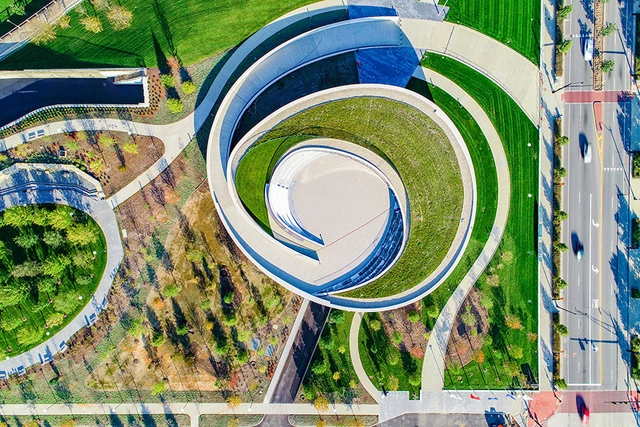
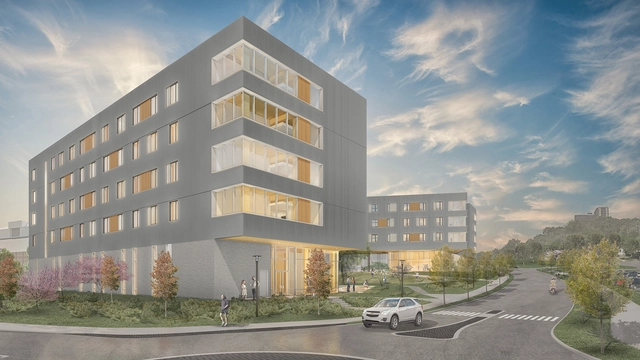
In the years before his death, the late Marine, astronaut, and US Senator John Glenn had a vision to create a place of gathering and remembrance for veterans of all conflicts. It would not be a traditional war memorial or military museum, but a place that would honor veterans and promote civic discourse, sharing stories of service through interactive exhibits, oral histories, images, and personal artifacts.
https://www.archdaily.com/908954/allied-works-new-museum-in-columbus-is-designed-for-the-history-of-the-futureKatherine Allen
OMA, Höweler + Yoon, NEXT Architects, and Cooper, Robertson & Partners are amongst four interdisciplinary teams competing to design Washington D.C.’s first elevated public park. As part of a six month nationwide competition, the shortlisted teams have just released their preliminary design proposals for what will be known as the 11th Street Bridge Park.
Suspended over the Anacostia River, the multi-use park aims to re-connect two disparate city districts and re-engage residents with the riverfront by offering a 21st century civic “playscape.” Education and performance spaces, as well as a cafe and water sport areas will all be included in the masterplan.
A preview of the four shortlisted schemes, after the break…
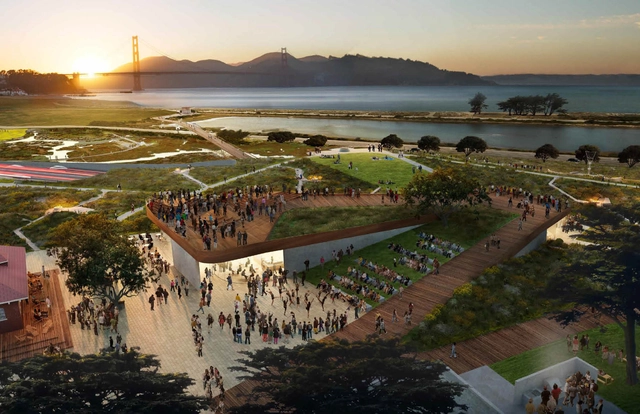
Last week, the five teams competing for the Presidio Parkland project in San Francisco unveiled their proposals in a public meeting at the project site. The parkland, made possible by the replacement of an elevated highway by a new tunnel, will command stunning views of the San Francisco bay, including views of the Golden Gate bridge.
"This is a once-in-a lifetime opportunity to create and design new parklands," Executive Director of the Presidio Trust Craig said. "We are extremely pleased with the caliber of the work of the five design teams and look forward to hearing the public’s feedback on these early concepts."
Competing for the prestigious project are James Corner Field Operations, OLIN with Olson Kundig Architects, Snøhetta with Hood Design Studio, West 8, and CMG Landscape Architecture. A winner will be announced in January.
San Francisco’s Presidio Trust isn’t giving up. After rejecting three shortlisted schemes earlier this year that envisioned a “cultural institution of distinction” for the underdeveloped Crissy Field, the Trust has now invited five new teams to envision “kid-friendly” plans for a 13 acre portion of the site.
The five teams, which include James Corner Field Operations, Olson Kundig Architects and Snøhetta, are expected to present their ideas publicly in just three months. A winner will not be selected, though each team will receive $25,000 for their efforts. However, the Trust will be inclined to work with one of the teams should their concepts “dazzle” the audience.
A complete list of the five teams and more project information, after the break...
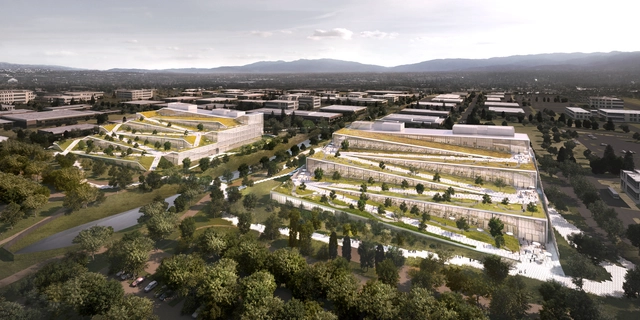
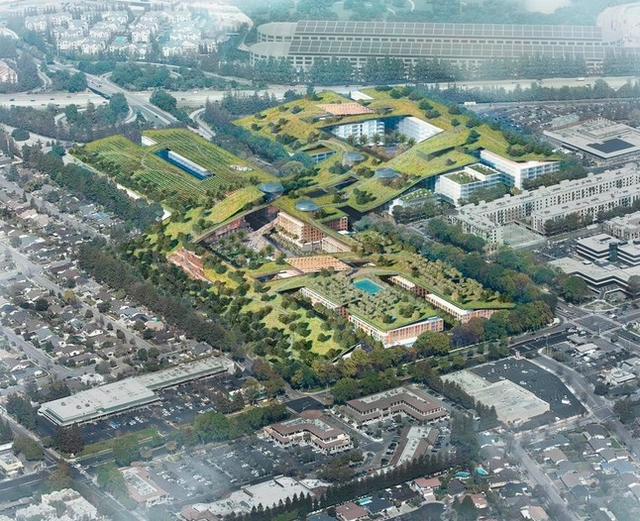
UPDATE: Did you know that Apple Campus 2 will be solely powered by renewable energy? Also, 80 percent of its 176-acre campus will be entirely dedicated to green space. Watch the newly released Norman Foster interview (above) to learn more about the project's sustainable features, as well as details about Steve Job's original inspiration. The following news was originally published as "New Images Released of Apple’s Recently Approved Cupertino Campus" on November 13, 2013.
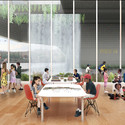
Provided by the City of Cupertino and released by Wired, the images depict just what Steve Job’s hoped for: a world-class, state-of-the-art office campus that promotes innovation through vibrant communal spaces and healthy employee amenities. From the net-positive main building to a private, subterranean auditorium placed within a forested, California-native landscape by OLIN, the Foster + Partners-designed Apple Campus 2 has the potential to be, as Job’s believed, “the best office building in the world.”
A collection of the newly released renderings, after the break...
The Cultural Landscape Foundation recently launched its newest documentary as part of the ongoing Oral History series, this time focusing on the ideas and career of Laurie Olin, a recipient of the National Medal of the Arts and one of the greatest landscape architects of our time. Olin's influential work as a practitioner, educator and author over the past forty years has helped to guide the future of landscape architecture and shape urban life around the world.
Just recently, the City of Aberdeen announced a £300m city-wide plan of improving roads, schools and cultural buildings, with only £20m allotted for the city center, which will be pedestrianized but not much else. Thus, confirming the "final nail in the coffin" for DS+R's ambitious web of lush gardens and cultural landmarks.
In 2005, OLIN - a landscape architecture, urban design and planning studio - developed a master plan for University of California Berkley's southeastern campus in an effort to unify its distinct elements and strengthen the social spaces of the campus. HNTB Architects led the renovation of the California Memorial Stadium and worked with STUDIOS Architecture and OLIN to design the Simpson Center for Student-Athlete High Performance. These are unified by OLIN's design of the grounds which are just part of the transformation planned for the campus, which also includes the renovations and landscape design for the Haas School of Business, UC Berkley School of Law and the Piedmont Avenue.
The life of a city-funded project is a tumultuous one. After winning a design competition early this year and receiving public support to move forward, Diller, Scofidio + Renfro’s “Granite Web” design for the redevelopment of the nineteenth-century Terrace Gardens in Aberdeen, Scotland was recently rejected by the city council in a 22-20 vote. The project promised to bring a revived pulse to the heart of the city centre with a public space that would bring a year-round civic garden onto the “unattractive” Denburn dual carriageway and railway line.
The new facility designed by Perkins+Willfor the John Hopkins Hospital in Baltimore, Maryland approaches the design as a total experience of healing that includes architecture and urban design. The project proposes to redefine the hospital experience with The Charlotte R. Bloomberg Children’s Center and the Sheikh Zayed Tower, whose goal is to emphasize transformative patient-centric care.
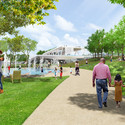
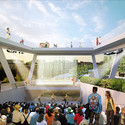
New York-based architects Weiss / Manfrediand Philadelphia-based landscape architects OLIN have been announced as winner of the National Mall Design Competition for the Washington Monument Grounds at Sylvan Theater in Washington, DC. Weiss / Manfredi and OLIN were one of three winning teams selected by the Trust for the National Mall to rejuvenate and transform three neglected sites on the National Mall (read our original announcement here). In the winning proposal for Sylvan Theater, Weiss / Manfredi and OLIN sculpt the ground plan and restore the existing tree canopy to create a new performance landscape that can accommodate a wide variety of events, while permeating the site with critical visitor amenities.
Continue reading for more images, video and the architects’ press release.
After an intense and highly publicized competition, the Trust for the National Mall has announced the three winning teams selected to redesign the neglected sites of America’s front yard. As reported by the Washington Post, Rogers Marvel Architects &Peter Walkerand Partners will redesign Constitution Gardens east of the Vietnam Veterans Memorial, while Weiss/Manfredi&OLIN will bring new life to the Sylvan Theater, southeast of the Washington Monument. The Union Square will be forwarded to the Architect of the Capitol and transformed by Gustafson Guthrie Nichol&Davis Brody Bond.
Continue reading for more on the winning proposals.
The ten finalists competing in the final phase of the National Mall Design Competition are dreaming big. Proposals to restore the National Mall include flourishing lakeside gardens, contemporary cafés hovering over water, grassy new amphitheaters and underground pavilions exposed at the foot of the Washington Monument. Since the announcement of the finalists, the teams have been refining there proposals behind closed doors.
Now, the Trust for the National Mall has released the highly anticipated proposals to the public. From now until Sunday, at the Smithsonian Castle and the National Museum of American History, you can view each proposal in its entirety. If you don’t live in the D.C. area, no need to worry. Continue after the break to catch a glimpse of each submission and learn how you can help the jury decided who will revamp America’s “front yard”.