


1. ArchDaily
  2. New York

New York: The Latest Architecture and News

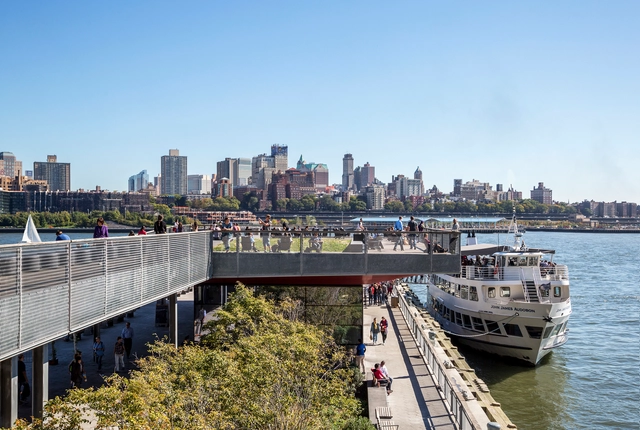
East River Waterfront / SHoP Architects

East River Waterfront / SHoP Architects - Exterior Photography, Public Space, CityscapeEast River Waterfront / SHoP Architects - Exterior Photography, Public Space, BenchEast River Waterfront / SHoP Architects - Exterior Photography, Public Space, Garden, CityscapeEast River Waterfront / SHoP Architects - Exterior Photography, Public SpaceEast River Waterfront / SHoP Architects - More Images+ 2

Architecture Always Reflects the Values of Its Current Culture

This article was originally published on Common Edge.

What we build can be metaphoric—often intentionally, sometimes subliminally. But architecture is seldom the intentional commentary of architects, crafting symbolism; more often it is a direct reflection of its time and the culture that made it.


nArchitects Receives National Design Award in Architecture 2023

nArchitects has just received the 2023 National Design Award in Architecture from the Cooper Hewitt, Smithsonian Design Museum. The award brings national recognition to the different forms of design that improve and enhance everyday life. In fact, the Architecture award selects a studio or individual for their holistic understanding of spatial experiences, and this year the committee picked nArchitects famous for their New York Micro-Apartment experiment, the cultural center A/D/O in Brooklyn, and many more interactive works.

nArchitects Receives National Design Award in Architecture 2023 - Image 1 of 4nArchitects Receives National Design Award in Architecture 2023 - Image 2 of 4nArchitects Receives National Design Award in Architecture 2023 - Image 3 of 4nArchitects Receives National Design Award in Architecture 2023 - Image 4 of 4nArchitects Receives National Design Award in Architecture 2023 - More Images+ 2

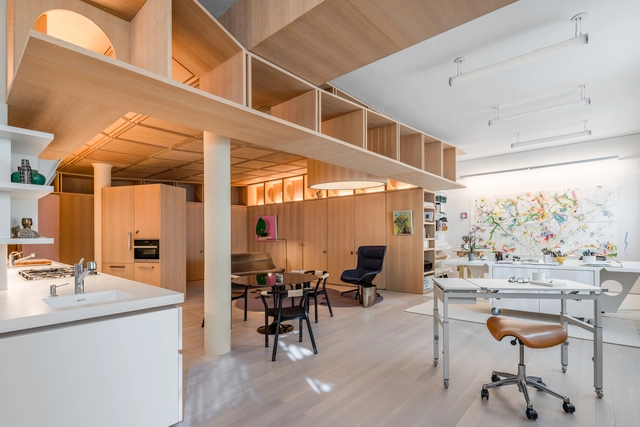
Soho Art Loft / Fuller/Overby Architecture + Diane Lewis Architecture

Soho Art Loft / Fuller/Overby Architecture + Diane Lewis Architecture - Interior Photography, Apartment Interiors, Kitchen, Table, ChairSoho Art Loft / Fuller/Overby Architecture + Diane Lewis Architecture - Interior Photography, Apartment Interiors, Kitchen, Table, ChairSoho Art Loft / Fuller/Overby Architecture + Diane Lewis Architecture - Interior Photography, Apartment Interiors, Chair, Lighting, TableSoho Art Loft / Fuller/Overby Architecture + Diane Lewis Architecture - Interior Photography, Apartment Interiors, Beam, DoorSoho Art Loft / Fuller/Overby Architecture + Diane Lewis Architecture - More Images+ 12

  • Area Area of this architecture project Area:  1200 ft²
  • Year Completion year of this architecture project Year:  2021
  • Manufacturers Brands with products used in this architecture project
    Manufacturers:  Duravit, Antonio Lupi, Boffi, FLOS, Fantini, +5

How Neighborhoods Rely on Graffiti to Protest Gentrification

Subscriber Access | 

Graffiti, as an art form, has a complex relationship with gentrification. On one hand, it has engaged the streets and urban fabric as a canvas for people to express themselves culturally and socio-politically. This expression could be a form of rebellion by ethnic minorities and disadvantaged groups in certain neighborhoods, or it can build up a sense of cultural uniqueness and social expression, giving a neighborhood a positive character and attracting newcomers. However, over the years, the latter has been an agent of gentrification, spiking up property values to accommodate richer residents and alienating the native communities of those neighborhoods.

In certain instances, artists recognize their role in this urban scheme and tweak their art form through its style, message, location, and action as direct forms of protest to fight against gentrification. From Brixton, Shoreditch, and Hackney in London, Williamsburg and Bushwick in New York, to The Canal Saint-Denis and Belleville in Paris, the use of graffiti on the streetscapes of these neighborhoods can either protest or inspire different forms of development.

How Neighborhoods Rely on Graffiti to Protest Gentrification - Image 1 of 4How Neighborhoods Rely on Graffiti to Protest Gentrification - Image 2 of 4How Neighborhoods Rely on Graffiti to Protest Gentrification - Image 3 of 4How Neighborhoods Rely on Graffiti to Protest Gentrification - Image 4 of 4How Neighborhoods Rely on Graffiti to Protest Gentrification - More Images+ 5

Urban Tree House / NO ARCHITECTURE

Urban Tree House / NO ARCHITECTURE - Interior Photography, Houses, Beam, FacadeUrban Tree House / NO ARCHITECTURE - Interior Photography, Houses, Chair, TableUrban Tree House / NO ARCHITECTURE - Interior Photography, Houses, Beam, FacadeUrban Tree House / NO ARCHITECTURE - Interior Photography, Houses, BedroomUrban Tree House / NO ARCHITECTURE - More Images+ 40

New York, United States

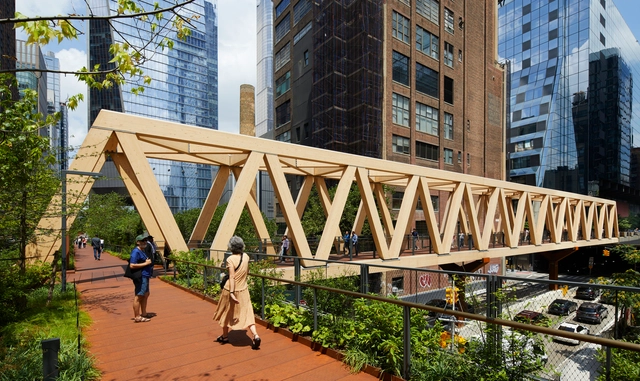
High Line – Moynihan Connector / Skidmore, Owings & Merrill + James Corner Field Operations

High Line – Moynihan Connector / Skidmore, Owings & Merrill + James Corner Field Operations - Exterior Photography, Public Space, Garden, FacadeHigh Line – Moynihan Connector / Skidmore, Owings & Merrill + James Corner Field Operations - Interior Photography, Public Space, Beam, Facade, ArchHigh Line – Moynihan Connector / Skidmore, Owings & Merrill + James Corner Field Operations - Exterior Photography, Public Space, Facade, CityscapeHigh Line – Moynihan Connector / Skidmore, Owings & Merrill + James Corner Field Operations - Exterior Photography, Public Space, Facade, CityscapeHigh Line – Moynihan Connector / Skidmore, Owings & Merrill + James Corner Field Operations - More Images+ 8

Snøhetta US: Employees Vote Against Unionizing in Architectural Practice Transformation

In 2021, the architectural practice at large started to transform; people “no longer felt the need to stick to the traditional way of doing things when it came to matters related to the work environment”. Employees all over the industry have spoken up in recent years and have considered the solution of unionizing. In May of 2023, the employees of the renowned New York office Snøhetta announced a bid to unionize the studio, the second private-sector architecture studio in the United States to take this step. This week, it was declared that the workers voted against unionizing.

Snøhetta US: Employees Vote Against Unionizing in Architectural Practice Transformation - Image 1 of 4Snøhetta US: Employees Vote Against Unionizing in Architectural Practice Transformation - Image 2 of 4Snøhetta US: Employees Vote Against Unionizing in Architectural Practice Transformation - Image 3 of 4Snøhetta US: Employees Vote Against Unionizing in Architectural Practice Transformation - Image 4 of 4Snøhetta US: Employees Vote Against Unionizing in Architectural Practice Transformation - More Images+ 3

How Can Kinetic Architecture Enhance Public Space?

Subscriber Access | 

Advancements in technology have paved the way for a revolutionary approach to architecture, one that involves responsiveness and movement. This concept called "kinetic architecture" allows buildings to dynamically adapt to their ever-changing surroundings. As of today, kinetic principles are commonly applied to enhance the environmental sustainability of buildings, especially through facades. However, kinetic architecture has the potential to impact the built environment in other facets as well. In public spaces, kinetic architecture holds immense promise, presenting opportunities to make them more accessible, inclusive, and user-friendly. Introducing kinetic elements into public spaces challenge long-held assumptions about architecture as a passive arrangement, ushering in a new era of interactive and engaging urban environments.

How Can Kinetic Architecture Enhance Public Space? - Image 1 of 4How Can Kinetic Architecture Enhance Public Space? - Image 2 of 4How Can Kinetic Architecture Enhance Public Space? - Image 3 of 4How Can Kinetic Architecture Enhance Public Space? - Image 4 of 4How Can Kinetic Architecture Enhance Public Space? - More Images

The Architectural Language of Scaffoldings in Cityscapes: Exploring the Impact of These Temporary Structures

Subscriber Access | 

As one takes a visual tour through the city, one might spot structures that break the rhythm of finished architectural products. These are buildings encased in grids of metal or wooden sections, sometimes wrapped in colored nets, that communicate a moment of construction, repair, renovation, or demolition. They are called scaffolding systems, temporary structures built in the city to aid in the erection or maintenance of buildings. However, they have evolved to speak their own architectural language. As city-making is a continuous process, scaffolds serve as beacons, proposing silhouettes of the height, shape, or forms of new buildings. They step into the sidewalks, acting as shade or obstructions to the flow of human and vehicular traffic. In contrast to the permanence of architecture, they exhibit a sense of temporality that helps communicate time, the growth of neighborhoods, and the evolution of a city.
The Architectural Language of Scaffoldings in Cityscapes: Exploring the Impact of These Temporary Structures - Image 1 of 4The Architectural Language of Scaffoldings in Cityscapes: Exploring the Impact of These Temporary Structures - Image 2 of 4The Architectural Language of Scaffoldings in Cityscapes: Exploring the Impact of These Temporary Structures - Image 3 of 4The Architectural Language of Scaffoldings in Cityscapes: Exploring the Impact of These Temporary Structures - Image 4 of 4The Architectural Language of Scaffoldings in Cityscapes: Exploring the Impact of These Temporary Structures - More Images+ 9

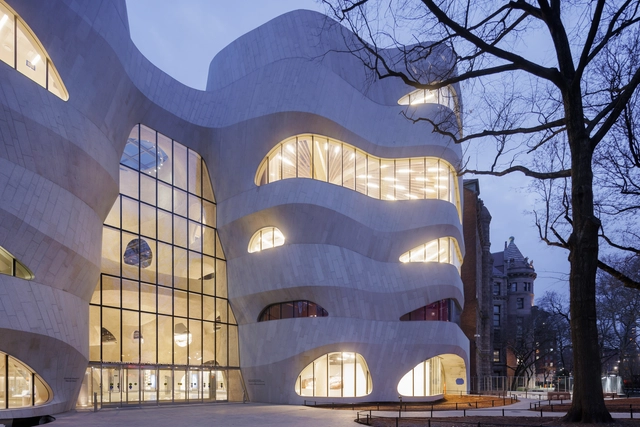
American Museum of Natural History Richard Gilder Center / Studio Gang

American Museum of Natural History Richard Gilder Center / Studio Gang - Interior Photography, Research Center, Stairs, Arch, Arcade, FacadeAmerican Museum of Natural History Richard Gilder Center / Studio Gang - Interior Photography, Research Center, Arch, ArcadeAmerican Museum of Natural History Richard Gilder Center / Studio Gang - Interior Photography, Research Center, Facade, ArchAmerican Museum of Natural History Richard Gilder Center / Studio Gang - Exterior Photography, Research Center, Facade, CityscapeAmerican Museum of Natural History Richard Gilder Center / Studio Gang - More Images+ 14

  • Architects: Studio Gang
  • Area Area of this architecture project Area:  230000 ft²
  • Year Completion year of this architecture project Year:  2023
  • Manufacturers Brands with products used in this architecture project
    Manufacturers:  Hofmann Naturstein, Kuraray

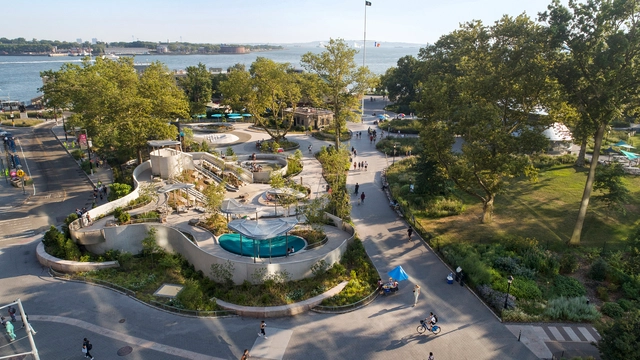
Battery Playscape / BKSK Architects + Starr Whitehouse Landscape Architects and Planners

Battery Playscape / BKSK Architects + Starr Whitehouse Landscape Architects and Planners - Exterior Photography, Installations & Structures, Garden, FacadeBattery Playscape / BKSK Architects + Starr Whitehouse Landscape Architects and Planners - Exterior Photography, Installations & Structures, Garden, HandrailBattery Playscape / BKSK Architects + Starr Whitehouse Landscape Architects and Planners - Exterior Photography, Installations & StructuresBattery Playscape / BKSK Architects + Starr Whitehouse Landscape Architects and Planners - Exterior Photography, Installations & Structures, FacadeBattery Playscape / BKSK Architects + Starr Whitehouse Landscape Architects and Planners - More Images+ 14

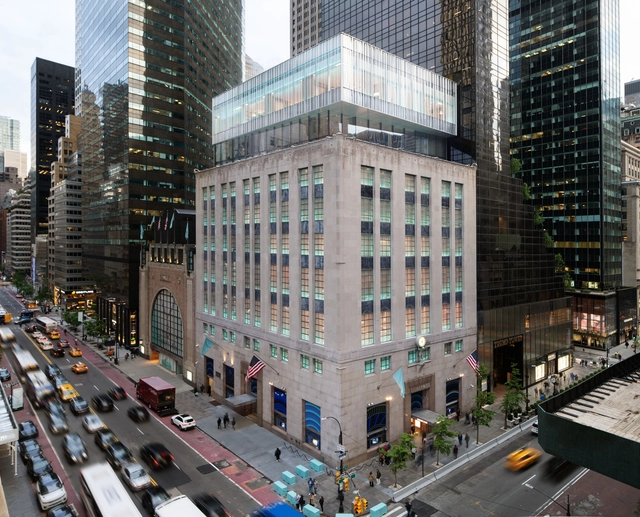
Tiffany Landmark / OMA

Tiffany Landmark / OMA - Exterior Photography, Store, Facade, CityscapeTiffany Landmark / OMA - Exterior Photography, Store, FacadeTiffany Landmark / OMA - Exterior Photography, Store, Facade, CityscapeTiffany Landmark / OMA - Exterior Photography, Store, Facade, CityscapeTiffany Landmark / OMA - More Images+ 20

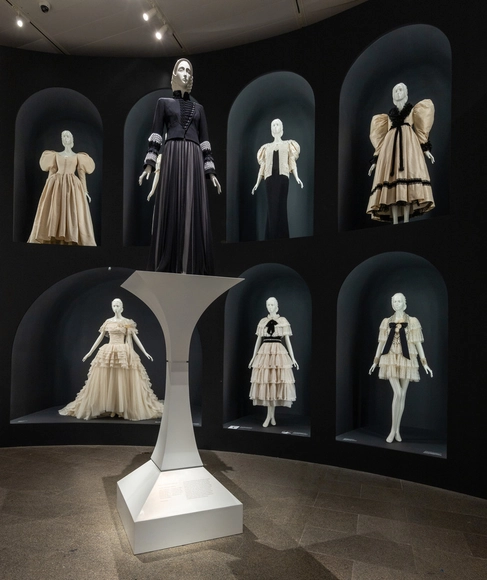
Tadao Ando Designs the Exhibition “Karl Lagerfeld: A Line of Beauty” at the Metropolitan Museum of Art, New York

Architect Tadao Ando has been commissioned to design this year’s Costume Institute exhibition highlighting the work of Karl Lagerfeld. The opening of the exhibition titled “Karl Lagerfeld: A Line of Beauty” was marked by the world-renown Met Gala, a fundraising event attended by celebrities and personalities perceived to be culturally relevant in the fashion scene. Perceived as a thematic and conceptual essay on Lagerfeld’s work, rather than a traditional retrospective, the exhibition aims to illustrate the designer’s method of creative expression and its significance in the industry.

Tadao Ando Designs the Exhibition “Karl Lagerfeld: A Line of Beauty” at the Metropolitan Museum of Art, New York - Image 1 of 4Tadao Ando Designs the Exhibition “Karl Lagerfeld: A Line of Beauty” at the Metropolitan Museum of Art, New York - Image 4 of 4Tadao Ando Designs the Exhibition “Karl Lagerfeld: A Line of Beauty” at the Metropolitan Museum of Art, New York - Image 2 of 4Tadao Ando Designs the Exhibition “Karl Lagerfeld: A Line of Beauty” at the Metropolitan Museum of Art, New York - Image 3 of 4Tadao Ando Designs the Exhibition “Karl Lagerfeld: A Line of Beauty” at the Metropolitan Museum of Art, New York - More Images+ 10

The 2023 Architectural League Prize for Young Architects + Designers Announces the Winners

The Architectural League of New York has announced the winners of its 42nd cycle of the Architectural League Prize for Young Architects + Designers. The theme for this edition of the competition was “Uncomfortable,” asking young designers to contemplate their position while wrestling with many uncomfortable responsibilities, like challenging traditional paradigms, dismantling architectural legacies, grappling with the costs of comfort, or responding to rising ecological concerns.

Established in 1981, the competition is open to young architects and designers in an effort to recognize the visionary work of young practitioners. This year’s theme was developed by the 2023 Young Architects + Designers Committee, which included recent League Prize winners Jose Amozurrutia, Germane Barnes, and Jennifer Bonner. The jury included the committee in addition to Barbara Bestor, Wonne Ickx, Kyle Miller, and Tya Winn.

The 2023 Architectural League Prize for Young Architects + Designers Announces the Winners - Image 1 of 4The 2023 Architectural League Prize for Young Architects + Designers Announces the Winners - Image 2 of 4The 2023 Architectural League Prize for Young Architects + Designers Announces the Winners - Image 3 of 4The 2023 Architectural League Prize for Young Architects + Designers Announces the Winners - Image 4 of 4The 2023 Architectural League Prize for Young Architects + Designers Announces the Winners - More Images+ 3

New York Based PAU Studio Selected to Design Newest Air Traffic Control Towers, Replacing I.M. Pei's Mid-Century Structures

The Federal Aviation Administration has chosen the New York-based Practice for Architecture and Urbanism (PAU) studio to design the country's newest air traffic control towers. I.M. Pei's iconic mid-century towers will be replaced by PAU's adaptable and highly sustainable prototype, which offers a unique architectural solution that combines form and function for the twenty-first century. The new towers are vital to U.S. Transportation Secretary Pete Buttigieg's goal to reach net-zero greenhouse gas emissions from the U.S. aviation sector by 2050. They have been updated to reflect aviation technology, safety development, and changing environmental and climatic conditions.
New York Based PAU Studio Selected to Design Newest Air Traffic Control Towers, Replacing I.M. Pei's Mid-Century Structures - Image 1 of 4New York Based PAU Studio Selected to Design Newest Air Traffic Control Towers, Replacing I.M. Pei's Mid-Century Structures - Image 2 of 4New York Based PAU Studio Selected to Design Newest Air Traffic Control Towers, Replacing I.M. Pei's Mid-Century Structures - Image 3 of 4New York Based PAU Studio Selected to Design Newest Air Traffic Control Towers, Replacing I.M. Pei's Mid-Century Structures - Image 4 of 4New York Based PAU Studio Selected to Design Newest Air Traffic Control Towers, Replacing I.M. Pei's Mid-Century Structures - More Images+ 5

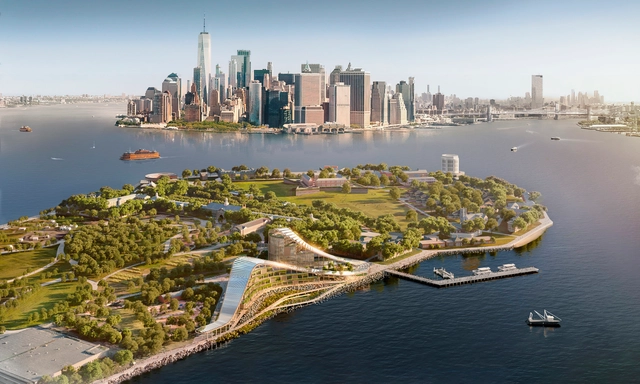
SOM Reveals Design for a Net-Zero Campus on Governors Island, New York City

Skidmore, Owings & Merrill have been selected to design the New York Climate Exchange in partnership with Stony Brook University, a public research institute in New York. The new net-zero campus, located on Governors Island, New York, is planned to serve as an anchor institution for the development of new climate solutions. As a first-of-its-kind international center, “The Exchange” will also act as a regional hub for the green economy.
“Our Ambition Is to Redefine What a Large Company Can Be”: In Conversation With Shawn Basler of Perkins Eastman

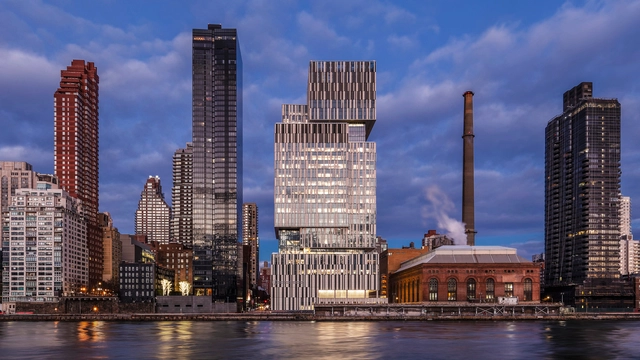
Shawn Basler, a New York-based architect, founded his firm Basler Mosa Design Group in 2000; seven years later he merged with Perkins Eastman, one of the world’s biggest and most dynamically growing architectural practices. He is now co-CEO/Executive Director—with Nick Leahy and Andrew J. Adelhardt III—of this 1,100-strong global force headquartered in New York City and operating a total of 24 offices, seven of which are outside of the U.S., namely in Shanghai, Mumbai, Dubai, Singapore, Vancouver, Toronto, and Guayaquil in Ecuador. In addition to designing many international projects, Basler shares the responsibility for fostering the firm’s growth around the world.


“Our Ambition Is to Redefine What a Large Company Can Be”:  In Conversation With Shawn Basler of Perkins Eastman - Image 1 of 4“Our Ambition Is to Redefine What a Large Company Can Be”:  In Conversation With Shawn Basler of Perkins Eastman - Image 2 of 4“Our Ambition Is to Redefine What a Large Company Can Be”:  In Conversation With Shawn Basler of Perkins Eastman - Image 3 of 4“Our Ambition Is to Redefine What a Large Company Can Be”:  In Conversation With Shawn Basler of Perkins Eastman - Image 4 of 4“Our Ambition Is to Redefine What a Large Company Can Be”:  In Conversation With Shawn Basler of Perkins Eastman - More Images+ 25