1. ArchDaily
  2. graffiti

graffiti: The Latest Architecture and News

The Strategic Use of Color in Environmental Graphic Design

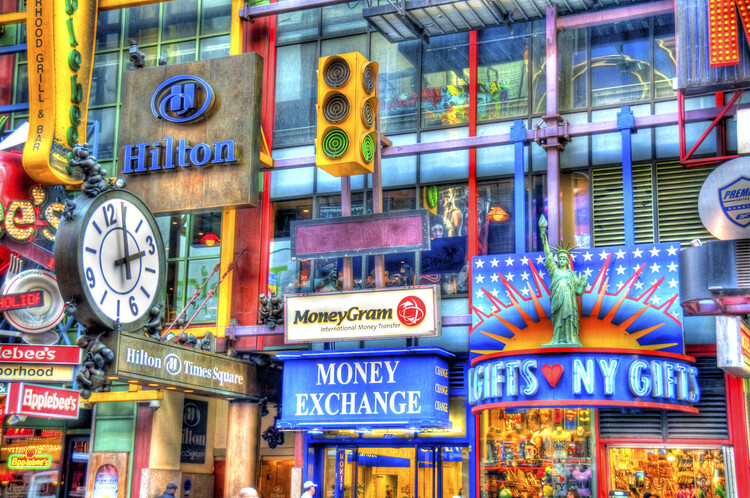
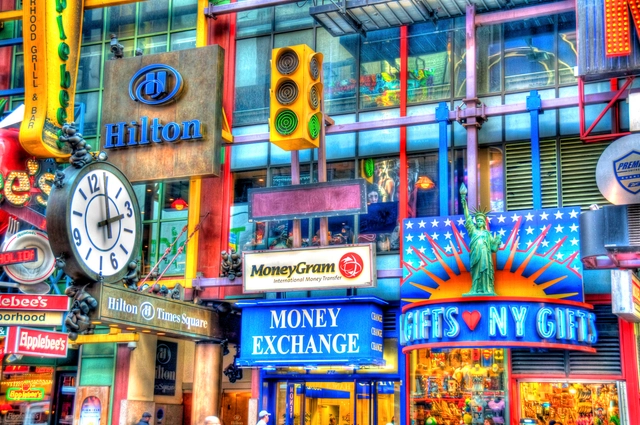
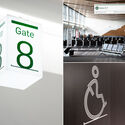
Our daily lives involve constant communication with the city. As we move through different spaces, we ask ourselves questions like "Where am I now?", "Where am I headed?", "What am I looking for?", "What is this building for?", and "How do I experience this space?" While spatial encounters may feel intuitive, environmental graphic design (EGD) provides the answers by serving as an important interface between us and the built environment. It involves the design of graphic elements that merge with architectural, landscape, urban, and interior designs to make spaces more informative, easier to navigate, and memorable. EDG comprises three major elements: text, shape, and color. Text and shapes typically encapsulate the graphic information, but color projects it, amplifies it, and helps communicate it within the packed scenes of the city. In spatial experiences, we perceive colors first, since our senses mostly register visual sensations. Therefore, the strategic use of color is critical for environmental graphics to provide a layered experience of identity imagery, sense of place, and emotional connection.

The Strategic Use of Color in Environmental Graphic Design - Image 1 of 4The Strategic Use of Color in Environmental Graphic Design - Image 2 of 4The Strategic Use of Color in Environmental Graphic Design - Image 3 of 4The Strategic Use of Color in Environmental Graphic Design - Image 4 of 4The Strategic Use of Color in Environmental Graphic Design - More Images+ 5

How Neighborhoods Rely on Graffiti to Protest Gentrification

Subscriber Access | 

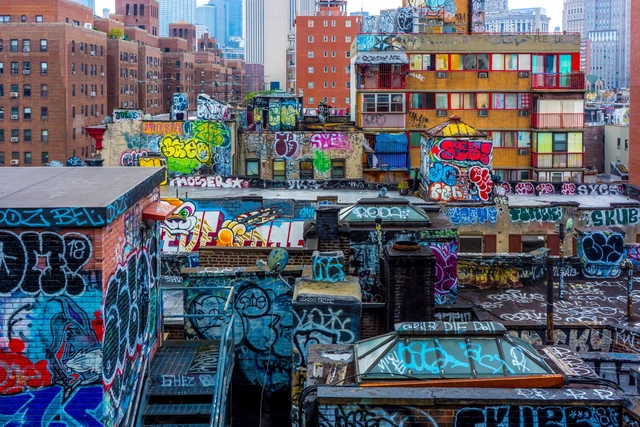
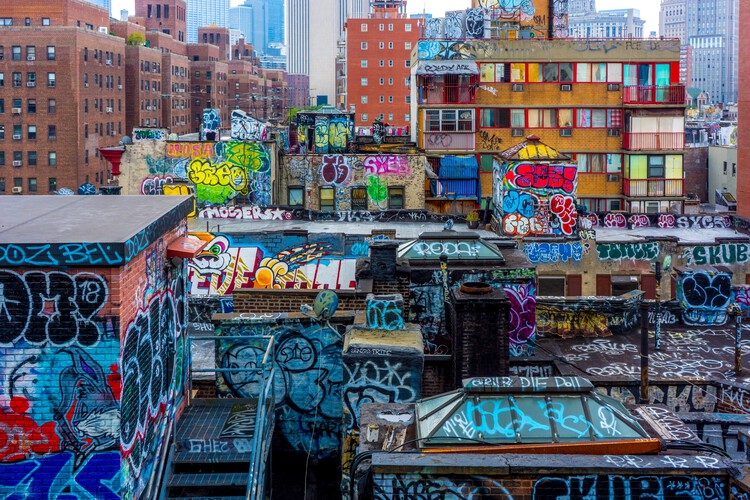
Graffiti, as an art form, has a complex relationship with gentrification. On one hand, it has engaged the streets and urban fabric as a canvas for people to express themselves culturally and socio-politically. This expression could be a form of rebellion by ethnic minorities and disadvantaged groups in certain neighborhoods, or it can build up a sense of cultural uniqueness and social expression, giving a neighborhood a positive character and attracting newcomers. However, over the years, the latter has been an agent of gentrification, spiking up property values to accommodate richer residents and alienating the native communities of those neighborhoods.

In certain instances, artists recognize their role in this urban scheme and tweak their art form through its style, message, location, and action as direct forms of protest to fight against gentrification. From Brixton, Shoreditch, and Hackney in London, Williamsburg and Bushwick in New York, to The Canal Saint-Denis and Belleville in Paris, the use of graffiti on the streetscapes of these neighborhoods can either protest or inspire different forms of development.

How Neighborhoods Rely on Graffiti to Protest Gentrification - Image 1 of 4How Neighborhoods Rely on Graffiti to Protest Gentrification - Image 2 of 4How Neighborhoods Rely on Graffiti to Protest Gentrification - Image 3 of 4How Neighborhoods Rely on Graffiti to Protest Gentrification - Image 4 of 4How Neighborhoods Rely on Graffiti to Protest Gentrification - More Images+ 5

Empathy in Design: Measuring How Faces Make Places

This article originally appeared in The Genetics of Design and was then republished by Common Edge.

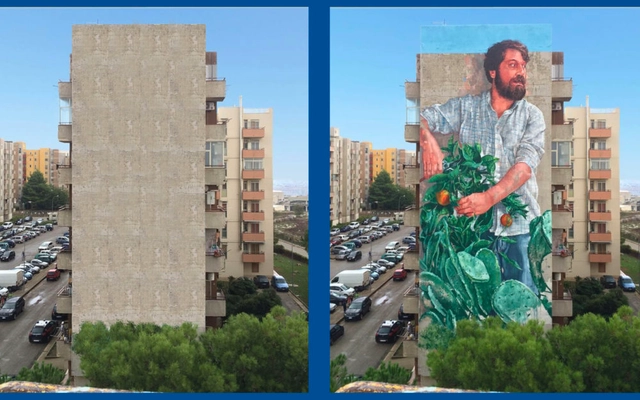
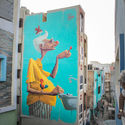
Since 2015, Ragusa, Sicily has hosted FestiWall, an international art festival devoted to enhancing the public realm and improving citizen engagement with the modern section of an old city. The image above shows two views of a residential tower before and after FestiWall. Which one grabs your eye?

We’ll guess you’re drawn to the one with the art at right. Running the image through biometric software predicts you’ll immediately focus on the man in the mural.

Street Art in the Digital Age: Photos, Documents, Urban Agency

Subscriber Access | 

How do street art practices resonate through the digital world, and how do we trace such resonance back to the street? More generally, what happens when the sensor-imbued city acquires the ability to see – almost as if it had eyes? Andrea Baldini (Nanjing University) reflects on the role that the Internet, and social networks, in particular, have had in boosting the circulation of graffiti and street art and, in turn, their communicative and denouncing power.

For the 2019 Shenzhen Biennale of Urbanism\Architecture (UABB), titled "Urban Interactions," (21 December 2019-8 March 2020) ArchDaily is working with the curators of the "Eyes of the City" section to stimulate a discussion on how new technologies might impact architecture and urban life. The contribution below is part of a series of scientific essays selected through the “Eyes of the City” call for papers, launched in preparation of the exhibitions: international scholars were asked to send their reflection in reaction to the statement by the curators Carlo Ratti Associati, Politecnico di Torino and SCUT, which you can read here.

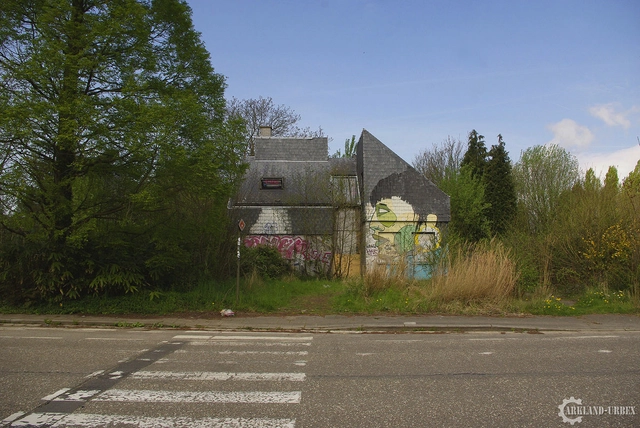
The Belgian City Doel is a Canvas for Street Artists - But is Art Enough to Save it?

Street art has long surpassed mere trend to become an integral part of cities' cultural identities. What was once considered vandalism is now not only accepted but encouraged. The works of once-prosecuted artists such as Banksy and Shepard Fairey are now collector's items; murals can cost anywhere from $1,000 to $20,000 or more. Through their works, artists may even have the power to save cities.

This Street Art Foundation Is Transforming India's Urban Landscape—With the Government's Support

Subscriber Access | 
This Street Art Foundation Is Transforming India's Urban Landscape—With the Government's Support - Featured Image
The Origin of the World by Borondo, Lodhi Colony, Delhi. Image © Naman Saraiya

Last month, ArchDaily had an opportunity to speak with Akshat Nauriyal, Content Director at Delhi-based non-profit St+Art India Foundation which aims to do exactly what its name suggests—to embed art in streets. The organization’s recent work in the Indian metropolises of Delhi, Mumbai, Hyderabad, and Bengaluru, has resulted in a popular reclamation of the cities’ civic spaces and a simultaneous transformation of their urban fabric. Primarily working within residential neighborhoods—they are touted with the creation of the country’s first public art district in Lodhi Colony, Delhi—the foundation has also collaborated with metro-rail corporations to enliven transit-spaces. While St+Art India’s experiments are evidently rooted in social activism and urban design, they mark a significant moment in the historic timeline of the application of street art in cities: the initiative involves what it believes to be a first-of-its-kind engagement between street artists and the government.

This Street Art Foundation Is Transforming India's Urban Landscape—With the Government's Support - Image 1 of 4This Street Art Foundation Is Transforming India's Urban Landscape—With the Government's Support - Image 2 of 4This Street Art Foundation Is Transforming India's Urban Landscape—With the Government's Support - Image 3 of 4This Street Art Foundation Is Transforming India's Urban Landscape—With the Government's Support - Image 4 of 4This Street Art Foundation Is Transforming India's Urban Landscape—With the Government's Support - More Images+ 42

How Developers Turned Graffiti Into a Trojan Horse For Gentrification

Subscriber Access | 

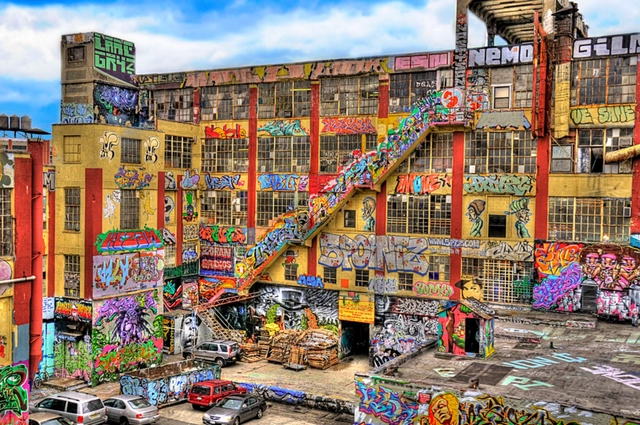
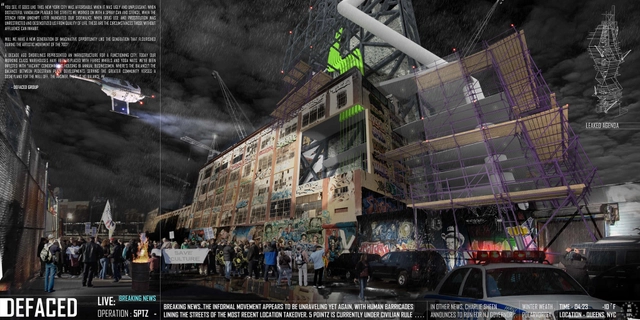
It happened in the middle of the night: the stealth whitewashing of 5Pointz, Long Island City's unofficial graffiti museum. In 2013 owner Jerry Wolkoff, of G&M Realty, wanted the building razed in order to erect new luxury condominiums, and the artists sued to preserve their work. A judge denied the artists' request and Wolkoff had the murals destroyed under cover of darkness, ostensibly to prevent them from attaining landmark status. Though graffiti was born as a subversive act, these artists had painted with Wolkoff's permission since 1993 and had turned the warehouse into “the world's premiere graffiti mecca” and the largest legal aerosol art space in the United States. This was a serious betrayal.