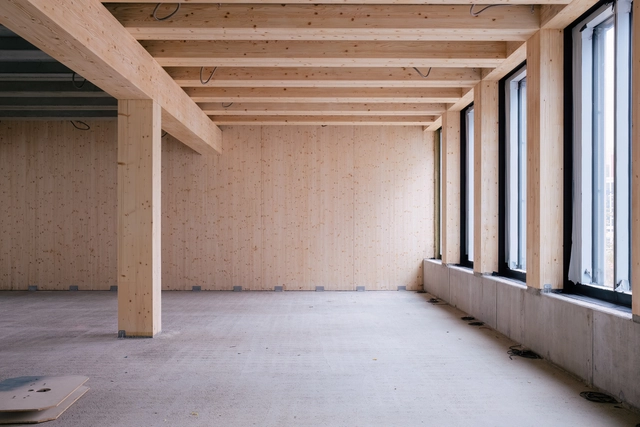
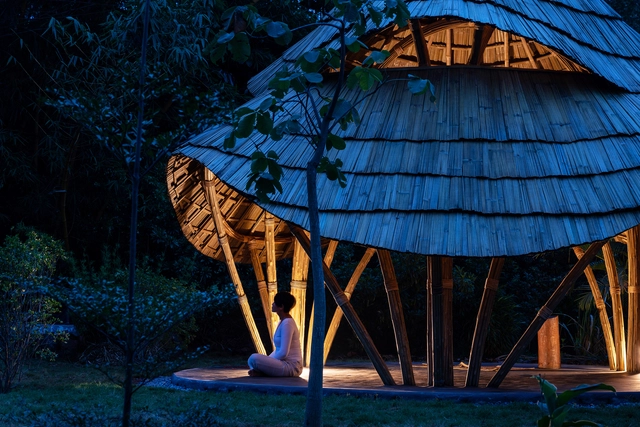
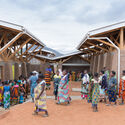
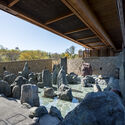
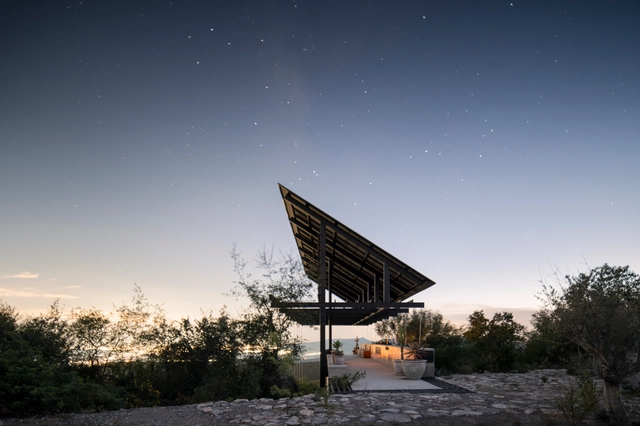
The Built by Nature Prize 2025 is now open for entries. The award recognizes completed projects – new builds, renovations, and extensions – that demonstrate leadership in sustainable timber and bio-based construction. Aimed at highlighting global best practices, the Prize offers architects and project teams an opportunity to gain international visibility and contribute to the evolving conversation around regenerative building. The deadline for submissions is 23:59 CET on June 8, 2025. Entries can be submitted via builtbn.org/prize.
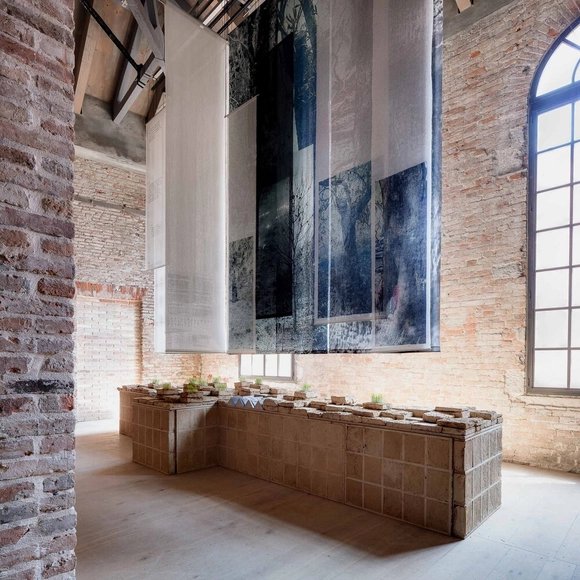
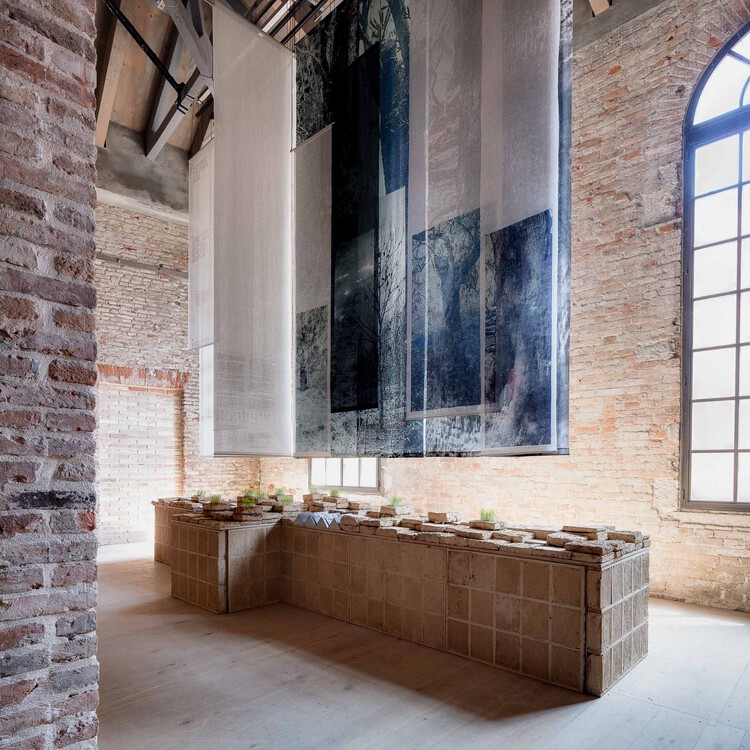
The Land Remembers: Lebanon’s Pavilion. Image Courtesy of CAL
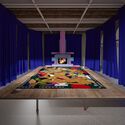
At the 19th International Architecture Exhibition of La Biennale di Venezia in 2025, the Lebanese Pavilion, curated by the Collective for Architecture Lebanon (CAL), presents "The Land Remembers," an exploration of ecocide and environmental healing. Selected by Lebanon's Ministry of Culture and the Lebanese Federation of Engineers, CAL is a non-profit organization co-founded in 2019 by Shereen Doummar, Edouard Souhaid, Elias Tamer, and Lynn Chamoun. Their curatorial vision aims to transform the pavilion into a fictional institution, the Ministry of Land Intelligens, dedicated to confronting environmental devastation and proposing strategies for ecological restoration.
In the United States, nearly 1 in 10 children are affected with asthma, a condition with rates significantly higher in urban areas of the country. However, in a community just outside Atlanta with a population of more than 300 children, not a single case of the condition has been reported. This is by design. Most cities and neighborhoods across the country are not designed with human biology in mind, an oversight that contributes to the growing prevalence of cardiovascular disease and mental health challenges. Are we treating chronic conditions as purely medical, when they may actually be symptoms of poor design?
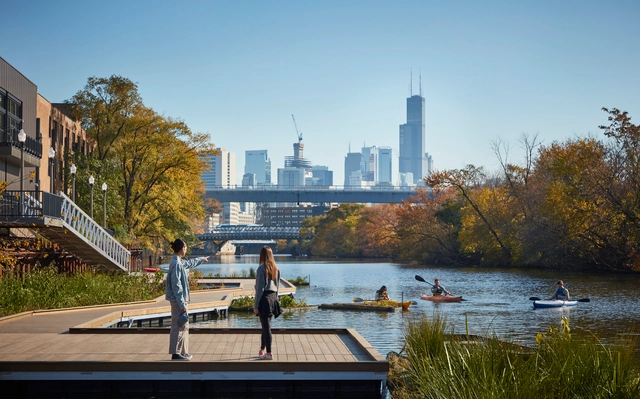
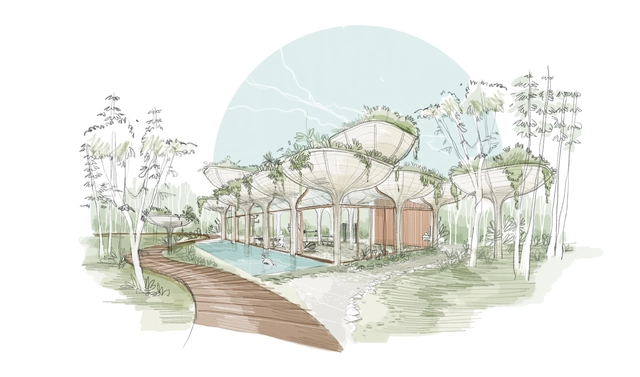
At a time when architectural practice is increasingly tied to climate and context, the boundary between the built and the natural has become a critical site of experimentation. This month's unbuilt selection gathers eight conceptual projects that work with the edges of landscape. In Ramia by João Teles Atelier, the architecture draws directly from the metaphor of a seed breaking through soil, using wood, concrete, and water to create a sensorial route through Tulum's ecology. Meanwhile, Mobius Pier by X Atelier loops gently over the river edge, becoming both infrastructure and observation point. Similarly, Il mare degli Umbri approaches the threshold differently, restoring the historic shoreline of Lake Trasimeno and reintroducing local wetland ecologies. Each project in this collection reflects a unique position: some treat the edge as a spatial experience, others as a regulatory line, and others still as a point of cultural or ecological return.
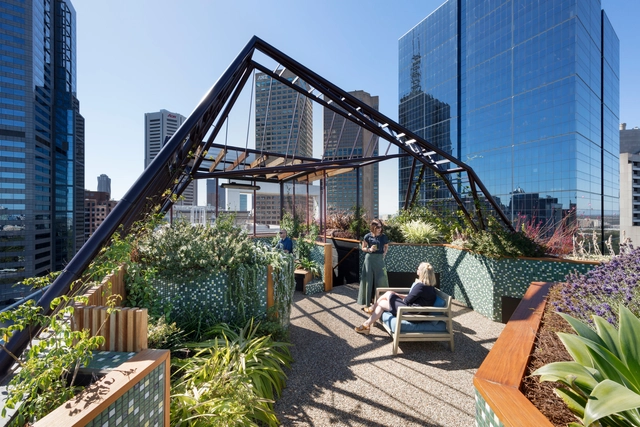
In today’s dense, vertical cities, terraces—often overlooked as mere technical rooftops—are emerging as key spaces for reconnecting with nature, expanding residential functions, and offering moments of collective relief. Particularly in single-family homes located in compact urban areas, these elevated surfaces represent valuable opportunities to increase usable living space without occupying more land. By lifting daily life above street level, terraces open new ways of inhabiting the city, enabling a range of uses from leisure and contemplation to food production and social gathering. In contexts marked by limited green space and strained infrastructure, they hold the potential to generate what landscape architect Catherine Mosbach calls "additional layers of urbanity." Whether imagined as hanging gardens, gathering spots, edible landscapes, or wellness zones, terraces challenge the idea that the city ends at the top floor—inviting us to see the roof as a new kind of ground.
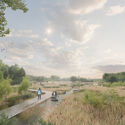
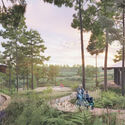
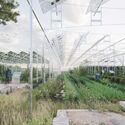
New settlement and production in Øm. Render. Image Courtesy of THIRD NATURE
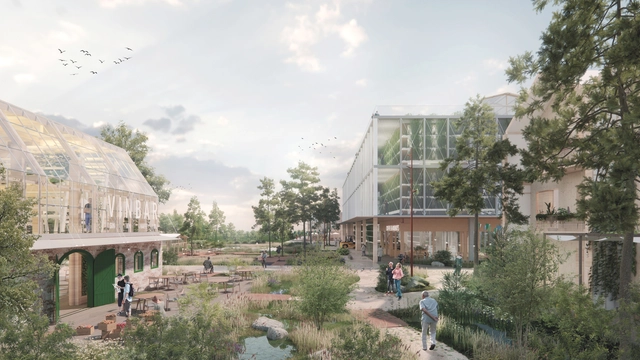
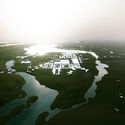
Danish architecture firm Third Nature, together with Sophie Sahlqvist Landskab, Arkaia, ILC, and Artelia, recently shared images of Øhjem, their proposed strategic vision for the re-naturalization of Denmark's Greater Copenhagen region toward 2050. The regenerative plan is part of the Water's Ways program under the Agenda Earth initiative, an interdisciplinary project run by the Danish Association of Architects in collaboration with the Dreyers Foundation and the Danish Bar Association. Led by urbanist Boris Brorman Jensen, the program calls for long-term solutions to restore 15% of Danish agricultural land while also protecting 600,000 homes from water-related threats. Third Nature's Øhjem masterplan reimagines the 25 km Ramsø Dale as a step toward implementing the land management objectives outlined in the Danish Green Tripartite Agreement (Grøn Trepart), signed in June 2024.
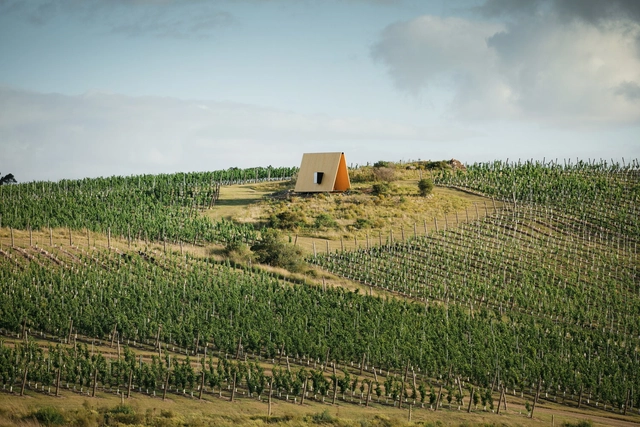
Residential houses, villas, and retreats are increasingly being designed as places of pause—spaces where architecture supports rest, reflection, and stronger connections to nature. Rather than focusing solely on urban living or compact efficiency, these homes are set in remote, scenic, or rural locations, where the landscape becomes an essential part of daily life. Through careful siting, use of natural materials, and open layouts, they offer an elevated standard of living that is both intentional and grounded in place.
Around the world, different cultures have developed unique ways of understanding and experiencing healing. Far from being merely a physical process, healing encompasses emotional, spiritual, social, and architectural dimensions. Healing spaces—whether physical, symbolic, or natural—reflect each culture's values, beliefs, and ways of life. Exploring these cultural approaches not only broadens our perspective on health but also encourages us to reconsider how we design environments that nurture care and well-being.
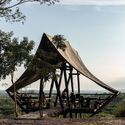
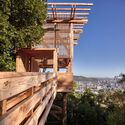
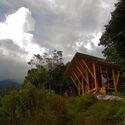
When designing spaces for viewing, architecture enters into a dialogue with the territory in an effort to understand the landscape and the enjoyment of reality, whether natural or built. Through an invitation to contemplate our surroundings, several architecture professionals in Latin America embark on the challenge of constructing structures that interact with nature, reinterpret certain building typologies, or become part of the learning and teaching of architecture for future generations. The wide variety of landscapes and cultures present in the Latin American context reflects the endless opportunities where architecture holds the potential to foster dialogue between the observer and the observed while drawing from the region’s deep connection with local flora, fauna, and other species.
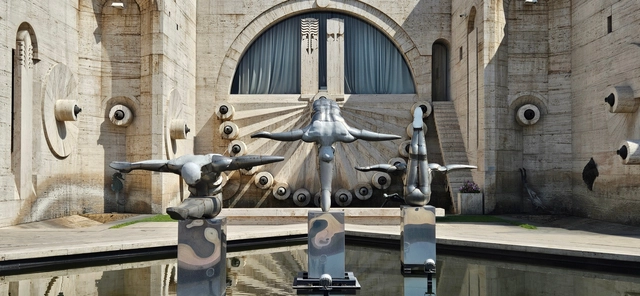
"Divers" by David Martin at the Yerevan Cascade Complex. Image by Besides the Obvious via Shutterstock.
Tucked away between the majestic peaks of the Caucasus and the enchanting landscapes of the Near East, Armenia is a small yet fiercely proud nation, shaped by rugged mountains and ancient volcanoes. One of the world's oldest countries, its roots stretch back to the 6th century BCE, standing at the crossroads of empires—Persian, Roman, Byzantine, and Ottoman. Yet, through centuries of upheaval, Armenia has held onto its distinctive identity, carved into its language, architecture, and rich cultural traditions—earning it the evocative title, "the land of stones."
Integrating natural elements into architectural design has long been a fundamental pursuit in creating comfortable, sustainable environments that enhance both individual well-being and the relationship between buildings and their surrounding context. In areas with vast landscapes, incorporating natural elements is essential for seamlessly connecting architecture with its site. Conversely, in dense urban environments dominated by built structures, introducing greenery becomes also increasingly vital, reintroducing nature into the so-called "concrete jungle."
However, beyond conventional landscape features—such as water fountains, green walls, gardens, or courtyards—architects are redefining what it means to build with nature. The focus has shifted toward deeply integrating architecture with its natural surroundings, creating immersive spatial experiences that blur the boundaries between the built and the organic - in a way, "taming" nature. When successfully executed, these designs go beyond fostering well-being or promoting a healthy lifestyle; they evoke a profound sense of tranquility, power, and harmony, transforming the way we perceive and inhabit space.
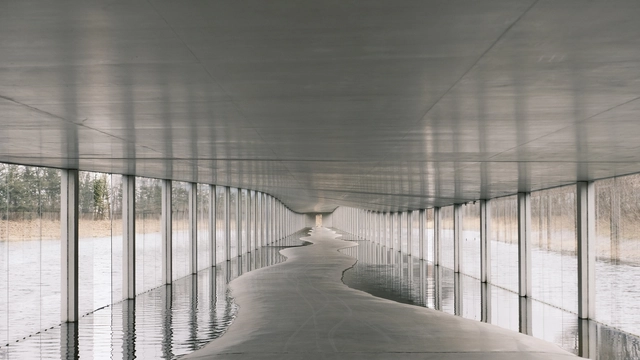
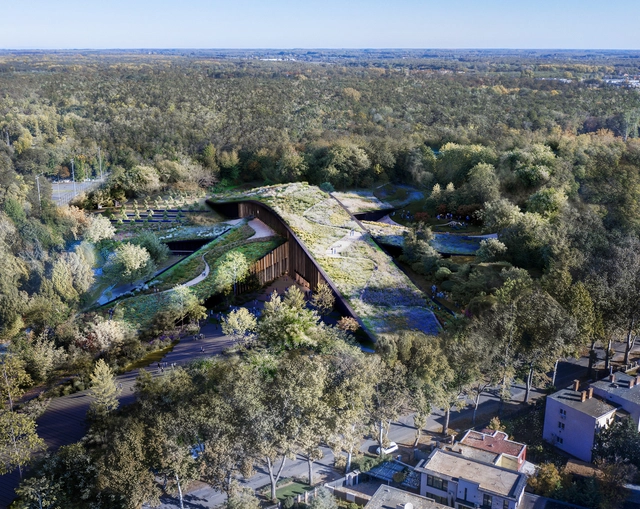
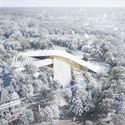
BIG, Bjarke Ingels Group, has been selected to design the new Hungarian Natural History Museum in Debrecen. Located on a former sports ground at the northern edge of the city's Great Forest, Nagyerdő, the 23,000 m² museum is being developed in collaboration with Vikár és Lukács Építés Stúdió, Museum Studio, and TYPSA. The new institution will replace the existing museum in Budapest, supporting the government's vision to establish Debrecen as a regional hub for education and culture by 2030. Commissioned by the Museum and the Ministry of Culture and Innovation, the new building will house permanent and temporary exhibition halls, educational and research facilities, public amenities, and back-of-house spaces.
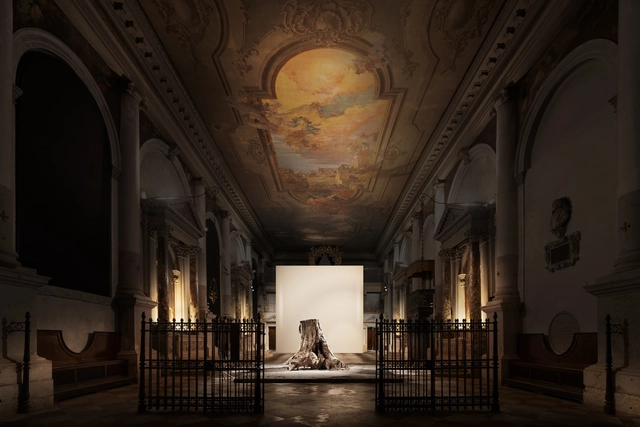
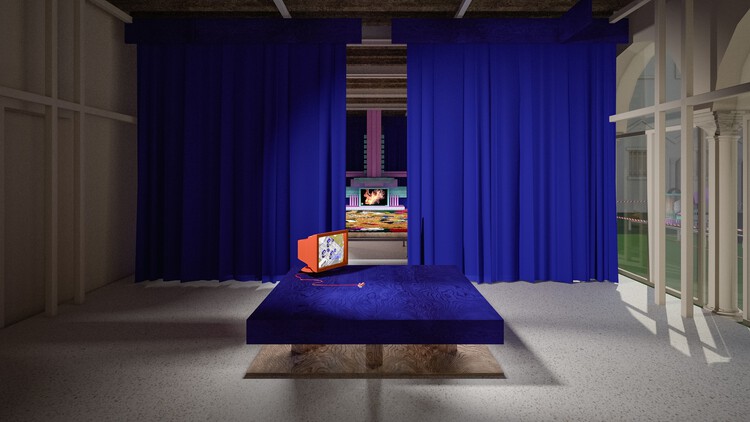
The Lithuanian Pavilion at the 2025 Venice Architecture Biennale presents Archi / Tree / tecture, a project by the National Architects Association. Commissioned by Juratė Tutlyte and curated by architect Gintaras Balčytis, the exhibition invites architects, students, communities, and visitors to reflect on the deep connections between architecture and urban nature. It positions the discipline as an interpretive medium that reveals the layered relationships shaping our cities, which in turn reflect these dynamic interactions. The proposal evokes an urban memory rooted in landscapes where fields and trees once stood, introducing the dimension of time into discussions on city ecosystems, sustainability, and resilience. The exhibition, an indoor installation designed by architects Paulius Vaitiekūnas, Andrius Pukis, and Vika Pranaitytė, will be set within the Church of Santa Maria dei Derelitti. The audiovisual and light installation in the pavilion was designed by the interdisciplinary art duo Lina Pranaitytė and Urtė Pakers, while the sculptural component of the installation was created by Kęstutis Lanauskas.
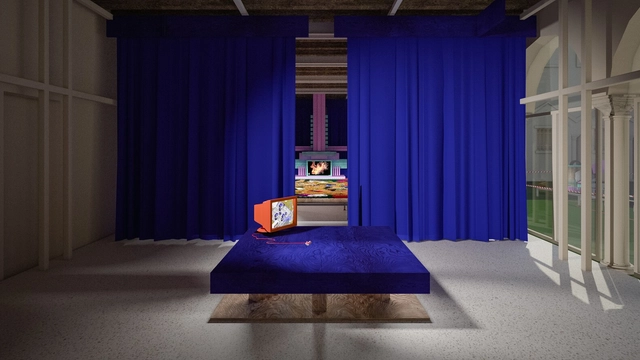
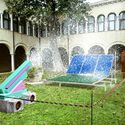
The Bulgarian contribution to the 2025 Venice Architecture Biennale is an experimental installation titled Pseudonature, situated at the intersection of nature and technology, reality and simulation. Curated by architect and designer Iassen Markov, the project explores the future of sustainability in a world where natural processes are increasingly mediated by artificial intelligence and human intervention. The exhibition features an outdoor installation that exposes technological and climate paradoxes and an interior space designed as a reimagined traditional Bulgarian room. Outside, physical interventions disrupt natural balances, highlighting the fragile interplay between technology and the environment. Inside, the space shifts to a setting for contemplation, where restoring equilibrium becomes a collective and introspective challenge.
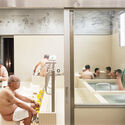
Historically, public bathing was a fundamental necessity for hygiene, giving rise to communal bathhouses in regions where private bathrooms were a rarity. In Japan, for instance, sento bathhouses emerged during the early Edo period, serving as essential facilities when most households lacked their own bathing spaces. Similarly, in other parts of the world where plumbing and water management were considered luxuries, shared public baths became vital components of urban life. Over time, these spaces evolved beyond their functional role, becoming venues for socializing, relaxation, and a temporary escape from daily routines.
However, in the modern era, private bathrooms have become ubiquitous in contemporary homes, effectively addressing the hygiene concerns that once made public bathhouses indispensable. With the rise of alternative social spaces—cafés, fitness centers, bars, and jazz lounges—the traditional communal bath no longer serves the same essential function. While some may still appreciate the social aspect of public bathing, the inconvenience of changing clothes and getting wet in front of strangers can deter many from engaging in the experience.
At a global level, contemporary architecture continues to explore tools and design methodologies to integrate nature into habitable spaces, given its proven benefits and contributions to improving people's quality of life. While there are diverse religious beliefs around the world, religious architecture generally expands beyond its uses and functions to connect with the sacred. Senses, memories, and emotions are transmitted in these spaces through the use of certain materials, spatial organizations, and even sounds and aromas that enhance experiences in atmospheres of spirituality, divinity, and reflection. In Mexico, Chile, Ecuador, Brazil, and Uruguay, projects for places of worship open to the outdoors reflect an architecture that adapts to different natural environments while maintaining the premise that each religion is tied to a social identity and requires a particular connection with its community and surrounding landscape.
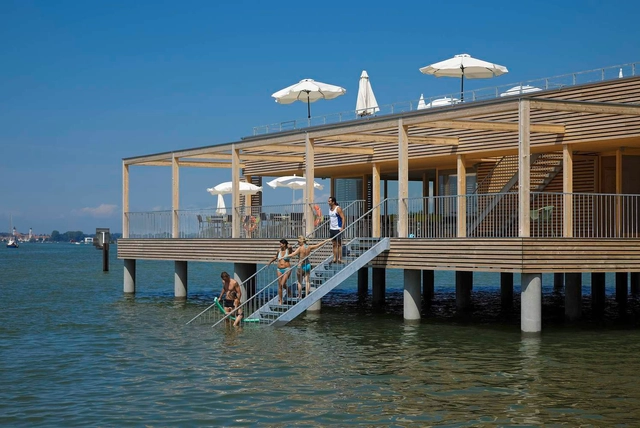
For the 5th Anniversary Edition of the "Monaco Smart & Sustainable Marina Rendezvous", M3 Monaco unveils the new theme of its annual international architecture competition. Students, young architects, and professionals are challenged to imagine a new vision or rethink the development of Certosa Island's infrastructure in Venice, creating a unique dialogue that incorporates regenerative tourism, the maritime journey, the UNESCO World Heritage listing, and the context of "La Serenissima."