1. ArchDaily
  2. Nature Intergrated Architecture

Nature Intergrated Architecture: The Latest Architecture and News

Form Follows the Existing: 15 Homes Designed to Preserve Local Trees

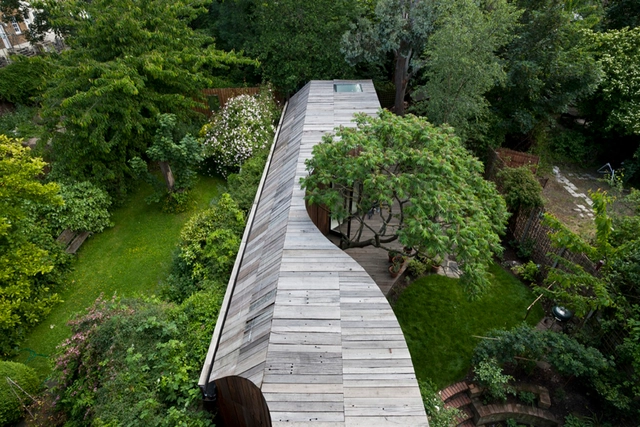
The preservation of the environment and the harmonious integration of the built and natural elements are fundamental principles in contemporary architecture. Various design strategies are employed to achieve this balance, ranging from the revival of vernacular techniques to the use of advanced technologies. However, this concern goes beyond the choice of specific construction systems or innovative materials; it also manifests in the design approach that ensures the preservation of the site's natural elements. In this context, we present 15 homes designed to protect local trees, showcasing how architectural decisions can adapt to nature rather than impose on it.

Form Follows the Existing: 15 Homes Designed to Preserve Local Trees - Image 1 of 4Form Follows the Existing: 15 Homes Designed to Preserve Local Trees - Image 2 of 4Form Follows the Existing: 15 Homes Designed to Preserve Local Trees - Image 3 of 4Form Follows the Existing: 15 Homes Designed to Preserve Local Trees - Image 4 of 4Form Follows the Existing: 15 Homes Designed to Preserve Local Trees - More Images+ 27

Biophilic Architecture without Plants: Invisible Design for Wellbeing

The term "biophilia" understandably conjures images of buildings engulfed by vegetation and integrated into natural landscapes. In modern architectural discourse, the concept has come to be associated with the incorporation of greenery into built environments, yet such applications represent only a sliver of biophilic design's true scope. Inarguably, nature plays a central role in biophilic design. However, its influence stretches to often-overlooked strategies that involve spatial configuration and environmental patterning. "Invisible" biophilia frequently leads to positive health outcomes for occupants, working impactfully beneath the surface.

Biophilic Architecture without Plants: Invisible Design for Wellbeing - Image 1 of 4Biophilic Architecture without Plants: Invisible Design for Wellbeing - Image 2 of 4Biophilic Architecture without Plants: Invisible Design for Wellbeing - Image 3 of 4Biophilic Architecture without Plants: Invisible Design for Wellbeing - Image 4 of 4Biophilic Architecture without Plants: Invisible Design for Wellbeing - More Images+ 4

Lessons from Roberto Burle Marx: Designing Resilient and Evolving Urban Landscapes

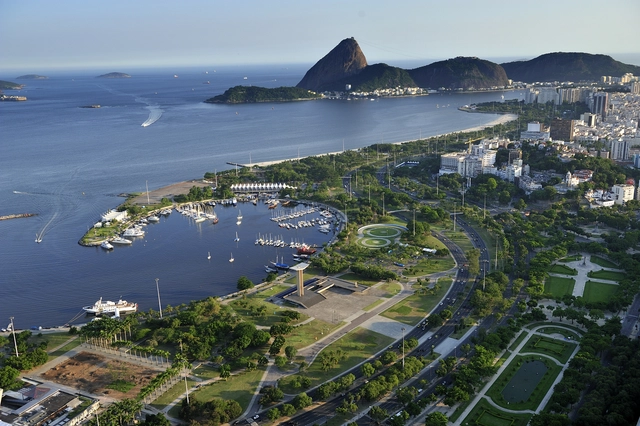
Roberto Burle Marx is often celebrated as a pioneering figure in landscape architecture, particularly for his innovative approach to integrating nature within urban environments. His work, characterized by a deep respect for native flora and a commitment to ecological balance, offers valuable lessons for contemporary landscape architects. At a time when climate change and biodiversity loss are pressing global concerns, revisiting Burle Marx's principles provides insight into creating urban spaces that are not only functional and aesthetically pleasing but also resilient and sustainable.

From the 1930s to the 1990s, Burle Marx's work anticipated many of today's concerns about sustainability and urban well-being. Long before terms like "sustainable design" or "green infrastructure" became commonplace, Burle Marx was already advocating for the use of native plants, recognizing their role in creating self-sustaining ecosystems that required minimal intervention. His projects often transformed neglected urban areas into vibrant, ecologically balanced spaces that not only improved the environment but also enhanced the quality of life for city dwellers.

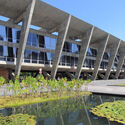
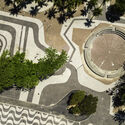
Lessons from Roberto Burle Marx: Designing Resilient and Evolving Urban Landscapes - Image 26 of 4Lessons from Roberto Burle Marx: Designing Resilient and Evolving Urban Landscapes - Image 1 of 4Lessons from Roberto Burle Marx: Designing Resilient and Evolving Urban Landscapes - Image 3 of 4Lessons from Roberto Burle Marx: Designing Resilient and Evolving Urban Landscapes - Image 7 of 4Lessons from Roberto Burle Marx: Designing Resilient and Evolving Urban Landscapes - More Images+ 23

Indoor-Outdoor Homes in Lithuania: 20 Projects with Oversized Windows that Invite Nature

Subscriber Access | 
Indoor-Outdoor Homes in Lithuania: 20 Projects with Oversized Windows that Invite Nature - Image 23 of 4
Cedar House / arches. Image © Norbert Tukaj

Lithuania's architectural narrative is a mosaic of diverse influences and styles, representing its historical evolution, cultural heritage, and resilience through changing times. Despite a focus on traditional craftsmanship, functional minimalism, and sustainable materials, the country's design language has been profoundly influenced by its geopolitical position and historical events, resulting in a blend of styles from different periods. A key factor that cuts across all expressions, however, is Lithuanian architecture's seamless connection with its natural surroundings.

Indoor-Outdoor Homes in Lithuania: 20 Projects with Oversized Windows that Invite Nature - Image 1 of 4Indoor-Outdoor Homes in Lithuania: 20 Projects with Oversized Windows that Invite Nature - Image 2 of 4Indoor-Outdoor Homes in Lithuania: 20 Projects with Oversized Windows that Invite Nature - Image 3 of 4Indoor-Outdoor Homes in Lithuania: 20 Projects with Oversized Windows that Invite Nature - Image 4 of 4Indoor-Outdoor Homes in Lithuania: 20 Projects with Oversized Windows that Invite Nature - More Images+ 19

"Architecture of the Future Should be in Harmony with Nature": In Conversation with Sou Fujimoto at the House of Music Hungary

Subscriber Access | 

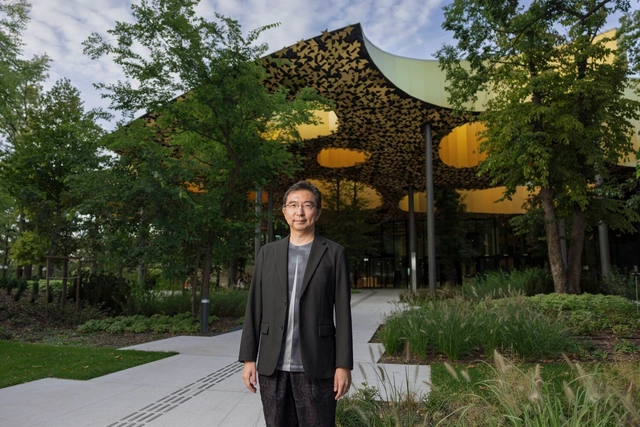
The House of Music Hungary is one of the biggest cultural investments in the European Union. Designed by Sou Fujimoto Architects, it is becoming a hub for city dwellers and worldwide visitors wishing to attend concerts, visit the exhibition or record music in the building's open studios.

ArchDaily editors first got in touch with the Liget Budapest Project in the summer of 2021 and were treated to an impressive site visit at the House of Music Hungary. We were among a few select invitees that caught a glimpse of the finishing phases at one of the city's major projects located in its 200-year-old park. Developers and contractors were racing to catch up on the time they’d missed due to the pandemic – a challenge they certainly fulfilled, with the project completed in less than six years and being opened to the public in December 2021.

"Architecture of the Future Should be in Harmony with Nature": In Conversation with Sou Fujimoto at the House of Music Hungary - Arch Daily Interviews"Architecture of the Future Should be in Harmony with Nature": In Conversation with Sou Fujimoto at the House of Music Hungary - Arch Daily Interviews"Architecture of the Future Should be in Harmony with Nature": In Conversation with Sou Fujimoto at the House of Music Hungary - Arch Daily Interviews"Architecture of the Future Should be in Harmony with Nature": In Conversation with Sou Fujimoto at the House of Music Hungary - Arch Daily InterviewsArchitecture of the Future Should be in Harmony with Nature: In Conversation with Sou Fujimoto at the House of Music Hungary - More Images+ 13

Amey Kandalgaonkar Explores the Architectural Possibilities of Combining Desert Rocks and Geometric Forms

Subscriber Access | 
Amey Kandalgaonkar Explores the Architectural Possibilities of Combining Desert Rocks and Geometric Forms - Image 5 of 4
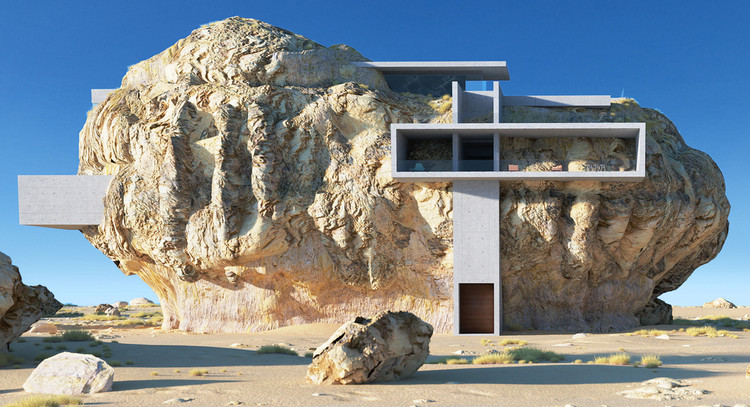
House Inside a Rock. Image © Amey Kandalgaonkar

Amey Kandalgaonkar Explores the Architectural Possibilities of Combining Desert Rocks and Geometric Forms - Image 1 of 4Amey Kandalgaonkar Explores the Architectural Possibilities of Combining Desert Rocks and Geometric Forms - Image 2 of 4Amey Kandalgaonkar Explores the Architectural Possibilities of Combining Desert Rocks and Geometric Forms - Image 3 of 4Amey Kandalgaonkar Explores the Architectural Possibilities of Combining Desert Rocks and Geometric Forms - Image 4 of 4Amey Kandalgaonkar Explores the Architectural Possibilities of Combining Desert Rocks and Geometric Forms - More Images+ 8

Although architecture has been constantly evolving, past builders have laid out a huge amount architectural heritage for us to learn from and get inspired by, and integrating natural elements with man-made structures is no exception.

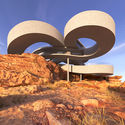
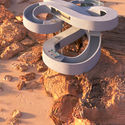
Shanghai-based architect and architectural photographer Amey Kandalgaonkar found inspiration in the rock cut-tomb of Madain Saleh in Saudi Arabia, and with the same architecture approach, designed two residential projects that incorporate architecture with the rigid parts of nature.