1. ArchDaily
  2. Middle East

Middle East: The Latest Architecture and News

Japan Pavilion Unfolds an Intricate Tridimensional Facade for Expo 2020 Dubai

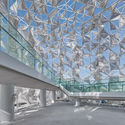
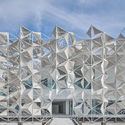
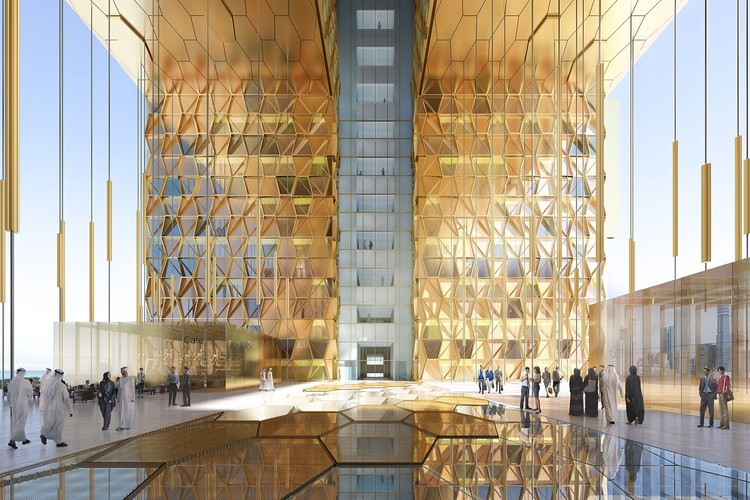
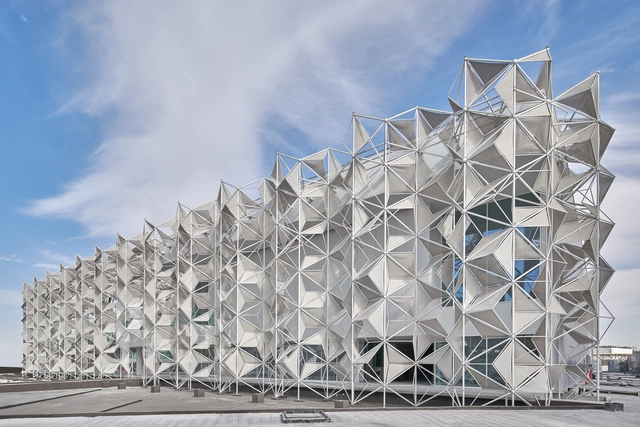
Centred around the theme of connection, Japan's Pavilion for Expo 2020 Dubai unfolds a geometrical 3D lattice inspired by the commonalities of traditional Japanese and Arabic patterns. Designed by Yuko Nagayama and Associates, the project uncovers through different architectural means the cultural similarities between Japan and the Middle East.
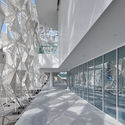
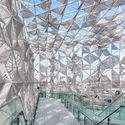
Japan Pavilion Unfolds an Intricate Tridimensional Facade for Expo 2020 Dubai - Image 1 of 4Japan Pavilion Unfolds an Intricate Tridimensional Facade for Expo 2020 Dubai - Image 2 of 4Japan Pavilion Unfolds an Intricate Tridimensional Facade for Expo 2020 Dubai - Image 3 of 4Japan Pavilion Unfolds an Intricate Tridimensional Facade for Expo 2020 Dubai - Image 4 of 4Japan Pavilion Unfolds an Intricate Tridimensional Facade for Expo 2020 Dubai - More Images+ 1

8 Initiatives that Empower Women in the Architectural and Urban Fields

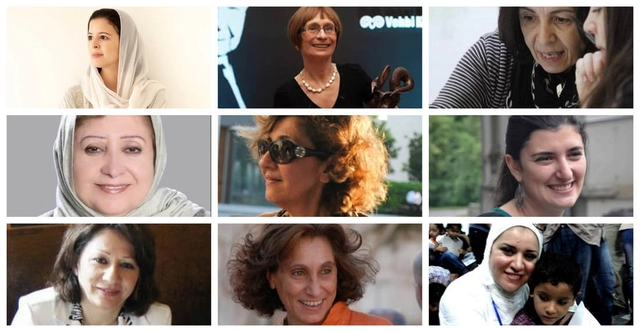
While in a lot of countries around the world, the construction, architecture, engineering, and urban planning sectors, are still reserved for men, initiatives that empower women in these fields are surfacing everywhere around the globe. Playing a huge role in the integration of female power into these disciplines, these movements take on many forms such as organizations, websites, platforms, etc. working with professionals, artisans, and workers.

From providing skills, connecting outstanding females, ensuring exposure, and promoting the works of pioneers, these initiatives have the common purpose of encouraging women to have an impact on their built environment.

Kuwait's New Palace of Justice Designed by PACE

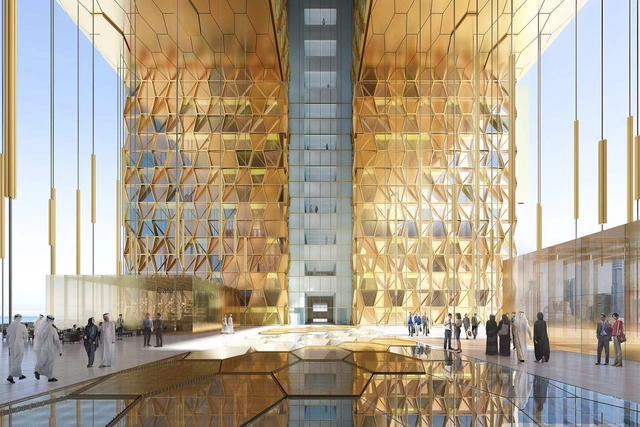
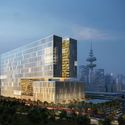
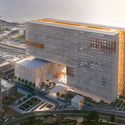
The new Palace of Justice in Kuwait by PACE is currently under construction. Al-Diwan Al-Amiri plans for the project to include a 25-story building with 123 courtrooms, as well as both automated and conventional parking for 3000 cars. The Palace is designed to be a "symbol of fairness and integrity" for Kuwait.

Kuwait's New Palace of Justice Designed by PACE - Image 1 of 4Kuwait's New Palace of Justice Designed by PACE - Image 2 of 4Kuwait's New Palace of Justice Designed by PACE - Image 3 of 4Kuwait's New Palace of Justice Designed by PACE - Image 4 of 4Kuwait's New Palace of Justice Designed by PACE - More Images+ 1

"Warchée" Demolishes Gender Inequality in the Construction Field

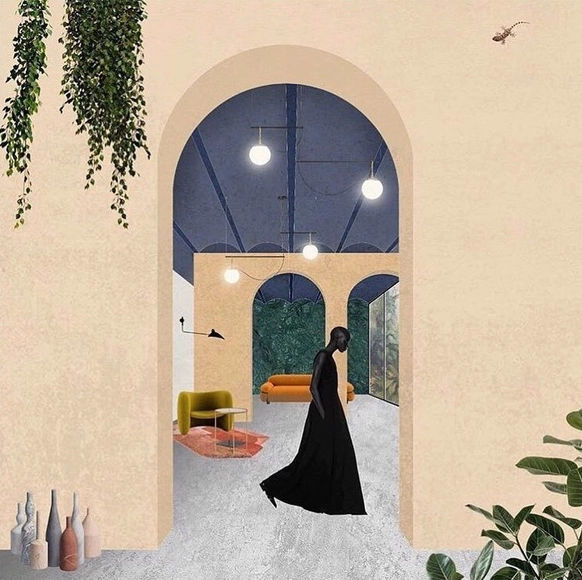
Warchée is an organization that has the purpose of integrating women into the construction field. Born from the observation that in a rapidly urbanizing world, particularly in the Middle East, women are still excluded from certain professions, the NGO, founded by Anastasia Elrouss, aims to create an all-inclusive and evolving world.

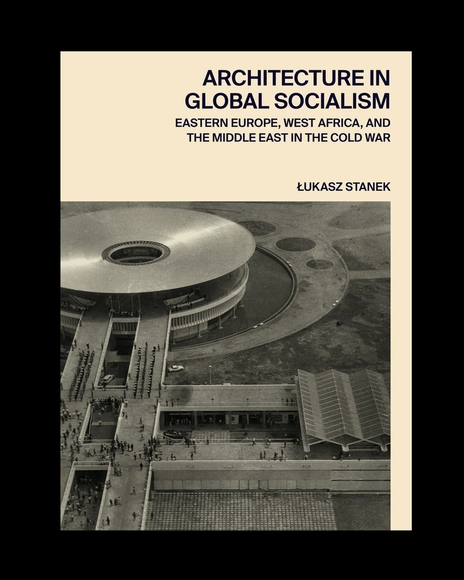
Architecture in Global Socialism: Eastern Europe, West Africa, and the Middle East in the Cold War

In the course of the Cold War, architects, planners, and construction companies from socialist Eastern Europe engaged in a vibrant collaboration with those in West Africa and the Middle East in order to bring modernization to the developing world. Architecture in Global Socialism shows how their collaboration reshaped five cities in the Global South: Accra, Lagos, Baghdad, Abu Dhabi, and Kuwait City.

The Middle Eastern Architectural Personality of the Year | Mohamed Makiya Prize | Tamayouz Excellence Award 2020

The Mohamed Makiya Prize is part of Tamayouz Excellence Award's programme that champions and celebrates the best of architecture in the Middle East and North Africa. Every cycle, the prize is presented to the 'Architectural Personality of the Year', or the individual/organisation that has made the greatest contribution towards the advancement of architecture in a specific period. The winner will be celebrated during the annual Tamayouz Excellence Award Ceremony.

Women in Architecture and Construction Award | Middle East and North Africa | Tamayouz Excellence Award 2020

The Tamayouz Women in Architecture and Construction Award is an excellence award for women who have contributed to the fields of architecture and construction throughout the Near East and North Africa. The award consists of two categories:

New Histories: Reshaping Traditional Housing in Kuwait

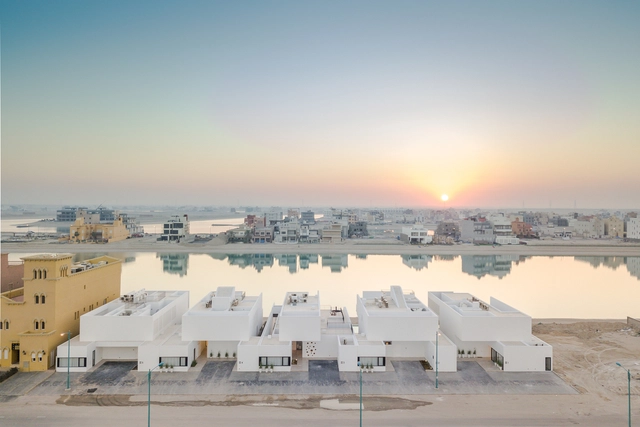
Modern architecture is tied to cultural history. In Kuwait, the country’s built environment and housing has been reshaped by larger economic and cultural movements. After the discovery of oil, the country experienced economic growth that drove development across diverse markets and transformed how citizens live today.

New Histories: Reshaping Traditional Housing in Kuwait - Image 1 of 4New Histories: Reshaping Traditional Housing in Kuwait - Image 2 of 4New Histories: Reshaping Traditional Housing in Kuwait - Image 3 of 4New Histories: Reshaping Traditional Housing in Kuwait - Image 4 of 4New Histories: Reshaping Traditional Housing in Kuwait - More Images+ 7

The 'Manhattan of the Desert': Shibam, Yemen's Ancient Skyscraper City

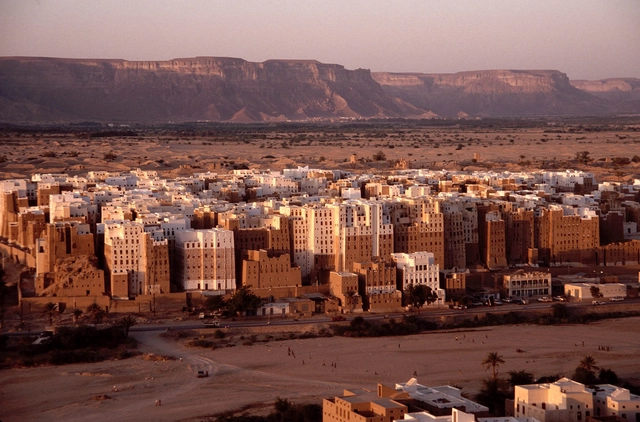
Walking through narrow chaotic alleys dwarfed by soaring towers, few would estimate the age of Yemen's city of Shibam at nearly 1,700 years. Located in Yemen's central Hadhramaut district, Shibam has roots in the pre-Islamic period, and evidence of construction dating from the 9th century.

Shibam is known as the first city on earth with a vertical masterplan. A protected UNESCO World Heritage Site since 1982, the city is home to densely packed buildings ranging from four to eight storeys, beginning in 300 AD but now mostly built after 1532. Thanks to a fortified ring wall, the city has survived nearly two thousand years despite its precarious position adjacent to the wadi floodplain.

Enter the ancient walled world of Shibam after the break

The 'Manhattan of the Desert': Shibam, Yemen's Ancient Skyscraper City - Image 1 of 4The 'Manhattan of the Desert': Shibam, Yemen's Ancient Skyscraper City - Image 2 of 4The 'Manhattan of the Desert': Shibam, Yemen's Ancient Skyscraper City - Image 3 of 4The 'Manhattan of the Desert': Shibam, Yemen's Ancient Skyscraper City - Image 4 of 4The 'Manhattan of the Desert': Shibam, Yemen's Ancient Skyscraper City - More Images+ 1

Tamayouz Announces the Winners of Women in Architecture and Construction Award

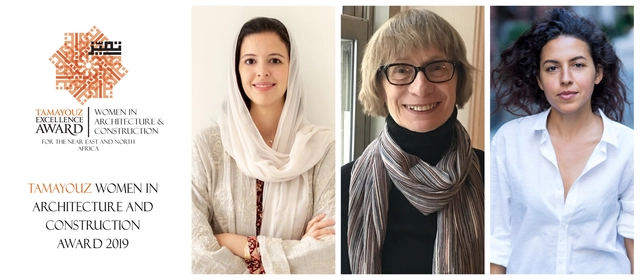
The Tamayouz Excellence Award revealed the winners of its Women in Architecture and Construction Award 2019, a prize that honors the achievements of female architects in the Near East and North Africa, under 2 categories: Rising Star and Woman of Outstanding Achievement.

"Terra Nullius" Thesis Addresses the Israeli-Palestinian Conflict in the Middle East

Jonathan Ben David of the Israel Institute of Technology has created a thesis project titled “Terra Nullius” which dwells on the identities and conceptual restraints dividing people in the Middle East. Suggesting alternative concepts, frames of mind, and mediums for which different social groups can gather upon, the thesis takes place off the coast of Jaffa, once an epicenter of Palestinian urbanism, where a new state is formed as an act of protest by Jews and Palestinians longing for co-existence.

"Terra Nullius" Thesis Addresses the Israeli-Palestinian Conflict in the Middle East - Image 1 of 4"Terra Nullius" Thesis Addresses the Israeli-Palestinian Conflict in the Middle East - Image 2 of 4"Terra Nullius" Thesis Addresses the Israeli-Palestinian Conflict in the Middle East - Image 3 of 4"Terra Nullius" Thesis Addresses the Israeli-Palestinian Conflict in the Middle East - Image 4 of 4Terra Nullius Thesis Addresses the Israeli-Palestinian Conflict in the Middle East - More Images+ 7

What Urbanism Needs to Learn from Dubai

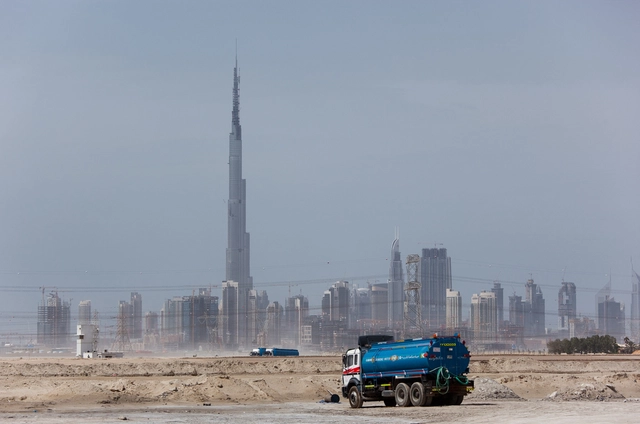
In the past three decades, Dubai has grown from a dusty desert town to a strategic hub for international business and tourism. As a result, several cities in the developing world have been competing to outdo one another in the race to replicate this development model—an urbanism largely built around the automobile, luxury villas, gleaming skyscrapers, massive shopping malls, and ambitious “smart” cities, designed and built from scratch. Across Africa, these new developments go by different names: Eko Atlantic City Nigeria, Vision City in Rwanda, Ebene Cyber City in Mauritius; Konza Technology City in Kenya; Safari City in Tanzania; Le Cite du Fleuve in DR Congo, and several others. All are mimicries of Dubai.

The Trends that Will Influence Architecture in 2019

It is, once again, the time of year where we look towards the future to define the goals and approaches that we will take for our careers throughout the upcoming year. To help the millions of architects who visit ArchDaily every day from all over the world, we compiled a list of the most popular ideas of 2018, which will continue to be developed and consolidated throughout 2019.

Over 130 million users discovered new references, materials, and tools in 2018 alone, infusing their practice of architecture with the means to improve the quality of life for our cities and built spaces. As users demonstrated certain affinities and/or demonstrated greater interest in particular topics, these emerged as trends. 

Foster + Partners to Transform Major Landfill Site Into Sustainable Innovation Hub in Sharjah

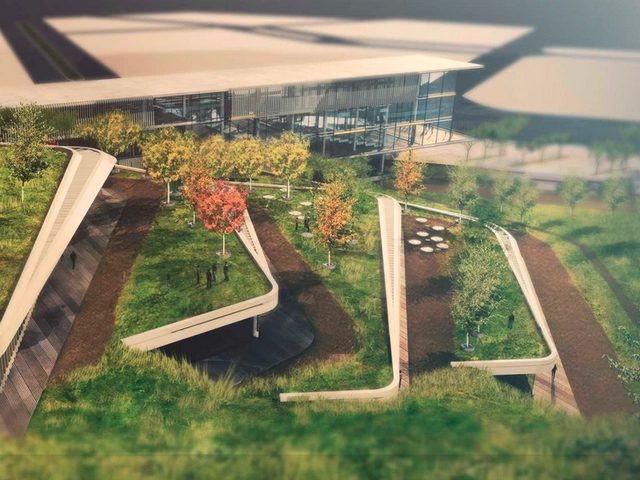
Foster + Partners have announced plans for the redevelopment of a major landfill site in Sharjah, UAE, belonging to Bee’ah – the foremost environmental energy and waste management company in the Middle East since 2007. Upon Sharjah reaching its “zero waste to landfill” target by 2020, the site is set for redundancy, sparking a proposed sustainable masterplan as an example of a circular economy and a reflection of Bee’ah’s vision of clean energy and sustainable innovation.

“We believe that this vision, as interpreted through our masterplan, represents a wonderful opportunity to demonstrate just what can be achieved at sites like this which feature in every industrialized nation on the planet,” expressed Giles Robinson, Senior Partner at Foster + Partners. “The project will also serve to further showcase Bee’ah’s waste management center as a place where innovation, environmental best practice, and good design take center stage.”

Conference: Leaders in Architecture MENA

Leaders in Architecture MENA is dedicated to developing, celebrating and connecting architects, interior designers and senior decision makers from leading international architectural practices, contractors, developers, government officials, engineers and solution providers. Gathering the most senior industry professionals from across the world, the summit provides a unique opportunity to learn from and get inspired by leaders, luminaries, and legends from within and outside architecture, set future business plans and appreciate breathtaking and daring architecture.

12 Projects Win Regional Holcim Awards 2014 for Africa Middle East

Teams from Turkey and Lebanon have received top honors in the 2014 regional Holcim Awards for Africa Middle East, an award which recognizes the most innovative and advanced sustainable construction designs. Among the top three winners is an “Eco-Park” sustainable research and technology center embedded within the terraced, industrial landscape of Ankara.

The 12 recognized projects will share over $300,000 in prize money, with the top three projects overall going on to be considered for the global Holcim Awards, to be selected in 2015.

The full list of Africa Middle East winners, after the break…

The Proliferation of "Cultural Genocide" in Areas of Conflict

In an article for the London Evening Standard, Robert Bevan examines one of the many often overlooked consequences of conflict: the destruction of monuments, culture, and heritage. With heightened conflict in the Middle East over the past decade an enormous amount of "cultural genocide" has occurred - something which Bevan notes is "inextricably linked to human genocide and ethnic cleansing." Arguing that "saving historic treasures and saving lives are not mutually exclusive activities," case studies from across the world are employed to make the point that with the loss of cultural heritage, most commonly architectural, the long term ramifications will resonate throughout this century.

AD Interviews: Keith Griffiths, Chairman of Aedas, on Appoaching Densification in London

Subscriber Access | 

Following the recent announcement of Aedas' demerger into two separate companies - one retaining the Aedas name and the other now known as AHR - we spoke to Keith Griffiths, Chairman of Aedas' global board and a practicing architect for close to three decades. The company, which was recently ranked by the Architects' Journal as the 5th largest and most influential practice in the world, have now moved their head office to London's Chandos Place and are championing a new approach to urban regeneration in the UK's capital. Alongside discussing how an international practice of Aedas' scale successfully operates, Griffiths offered his insight into how the future looks for European cities based on a tried and tested Asian model of densification.

To find out how Aedas approach sustainability in flourishing Asian markets, as well as the significance of the 'urban hub' typology for London's metropolitan future, read the interview in full after the break.

AD Interviews: Keith Griffiths, Chairman of Aedas, on Appoaching Densification in London - Archdaily InterviewsAD Interviews: Keith Griffiths, Chairman of Aedas, on Appoaching Densification in London - Archdaily InterviewsAD Interviews: Keith Griffiths, Chairman of Aedas, on Appoaching Densification in London - Archdaily InterviewsAD Interviews: Keith Griffiths, Chairman of Aedas, on Appoaching Densification in London - Archdaily InterviewsAD Interviews: Keith Griffiths, Chairman of Aedas, on Appoaching Densification in London - More Images+ 2