1. ArchDaily
  2. Mexican Architects

Mexican Architects: The Latest Architecture and News

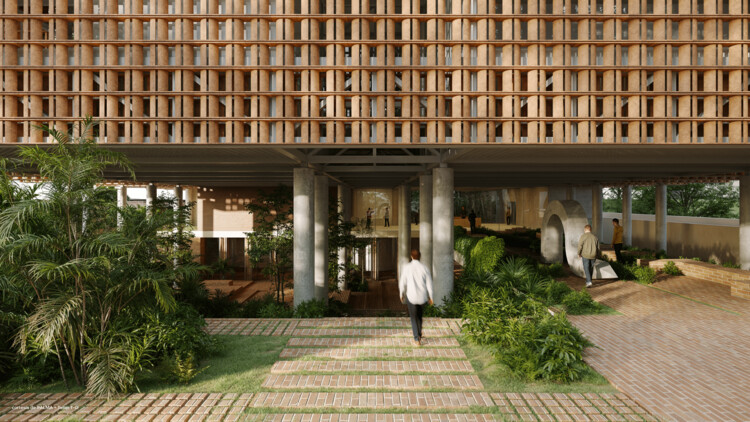
MAC Panamá Selects Palma + Taller TO to Design Its New Museum Building

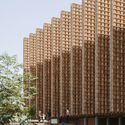
Following an international design competition launched in January 2026, the Museum of Contemporary Art of Panama (MAC Panamá) announced the selection of Mexican architects Palma + Taller TO to design its new building. The museum is described as "a new cultural infrastructure open to the city, conceived from the identity, climate, and landscape of Panama." The future museum headquarters will be located in the corregimiento of San Francisco, to consolidate the area as a hub of cultural activity. The selection criteria involved the relationship between the museum and the city, prioritizing proposals with integrated elements for community engagement and framing the building as a cultural infrastructure, enriching the contemporary urban environment of Panama City.

MAC Panamá Selects Palma + Taller TO to Design Its New Museum Building - Image 1 of 4MAC Panamá Selects Palma + Taller TO to Design Its New Museum Building - Image 2 of 4MAC Panamá Selects Palma + Taller TO to Design Its New Museum Building - Image 3 of 4MAC Panamá Selects Palma + Taller TO to Design Its New Museum Building - Image 4 of 4MAC Panamá Selects Palma + Taller TO to Design Its New Museum Building - More Images

Mexican Architect Mario Schjetnan and Grupo de Diseño Urbano Awarded the 2025 Oberlander Prize for Landscape Architecture

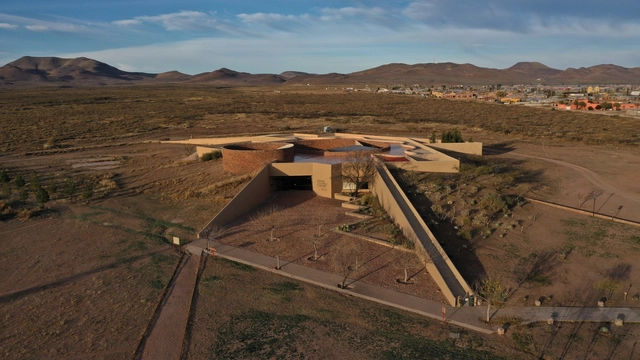
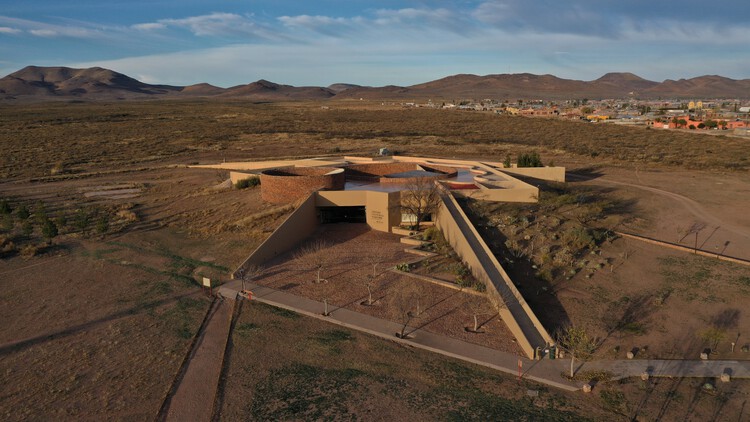
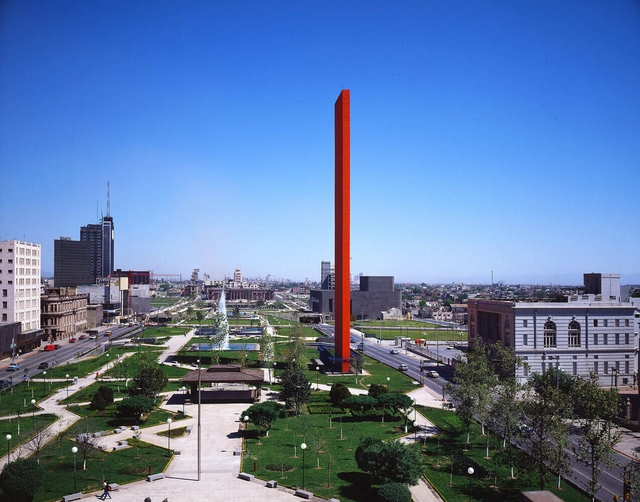
The biennial Cornelia Hahn Oberlander International Landscape Architecture Prize was established to increase the visibility, understanding, appreciation, and dialogue around landscape architecture. The creation of the Oberlander Prize began in 2014, and the most recent laureate was landscape architect Kongjian Yu, the pioneer of the "Sponge City" concept. This year, The Cultural Landscape Foundation (TCLF) announced that Mexico City-based landscape architect Mario Schjetnan and his firm Grupo de Diseño Urbano (GDU) are the recipients of the 2025 Oberlander Prize. According to TCLF, Schjetnan belongs to a generation of landscape architects, architects, and urbanists who became aware of the environmental impacts of urban development and their consequences for life, the planet, and its inhabitants. He and the GDU team are the first Latin Americans to be awarded the Oberlander Prize laureate.

Mexican Architect Mario Schjetnan and Grupo de Diseño Urbano Awarded the 2025 Oberlander Prize for Landscape Architecture - Image 1 of 4Mexican Architect Mario Schjetnan and Grupo de Diseño Urbano Awarded the 2025 Oberlander Prize for Landscape Architecture - Image 2 of 4Mexican Architect Mario Schjetnan and Grupo de Diseño Urbano Awarded the 2025 Oberlander Prize for Landscape Architecture - Image 3 of 4Mexican Architect Mario Schjetnan and Grupo de Diseño Urbano Awarded the 2025 Oberlander Prize for Landscape Architecture - Image 4 of 4Mexican Architect Mario Schjetnan and Grupo de Diseño Urbano Awarded the 2025 Oberlander Prize for Landscape Architecture - More Images+ 7

The Mexican Pavilion at the Venice Architecture Biennale Explores the Ecological Potential of Ancestral Agricultural Systems

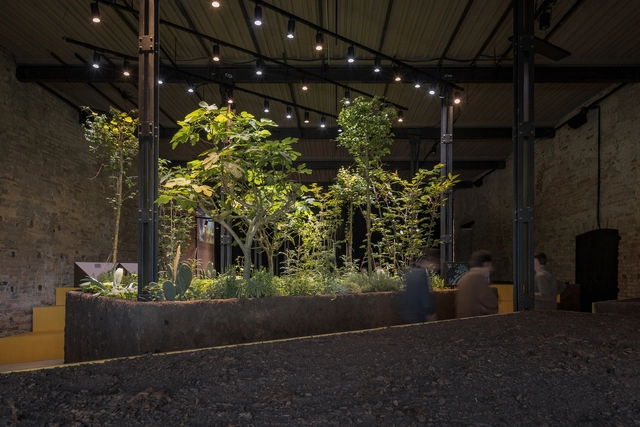
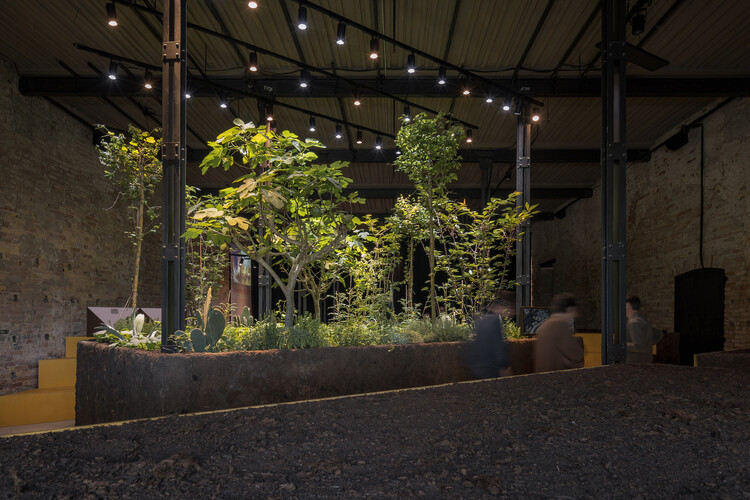
Titled "Chinampa Veneta", the Mexican exhibition for the 19th International Architecture Exhibition – La Biennale di Venezia seeks to promote reflection on how we inhabit, cultivate, and design the world we share. In the face of the global ecological crisis, the project draws attention to chinampas, an ancient Mesoamerican agricultural system with more than four thousand years of history. This ancestral knowledge, interweaving landscape, infrastructure, and technique, is reimagined in the context of the Biennale, activating a living environment within the city of Venice. The Mexican Pavilion consists of two "enactments," one located in the Arsenale and the other built on water.

The Mexican Pavilion at the Venice Architecture Biennale Explores the Ecological Potential of Ancestral Agricultural Systems - Image 1 of 4The Mexican Pavilion at the Venice Architecture Biennale Explores the Ecological Potential of Ancestral Agricultural Systems - Image 2 of 4The Mexican Pavilion at the Venice Architecture Biennale Explores the Ecological Potential of Ancestral Agricultural Systems - Image 3 of 4The Mexican Pavilion at the Venice Architecture Biennale Explores the Ecological Potential of Ancestral Agricultural Systems - Image 4 of 4The Mexican Pavilion at the Venice Architecture Biennale Explores the Ecological Potential of Ancestral Agricultural Systems - More Images+ 21

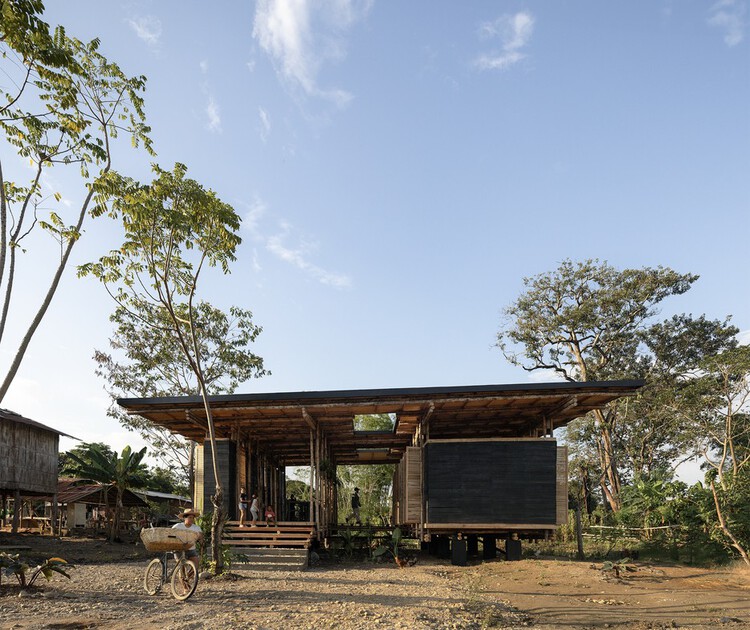
From Extraction to Regeneration: Architecture's Role in Rural Developments in Latin America

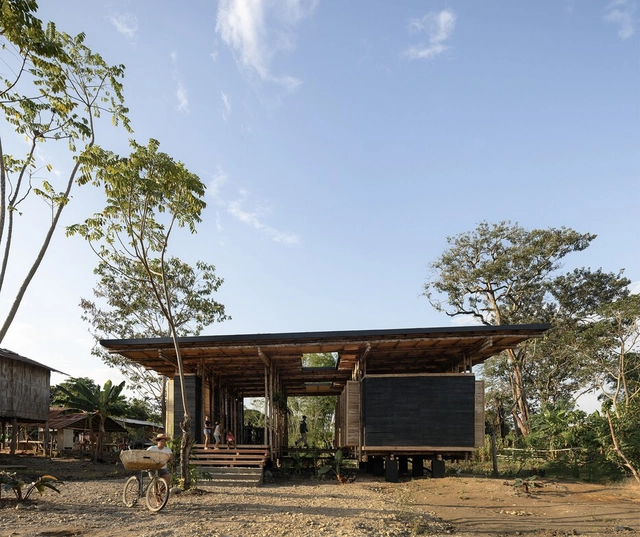
Rural areas have long played a foundational role in the social and economic development of nations. Until the 18th century, they were the primary sites of production and social organization. However, the Industrial Revolution brought profound structural shifts that reshaped this landscape. Industry took center stage, anchoring itself in urban environments and establishing a hierarchical, binary view of rural versus urban, agriculture versus industry. Within this new paradigm, two opposing narratives gained prominence: one predicted the decline of rural life in the face of urbanization and economic progress; the other envisioned its persistence and eventual renewal. Today, it is clear which of these predictions has come to pass.

From Extraction to Regeneration: Architecture's Role in Rural Developments in Latin America - Image 1 of 4From Extraction to Regeneration: Architecture's Role in Rural Developments in Latin America - Image 2 of 4From Extraction to Regeneration: Architecture's Role in Rural Developments in Latin America - Image 3 of 4From Extraction to Regeneration: Architecture's Role in Rural Developments in Latin America - Image 4 of 4From Extraction to Regeneration: Architecture's Role in Rural Developments in Latin America - More Images+ 9

Explore Some of Luis Barragan's Unbuilt and Little-Known Projects 121 Years After His Birth

Subscriber Access | 

March 9 marks the birthday of one of the most important Mexican architects worldwide. A pioneer of the Modern Movement in Mexico whose work has transcended geographical limits to be studied by different generations of architects who have rewritten his teaching to make it their own. Every year, this date represents the perfect excuse to rethink Barragan's legacy to architecture not only in Mexico but also in the world, and different projects have been carried out with this intention, awakening the interest of new generations. However, until a few years ago, the record of the architect's work was not very accessible since more than 50% of the projects he built remained anonymous due to the lack of a proper archive of his work.

Mexican Architects Tell us Their Experience Working With 2018 Pritzker Prize Winner, B.V. Doshi

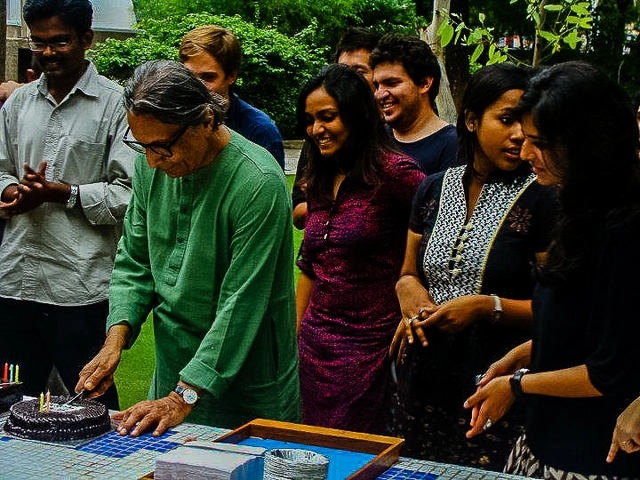
Earlier this year, the jury of the Pritzker Prize chose the Indian architect Balkrishna Doshi, also known as B.V. Doshi, or Doshi, as the winner of the 2018 Pritzker Prize. In recent weeks a lot of information has come to light about the winning architect's practice who, as you probably already know, was an apprentice and collaborator of Le Corbusier and Louis Kahn. Being the first Indian architect to receive Architecture's most prestigious award, Doshi has had an active career of more than 70 years, with a poetic architectural style that is based on oriental cultural influences, creating a production that "covers all socioeconomic classes, in a wide spectrum of typologies, since the 1950s," according to the jury's record.

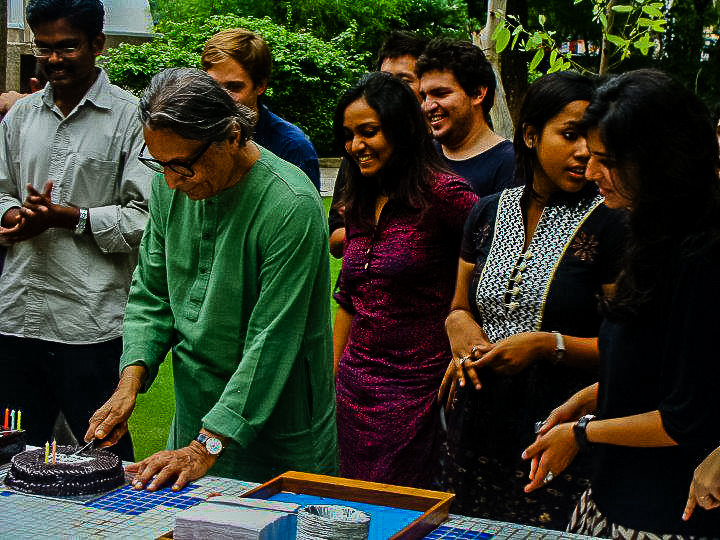
But, can you imagine what it's like to work with Doshi in his firm? We talked with four alumni from the School of Architecture, Art and Design from Tecnológico de Monterrey, who some years ago had the opportunity to travel to India to work directly with Doshi through a professional internship program promoted by the same university. Arturo Acosta, Jeimi Cuendulain, Airam Moreno and Giovanni Llamas tell us about their experience working in the firm, as well as anecdotes that marked them both professionally and personally that helped them see and experience architecture beyond the obvious. Here are their testimonies below:

Mexican Architects Tell us Their Experience Working With 2018 Pritzker Prize Winner, B.V. Doshi - Image 1 of 4Mexican Architects Tell us Their Experience Working With 2018 Pritzker Prize Winner, B.V. Doshi - Image 2 of 4Mexican Architects Tell us Their Experience Working With 2018 Pritzker Prize Winner, B.V. Doshi - Image 3 of 4Mexican Architects Tell us Their Experience Working With 2018 Pritzker Prize Winner, B.V. Doshi - Image 4 of 4Mexican Architects Tell us Their Experience Working With 2018 Pritzker Prize Winner, B.V. Doshi - More Images+ 64