1. ArchDaily
  2. Material Ecology

Material Ecology: The Latest Architecture and News

Designing With Living Systems: Discover the Works of Yong Ju Lee Architecture

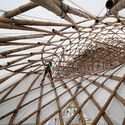
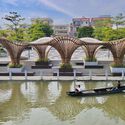
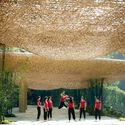
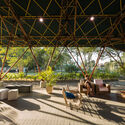
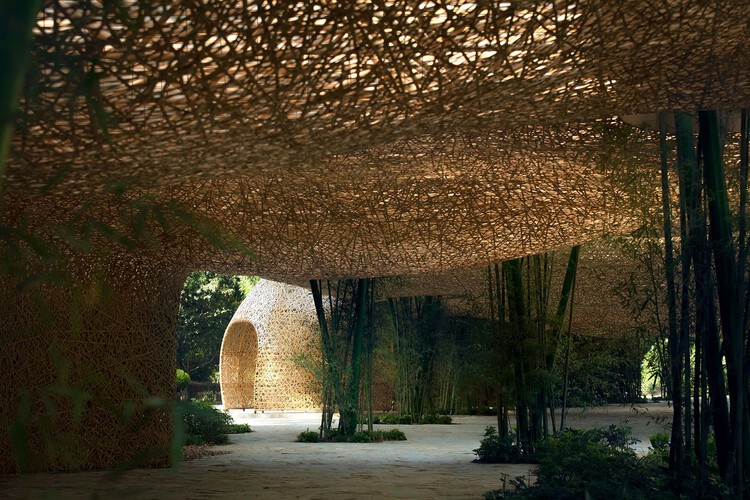
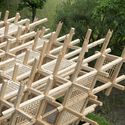
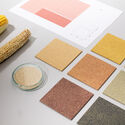
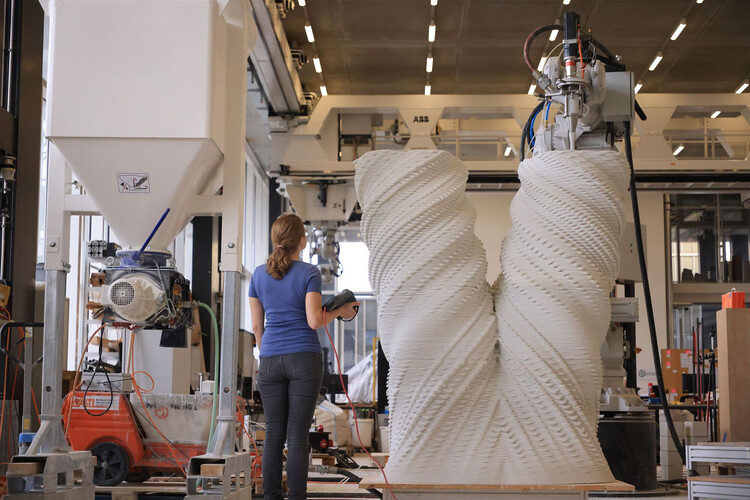
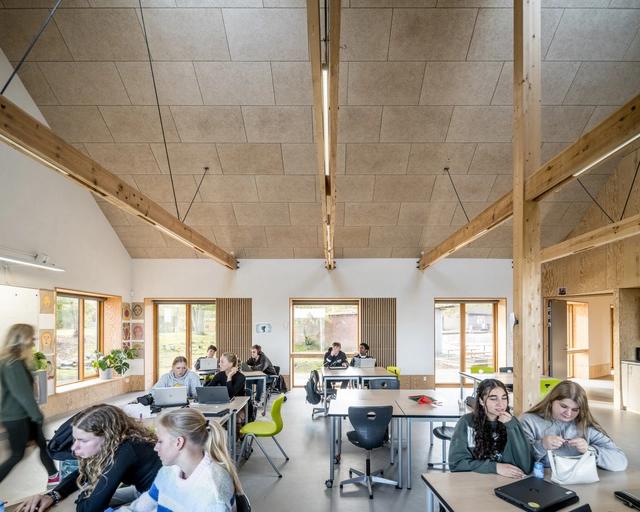
What does it mean to practice ecological responsibility beyond performance metrics or carbon calculations? How can fabrication become a design method rather than a final outcome? Founded in Seoul, Yong Ju Lee Architecture is a practice led by architect and researcher Yong Ju Lee. Across installations, research-driven proposals, and cultural projects, the studio positions architecture as an experimental discipline rooted in making: a process in which design emerges from material behavior, prototyping, and fabrication logic as much as from drawing or representation. Bridging professional practice and academia, his work consistently expands the architectural toolkit through computational design, experimental material research, and an evolving commitment to ecology as a responsibility and a design driver. In 2025, the studio was selected as a winner of the ArchDaily Next Practices Awards.

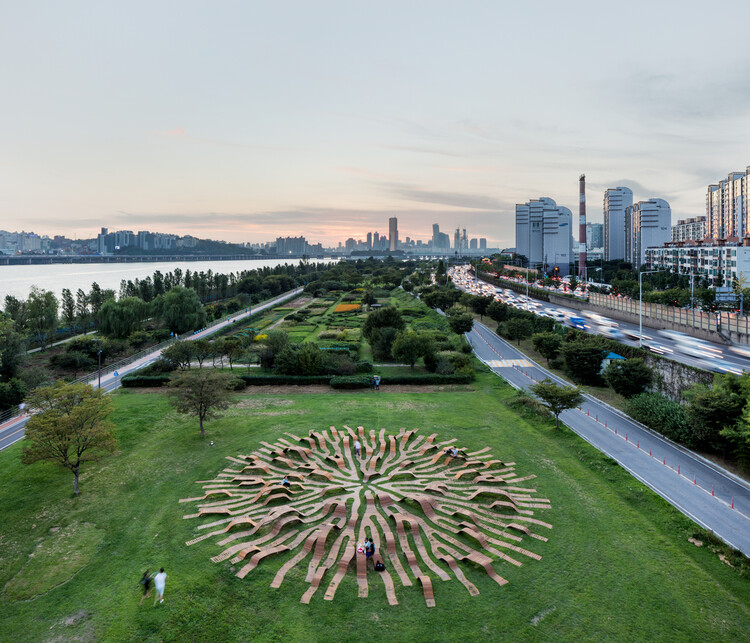
Designing With Living Systems: Discover the Works of Yong Ju Lee Architecture - Image 1 of 4Designing With Living Systems: Discover the Works of Yong Ju Lee Architecture - Image 2 of 4Designing With Living Systems: Discover the Works of Yong Ju Lee Architecture - Image 3 of 4Designing With Living Systems: Discover the Works of Yong Ju Lee Architecture - Image 4 of 4Designing With Living Systems: Discover the Works of Yong Ju Lee Architecture - More Images+ 21

Designing the Reuse Economy: How Architects Can Build Supply Chains, Not Just Buildings

Across Europe and beyond, architects are confronting a turning point. As rising emissions targets collide with shrinking material supplies and the growing urgency of climate commitments, the built environment is being forced into a deeper reckoning with how it consumes, circulates, and discards resources. What was once considered waste is now revealing itself as a dormant architectural archive, an urban ecosystem of materials waiting to be reclaimed, revalued, or reimagined. Within this shift, architects are beginning to play a radically different role. Not only as designers of buildings, but also as orchestrators of the flows that sustain them.

This emerging mindset is reshaping the foundations of practice. Instead of depending on long, extractive supply chains, designers are beginning to build their own closed-loop networks, establishing material banks, negotiating deconstruction protocols, and participating in new forms of urban mining.

Designing the Reuse Economy: How Architects Can Build Supply Chains, Not Just Buildings - Image 1 of 4Designing the Reuse Economy: How Architects Can Build Supply Chains, Not Just Buildings - Image 2 of 4Designing the Reuse Economy: How Architects Can Build Supply Chains, Not Just Buildings - Image 3 of 4Designing the Reuse Economy: How Architects Can Build Supply Chains, Not Just Buildings - Image 4 of 4Designing the Reuse Economy: How Architects Can Build Supply Chains, Not Just Buildings - More Images+ 3

Designing with Smoke: The Chimney as Architectural and Environmental Instrument

Subscriber Access | 

Chimneys are among the most quietly persistent elements in architectural history. Yet their presence persists in nearly every cultural and climatic context, serving as a technical feature and a spatial, atmospheric, and symbolic device. It populates dense city skylines and anchors rural horizons alike, its vertical silhouette as ordinary as a window or a doorframe. This apparent ordinariness is deceptive. The chimney is one of the few architectural components that links the intimate scale of interior life with the expansive forces of the environment. For architects and designers, the necessity of the chimney presents a choice: to let it recede quietly into the building's functional fabric or to amplify it as a central, expressive element that shapes a project's identity.

Designing with Smoke: The Chimney as Architectural and Environmental Instrument - Image 1 of 4Designing with Smoke: The Chimney as Architectural and Environmental Instrument - Image 2 of 4Designing with Smoke: The Chimney as Architectural and Environmental Instrument - Image 3 of 4Designing with Smoke: The Chimney as Architectural and Environmental Instrument - Image 4 of 4Designing with Smoke: The Chimney as Architectural and Environmental Instrument - More Images+ 47

The Architect as a Scientist: New Materials Emerging Between Science and Design

What is architecture? For some, its traditional role is to bring together imagination, technical knowledge, and problem-solving, allowing architects to design and construct while balancing ideas with the means to realize them. From the stone and wood of early buildings to the steel and concrete of the 20th century, each era demanded not only an understanding of form but also of the properties and potential of the materials in use. This grasp of materials has always been a core part of the creative process, though its scope was limited by the know-how and technologies available.

Over time, that balance has begun to shift. Architects have moved from merely using materials to actively designing them, applying scientific principles and experimenting with biological, chemical, and computational processes. This evolution has expanded the possibilities of architecture, intersecting nature, technology, and art, while pushing the role of the architect into a more experimental, science-driven dimension, where the manipulation and creation of materials becomes central to the creative act rather than merely a means to achieve forms or structures.

The Architect as a Scientist: New Materials Emerging Between Science and Design - Image 1 of 4The Architect as a Scientist: New Materials Emerging Between Science and Design - Image 2 of 4The Architect as a Scientist: New Materials Emerging Between Science and Design - Image 3 of 4The Architect as a Scientist: New Materials Emerging Between Science and Design - Image 4 of 4The Architect as a Scientist: New Materials Emerging Between Science and Design - More Images+ 11

"To Emerge Naturally from the Site": Zhang Pengju on His Aga Khan Award-Winning West Wusutu Village

Subscriber Access | 

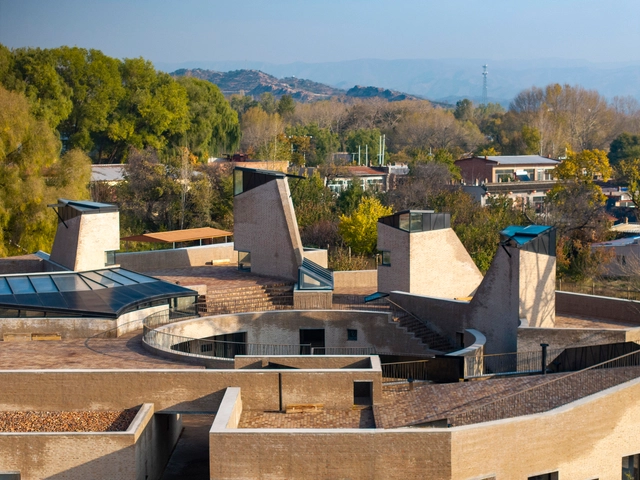
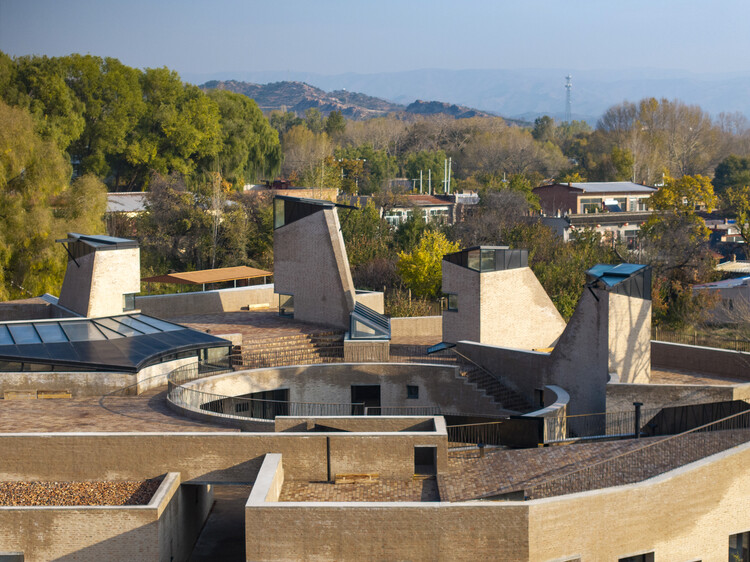
The 2025 Aga Khan Award for Architecture, one of the most prestigious honors in the field, celebrates projects that not only exhibit architectural excellence but also profoundly improve the quality of life for their communities. Among this year's winners is the West Wusutu Village Community Centre, a project in Hohhot, Inner Mongolia, by Chinese architect Zhang Pengju. In an era when rural areas often face social fragmentation and a loss of identity, this community center offers a powerful counter-narrative.

In recognizing this project, the award jury praised its ability to intervene in a sensitive yet rational manner, using design to foster inclusivity, resilience, sustainability, and overall well-being. The design achieves these goals by rejecting rigid functional zoning. Instead, a permeable circular courtyard integrates diverse community activities, organizing circulation and connecting multiple open rooms into a cohesive whole.

"To Emerge Naturally from the Site": Zhang Pengju on His Aga Khan Award-Winning West Wusutu Village - Arch Daily Interviews"To Emerge Naturally from the Site": Zhang Pengju on His Aga Khan Award-Winning West Wusutu Village - Arch Daily Interviews"To Emerge Naturally from the Site": Zhang Pengju on His Aga Khan Award-Winning West Wusutu Village - Arch Daily Interviews"To Emerge Naturally from the Site": Zhang Pengju on His Aga Khan Award-Winning West Wusutu Village - Arch Daily InterviewsTo Emerge Naturally from the Site: Zhang Pengju on His Aga Khan Award-Winning West Wusutu Village - More Images+ 29

Bauhaus Earth Announces 2025 Experimental Fellows to Investigate Earth's Role in Contemporary Design

Maria Lisogorskaya and Kaye Song from the London-based collective Assemble, along with Lviv-based architects Anna Pomazanna and Mykhailo Shevchenko, have been announced as the 2025 Experimental Fellows at Bauhaus Earth. Selected from 120 submissions, their projects are set to explore earth as a material in contemporary architecture. The annual Bauhaus Earth Fellowship program was established in 2022 by architect Prof. Regine Leibinger. It aims to support diverse projects that explore new modes of practice across various geographies, that can contribute to ecological and social resilience. Fellows receive financial support, mentorship, and access to a network encouraging collaboration among architects, manufacturers, and local stakeholders.

Bauhaus Earth Announces 2025 Experimental Fellows to Investigate Earth's Role in Contemporary Design - Image 1 of 4Bauhaus Earth Announces 2025 Experimental Fellows to Investigate Earth's Role in Contemporary Design - Image 2 of 4Bauhaus Earth Announces 2025 Experimental Fellows to Investigate Earth's Role in Contemporary Design - Image 3 of 4Bauhaus Earth Announces 2025 Experimental Fellows to Investigate Earth's Role in Contemporary Design - Image 4 of 4Bauhaus Earth Announces 2025 Experimental Fellows to Investigate Earth's Role in Contemporary Design - More Images+ 16

Architectural Glass 101: Transparent Trends in 2024

In the 21st century, Glass has become a cornerstone material for architecture. Once limited to apertures and openings, Glass now dominates entire facades, especially in high-rise buildings where transparent cladding material is preferred to maximize views. The technological advancements in Glass have been remarkable, transitioning from single-pane panels, such as those used in Bauhaus' iron window frames, to today's triple-pane systems with specialized gas infills, such as argon, designed to address Glass's long-standing thermal limitations.

Architectural Glass 101: Transparent Trends in 2024 - Image 1 of 4Architectural Glass 101: Transparent Trends in 2024 - Image 2 of 4Architectural Glass 101: Transparent Trends in 2024 - Image 3 of 4Architectural Glass 101: Transparent Trends in 2024 - Image 4 of 4Architectural Glass 101: Transparent Trends in 2024 - More Images+ 11

Cobe's Creative Reuse Strategy Set to Transform Tallinn's Industrial Site into a New City District

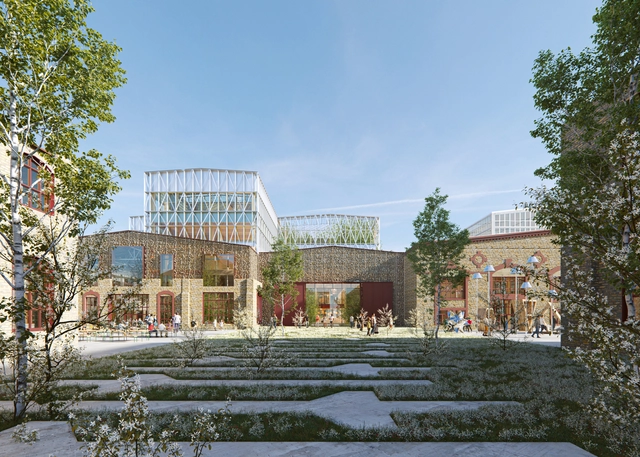
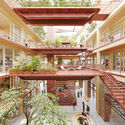
Danish architecture firm Cobe has announced a new project to transform the historic 'Krulli' steelworks, a large-scale former industrial site in Estonia's capital, into a mixed-use city district. The strategy for the project is developed to optimize for material reuse, as materials, components and even entire buildings have been evaluated for their potential to be reintegrated into the scheme. This way, the decommissioned industrial area provides the foundation for an innovation hub, maintaining its history while adapting to the necessities of modern workspaces and city life.

Cobe's Creative Reuse Strategy Set to Transform Tallinn's Industrial Site into a New City District - Image 1 of 4Cobe's Creative Reuse Strategy Set to Transform Tallinn's Industrial Site into a New City District - Image 2 of 4Cobe's Creative Reuse Strategy Set to Transform Tallinn's Industrial Site into a New City District - Image 3 of 4Cobe's Creative Reuse Strategy Set to Transform Tallinn's Industrial Site into a New City District - Image 4 of 4Cobe's Creative Reuse Strategy Set to Transform Tallinn's Industrial Site into a New City District - More Images+ 5

Building Better with Data: The Role of Material Libraries in Sustainable Architecture

Subscriber Access | 

For decades, the construction industry followed a familiar rhythm: design came first, materials followed. The pressing need for sustainable buildings has shattered this routine. Material selection is no longer an afterthought, but a critical decision made at the outset, with the potential to dramatically reduce a project's environmental footprint. This shift is even more crucial given the construction industry's appetite for raw materials – a staggering 3 billion tons extracted annually. To navigate this new landscape, digital material libraries and data-driven evaluation are emerging as powerful tools, creating a culture where materiality takes center stage to shape a more sustainable built environment.

Building Better with Data: The Role of Material Libraries in Sustainable Architecture - Image 1 of 4Building Better with Data: The Role of Material Libraries in Sustainable Architecture - Image 2 of 4Building Better with Data: The Role of Material Libraries in Sustainable Architecture - Image 3 of 4Building Better with Data: The Role of Material Libraries in Sustainable Architecture - Image 4 of 4Building Better with Data: The Role of Material Libraries in Sustainable Architecture - More Images+ 3

On Ethics and Fair Labor in Architecture: The Example of Theaster Gates’ Serpentine Pavilion Design

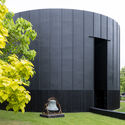
When he was invited to design the 21st Serpentine Pavilion in London’s Kensington Gardens public park, Chicago-based artist Theaster Gates envisioned a calm space to offer respite and a subtle exploration into the power of sound and music in architecture. Created out of lightweight stained wood, the “Black Chapel” demonstrates more than just artistic and architectural sensibilities. In addition to the use of sustainable materials, the project also pays close attention to how the building materials are sourced, bringing visibility to the problem of modern slavery in the construction materials supply chain.

To ensure fair labor conditions not just on-site, but throughout the entire production process, the Serpentine Pavilion collaborated with Grace Farms, a US-based non-profit foundation helping designers and industry leaders to eliminate forced labor in the building materials supply chain, thus establishing more ethical practices and a more humane future.

On Ethics and Fair Labor in Architecture: The Example of Theaster Gates’ Serpentine Pavilion Design - Image 1 of 4On Ethics and Fair Labor in Architecture: The Example of Theaster Gates’ Serpentine Pavilion Design - Image 2 of 4On Ethics and Fair Labor in Architecture: The Example of Theaster Gates’ Serpentine Pavilion Design - Image 3 of 4On Ethics and Fair Labor in Architecture: The Example of Theaster Gates’ Serpentine Pavilion Design - Image 4 of 4On Ethics and Fair Labor in Architecture: The Example of Theaster Gates’ Serpentine Pavilion Design - More Images+ 2

Grace Farms Opens Long-Term Exhibition Focused on Forced Labor and Building Materials Supply Chains

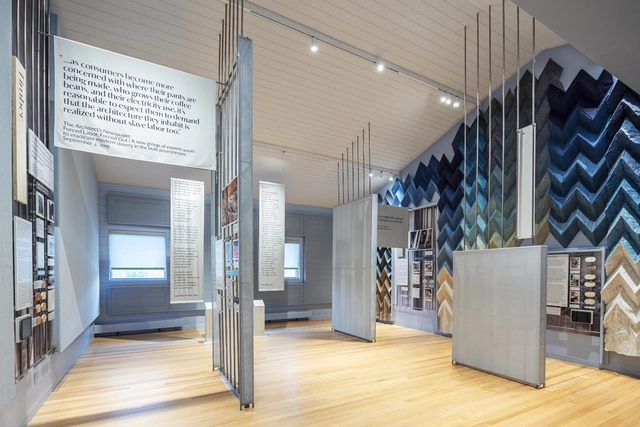
On May 4, 2024, cultural center Grace Farms opened a new long-term exhibition that aims to shed light on the inner workings of the building industry, offering insights into the methods of producing and distributing building materials, as well as the pervasive practices of forced labor happening in the materials supply chain worldwide. The exhibition also presents the work of “Design for Freedom,” a collaborative global movement launched in 2020 at Grace Farms. The initiative aims to change architecture by raising awareness of these issues and helping disrupt forced labor in the construction industry. Titled “With Every Fiber,” the exhibit is free to visit both at its physical location in New Canaan, Connecticut, and online as a virtual exhibition.

Grace Farms Opens Long-Term Exhibition Focused on  Forced Labor and Building Materials Supply Chains  - Image 1 of 4Grace Farms Opens Long-Term Exhibition Focused on  Forced Labor and Building Materials Supply Chains  - Image 2 of 4Grace Farms Opens Long-Term Exhibition Focused on  Forced Labor and Building Materials Supply Chains  - Image 3 of 4Grace Farms Opens Long-Term Exhibition Focused on  Forced Labor and Building Materials Supply Chains  - Image 4 of 4Grace Farms Opens Long-Term Exhibition Focused on  Forced Labor and Building Materials Supply Chains  - More Images+ 15

Christo and Jeanne-Claude’s L’Arc de Triomphe Wrapped to Be Recycled by Parley for the Oceans

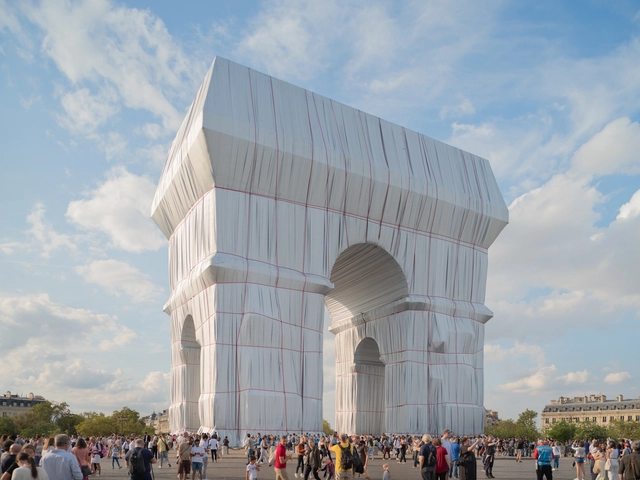
Two years ago, on September 18, 2021, Christo and Jeanne-Claude's L'Arc de Triomphe, Wrapped, 1961–2021, was inaugurated. The monumental public artwork wrapped the Parisian monument in over 25,000 square meters of silvery fabric tied in place with 7,000 meters of red rope. The materials, all made out of woven polypropylene, a type of thermoplastic, are now being reused, upcycled, and recycled, following the artists’ vision. Most of the materials will be transformed to serve practical uses for future public events in Paris. The Christo and Jeanne-Claude Foundation is also collaborating with Gagosian to bring Christo’s early works to London’s East End for an exhibition open from October 6-22, 2023.

Christo and Jeanne-Claude’s L’Arc de Triomphe Wrapped to Be Recycled by Parley for the Oceans - Image 1 of 4Christo and Jeanne-Claude’s L’Arc de Triomphe Wrapped to Be Recycled by Parley for the Oceans - Image 2 of 4Christo and Jeanne-Claude’s L’Arc de Triomphe Wrapped to Be Recycled by Parley for the Oceans - Image 3 of 4Christo and Jeanne-Claude’s L’Arc de Triomphe Wrapped to Be Recycled by Parley for the Oceans - Image 4 of 4Christo and Jeanne-Claude’s L’Arc de Triomphe Wrapped to Be Recycled by Parley for the Oceans - More Images+ 5

GXN and MEE Studio’s Pavilions in Copenhagen Explore Circularity and Regeneration for the 2023 UIA Congress of Architects

Developed by GXN for the 2023 UIA World Congress of Architects in Copenhagen, The (P)RECAST Pavilion explores the possibility of reusing precast concrete elements from existing buildings to promote circularity and reduced carbon emissions in the construction industry. The pavilion showcases salvaged concrete elements alongside 200-year-old timber beams, highlighting their aesthetic and structural value. Following the same motivation but through a different approach, MEE Studio has developed The Regenerative Cabin. Located in Copenhagen, the structure explores the applied use of regenerative biogenic materials to reduce the carbon emissions associated with the building materials.

GXN and MEE Studio’s Pavilions in Copenhagen Explore Circularity and Regeneration for the 2023 UIA Congress of Architects - Image 1 of 4GXN and MEE Studio’s Pavilions in Copenhagen Explore Circularity and Regeneration for the 2023 UIA Congress of Architects - Image 2 of 4GXN and MEE Studio’s Pavilions in Copenhagen Explore Circularity and Regeneration for the 2023 UIA Congress of Architects - Image 3 of 4GXN and MEE Studio’s Pavilions in Copenhagen Explore Circularity and Regeneration for the 2023 UIA Congress of Architects - Image 4 of 4GXN and MEE Studio’s Pavilions in Copenhagen Explore Circularity and Regeneration for the 2023 UIA Congress of Architects - More Images+ 6

10 Start-ups Creating Innovative and Sustainable Building Materials, from Mycelium Bricks to Water Purifying Tiles

The building industry is one of the biggest generators of carbon emissions, with some estimates suggesting that 38% percent of all CO2 emissions are linked to this field. As a response to the current crisis, architects, designers, and researchers are taking measures to reduce their carbon footprint during and after construction. Many initiatives and research teams are looking at building materials to find low-carbon solutions and reduce the impact of building materials during production.

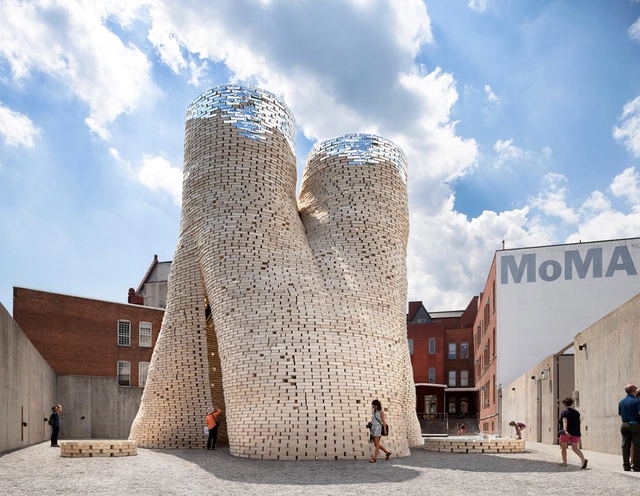
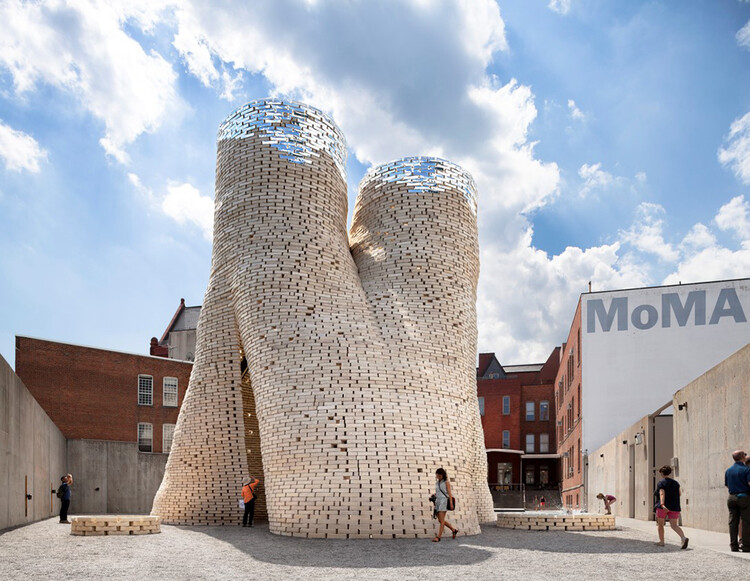
One of the most prominent fields of research is concerned with biofacture, the type of process that involves using biological organisms to manufacture materials. By understanding the abilities of organisms such as algae of fungi, alternatives to widely used materials can become carbon neutral or even carbon negative. Other initiatives are researching novel ways to use untapped, yet readily available resources such as desert sand, soil, or waste from demolitions.

10 Start-ups Creating Innovative and Sustainable Building Materials, from Mycelium Bricks to Water Purifying Tiles - Image 1 of 410 Start-ups Creating Innovative and Sustainable Building Materials, from Mycelium Bricks to Water Purifying Tiles - Image 2 of 410 Start-ups Creating Innovative and Sustainable Building Materials, from Mycelium Bricks to Water Purifying Tiles - Image 3 of 410 Start-ups Creating Innovative and Sustainable Building Materials, from Mycelium Bricks to Water Purifying Tiles - Image 4 of 410 Start-ups Creating Innovative and Sustainable Building Materials, from Mycelium Bricks to Water Purifying Tiles - More Images+ 7

Get Set: 9 Architecturally Relevant Exhibitions at the 2022 Dutch Design Week

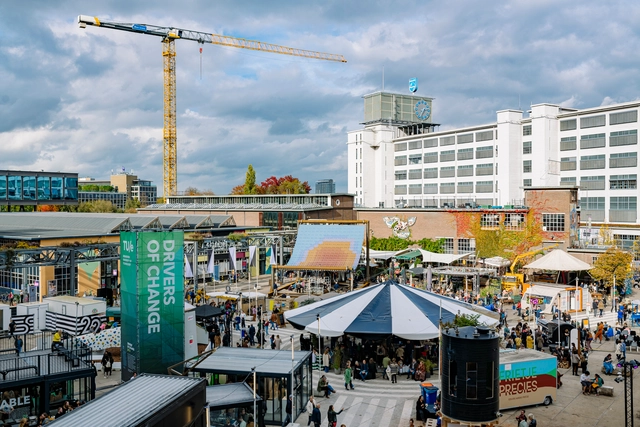
Under the motto "Get Set," the 2022 DDW exhibited more than 50 art and architectural installations to call out designers and communities for a shift from preparation to action facing the challenges of our time. Led by Miriam van der Lubbe, Creative Head of DDW, with Marjan van Aube and Formafantasma as ambassadors, the 21st edition of the Dutch Design Week took place the last week of October in Eindhoven, the Netherlands closing with a Graduation Show of over 200 students of the Design Academy Eindhoven.

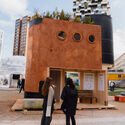
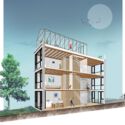
Inspiring designers to incorporate innovation and sustainability and familiarize the public with all the technology has to offer, ArchDaily has selected 9 relevant works focused on bio-materials and modular systems. Highlighting ongoing design research, the list underlines projects that reinvent how we deal with nature and the space we live in. 

Get Set: 9 Architecturally Relevant Exhibitions at the 2022 Dutch Design Week - Image 12 of 4Get Set: 9 Architecturally Relevant Exhibitions at the 2022 Dutch Design Week - Image 27 of 4Get Set: 9 Architecturally Relevant Exhibitions at the 2022 Dutch Design Week - Image 34 of 4Get Set: 9 Architecturally Relevant Exhibitions at the 2022 Dutch Design Week - Image 35 of 4Get Set: 9 Architecturally Relevant Exhibitions at the 2022 Dutch Design Week - More Images+ 31

In Conversation with Philippe Starck: On Ecology, Technology and Materiality

Subscriber Access | 

Believing that a creator has a duty towards society, Philippe Starck, is a multifaceted designer whose projects span across many disciplines. From architecture and interiors to industrial and furniture design, Starck’s portfolio is always, as he puts it, “focused on the essential”, and “must improve the lives of as many people as possible”. Author of Alessi’s famous lemon squeezer, he is known for pushing the boundary of design in everyday objects.

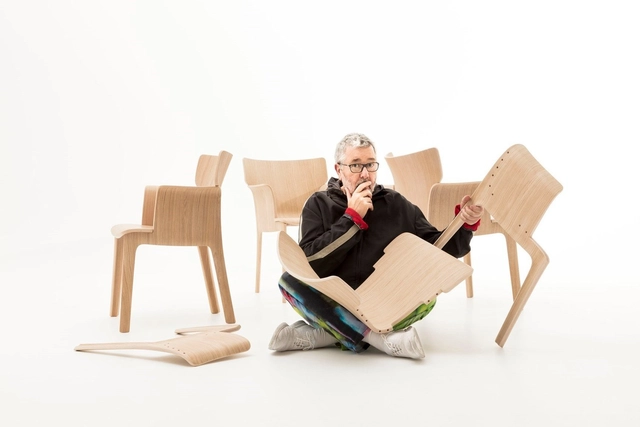
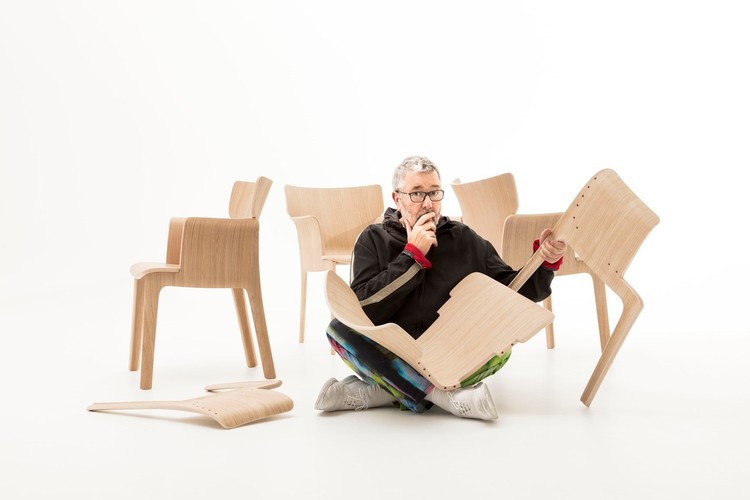
With 10,000 creations, completed or yet to come, Philippe Starck is a pioneer in “making things in the way of ecology”. In fact, ArchDaily had the chance to meet the designer at the 2021 Salone del Mobile, to discuss his design approach and visions as well as hislatest plywood creation for Andreu World.

In Conversation with Philippe Starck: On Ecology, Technology and Materiality - Image 1 of 4In Conversation with Philippe Starck: On Ecology, Technology and Materiality - Image 2 of 4In Conversation with Philippe Starck: On Ecology, Technology and Materiality - Image 3 of 4In Conversation with Philippe Starck: On Ecology, Technology and Materiality - Image 4 of 4In Conversation with Philippe Starck: On Ecology, Technology and Materiality - More Images+ 12

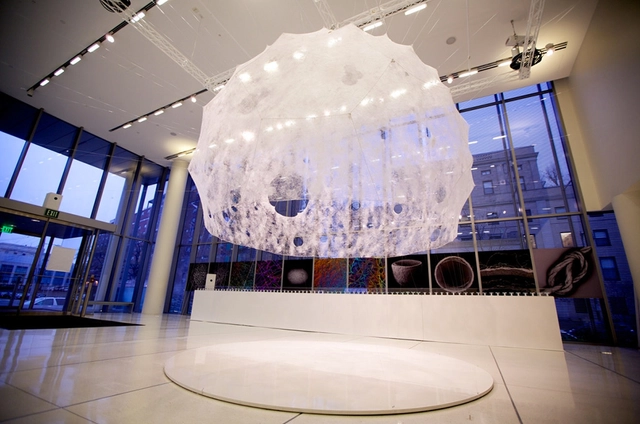
Rem Koolhaas, Neri Oxman and Kevin Spacey to Speak at AIA National Convention 2016

Update: In addition to the previous announcement of Neri Oxman and Kevin Spacey as keynote speakers, the AIA has now announced Rem Koolhaas as the headline speaker for day three of this year's convention in Philadelphia. Koolhaas' speech will be titled "Delirious Philadelphia," a playful twist on his seminal book Delirious New York. The following article was originally published on February 11th.

Neri Oxman Wins 2014 Vilcek Prize in Design

As an immigrant “who has made lasting contributions to American society through extraordinary achievements in biomedical research and the arts and humanities,” Israeli-born designer and architect Neri Oxman has been selected as the 2014 Vilcek Prize in Design’s recipient.