1. ArchDaily
  2. MASSLAB

MASSLAB: The Latest Architecture and News

Expanding Practice: Architecture Think Tanks at the Intersection of Research and Design

In architecture, most practices revolve around delivering projects to clients. Offices are shaped by deadlines, budgets, and clear briefs. While this structure produces buildings, it rarely leaves space for architects to question broader issues — about how we live, how cities are changing, or what the future demands of design. But alongside this production-focused system, a quieter movement has emerged: studios, collectives, and foundations that prioritize research, experimentation, and reflection. These are the architecture think tanks — spaces designed not to build immediately, but to think first.

The idea of a think tank is not new. Traditionally found in politics, economics, or science, think tanks bring together experts to study complex problems and propose solutions. In architecture, their rise reveals a tension at the heart of the discipline. If architecture is to remain socially and environmentally relevant, can it continue to rely only on client-driven practice? Or must it carve out space for slower, deeper inquiry?

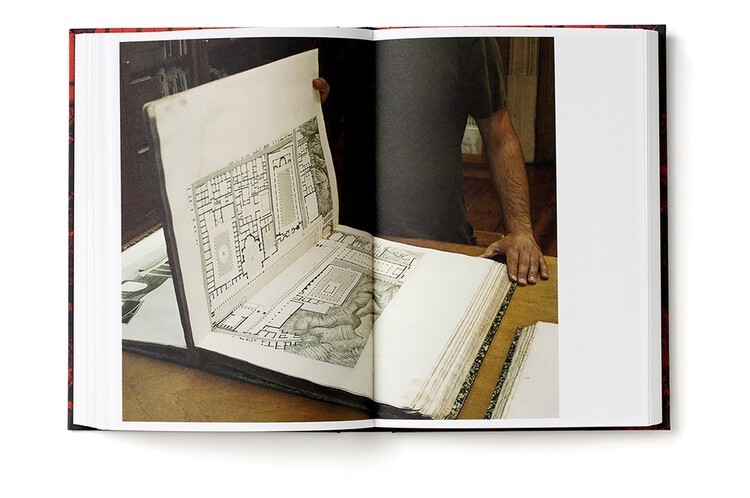
Expanding Practice: Architecture Think Tanks at the Intersection of Research and Design - Image 1 of 4Expanding Practice: Architecture Think Tanks at the Intersection of Research and Design - Image 2 of 4Expanding Practice: Architecture Think Tanks at the Intersection of Research and Design - Image 3 of 4Expanding Practice: Architecture Think Tanks at the Intersection of Research and Design - Image 4 of 4Expanding Practice: Architecture Think Tanks at the Intersection of Research and Design - More Images+ 48

The Architect as Writer: Expanding the Discipline Beyond Buildings

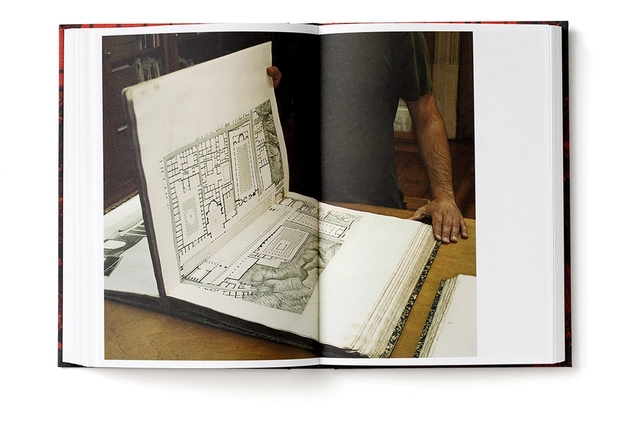
Architecture has always been more than bricks and mortar. It is equally constructed through words, ideas, and narratives. From ancient treatises to radical manifestos, from technical manuals to poetic essays, the written word has served as a spatial, pedagogical, and political tool within the field. Writing shapes how architecture is conceptualized, communicated, and critiqued — often long before, or even in the absence of, physical construction.

Historically, figures such as Vitruvius, Alberti, and Palladio employed writing to codify principles, project ideals, and legitimize architecture as a discipline. In the modern era, Le Corbusier, Adolf Loos, and Lina Bo Bardi wrote prolifically to expand the scope of architecture beyond form and function, often using publications as tools for persuasion and experimentation. The postwar period gave rise to new editorial strategies, as evident in the manifestos of Archizoom and Superstudio, and the polemical publications of Delirious New York and Oppositions, where writing served as both critique and project.

The Architect as Writer: Expanding the Discipline Beyond Buildings - Image 1 of 4The Architect as Writer: Expanding the Discipline Beyond Buildings - Image 2 of 4The Architect as Writer: Expanding the Discipline Beyond Buildings - Image 3 of 4The Architect as Writer: Expanding the Discipline Beyond Buildings - Image 4 of 4The Architect as Writer: Expanding the Discipline Beyond Buildings - More Images+ 31

MASSLAB Transforms Bragança Water Treatment Plant into Dynamic Public Space in Portugal

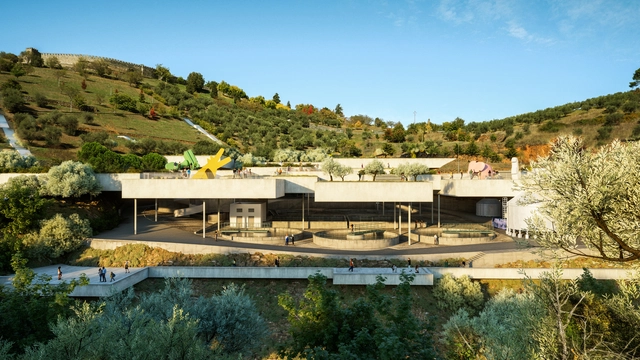
MASSLAB has just won the competition for the new roof of Bragança's Water Treatment Plant in Portugal. Integrating public use of this infrastructure, which until now only serves a functional purpose, the project showcases adding value to existing infrastructure by rethinking them. Blending architecture, landscaping, and urban design to transform this structure into a vibrant public space, MASSLAB seeks to change the perception of water treatment facilities in urban settings. By reimagining the roof as a livable infrastructure, the project transforms the purely functional roof into an engaging and integral part of the urban fabric.

MASSLAB Transforms Bragança Water Treatment Plant into Dynamic Public Space in Portugal - Image 1 of 4MASSLAB Transforms Bragança Water Treatment Plant into Dynamic Public Space in Portugal - Image 2 of 4MASSLAB Transforms Bragança Water Treatment Plant into Dynamic Public Space in Portugal - Image 3 of 4MASSLAB Transforms Bragança Water Treatment Plant into Dynamic Public Space in Portugal - Image 4 of 4MASSLAB Transforms Bragança Water Treatment Plant into Dynamic Public Space in Portugal - More Images+ 3

A Tetris-Like Residence in Iran and a Seaside Apartment Block in Italy: 8 Unbuilt Housing Projects Submitted by the ArchDaily Community

Subscriber Access | 

In every city, urban housing projects represent most of the built environments, reflecting an intricate weave of societal needs and architectural visions. This roundup of unbuilt projects submitted by the ArchDaily Community offers a lens into the dynamic interplay between design constraints and creative opportunities. From the revitalization of urban fragments to the exploration of innovative construction methods, architects navigate a terrain shaped by sustainability imperatives, community inclusivity, and evolving urban dynamics.

The diversity of unbuilt urban housing projects showcased here underscores the breadth of architectural interventions, featuring commitments to sustainability and inclusivity. From projects featuring new building materials such as wooden construction systems to those created to maximize sunlight or engage the larger community, this week’s curated selection showcases unbuilt collective housing projects from around the world.

A Tetris-Like Residence in Iran and a Seaside Apartment Block in Italy: 8 Unbuilt Housing Projects Submitted by the ArchDaily Community - Image 5 of 4A Tetris-Like Residence in Iran and a Seaside Apartment Block in Italy: 8 Unbuilt Housing Projects Submitted by the ArchDaily Community - Image 26 of 4A Tetris-Like Residence in Iran and a Seaside Apartment Block in Italy: 8 Unbuilt Housing Projects Submitted by the ArchDaily Community - Image 32 of 4A Tetris-Like Residence in Iran and a Seaside Apartment Block in Italy: 8 Unbuilt Housing Projects Submitted by the ArchDaily Community - Image 38 of 4A Tetris-Like Residence in Iran and a Seaside Apartment Block in Italy: 8 Unbuilt Housing Projects Submitted by the ArchDaily Community - More Images+ 53

OODA and MassLab Win Competition for a “Building without Devastating” Master Plan in Portugal

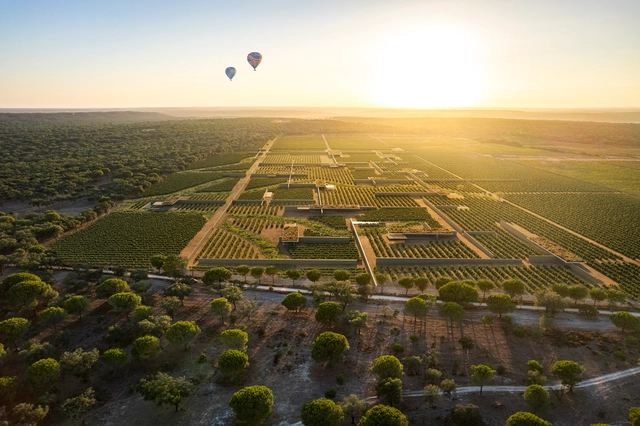
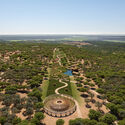
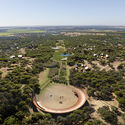
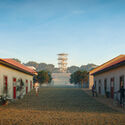
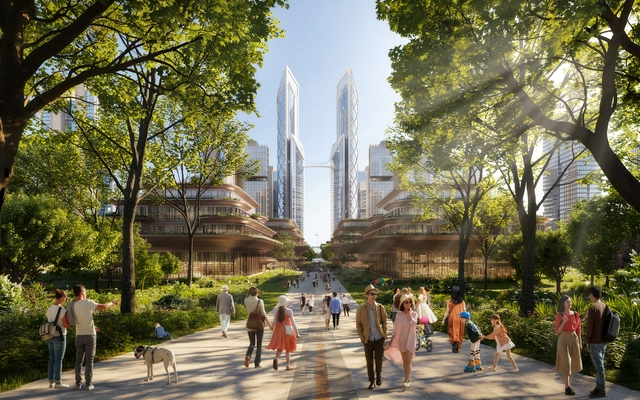
In collaboration with MassLab, OODA has been awarded first place in the Barrosinha Agricultural Company competition, aimed at creating a 2,000-hectare development seamlessly integrated into the agro-forestry heritage of Alcácer do Sal, Portugal. The master plan, covering a variety of functions for tourism, housing, commerce, and leisure, is designed in harmony with the United Nations Sustainable Development Goals, striving to transform Herdade da Barrosinha into a model of sustainable renewal.

OODA and MassLab Win Competition for a “Building without Devastating” Master Plan in Portugal - Image 1 of 4OODA and MassLab Win Competition for a “Building without Devastating” Master Plan in Portugal - Image 2 of 4OODA and MassLab Win Competition for a “Building without Devastating” Master Plan in Portugal - Image 3 of 4OODA and MassLab Win Competition for a “Building without Devastating” Master Plan in Portugal - Image 4 of 4OODA and MassLab Win Competition for a “Building without Devastating” Master Plan in Portugal - More Images+ 13

Awarded Architecture Competitions Reshaping 2023: A Year in Review

As 2023 comes to an end, the future of our landscape is filled with visionary imaginations as a result of a year of forward-thinking design competitions. From revitalizing historical gems to designing new buildings, these global contests have pushed innovation further in the architecture industry. In fact, with each new competition, the boundaries of our living were challenged, reimagining what the future may accommodate or encourage.

This past year has been a showcase of architectural innovation, with award competitions surpassing the boundaries of traditional industry. Winning designs feature a deep embodiment of cultural heritage, communal aspirations, and environmental stewardship. In fact, the three categories of competitions that established firms participated in were cultural landmarks, mixed-use towers, and master plans. In each category, the winning design reimagines what these concepts stand for in 2023 and beyond, designing not just new buildings but new ways of living.

Awarded Architecture Competitions Reshaping 2023: A Year in Review - Image 1 of 4Awarded Architecture Competitions Reshaping 2023: A Year in Review - Image 2 of 4Awarded Architecture Competitions Reshaping 2023: A Year in Review - Image 3 of 4Awarded Architecture Competitions Reshaping 2023: A Year in Review - Image 4 of 4Awarded Architecture Competitions Reshaping 2023: A Year in Review - More Images+ 13

A Reimagined Brutalist Icon in the United States and a Maldivian Floating Villa: 12 Unbuilt Projects By Established Firms

Subscriber Access | 

Exploring architectural projects, competition entries and unbuilt works by renowned architects is an important step in fostering innovation and encouraging cross-cultural exchange and the development of diverse design approaches. Analyzing these unrealized concepts can offer insights into the evolution of architectural thinking, exploring a wider spectrum of approaches and design perspectives. This week’s curated selection of Best Unbuilt Architecture highlights designs submitted by established architecture practices.

Featuring internationally recognized offices like Brooks + Scarpa, Penoyre & Prasad, Aedas, Pininfarina, and Opposite Office, this selection exemplifies the wide range of projects and interventions designed by architects at various scales and programs. From creative reimaginings of well-known architectural icons to art museums, urban insertions, and conceptual activist proposals, these projects demonstrate the variety of approaches architects take when designing within a specific context and in response to local constraints, challenges and opportunities.

A Reimagined Brutalist Icon in the United States and a Maldivian Floating Villa: 12 Unbuilt Projects By Established Firms - Image 5 of 4A Reimagined Brutalist Icon in the United States and a Maldivian Floating Villa: 12 Unbuilt Projects By Established Firms - Image 14 of 4A Reimagined Brutalist Icon in the United States and a Maldivian Floating Villa: 12 Unbuilt Projects By Established Firms - Image 25 of 4A Reimagined Brutalist Icon in the United States and a Maldivian Floating Villa: 12 Unbuilt Projects By Established Firms - Image 47 of 4A Reimagined Brutalist Icon in the United States and a Maldivian Floating Villa: 12 Unbuilt Projects By Established Firms - More Images+ 66

Portuguese Office Masslab Wins Competition for Mixed-Use Building in Helsinki, Finland

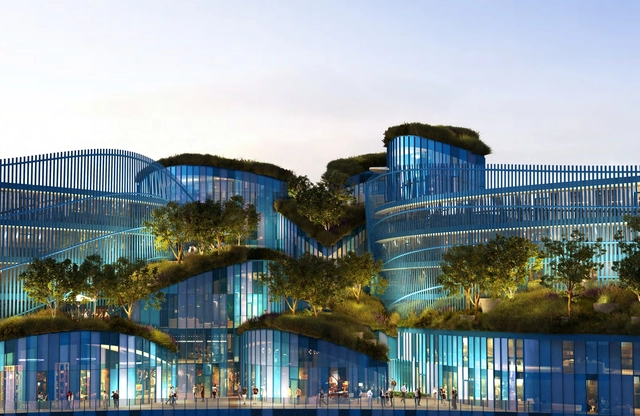
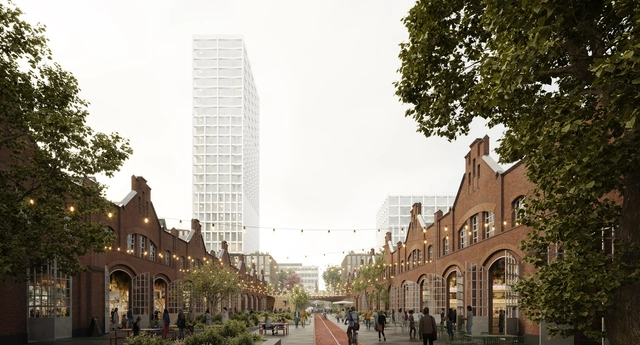
The Portuguese office MASSLAB, in collaboration with AFRY Ark Studio, won the Train Factory Mixed-Use Competition, an international competition in two stages whose main objective was to create a landmark for the city of Helsinki, Finland. The proposal was selected from five world-renowned architectural consortia.

The Train Factory Group and the City Council of Helsinki organized the competition, and the proposal “A roof for Helsinki” was chosen. The old electric train building will be transformed into a 45,000 m² complex for offices, retail and a hotel, reimagined as part of the social, commercial and cultural heritage.