1. ArchDaily
  2. Marina Tabassum

Marina Tabassum: The Latest Architecture and News

Global Design Forum Istanbul Concludes First Edition With City-Wide Programme of Installations and Talks

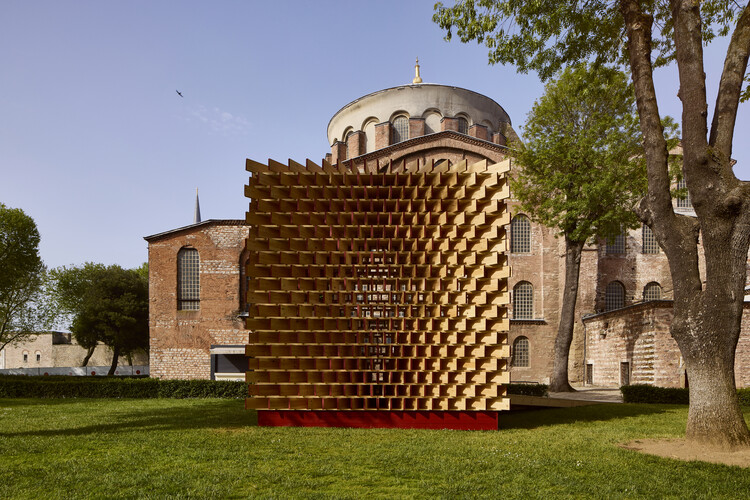
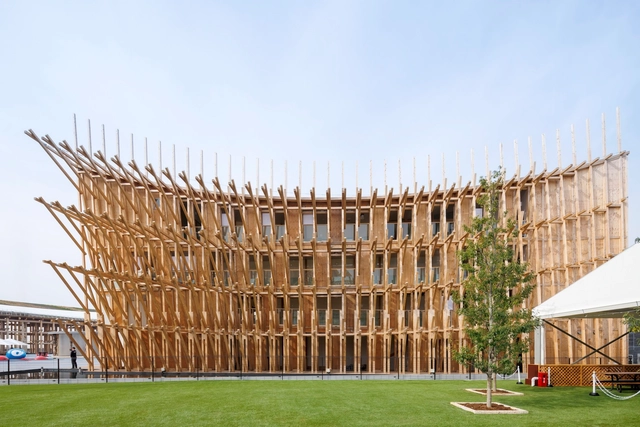
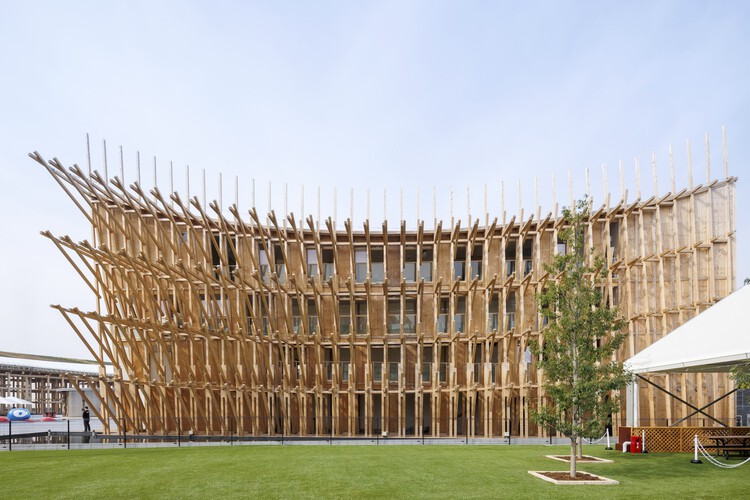
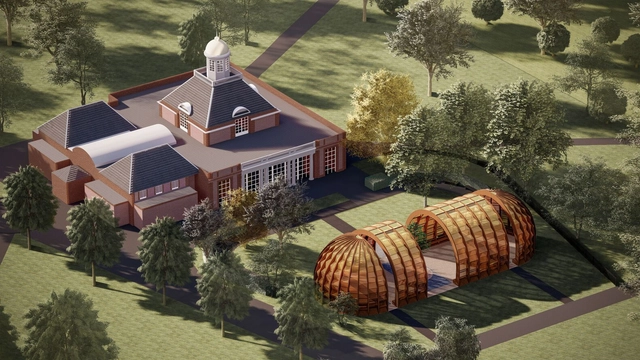
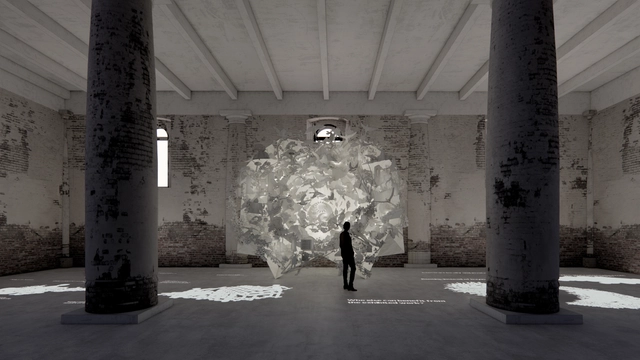
Global Design Forum Istanbul concluded its inaugural edition between May 13 and 16, 2026, bringing together architects, designers, urbanists, and cultural practitioners through a city-wide programme of installations, talks, screenings, and public events. Presented by London Design Festival in collaboration with People Places Ideas, the forum was developed and curated by Artistic Director Melek Zeynep Bulut and Forum Content Advisor Beatrice Galilee. Organized around the theme "Worlds in Contact," the programme featured contributions from figures including Lina Ghotmeh, Marina Tabassum, Liam Young, Tom Dixon, Lesley Lokko, Ma Yansong, Andrew Waugh, and Olaf Grawer, positioning Istanbul as a platform for interdisciplinary discussions on design and the built environment.

Global Design Forum Istanbul Concludes First Edition With City-Wide Programme of Installations and Talks - Image 1 of 4Global Design Forum Istanbul Concludes First Edition With City-Wide Programme of Installations and Talks - Image 2 of 4Global Design Forum Istanbul Concludes First Edition With City-Wide Programme of Installations and Talks - Image 3 of 4Global Design Forum Istanbul Concludes First Edition With City-Wide Programme of Installations and Talks - Image 4 of 4Global Design Forum Istanbul Concludes First Edition With City-Wide Programme of Installations and Talks - More Images+ 2

UIA 2026 Barcelona Announces Full Program, Detailing Formats, Exhibitions, and City-Wide Itineraries

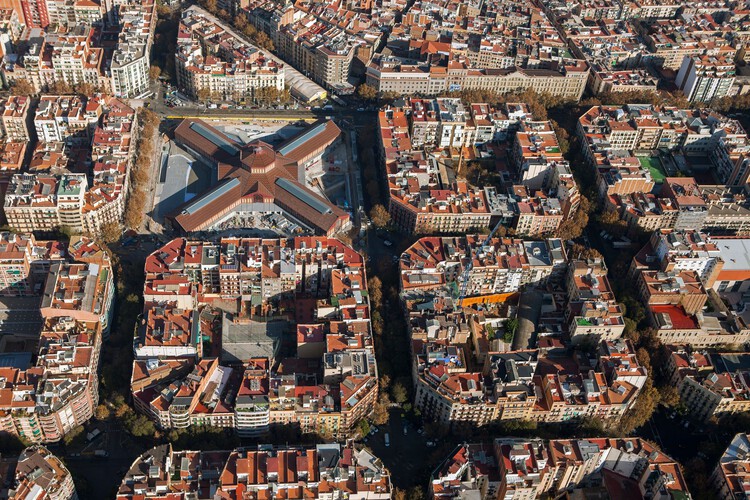
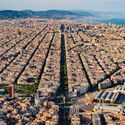
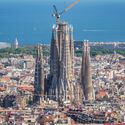
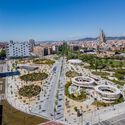
The UIA World Congress of Architects 2026 Barcelona has released its full program, outlining the structure, participants, and range of activities scheduled to take place from June 28 to July 2, 2026. Expanding on the previously introduced theme, Becoming. Architectures for a Planet in Transition, the Congress is conceived as a distributed event across multiple venues and urban contexts rather than a single-site conference. Organized by the International Union of Architects (UIA) in collaboration with the Higher Council of the Colleges of Architects of Spain (CSCAE) and the Architects' Association of Catalonia (COAC), the event is expected to gather approximately 10,000 participants and 250 speakers from more than 130 countries.

UIA 2026 Barcelona Announces Full Program, Detailing Formats, Exhibitions, and City-Wide Itineraries - Image 1 of 4UIA 2026 Barcelona Announces Full Program, Detailing Formats, Exhibitions, and City-Wide Itineraries - Image 2 of 4UIA 2026 Barcelona Announces Full Program, Detailing Formats, Exhibitions, and City-Wide Itineraries - Image 3 of 4UIA 2026 Barcelona Announces Full Program, Detailing Formats, Exhibitions, and City-Wide Itineraries - Image 4 of 4UIA 2026 Barcelona Announces Full Program, Detailing Formats, Exhibitions, and City-Wide Itineraries - More Images+ 18

UIA 2026 Barcelona Reveals Program Structured Around Six Thematic “Becomings”

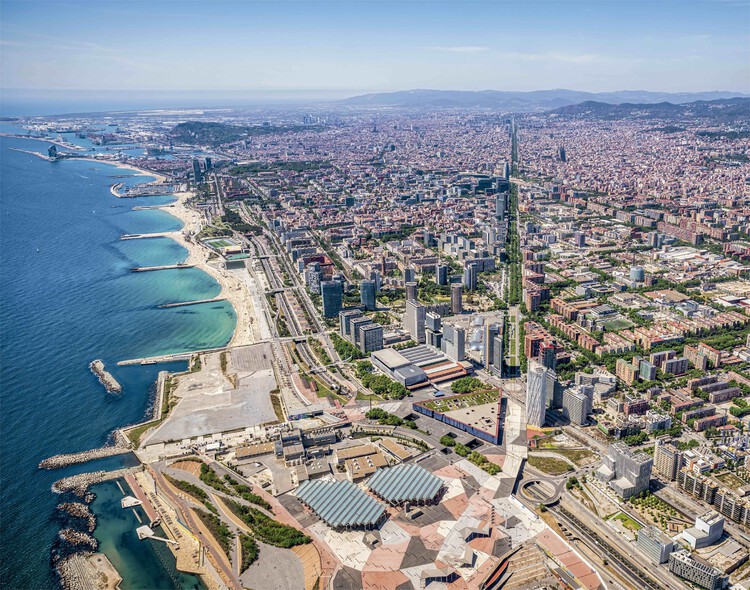
More than three decades after previously hosting the event, Barcelona is set to welcome the UIA World Congress of Architects 2026 Barcelona (UIA2026BCN), bringing the global architectural community back to the city between 28 June and 2 July 2026. Organized under the theme "Becoming. Architectures for a Planet in Transition," the Congress is expected to gather approximately 10,000 participants from over 130 countries, including practitioners, researchers, and students. Rather than being confined to a single venue, the event will unfold across multiple locations along the Mediterranean seafront, among them the Three Chimneys complex, positioning the city itself as an active platform for exchange, discussion, and public programming.

UIA 2026 Barcelona Reveals Program Structured Around Six Thematic “Becomings” - Image 1 of 4UIA 2026 Barcelona Reveals Program Structured Around Six Thematic “Becomings” - Image 2 of 4UIA 2026 Barcelona Reveals Program Structured Around Six Thematic “Becomings” - Image 3 of 4UIA 2026 Barcelona Reveals Program Structured Around Six Thematic “Becomings” - Image 4 of 4UIA 2026 Barcelona Reveals Program Structured Around Six Thematic “Becomings” - More Images+ 13

Architects of the Global South: 10 Pavilions and Installations That Shaped 2025

In a global landscape marked by accelerated change, 2025 emerged as a decisive year for architecture—not only because of the major events that animated the international circuit, but above all because of the voices that stood out within them. From the Venice Architecture Biennale to Expo Osaka, pavilions and installations from the Global South ceased to function as mere exhibition gestures and instead asserted themselves as territories of memory, resistance, and imagination, articulating narratives that expand the horizons of contemporary architectural debate.

Across these works, tradition and future move side by side: ancestral materials reappear in reimagined forms, historical wounds are given sensitive expression, and social urgency is translated into proposals that challenge established ways of building and inhabiting the world.

Architects of the Global South: 10 Pavilions and Installations That Shaped 2025 - Image 3 of 4Architects of the Global South: 10 Pavilions and Installations That Shaped 2025 - Image 1 of 4Architects of the Global South: 10 Pavilions and Installations That Shaped 2025 - Image 2 of 4Architects of the Global South: 10 Pavilions and Installations That Shaped 2025 - Image 14 of 4Architects of the Global South: 10 Pavilions and Installations That Shaped 2025 - More Images+ 13

The UIA World Congress of Architects 2026 Barcelona Unveils Program and Speakers

The UIA World Congress of Architects is an international event for architectural dialogue organised by the International Union of Architects (UIA, by its French acronym), a non-governmental organisation that unites national associations of architects from over 100 countries, representing more than one million professionals. The first UIA Congress of Architects, which also marked the institution's founding, was held in Lausanne in 1948 during the post-war reconstruction period. Since then, UIA congresses have been held every three years in a different city within a member country, serving as the organisation's main recurring event. In 2026, the Congress will be held in Barcelona, and UNESCO has consequently designated the city as the World Capital of Architecture 2026. Each Congress focuses on a key topic relevant to the profession, articulated through a central theme. Recent themes include Copenhagen 2023: "Sustainable Futures. Leave no one behind." and Rio 2020–2021: "All the worlds. Just one World." The topic for 2026 is "Becoming. Architectures for a Planet in Transition," welcoming renowned figures in contemporary architectural thought and practice for a broad and critical overview of the possible futures of architecture.

The UIA World Congress of Architects 2026 Barcelona Unveils Program and Speakers - Image 1 of 4The UIA World Congress of Architects 2026 Barcelona Unveils Program and Speakers - Image 2 of 4The UIA World Congress of Architects 2026 Barcelona Unveils Program and Speakers - Image 3 of 4The UIA World Congress of Architects 2026 Barcelona Unveils Program and Speakers - Image 4 of 4The UIA World Congress of Architects 2026 Barcelona Unveils Program and Speakers - More Images+ 7

Khudi Bari: Architecture for Climate Displacement

Subscriber Access | 

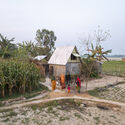
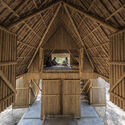
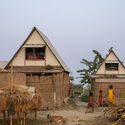
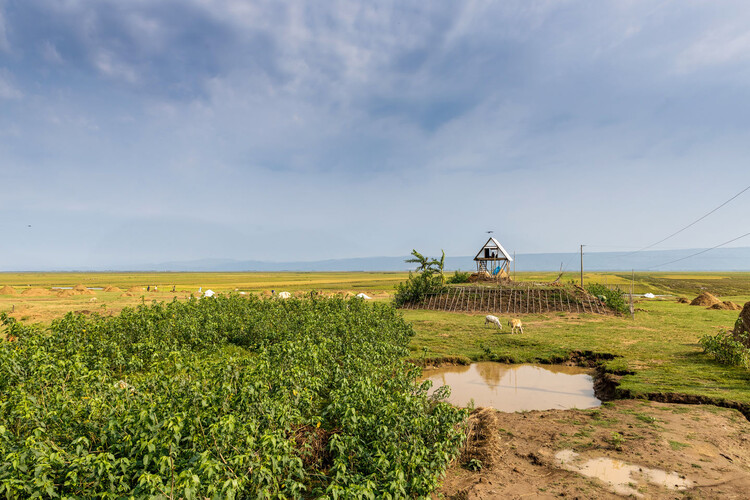
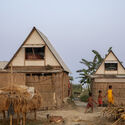
In the low-lying deltas of Bangladesh, water defines both life and loss. Every year, millions are forced to rebuild after floods wash away their homes, crops, and livelihoods. In these precarious territories, the act of building has become an act of resilience. It is here that Khudi Bari emerges as a modest yet radical proposal. Designed by Marina Tabassum Architects, the project provides a lightweight, modular, and affordable dwelling for communities displaced by climate change. Recognized as one of the winners of the 2025 Aga Khan Award for Architecture, it represents a form of architecture that empowers rather than imposes.

Khudi Bari: Architecture for Climate Displacement - Image 1 of 4Khudi Bari: Architecture for Climate Displacement - Image 2 of 4Khudi Bari: Architecture for Climate Displacement - Image 3 of 4Khudi Bari: Architecture for Climate Displacement - Image 4 of 4Khudi Bari: Architecture for Climate Displacement - More Images+ 27

Lina Ghotmeh Named to TIME100 Next 2025 as One of the World’s Most Influential Rising Stars

French-Lebanese architect Lina Ghotmeh has been recognized on the TIME100 Next 2025 list, an annual ranking of emerging leaders and innovators across disciplines. Known for her sensitive approach to context and materiality, Ghotmeh has built an international portfolio that bridges tradition and modernity. In her TIME profile, written by Danish architect Bjarke Ingels, Ghotmeh is praised for combining historical awareness with forward-looking experimentation. The acknowledgment positions her as the only architect on this year's list, highlighting the continued presence of design voices in a ranking that typically spans entertainment, politics, science, and business.

Lina Ghotmeh Named to TIME100 Next 2025 as One of the World’s Most Influential Rising Stars - Image 1 of 4Lina Ghotmeh Named to TIME100 Next 2025 as One of the World’s Most Influential Rising Stars - Image 2 of 4Lina Ghotmeh Named to TIME100 Next 2025 as One of the World’s Most Influential Rising Stars - Image 3 of 4Lina Ghotmeh Named to TIME100 Next 2025 as One of the World’s Most Influential Rising Stars - Image 4 of 4Lina Ghotmeh Named to TIME100 Next 2025 as One of the World’s Most Influential Rising Stars - More Images+ 11

“Our Message This Time Was Optimism”: In Conversation with Farrokh Derakhshani, Director of the Aga Khan Award for Architecture

Today, September 2, the seven winners of the 16th Cycle (2023–2025) of the Aga Khan Award for Architecture were announced, following on-site reviews of the 19 shortlisted projects revealed in June. Established in 1977, the Award seeks to identify and encourage building concepts that respond to the physical, social, and economic needs of communities with a significant Muslim presence, while also addressing their cultural aspirations. To understand the vision behind this cycle's winners, ArchDaily's Editor-in-Chief, Christele Harrouk, spoke with Farrokh Derakhshani, who has been with the award for over four decades. He described the initiative as "a curated message to the world," a message that evolves with the times.

“Our Message This Time Was Optimism”: In Conversation with Farrokh Derakhshani, Director of the Aga Khan Award for Architecture - Image 1 of 4“Our Message This Time Was Optimism”: In Conversation with Farrokh Derakhshani, Director of the Aga Khan Award for Architecture - Image 2 of 4“Our Message This Time Was Optimism”: In Conversation with Farrokh Derakhshani, Director of the Aga Khan Award for Architecture - Image 3 of 4“Our Message This Time Was Optimism”: In Conversation with Farrokh Derakhshani, Director of the Aga Khan Award for Architecture - Image 4 of 4“Our Message This Time Was Optimism”: In Conversation with Farrokh Derakhshani, Director of the Aga Khan Award for Architecture - More Images+ 4

Aga Khan Award for Architecture Announces 2025 Winners

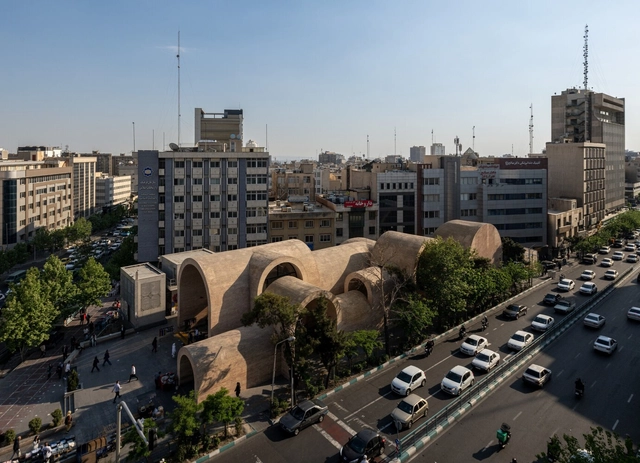
The independent Master Jury of the 16th Award Cycle (2023–2025) of the Aga Khan Award for Architecture has announced seven winners, selected following on-site reviews of projects shortlisted earlier in June. Collectively, the awarded works demonstrate architecture's potential to act as a catalyst for pluralism, community resilience, social transformation, cultural dialogue, and climate-responsive design. Two projects from Iran, and one each from Bangladesh, China, Egypt, Pakistan, and Palestine, will share a prize of $1 million, among the most significant awards in the field of architecture.

Aga Khan Award for Architecture Announces 2025 Winners - Image 1 of 4Aga Khan Award for Architecture Announces 2025 Winners - Image 2 of 4Aga Khan Award for Architecture Announces 2025 Winners - Image 3 of 4Aga Khan Award for Architecture Announces 2025 Winners - Image 4 of 4Aga Khan Award for Architecture Announces 2025 Winners - More Images+ 63

Graham Foundation Reveals 2025 Grants for 39 Organizations Worldwide

The Graham Foundation for Advanced Studies in the Fine Arts has announced $573,300 in grants to 39 organizations worldwide. Chosen from more than 200 submissions, the 2025 awards support a broad range of initiatives, including exhibitions, installations, publications, podcasts, student-led journals, international architecture events, and public programs that contribute to advancing architectural discourse and design experimentation. Over nearly seven decades, the Graham Foundation has provided more than $45 million in direct support to over 5,200 projects. With the addition of the 2025 grantees, the Foundation aims to continue to strengthen its international network of individuals and organizations advancing architectural ideas and public engagement around the world.

Graham Foundation Reveals 2025 Grants for 39 Organizations Worldwide - Image 6 of 4Graham Foundation Reveals 2025 Grants for 39 Organizations Worldwide - Image 7 of 4Graham Foundation Reveals 2025 Grants for 39 Organizations Worldwide - Image 3 of 4Graham Foundation Reveals 2025 Grants for 39 Organizations Worldwide - Image 10 of 4Graham Foundation Reveals 2025 Grants for 39 Organizations Worldwide - More Images+ 9

Marina Tabassum’s 2025 Serpentine Pavilion Opens to the Public

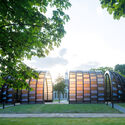
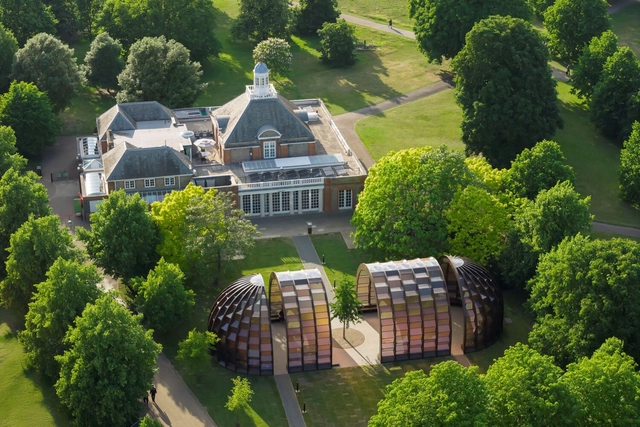
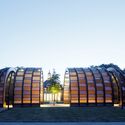
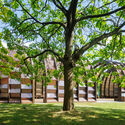
The 2025 Serpentine Pavilion has just opened to the public. Designed by Bangladeshi architect and educator Marina Tabassum and her firm, Marina Tabassum Architects, the pavilion marks the 25th year since the Serpentine's first commission of Zaha Hadid's inaugural structure in Hyde Park in 2000. Titled "A Capsule in Time," the design takes inspiration from the ephemeral, adaptive architecture of the Bengal Delta, featuring a semi-transparent structure that aims to foster a sense of community and collective experience. The pavilion will be open to the public in London's Kensington Gardens from June 6th to October 26th, 2025.

Marina Tabassum’s 2025 Serpentine Pavilion Opens to the Public - Image 1 of 4Marina Tabassum’s 2025 Serpentine Pavilion Opens to the Public - Image 2 of 4Marina Tabassum’s 2025 Serpentine Pavilion Opens to the Public - Image 3 of 4Marina Tabassum’s 2025 Serpentine Pavilion Opens to the Public - Image 4 of 4Marina Tabassum’s 2025 Serpentine Pavilion Opens to the Public - More Images+ 7

Aga Khan Award for Architecture 2025 Announces 19 Shortlisted Projects from 15 Countries

The Aga Khan Award for Architecture (AKAA) has announced the 19 shortlisted projects for its 2025 cycle. Selected from a pool of 369 nominations, these projects will compete for a share of the USD 1 million prize, one of the most significant awards in the field. The shortlist was determined by an independent Master Jury composed of nine members: Azra Akšamija, Noura Al Sayeh-Holtrop, Lucia Allais, David Basulto, Yvonne Farrell, Kabage Karanja, Yacouba Konaté, Hassan Radoine, and Mun Summ Wong. The Jury will meet later this summer to review on-site evaluations and select the final recipients of the 16th Award Cycle (2023–2025).

Aga Khan Award for Architecture 2025 Announces 19 Shortlisted Projects from 15 Countries - Image 1 of 4Aga Khan Award for Architecture 2025 Announces 19 Shortlisted Projects from 15 Countries - Image 2 of 4Aga Khan Award for Architecture 2025 Announces 19 Shortlisted Projects from 15 Countries - Image 3 of 4Aga Khan Award for Architecture 2025 Announces 19 Shortlisted Projects from 15 Countries - Image 4 of 4Aga Khan Award for Architecture 2025 Announces 19 Shortlisted Projects from 15 Countries - More Images+ 16

Do We Still Need Architecture Awards? Highlights from the "Beyond the Prize" Discussion Forum in Venice, Italy

During the opening week of the 19th Venice Architecture Biennale, a consortium of six major architecture awards, including the Aga Khan Award for Architecture, the Holcim Foundation Awards, the EUmies Awards, the Mies Crown Hall Americas Prize, the OBEL Award, and the Ammodo Architecture Award, convened at TBA21–Academy's Ocean Space for a critical discussion titled "Beyond the Prize." This forum aimed to reflect on the role, relevance, and future potential of architecture awards amidst pressing social and environmental challenges. ArchDaily attended the public event and took the opportunity to ask the participants: What would the field of architecture look like if we stopped organizing architecture awards?

Do We Still Need Architecture Awards? Highlights from the "Beyond the Prize" Discussion Forum in Venice, Italy - Image 1 of 4Do We Still Need Architecture Awards? Highlights from the "Beyond the Prize" Discussion Forum in Venice, Italy - Image 2 of 4Do We Still Need Architecture Awards? Highlights from the "Beyond the Prize" Discussion Forum in Venice, Italy - Image 3 of 4Do We Still Need Architecture Awards? Highlights from the "Beyond the Prize" Discussion Forum in Venice, Italy - Image 4 of 4Do We Still Need Architecture Awards? Highlights from the Beyond the Prize Discussion Forum in Venice, Italy - More Images+ 7

Serpentine Reveals New Details of Marina Tabassum's "A Capsule in Time" 2025 Pavilion

Bangladeshi architect and educator Marina Tabassum and her firm, Marina Tabassum Architects, have been selected to design the 2025 Serpentine Pavilion. Titled "A Capsule in Time," the proposal takes inspiration from the ephemeral nature of architecture in the Bengal Delta, incorporating a semi-transparent structure intended to evoke a sense of community and connection. The Pavilion will open to the public on June 6th, until 26 October 2025, with a press preview two days before the opening. Tabassum's pavilion will mark the 25th year since the Serpentine's first commission of Zaha Hadid's inaugural structure in Hyde Park in 2000.

Discover the Full List of Special Projects and Participants of the 2025 Venice Architecture Biennale

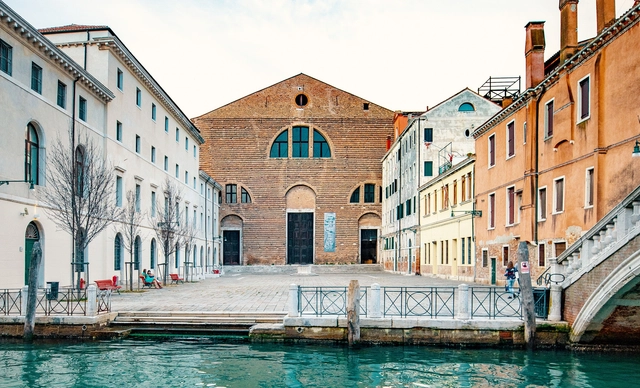
The 19th International Architecture Exhibition, organised by La Biennale di Venezia under Carlo Ratti's curatorship and the theme "Intelligens. Natural. Artificial. Collective," is set to transform Venice into a "Living Laboratory" of experimentation and collaboration. This year's special projects extend beyond the exhibition grounds, integrating into various city locations and Forte Marghera in Mestre, providing an alternative perspective that expands the reach of architectural discourse.

The Biennale promises to be a dynamic platform uniting over 750 participants from diverse backgrounds, including architects, engineers, mathematicians, climate scientists, and artists. Such a broad coalition of over 280 projects underlines the Exhibition's focus on inclusivity and interdisciplinary collaboration, an essential aspect for adaptation. The selection process proposed a bottom-up, open call approach through the Space for Ideas initiative, which ran between May and June 2024. It encouraged participation from global teams, from Pritzker Prize winners and Nobel laureates to emerging architects and scientists.

Discover the Full List of Special Projects and Participants of the 2025 Venice Architecture Biennale - Image 1 of 4Discover the Full List of Special Projects and Participants of the 2025 Venice Architecture Biennale - Image 2 of 4Discover the Full List of Special Projects and Participants of the 2025 Venice Architecture Biennale - Image 3 of 4Discover the Full List of Special Projects and Participants of the 2025 Venice Architecture Biennale - Image 4 of 4Discover the Full List of Special Projects and Participants of the 2025 Venice Architecture Biennale - More Images+ 16

Beyond the Prize: Set in Venice, a New Discussion Forum Explores the Meaningful Impact of Architecture Awards

A moderated discussion hosted by the Aga Khan Award for Architecture, the Holcim Foundation Awards, the EUmies Awards, the Mies Crown Hall Americas Prize, the OBEL Award, and the Ammodo Architecture Award will take place in Venice during the opening week of the 19th Architecture Biennale. This consortium of six architecture awards, alongside international architects associated with the prizes, will gather on Friday, May 9, 2025, at TBA21–Academy's Ocean Space to discuss the overarching impact of architecture awards and their potential to promote meaningful change. Titled "Beyond the Prize," the event aims to critically reflect on these awards' purpose, trajectory, and potential in the face of contemporary social and environmental challenges.

Beyond the Prize: Set in Venice, a New Discussion Forum Explores the Meaningful Impact of Architecture Awards - Image 1 of 4Beyond the Prize: Set in Venice, a New Discussion Forum Explores the Meaningful Impact of Architecture Awards - Image 2 of 4Beyond the Prize: Set in Venice, a New Discussion Forum Explores the Meaningful Impact of Architecture Awards - Image 3 of 4Beyond the Prize: Set in Venice, a New Discussion Forum Explores the Meaningful Impact of Architecture Awards - Image 4 of 4Beyond the Prize: Set in Venice, a New Discussion Forum Explores the Meaningful Impact of Architecture Awards - More Images

Designing for All: Exploring Empathy, Inclusivity, Accessibility and Spatial Equity in Architecture

The concept of inclusive architecture has gained prominence as the built environment evolves to reflect and address the diverse needs of humanity. This approach prioritizes empathy, accessibility, and equity, striving to create spaces that resonate with individuals across a spectrum of demographics, abilities, and cultural contexts. It moves beyond merely meeting accessibility standards or incorporating universal design elements; instead, it embodies a paradigm shift that humanizes architecture and aligns it with fundamental social values. Through this lens, inclusive architecture fosters connections, embraces diversity, and ensures that physical spaces contribute to collective well-being.

This article explores four interrelated themes — Empathy, Inclusive Architecture, and Spatial Equity and Accessibility— through selected articles published in 2024. Together, these themes reveal how architecture can respond to societal challenges and aspirations, illustrating its potential as a catalyst for social change. From designing for emotional connection to addressing spatial inequalities, the lessons of 2024 emphasize the responsibility of architects to create spaces that transcend functionality, champion inclusivity at every scale, and foster environments where everyone feels seen, valued, and empowered.

Designing for All: Exploring Empathy, Inclusivity, Accessibility and Spatial Equity in Architecture - Image 1 of 4Designing for All: Exploring Empathy, Inclusivity, Accessibility and Spatial Equity in Architecture - Image 2 of 4Designing for All: Exploring Empathy, Inclusivity, Accessibility and Spatial Equity in Architecture - Image 3 of 4Designing for All: Exploring Empathy, Inclusivity, Accessibility and Spatial Equity in Architecture - Image 4 of 4Designing for All: Exploring Empathy, Inclusivity, Accessibility and Spatial Equity in Architecture - More Images+ 11

Shaping History: The Impact of Women Architects in Post-Colonial South Asia

In the mid-twentieth century, a set of South Asian countries collectively experienced a catharsis from colonizers' rule. The period that followed sparked an era of ideas and philosophies for a new future. During this time, architects were pivotal in creating modernist structures that defined the countries' post-colonial, post-partition and post-imperial identities. South Asian architects used design as an expression of hopeful societal visions, most of which have been actualized. With this success in nation-building, there has been a lack of accreditation for women architects in shaping South Asian histories. 

Shaping History: The Impact of Women Architects in Post-Colonial South Asia  - Image 1 of 4Shaping History: The Impact of Women Architects in Post-Colonial South Asia  - Image 2 of 4Shaping History: The Impact of Women Architects in Post-Colonial South Asia  - Image 3 of 4Shaping History: The Impact of Women Architects in Post-Colonial South Asia  - Image 4 of 4Shaping History: The Impact of Women Architects in Post-Colonial South Asia  - More Images+ 3