1. ArchDaily
  2. Luis Fernandez Galiano

Luis Fernandez Galiano: The Latest Architecture and News

The Architect as Writer: Expanding the Discipline Beyond Buildings

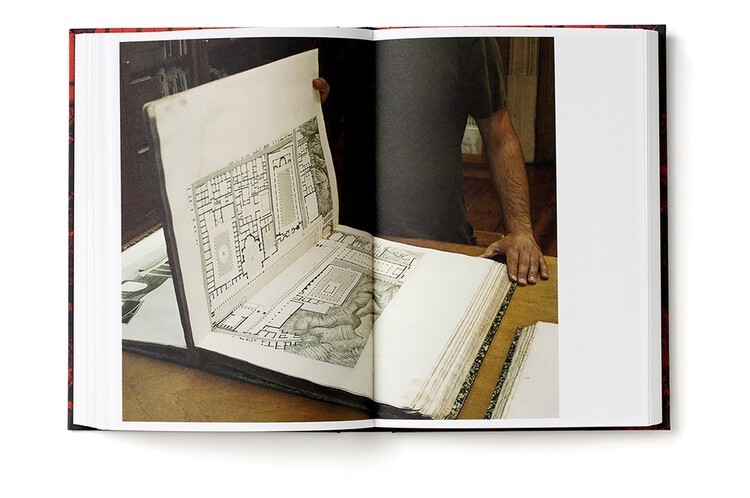
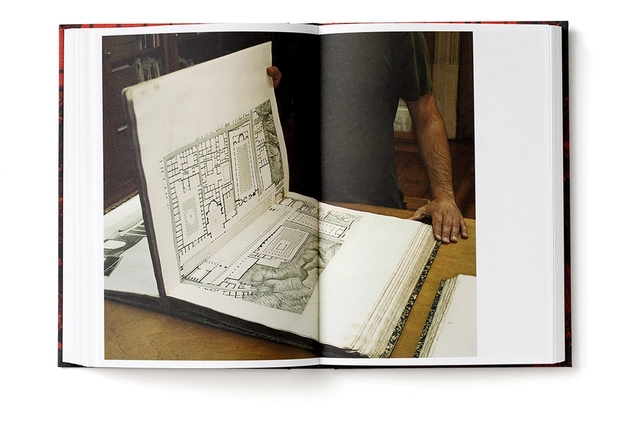
Architecture has always been more than bricks and mortar. It is equally constructed through words, ideas, and narratives. From ancient treatises to radical manifestos, from technical manuals to poetic essays, the written word has served as a spatial, pedagogical, and political tool within the field. Writing shapes how architecture is conceptualized, communicated, and critiqued — often long before, or even in the absence of, physical construction.

Historically, figures such as Vitruvius, Alberti, and Palladio employed writing to codify principles, project ideals, and legitimize architecture as a discipline. In the modern era, Le Corbusier, Adolf Loos, and Lina Bo Bardi wrote prolifically to expand the scope of architecture beyond form and function, often using publications as tools for persuasion and experimentation. The postwar period gave rise to new editorial strategies, as evident in the manifestos of Archizoom and Superstudio, and the polemical publications of Delirious New York and Oppositions, where writing served as both critique and project.
The Architect as Writer: Expanding the Discipline Beyond Buildings - Image 1 of 4The Architect as Writer: Expanding the Discipline Beyond Buildings - Image 2 of 4The Architect as Writer: Expanding the Discipline Beyond Buildings - Image 3 of 4The Architect as Writer: Expanding the Discipline Beyond Buildings - Image 4 of 4The Architect as Writer: Expanding the Discipline Beyond Buildings - More Images+ 31

Shaping Spaces: The History and Impact of Fireplaces in Architecture

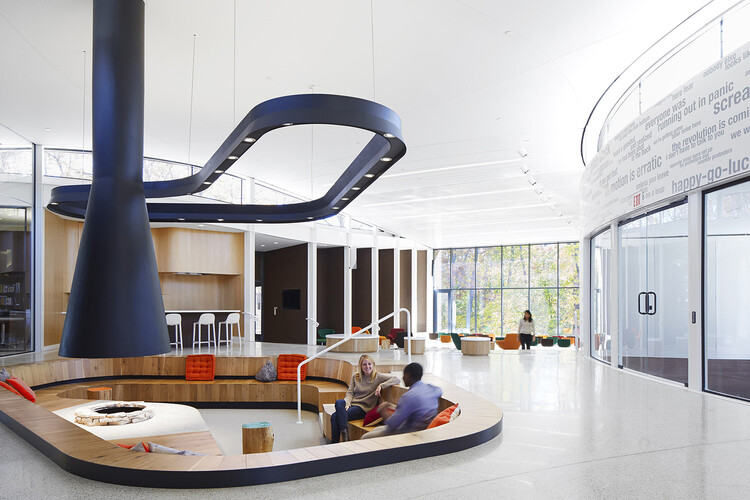
Fireplaces have profoundly shaped architectural design, influencing how spaces are organized, experienced, and perceived. More than merely functional elements, they represent symbols of power, community, comfort, and culture, tracing humanity's evolving relationship with the built environment. From the primitive hearths that characterized early human settlements to the sophisticated ecological designs of contemporary architecture, fireplaces have reflected broader cultural, social, and technological changes, serving as enduring focal points in the spatial narrative of architecture. Scholars have frequently explored the intimate relationship between architecture and fire. Luis Fernández-Galiano, in his seminal work "Fire and Memory: On Architecture and Energy" argues that architecture fundamentally mediates the relationship between humanity and energy. By understanding how these structures have shaped spaces, symbolized cultural values, and driven technological innovation, we gain deeper insight into architecture's complex interplay between form, function, and meaning.

Shaping Spaces: The History and Impact of Fireplaces in Architecture - Image 1 of 4Shaping Spaces: The History and Impact of Fireplaces in Architecture - Image 2 of 4Shaping Spaces: The History and Impact of Fireplaces in Architecture - Image 3 of 4Shaping Spaces: The History and Impact of Fireplaces in Architecture - Image 4 of 4Shaping Spaces: The History and Impact of Fireplaces in Architecture - More Images+ 21

Renzo Piano: Instinctive Pleasure in Lightness

Subscriber Access | 

“Lightness and transparency are very close friends. You start from something and then you take off, you take off, you take off... And at a certain point you have to stop taking off, otherwise, everything falls down. If you do this you find that there’s a kind of beauty there. It’s a beauty that is profound, it’s not cosmetic.”

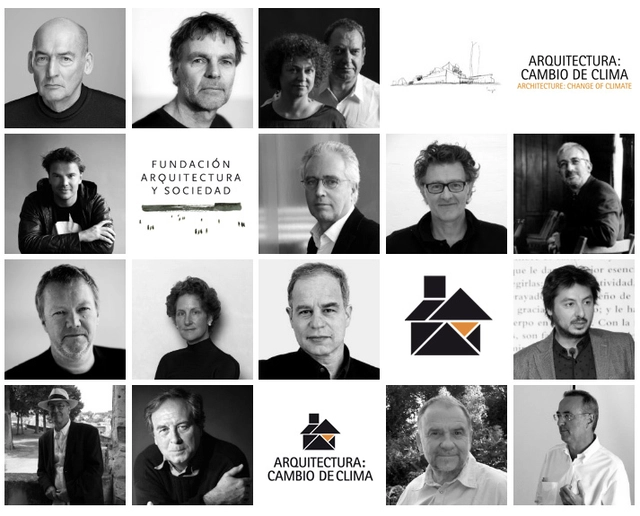
In this video by Luis Fernández-Galiano, Italian architect Renzo Piano talks about his path to finding beauty in lightness and transparency. This clip is a part of a full documentary and interactive booklet series by Fundación arquia and produced by White Horse.

Norman Foster Foundation Includes Aravena, Ive and Other Leading Names in Their 2017 "Future is Now" Conference

Subscriber Access | 
Norman Foster Foundation Includes Aravena, Ive and Other Leading Names in Their 2017 "Future is Now" Conference - Image 4 of 4
© Norman Foster Foundation

Last month the Norman Foster Foundation, created to promote "interdisciplinary thinking and research to help up-and-coming architects, designers and urbanists to anticipate the future," coincided the opening of its new Madrid-based headquarters with an international conference. Future is Now pulled together a broad collection of professionals—including Sir Jonathan Ive, Marc Newson, Olafur Eliasson, Maya Lin, Alejandro Aravena, and Luis Fernández-Galian—who addressed an audience of 1,800 (including 1,100 students) in the Spanish capital's Royal Theater.

Watch the conference in its entirety, or read a summary, after the break.

AV Monographs Looks at 15 Years of Rem Koolhaas and OMA

Subscriber Access | 

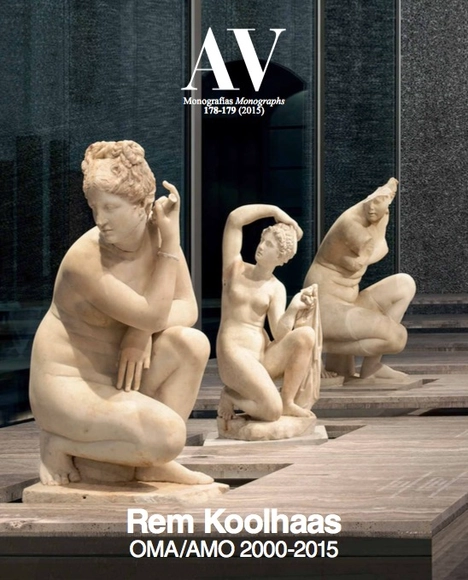
"From his first conceptual, colorful phase, Koolhaas has traveled through dirty realism, enlightened deconstructivism and commercial pragmatism, grafting Leonidov on Le Corbusier, hybridizing mambo fifties with dry sixties, and joining programmatic diagrams with sculptural volumes to end in the realm of heritage and history, ecology and sustainability, elements and the discipline." - Luis Fernández-Galiano

The first monograph that AV has dedicated entirely to the Dutch architect covers his work at OMA starting in 2000, the year in which Koolhaas was awarded the Pritzker Prize. Accompanied by an essay and 12 critical texts by Luis Fernández-Galiano, the publication covers the work built by the studio during the last 15 years.

AV Monographs Looks at 15 Years of Rem Koolhaas and OMA - Image 1 of 4AV Monographs Looks at 15 Years of Rem Koolhaas and OMA - Image 2 of 4AV Monographs Looks at 15 Years of Rem Koolhaas and OMA - Image 3 of 4AV Monographs Looks at 15 Years of Rem Koolhaas and OMA - Image 4 of 4AV Monographs Looks at 15 Years of Rem Koolhaas and OMA - More Images+ 8