1. ArchDaily
  2. Lúcio Costa

Lúcio Costa: The Latest Architecture and News

Brasília and Chandigarh: Two Modernist Utopias an Ocean Apart

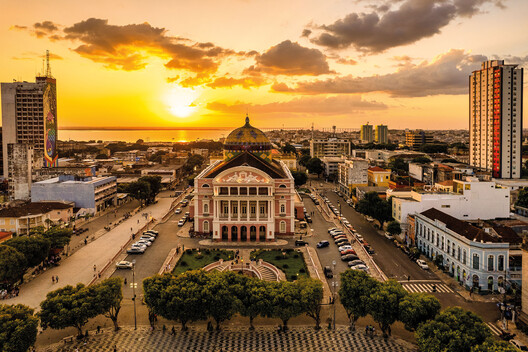
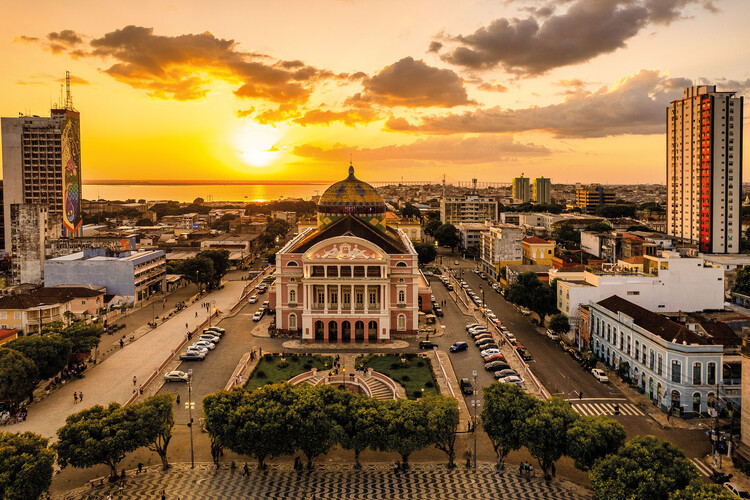
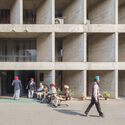
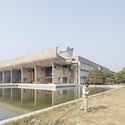
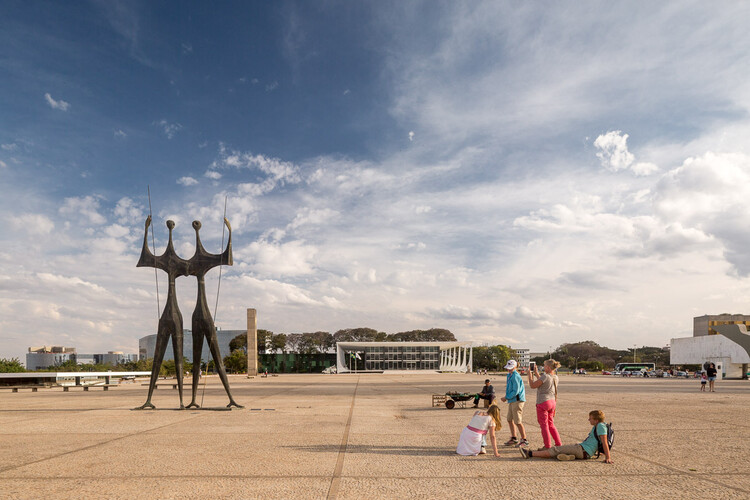
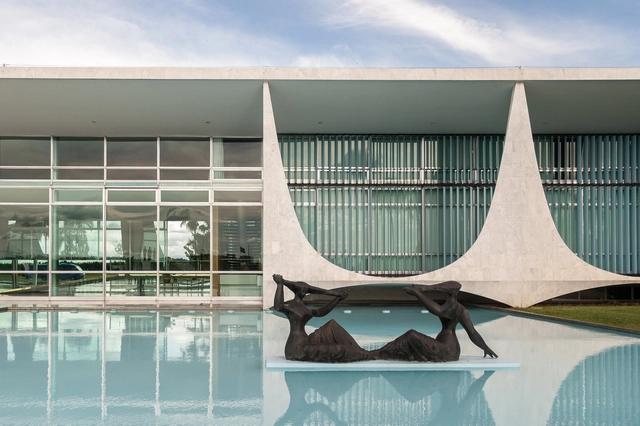
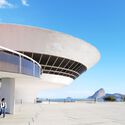
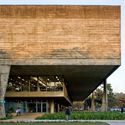
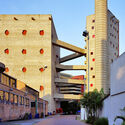
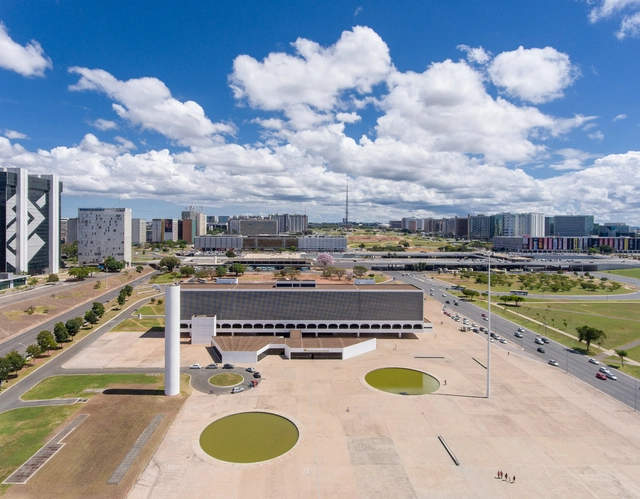
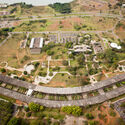
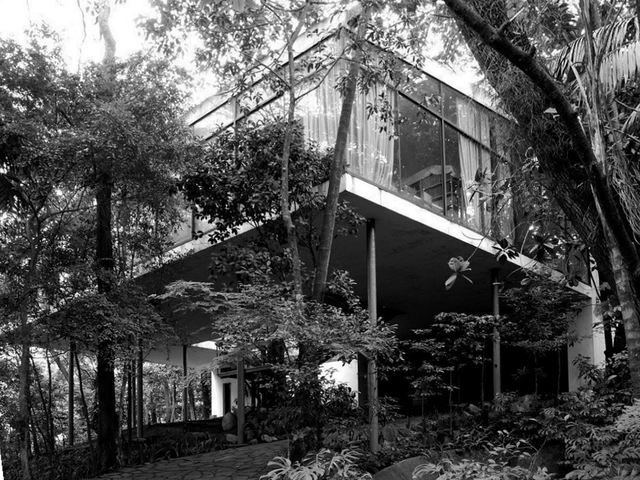
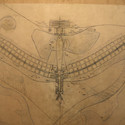
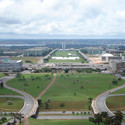
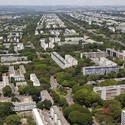
Between the 1950s and 1960s, two cities were built that would leave a lasting mark on the history of architecture and urbanism. Born from a shared vision yet separated by more than 14,000 kilometers, Brasília in Brazil and Chandigarh in India were both planned and constructed from scratch, deeply shaped by modernist principles.

Emerging during a period of profound political and social transformation, when many nations sought to redefine their capitals as symbols of progress, both cities assumed a strategic role. Through their architectural language, they reinforced ideological and national narratives closely tied to state power.

These were cities conceived in the abstract, guided by a utopian vision. They were intended to be avant-garde urban centers, free from the deficiencies that plagued mid-twentieth-century cities, embodying aesthetic principles aligned with progressive political ideals and embracing new technologies—most notably the automobile.

Yet this promise of the future also generated significant challenges. While these difficulties undoubtedly reflect the social and economic realities of their respective countries, they were also shaped by a modernist vision that is increasingly being reassessed today.

Brasília and Chandigarh: Two Modernist Utopias an Ocean Apart - Image 1 of 4Brasília and Chandigarh: Two Modernist Utopias an Ocean Apart - Image 2 of 4Brasília and Chandigarh: Two Modernist Utopias an Ocean Apart - Image 3 of 4Brasília and Chandigarh: Two Modernist Utopias an Ocean Apart - Image 4 of 4Brasília and Chandigarh: Two Modernist Utopias an Ocean Apart - More Images+ 19

Le Corbusier and Brazilian Modernism: ABERTO4 Exhibition Opens at Maison La Roche in Paris

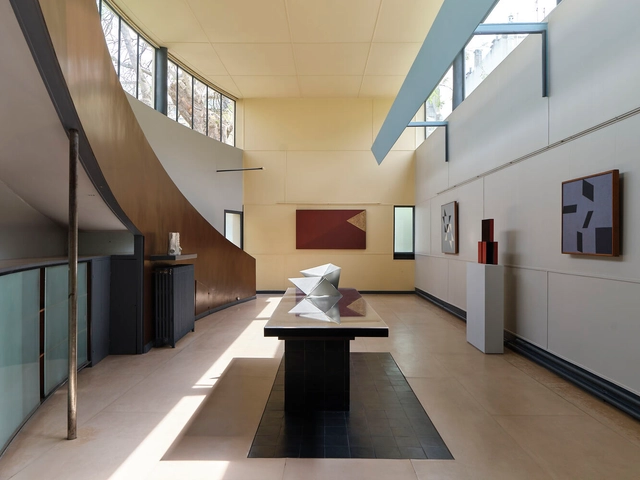
Founded in 2022 by art advisor Filipe Assis, ABERTO is an exhibition platform celebrating the convergence of art, design, and architecture in Brazil and beyond. Staging exhibitions in private and public modernist spaces, its past editions have highlighted the global connections forged by Brazilians from the 20th century onwards. Following three exhibitions in São Paulo, "ABERTO 4 – Brazil After Le Corbusier" marks its first international edition, taking place at Le Corbusier's Maison La Roche in Paris, from 14 May to 8 June 2025. The exhibition presents around 35 design and art pieces by Brazilian artists, spotlighting Le Corbusier's seminal connection to Brazilian modernist architecture and exploring his influence on contemporary Brazilian creatives. Previous editions of ABERTO have featured over 100 artists from Brazil and abroad in houses designed by Oscar Niemeyer (2022), Vilanova Artigas (2023), and Ruy Ohtake and Chu Ming Silveira (2024).

Le Corbusier and Brazilian Modernism: ABERTO4 Exhibition Opens at Maison La Roche in Paris - Image 1 of 4Le Corbusier and Brazilian Modernism: ABERTO4 Exhibition Opens at Maison La Roche in Paris - Image 2 of 4Le Corbusier and Brazilian Modernism: ABERTO4 Exhibition Opens at Maison La Roche in Paris - Image 3 of 4Le Corbusier and Brazilian Modernism: ABERTO4 Exhibition Opens at Maison La Roche in Paris - Image 4 of 4Le Corbusier and Brazilian Modernism: ABERTO4 Exhibition Opens at Maison La Roche in Paris - More Images+ 44

Why Do Modernist Principles Still Underpin Design Education in Brazil? Five Professors Share Their Perspectives

The complex relationship between architectural education and modernist principles in Brazil raises important questions about contemporary architectural practice. To explore this topic, we invited five professors from different Brazilian universities to share their perspectives: Eduardo Lopes (Universidade do Vale do Itajaí), Eduardo Westphal (Universidade Federal de Santa Catarina), Fábio Mosaner (Universidade Federal de Pernambuco), Marta Bogéa (Faculdade de Arquitetura e Urbanismo da Universidade de São Paulo), and Rodrigo Bastos (Universidade Federal de Santa Catarina). Their insights highlight modernism's lasting influence on architectural education while raising key questions for the current architectural debate.

Why Do Modernist Principles Still Underpin Design Education in Brazil? Five Professors Share Their Perspectives - Image 1 of 4Why Do Modernist Principles Still Underpin Design Education in Brazil? Five Professors Share Their Perspectives - Image 2 of 4Why Do Modernist Principles Still Underpin Design Education in Brazil? Five Professors Share Their Perspectives - Image 3 of 4Why Do Modernist Principles Still Underpin Design Education in Brazil? Five Professors Share Their Perspectives - Image 4 of 4Why Do Modernist Principles Still Underpin Design Education in Brazil? Five Professors Share Their Perspectives - More Images+ 5

Architecture and Coloniality: Brazilian Modernism in Critical Perspective

Brazilian modern architecture is often celebrated as a landmark of innovation and national identity, projecting the country onto the international stage with iconic works and a distinctive aesthetic. However, recent research and publications have highlighted its deep entanglement with colonial narratives, both in its influences and its social impact. Although modernism emerged as an attempt to break away from European academic traditions, it remained dependent on foreign references and incorporated strategies of domination that echoed colonial logic.

Architecture and Coloniality: Brazilian Modernism in Critical Perspective  - Image 1 of 4Architecture and Coloniality: Brazilian Modernism in Critical Perspective  - Image 2 of 4Architecture and Coloniality: Brazilian Modernism in Critical Perspective  - Image 3 of 4Architecture and Coloniality: Brazilian Modernism in Critical Perspective  - Image 4 of 4Architecture and Coloniality: Brazilian Modernism in Critical Perspective  - More Images+ 7

Architecture Classics: Modern Housing on the American Continent 1930-1960

Subscriber Access | 

Much of the production of modern architecture on the American continent was based on the model of European architects who, with their works, projected the fundamental premises and ideas for modern living. These pillars of architecture were transferred and consequently adapted to the American territory, introducing, at the same time, their own characteristics according to the territorial, socio-cultural and economic context. 

We understand that good architecture is that which serves as a model for solving problems inherent to the discipline of architecture in general. This is why certain references that we consider today as "classics" are examples of good architectural practices that have been appropriated by other architects, taking the pertinent and necessary elements to achieve a result in accordance with the particular context. 
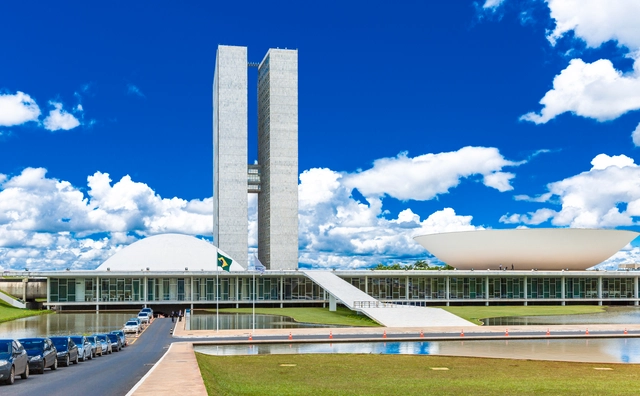
Brazil Congress Attack: The Symbolic Consequences of the 2023 January Invasion

Few places in the world have an overlap of complexities as intense as Brasília. Even so, its architecture symbolizes the Republic and democracy of Brazil, and any act of attack on these symbols carries meanings and consequences for Brazilian memory and cultural heritage. The terrorist acts of January 2023 destroyed part of the heritage and raised questions beyond objects and architecture, touching on education, culture, and national political capital.

Architecture Classics: National Congress / Oscar Niemeyer

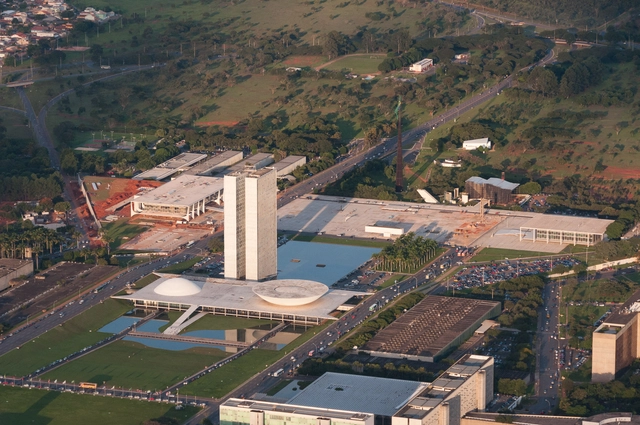
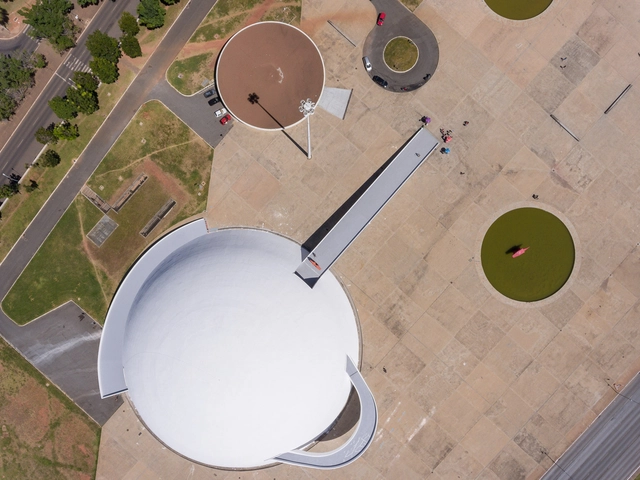
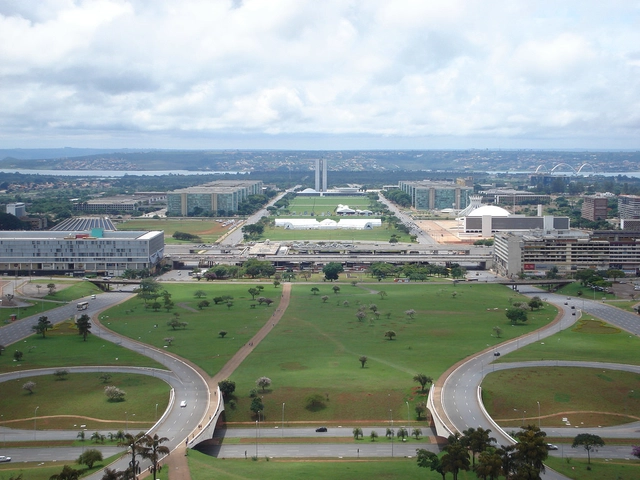
Located at the head of the abstract bird-shaped city plan by Lúcio Costa, and as the only building within the central greensward of the eastern arm of the Monumental Axis, the palace of the National Congress (Congresso Nacional) enjoys pride of place among Oscar Niemeyer’s government buildings in Brasília. The most sober of the palaces on the Plaza of the Three Powers, the National Congress reflects the strong influence of Le Corbusier, while hinting at the more romantic and whimsical forms that characterize Niemeyer’s trademark Brazilian Modernism.

Architecture Classics: National Congress / Oscar Niemeyer - Government Architecture Classics: National Congress / Oscar Niemeyer - Government Architecture Classics: National Congress / Oscar Niemeyer - Government Architecture Classics: National Congress / Oscar Niemeyer - Government Architecture Classics: National Congress / Oscar Niemeyer - More Images+ 8

Google Arts & Culture Opens Free Virtual Exhibition About Brasília

After launching virtual exhibitions about Parma (Italy), Pittsburgh and Milwaukee (United States), and Lagos (Nigeria), the online platform Google Arts & Culturehas opened the virtual exhibition Brasília: um Sonho Construído (Brasilia: a Built Dream), which presents an immersive tour of the Brazilian federal capital designed by Lúcio Costa.

Curated by the National Museum of the Republic, the exhibition had the collaboration of the Public Archives of the Federal District, the Institute of Architects of Brazil, the Chamber of Deputies Museum, the Federal Supreme Court, and other organizations based in Brasília. Through images from Google Street View, visitors travel through the corridors of six museums in the capital in 360° virtual tours, including the Museu de Valores (Museum of Currencies), the Square of the Three Powers, and also the Supreme Federal Court building.

Collection of Lucio Costa Donated to Casa da Arquitectura in Portugal

After receiving Paulo Mendes da Rocha's complete collection in 2020, Casa da Arquitectura - Portuguese Center for Architecture, based in the city of Matosinhos, has just received Lucio Costa's estate. The donation was made by the family of the Brazilian architect and urban planner and includes about eleven thousand documents produced between 1910 and 1998.

CRA Reveals BIOTIC, a 1-Million Square Meter Extension of Brasilia's Historical Master Plan

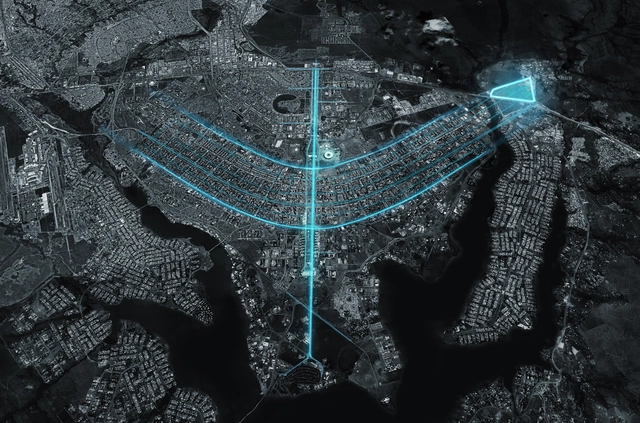
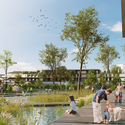
CRA - Carlo Ratti Associati has unveiled a major extension for Brazilia, reinterpreting “Lúcio Costa and Oscar Niemeyer’s modernist master plan for Biotic - a high-tech innovation district immersed in nature”. Developed in collaboration with Ernst&Young, the project that started in 2018 reimagines primarily the superblocks.

CRA Reveals BIOTIC, a 1-Million Square Meter Extension of Brasilia's Historical Master Plan - Image 1 of 4CRA Reveals BIOTIC, a 1-Million Square Meter Extension of Brasilia's Historical Master Plan - Image 2 of 4CRA Reveals BIOTIC, a 1-Million Square Meter Extension of Brasilia's Historical Master Plan - Image 3 of 4CRA Reveals BIOTIC, a 1-Million Square Meter Extension of Brasilia's Historical Master Plan - Image 4 of 4CRA Reveals BIOTIC, a 1-Million Square Meter Extension of Brasilia's Historical Master Plan - More Images+ 1

Spotlight: Lúcio Costa

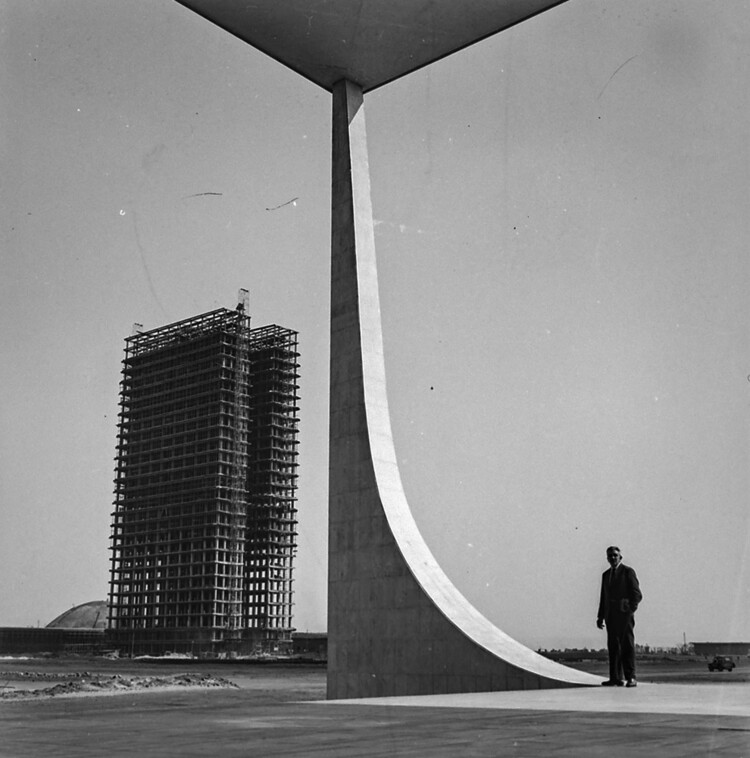
Brazilian planner, preservationist and modernist thinker Lúcio Costa (27 Feburary 1902 – 13 June 1998) is best known for his 1957 plan of Brasília that shaped the Brazilian capital into a monument to utopian modernism. A resolute and often controversial figure in the Brazilian establishment, Costa’s contributions to Brazilian architecture helped to shape the distinctive modernism that was practically Brazil’s official style until the 1980s.

Spotlight: Lúcio Costa - Image 1 of 4Spotlight: Lúcio Costa - Image 2 of 4Spotlight: Lúcio Costa - Featured ImageSpotlight: Lúcio Costa - Image 3 of 4Spotlight: Lúcio Costa - More Images+ 3

AD Classics: Maison du Bresil / Le Corbusier

AD Classics: Maison du Bresil / Le Corbusier - Institute, Facade
© Samuel Ludwig

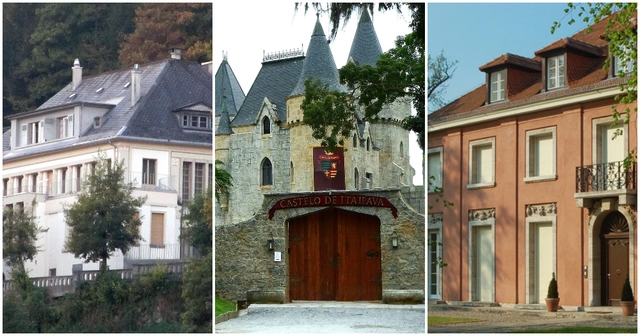
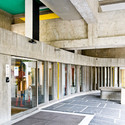
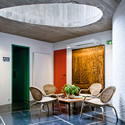
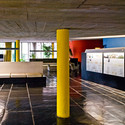
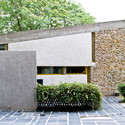
Created as a microcosm of Brazilian life and culture, Maison du Bresil is a significant example of Le Corbusier’s high-density residential design. Inaugurated in 1959, it is one of twenty-three international residences at the Cité Internationale Universitaire de Paris, located in the heart of Paris. As the “House of Brazil”, the building acts as both a residence hall for Brazilian academics, students, teachers, and artists, and as a hub for Brazilian culture, by providing exhibition spaces and archival resources. Notably, the building has provided residence to famous Brazilians, such as the renowned journalist Barroso Zózimo do Amaral.

AD Classics: Maison du Bresil / Le Corbusier - Institute, Facade, Column, Beam, DoorAD Classics: Maison du Bresil / Le Corbusier - Institute, Door, Facade, Chair, TableAD Classics: Maison du Bresil / Le Corbusier - Institute, ColumnAD Classics: Maison du Bresil / Le Corbusier - Institute, Garden, FacadeAD Classics: Maison du Bresil / Le Corbusier - More Images+ 3

In Niemeyer and Costa Masks, Architects Protest the City of Brasilia

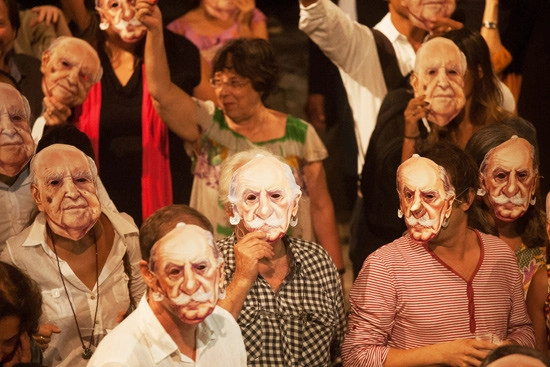
Wearing masks with the faces of Oscar Niemeyer and Lúcio Costa, architects and urban planners swarmed the 50th Annual IAB (Institute of Architects of Brazil) Awards in Rio de Janeiro this week. The architects were protesting a contract the city government of Brasilia struck with a Singaporean firm to create an urban masterplan outlining the next 50 years of Brasilia's future.

Venice Biennale 2012: StudioMK27 represents Brazil with "Peep"

Subscriber Access | 

Representing Brazil at the 2012 Venice Biennale will be StudioMK27 and Lúcio Costa‘s 1964 installation “Riposatevi”. The exhibit takes an intimate look at the lives of multi-generational households in modern Brazilian architecture. Curated by Lauro Cavalcanti, the Brazilian pavilion will investigate the intersections between traditional and contemporary artistic tendencies and will feature the movie installation, “Peep”, by Lea Van Steen and Marcio Kogan, with photography by Cleisson Vidal. The event will take place between August 29th and November 25th in the Giardini and Arsenale buildings in Venice.

More after the break.