September marks a shift in seasonality worldwide, bringing with it a renewed focus on cultural and architectural events that encourage reflection on contemporary global challenges. This week's major news highlighted international exhibitions and design initiatives addressing questions of resilience, urban transformation, and collective futures, alongside new projects dedicated to preserving both cultural and natural heritage. Across continents, biennales, urban developments, and restoration efforts are shaping a broader conversation on how architecture and design can foster adaptation, memory, and coexistence in rapidly changing environments.
Since its inauguration this spring, Expo 2025 Osaka has captured global attention from multiple perspectives, demonstrating how architecture can function as a laboratory for exploring solutions to pressing challenges. After 55 years, Osaka is once again hosting the World Expo, with each installation organized around the sub-themes Saving Lives, Empowering Lives, and Connecting Lives. These pavilions take forms that express the identity and values of their region through distinctive architectural languages, forming the central axis of their design. Building on this foundation, some installations serve as laboratories for the future society, utilizing technology to enhance experiences both inside and outside the spaces, transforming the visit through light, sound, visuals, and movement as part of the technological innovation showcased at the event.
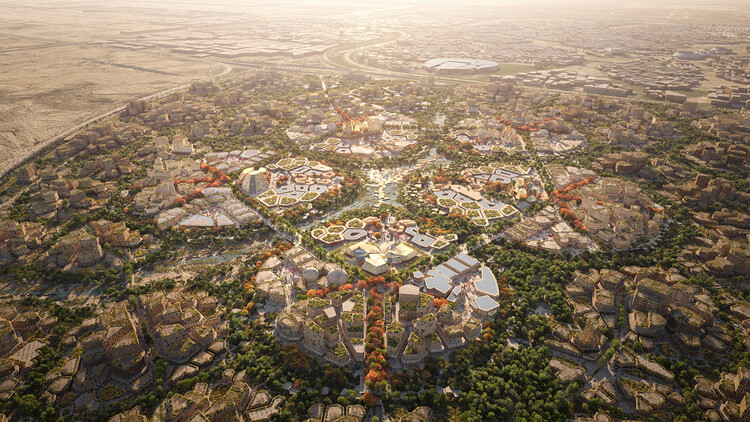
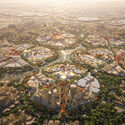
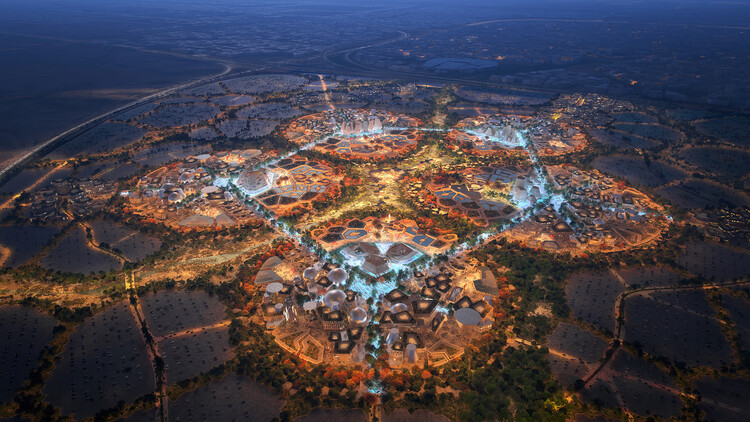
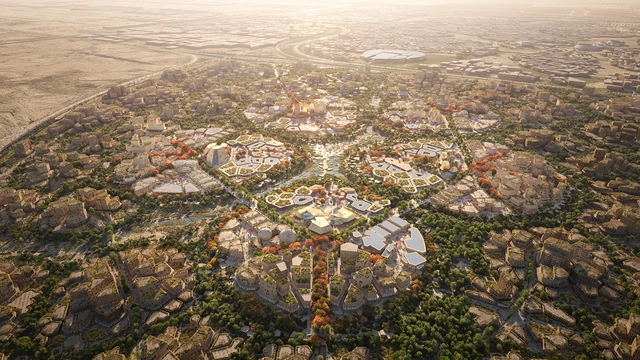
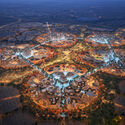
The Bureau International des Expositions (BIE) General Assembly in Paris has officially approved the Registration Dossier for Expo 2030 Riyadh, formally confirming Saudi Arabiaas the host of the upcoming World Expo. With this milestone, the next phase of preparations will begin, including the official invitation of participating countries through diplomatic channels. Coinciding with the approval, the initial masterplan for the Expo site designed by LAVA, the Laboratory for Visionary Architecture, has been unveiled. Scheduled to take place from October 1, 2030, to March 31, 2031, the event will be held on a site in Riyadh, designed to accommodate more than 40 million visits and host over 195 participating nations.
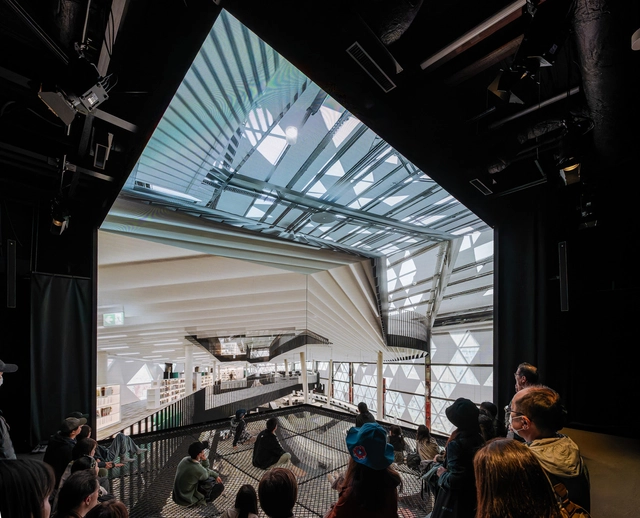
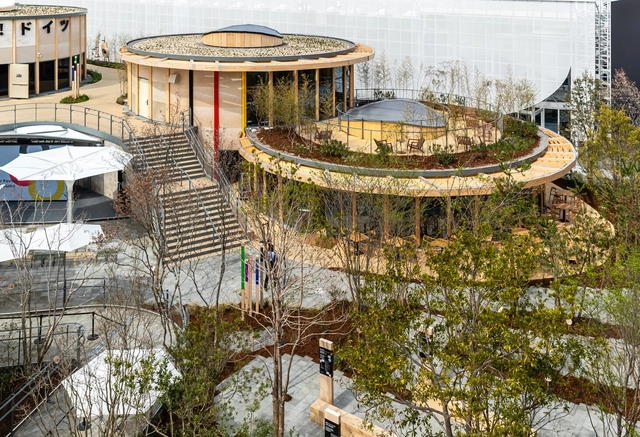
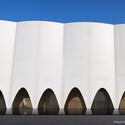
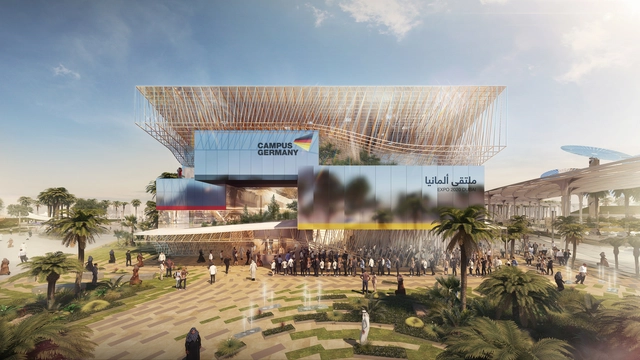
Officially open since April 13 as part of Expo 2025 Osaka, the German Pavilion, designed by LAVA Architects. brings to life the theme of the circular economy. Previously unveiled under the title "Wa! Doitsu" (translated as "Wow! Germany"), the Pavilion explores concepts around circularity, showcasing the "terminological culmination of the sustainability discussion." Focusing on returning all consumable goods to the cycle of the economy, achieving zero waste, and minimizing resource consumption, the theme is visible throughout the entire design.
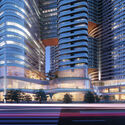
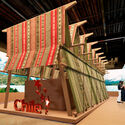
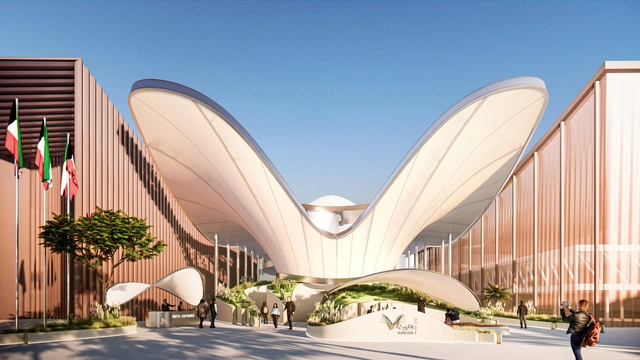
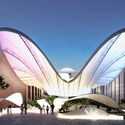
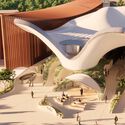
The State of Kuwait has revealed the design of the upcoming Kuwait Pavilion to take shape at World Expo 2025 in Osaka. Designed by architectural firm LAVA (Laboratory for Visionary Architecture), the temporary structure is envisioned as a “Visionary Lighthouse” representing Kuwait’s embrace of Arab cultures, arts, and social works. The pavilion, developed with main partner and contractor NUSSLI, also offers a response to the exhibition’s overarching theme, "Designing Future Society for our Lives", striving to strengthen the relationship between Kuwait and Japan and foster conversations about visions of a sustainable future.
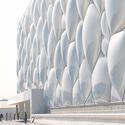
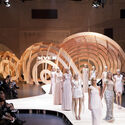
Chris Bosse started LAVA, Laboratory for Visionary Architecture, with his partners Tobias Wallisser and Alexander Rieck the year Watercube, the Aquatics Centre for the 2008 Beijing Summer Olympics was completed. Bosse was one of the leading designers of Watercube when he worked at PTW Architects in Sydney. Now LAVA employs about 100 people in four offices in Ho Chi Minh City,Sydney, Stuttgart, and Berlin. There are also two satellite offices in Honduras and Parma, Italy, led by former associates. Projects range from furniture to houses and hotels to master plans, urban centers, and airports in the Middle East, Central America, Europe, Australia, and Vietnam.
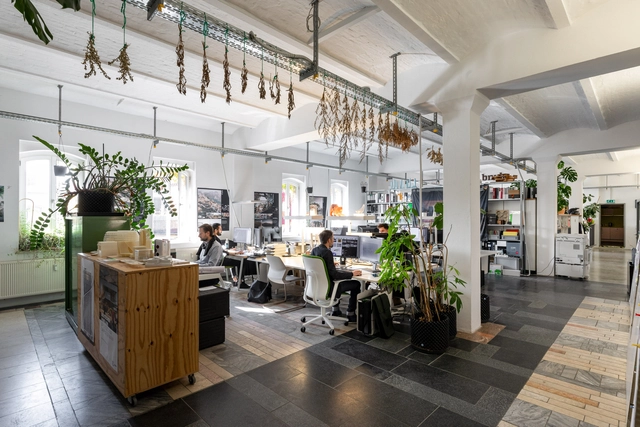
Documenting diverse architecture and design studios, Goodwin captured 13 different office spaces in Berlin, including Hesse, LAVA, JWA, Tchoban Voss, Richter Musikowski, Barkow Leibinger, FAR frohn&rojas, studio Karhard, Jasper, Kleihues + Kleihues, Graft, Bundschuh Architekten and Sauerbruch Hutton.
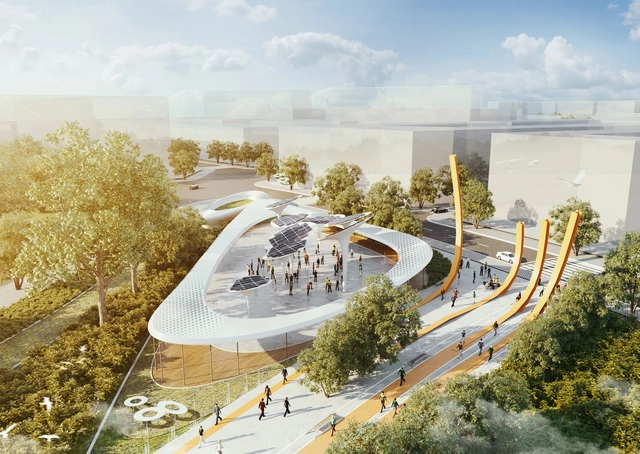
In partnership with ASPECT Studio, LAVA won the international competition to design Central Park in HCMC, Vietnam. Commissioned by the committee of the Ho Chi Minh City, the contest’s winning entry will be built in 2020. LAVA’s proposal for the 16 hectares Park, commemorates the old infrastructural value of the plot, once home to the 19th-century French railway tracks, and celebrates the implementation of a future mobility system.
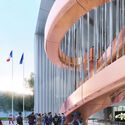
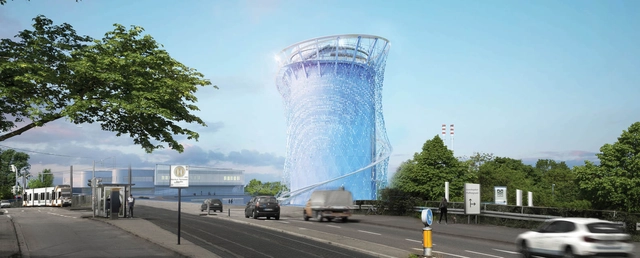
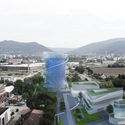
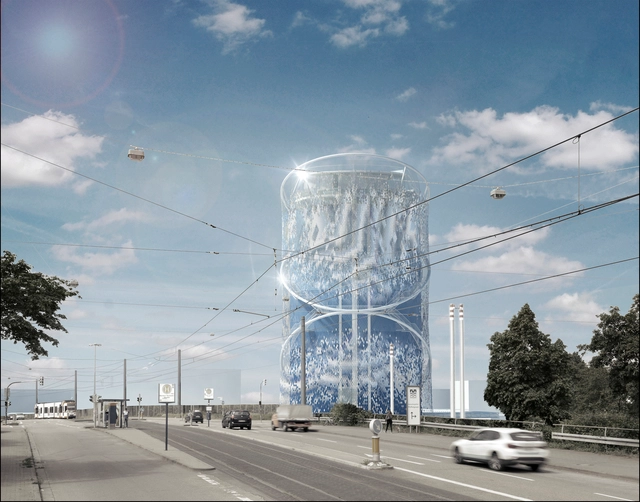
Construction has started on the redesign of an energy storage tower by LAVA (Laboratory for Visionary Architects) for Stadtwerke Heidelberg (SWH) in Heidelberg, Germany. The updated facade of the 56-meter cylindrical tower and design of an adjacent park are part of an initiative to create a sculptural landmark and symbol of sustainable energy for the city.
LAVA introduces a multi-layered facade that features 11,000 diamond shaped stainless-steel plates attached to a steel cable network that can rotate 45 degrees in the wind. According to the architects, a number of plates correlate to the number of households that will be beneficiaries of the energy. The geometries of the facade are inspired by forms found in nature.
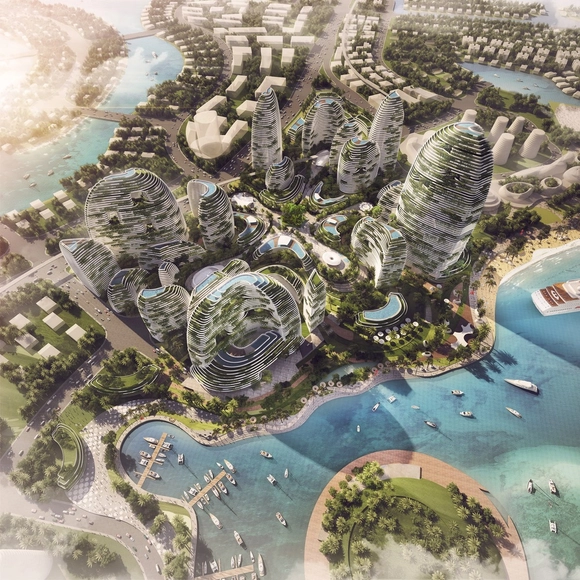
LAVA (Laboratory for Visionary Architecture) has revealed their runner-up proposal in an international competition to design Forest City, a new development located on reclaimed land just off the coast of Singapore in Malaysia.
Initiated by Chinese developer Country Garden, the competition sought urban design schemes that would improve the efficiency of the land use while enhancing the quality of space and environment through the landmark of a “forest city.” The competition was won by Sasaki Associates last year.
Australia’s creative team for the 2014 Venice Architecture Biennale, felix._Giles_Anderson+Goad, has announced 11 unrealized projects that will be showcased as part of the Augmented Australia 1914-2014 exhibition. Ranging from an inner-city cathedral to a treetop activist shelter, the country-wide selection of projects will be brought to life using three-dimensional augmented models, images, voice overs and animations.
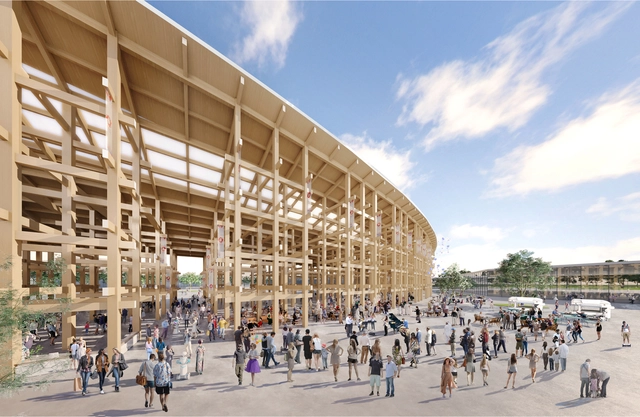
LAVA, the Laboratory for Visionary Architecture, and Designsport collaborated with local Ethiopian firm JDAW to win the international architecture competition for a national stadium and sports village, held by the Federal Sport Commission, Ethiopia. Now, football and athletics-loving Ethiopians will have a new FIFA and Olympic-standard 60,000 seat stadium in Addis Ababa thanks to a design that combines local identity with new technology. More images and architects’ description after the break.
The Federal Republic of Germany recently chose the Laboratory for Visionary Architecture (LAVA) as the designers for their bid to host the Secretariat of the Green Climate Fund in Bonn, Germany. With a design inspired by the beautiful setting in the Rhine valley, and with curvilinear forms, nature light wells, roof top gardens and a large sunken terrace for the restaurant, the three level structure will comply with the latest energy and building ecology standards, meeting the highest demands in terms of sustainability (German gold certificate), ecology and energy efficiency (net zero energy). More images and architects’ description after the break.
Designed as a learning space for the future, LAVA‘s design focuses on an environment that is sustainable, integrates with the landscape, connects with the school environment, and is suitable for prefabrication and mass customization. Relocatables are the decades old solution to changing demographics, remote community needs, and natural disasters. Unsightly, they are perceived as cheap and unpleasant spaces. This idea is upturned with spaces that are sustainable, practical, cost effective whilst making learning fun and exciting. More images and architects’ description after the break.
LAVA has shared with us their current window installation, Digital Origami a product of parametric modeling experiments and digital fabrication methods. Additional images of this sculptural work, a brief video and a description from LAVA after the break.
The future well being of cities around the globe depends on mankind’s ability to develop and integrate sustainable technology.
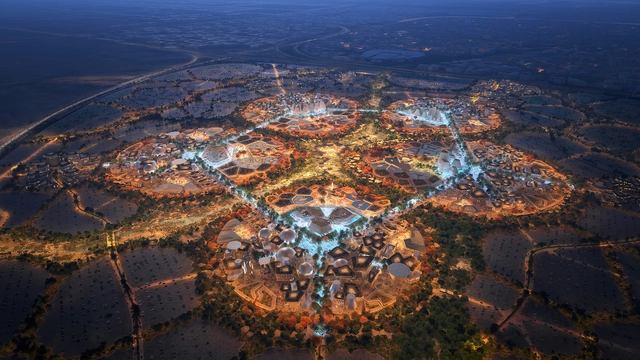
LAVA designed the Masdar City as the city of the future; positioned at the forefront of integrating sustainable technology into modern architectural design. Rome, Athens, Florence; most great historical cities have had the plaza, forum, or square at their epicentre – where the life, values, ideals, and vision of the population evolved. Equally, the centre of Masdar must be an iconic beacon that attracts global attention to sustainable technology.