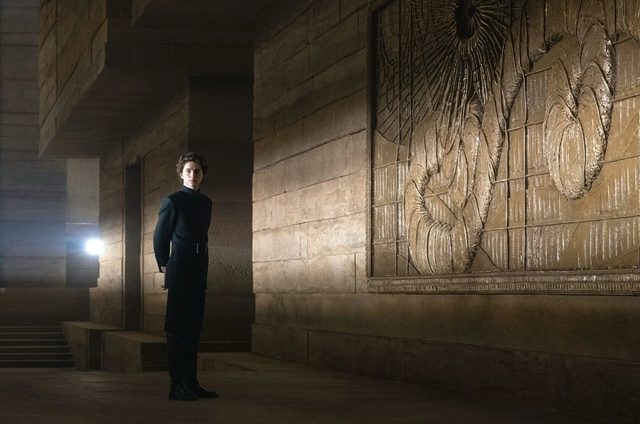
Imagine a world thousands of years into the future, one where humanity has conquered planets from galaxies away, only to default to a neofeudalistic social order in a constant power struggle, all built upon an intricate tapestry of cultures and religions and set in a harsh yet vivid landscape that becomes a character in and of itself. This was the challenge faced by director Denis Villeneuve and production designer Patrice Vermette in creating the cinematic adaptation of Frank Herbert's 1965 novel. The two Dune movies, released in 2021 and 2024, were conceived as a whole and therefore share a coherent style and cinematic expression. Beyond aesthetics, the environment and architecture of Dune present a lived-in, believable world, one that anchors the action and characters, silently offering invaluable insights into the values and mythology of each civilization.
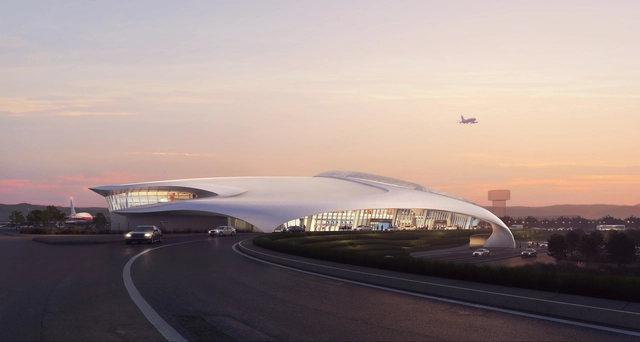
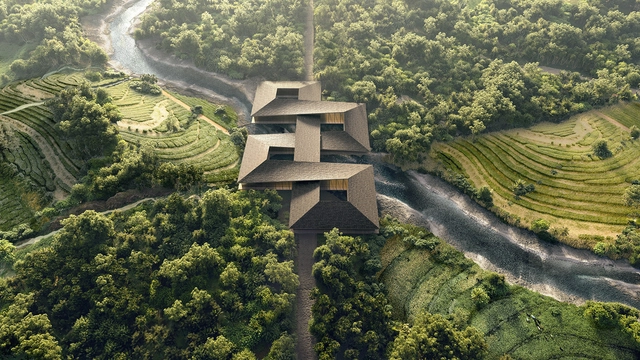
MAD Architects has just unveiled the design for LishuiAirport in China. Dubbed the "forest city,” Lishui is known for its green landscapes and valleys in the Southwest Zhejiang Province. Situated amidst hilly terrain, approximately 15 kilometers southwest of the city, the airport is envisioned as a domestic, regional transportation hub seeking to harmonize with the natural surroundings.
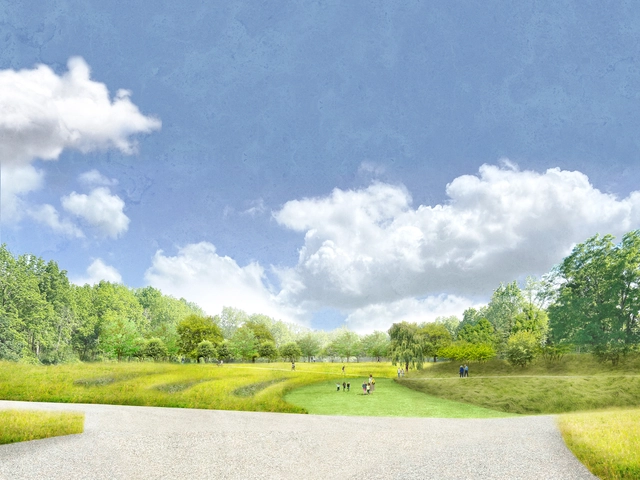
Rendering of Dia Beacon’s south landscape. Image Courtesy of Studio Zewde, 2024
Dia Art Foundation announced a major landscape project to reimagine the land at Dia Beacon, New York. Commissioned landscape architect Sara Zewde of Studio Zewde aims to go beyond the simple arrangement of attractive plants and integrate ideas of ecology, culture, and people into the design. Taking over the museum’s 32-acre campus, the project will create an expanded outdoor park, free to access for visitors and locals alike, complete with native meadows, sculptural landforms, and winding pathways. The project, which has been recently extended to also include the museum’s eight back acres, is expected to open to the public in 2025.
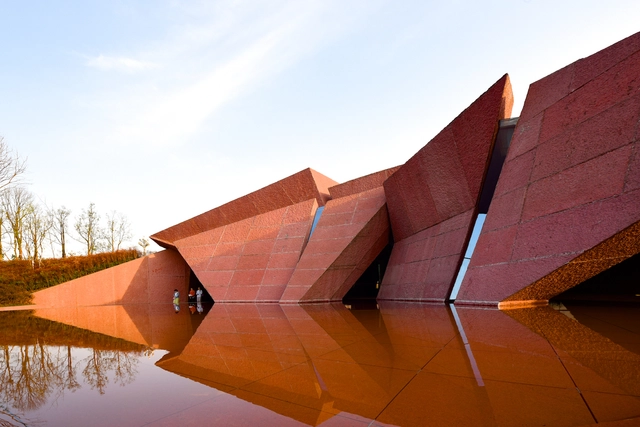
Luxe Lakes Arts Center, Chengdu, China. . Image Courtesy of Wide Horizons Development
Internationally recognized architect, writer, and professor Antoine Predock passed away in Albuquerque, New Mexico, on March 2, 2024, at the age of 87. Throughout his career, Predock developed a unique style, working outside of urban centers and seeking to find a connection between the landscapes and the human experience of space. In addition to serving as a long-term faculty member at the University of New Mexico, he is also the architect behind some well-known projects, including the Nelson Fine Arts Center, the Tang Teaching Museum and Art Gallery at Skidmore College, and the Canadian Museum for Human Rights in Winnipeg, Manitoba.
Videos
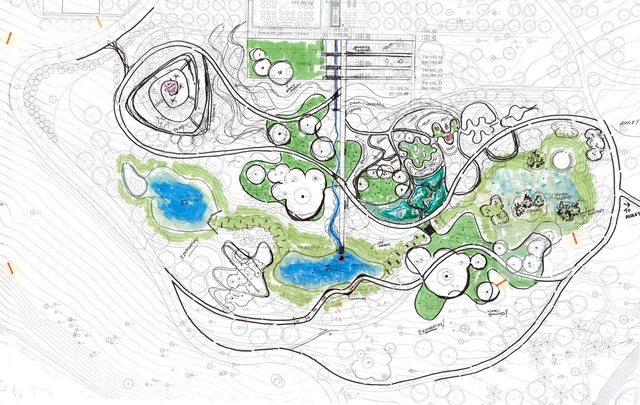
Sketch of Bonnet Springs Park / Sasaki. Image Courtesy of Sasaki
“Landscape architects have started conversations about embodied carbon. There is a realization that we can no longer ignore the grey parts,” said Stephanie Carlisle, Senior Researcher, Carbon Leadership Forum and the University of Washington, during the first in a series of webinars organized by the ASLA Biodiversity and Climate Action Committee.
The grey parts are concrete, steel, and other manufactured products in projects. And the conversations happening are laying the foundation for a shift away from using these materials. The landscape architect climate leaders driving these conversations are offering practical ways to decarbonize projects and specify low-carbon materials.
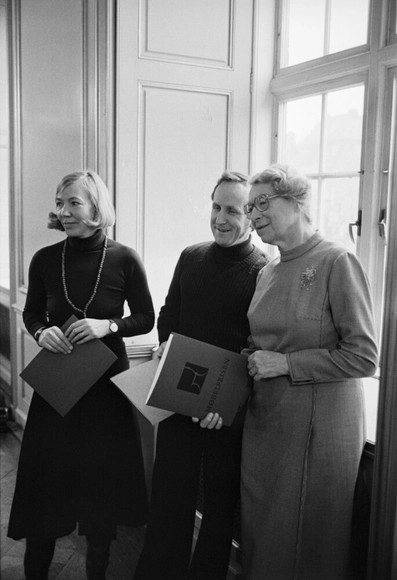
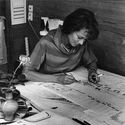
During the period 1925–1975, Danish society underwent significant changes. As a result, the architects were called upon to help shape the daily lives of the citizens in modern Denmark. The role of women was also changing, following the 1915 constitutional amendment that gave women the right to vote. In the following years, the first generations of women completed their educations within the design disciplines. During 1925-1975, women have had an important, if other overlooked impact, shaping the everyday environment by designing and reimagining kitchens, public buildings, housing, landscapes, and urban areas, among other things.
The Women in Danish Architecture project aims to offer a more complete understanding of Danish architecture history and to present it in a more engaging and inclusive way. The aim is to contribute to an understanding of architectural history as not created by great individuals but through mutual and creative collaborations. The project is anchored in the Section for Landscape Architecture and Planning at the Department of Geosciences and Natural Resource Management, University of Copenhagen.
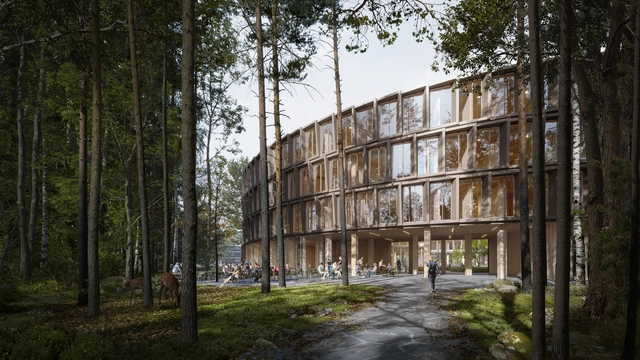
Henning Larsen and Ramboll have won the competition to design the new campus for the prestigious scientific research center,CERN. Designed to integrate science and nature, the B777 building uses biogenic materials and low-carbon methods to reimagine traditional laboratory settings. Situated on the border of France and Switzerland, in CERN’s Prévessin Campus, the scheme aims to foster a sense of community, collaboration, and well-being.
After two weeks of open voting in the 15th edition of the Building of the Year Awards, our readers have meticulously narrowed down a pool of over 4,000 projects to a select group of 75 finalists spanning 15 categories. This year's awards enthusiastically honor the pinnacle of design, innovation, and sustainability on a global scale, showcasing an exceptional range of projects within the shortlist. As a crowdsourced award, we take pride in affirming that your selections authentically mirror the current state of architecture, and the caliber of this year's finalists further underscores the excellence and diversity prevalent in the field.
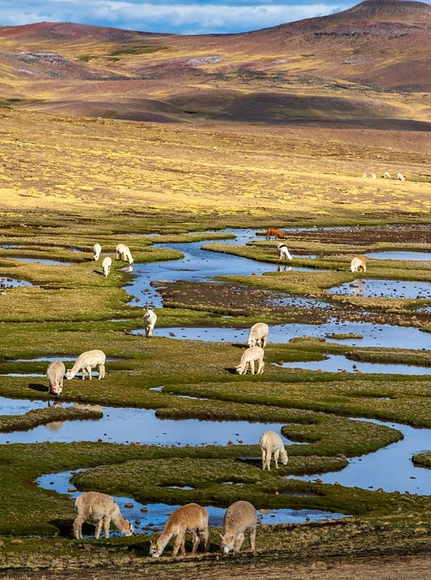
In the highlands of the Central Andes, one finds the "bofedales." Known by some as 'high Andean wetlands,' bofedales are ecosystems and landscapes crucial for water regulation and storage in the Andes. Moreover, they are natural infrastructures that constitute a material and immaterial heritage to address contemporary climate crises and to sustain local Andean communities, which have nurtured them for generations.
https://www.archdaily.com/1012952/bofedales-natural-infrastructures-and-andean-landscapesDiego Vivas
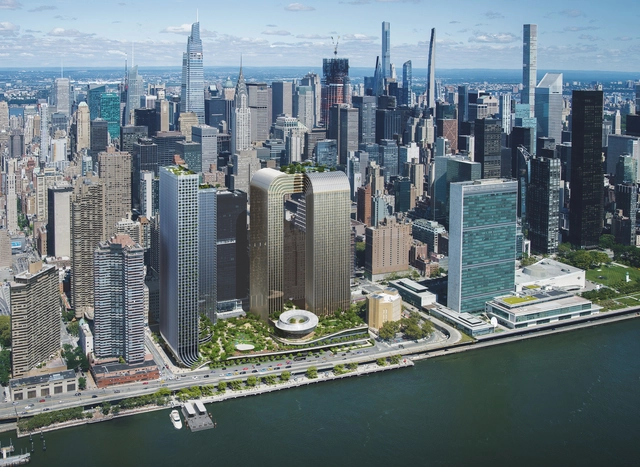
Located along Manhattan’s East River waterfront, the Freedom Plaza sets out to create a new civic and cultural hub, introducing a new open and green space in the crowded area, with plans to add an in-park Museum of Freedom and Democracy. Additionally, the scheme designed by BIG-Bjarke Ingels Group includes affordable housing units, two hotels, retail, and restaurants. Developed by Soloviev Group and Mohegan, the Freedom Plaza development reimagines one of the largest undeveloped plots in Manhattan, measuring 6.7 acres located south of the United Nations headquarters in the Midtown East neighborhood.
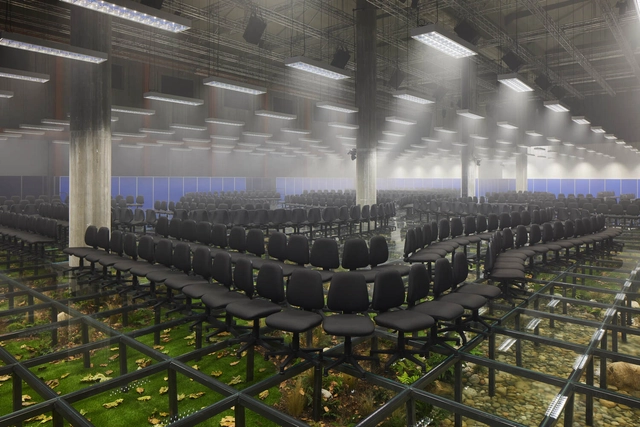
For the Fall/Winter Prada 2024 menswear show, AMO has designed a space that draws inspiration from two contrasting elements of modern life: office interiors and the natural landscape. Transforming yet again the space of the Deposito Hall at Foundation Prada in Milano, the designers have chosen to create a contrasting image of seemingly opposite elements: rows of office chairs illuminated by the white glow of LED lights, standing over a pastoral landscape with meandering creaks and ample foliage. The design aims to highlight this separation between natural instincts and the typical environment of modern life.
A 2020 Rio de Janeiro Botanical Garden study revealed that over 46,000 native species have been cataloged in Brazilian territory. Nearly half of them are endemic, meaning they occur exclusively in Brazil and nowhere else in the world in a natural way. This staggering number reflects the diversity of the flora found in the country.
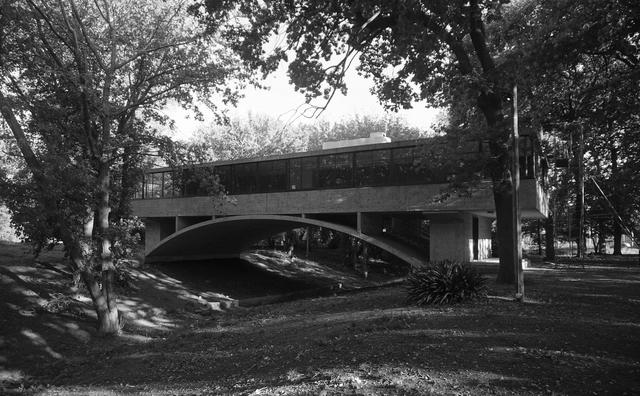
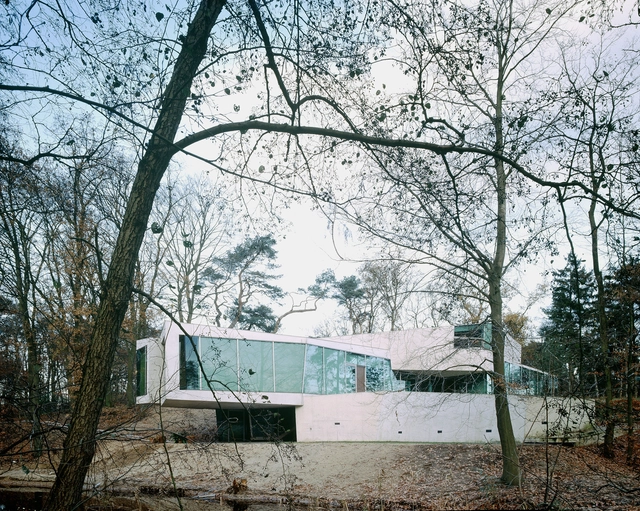
In 1993 a young professional couple from Amsterdam set out to build a private house unlike any other. They wanted to create something that “would be recognized as a reference in terms of renewal of the architectural language.” They reached out to several architects, including Rem Koolhaas, but finally decided to entrust the commission to Dutch architect Ben van Berkel after he studied the site and came up with a vision for the project, relating it to the couple’s lifestyle.
Located in Het Gooi, its design took over 5 years, going through several iterations, but always coming back to its core inspiration: the Möbius loop. The shape, defined as a single-sided surface with no boundaries, was the key to a new architectural language that aimed to weave together all the individual activities of each family member, allowing the functional program to be integrated within the dynamic structure. By 1998, when the house was completed, it became widely published and internationally recognized. It also became a sort of manifesto for its architect, as it uses an organizational principle to inform the final image.
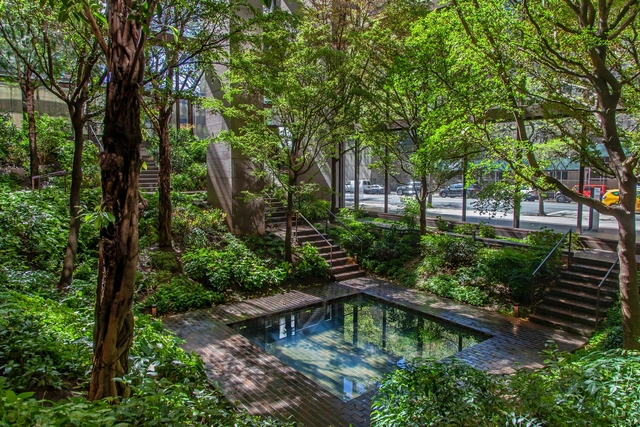
As a landscape architect, Dan Kiley has significantly contributed to the world of design. The designer worked with influential architects such as Louis Kahn, I.M. Pei, and Eero Saarinen. Influenced by the timeless landscapes of André Le Nôtre, most of his designs are well-known for their manner of merging grids and allées, striking a balance between natural and organized beauty.
Opening January 18th, “The Landscape Architecture Legacy of Dan Kiley” exhibition is a traveling photographic exhibition honoring one of the most critical Modernist landscape architects. Curated by The Cultural Landscape Foundation, the display aims to explore and spread awareness of the architect’s profound impact. Showcased at The Exhibition Space @ ABC Stone in Brooklyn, the show offers a captivating journey through 27 carefully chosen designs by Dan Kiley.
Courtesy of Danish Landscape Award | H.C. Andersen Garden
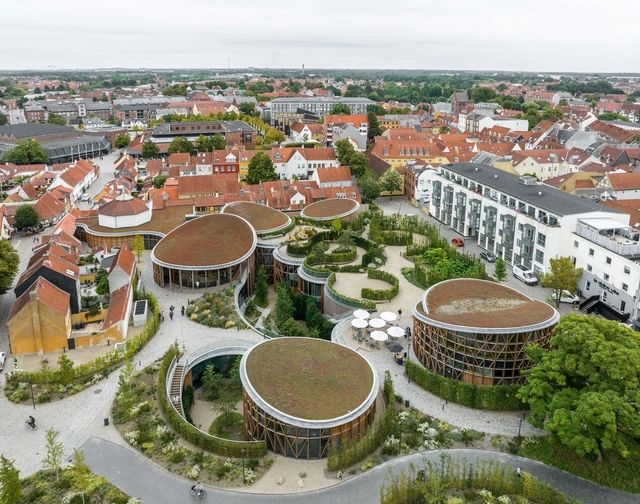
The Danish Landscape Award 2023 has been awarded to the H.C. Andersen Garden, designed by MASU Planning. The award focuses on honoring landscape architectural works with character, serving as “inspiration” for the industry. Situated in Odense in Denmark, this year’s winner was praised for reviving urban renewal in the city center by creating an escape that blends with the existing context.
BIG has just unveiled “Gelephu,” an envisioned master plan that draws from Bhutanese culture, Gross National Happiness principles, and spiritual heritage. During the 116th National Day of Bhutan, His Majesty King Jigme Khesar Namgyel Wangchuck introduced the plans for the prospective economic center in the country. Designed in collaboration with Arup and Cistri, the master plan is adhering to the sustainable standards of the world’s first official carbon-negative country, Bhutan.
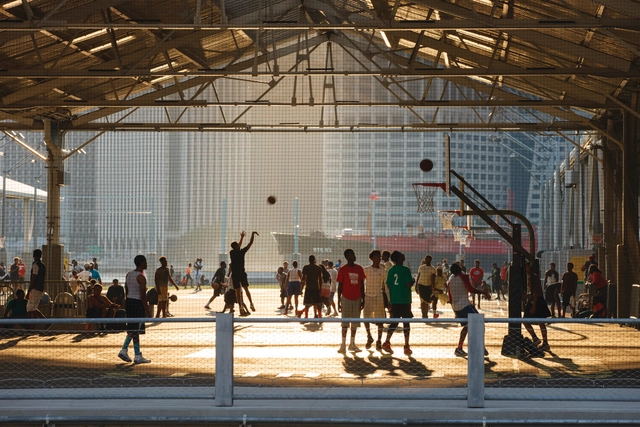
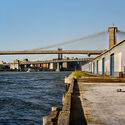
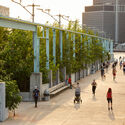
Beautiful sites with stunning views along the waterfront of major cities often go unused due to the industrial remains of a past economy based on shipping and manufacturing. The move away from these economic sectors and the potential of these sites has contributed to a move to adapt these spaces into public amenities. While some cities' approach has been to demolish and start from scratch completely, the thirteen-year transformation of the Brooklyn Bridge Park in New York City's waterfront included keeping some of its industrial character. In their upcoming book "Brooklyn Bridge Park," Michael Van Valkenburgh Associates discuss their design process, including using the existing materiality and structures along the piers to embed the site's history in the park.