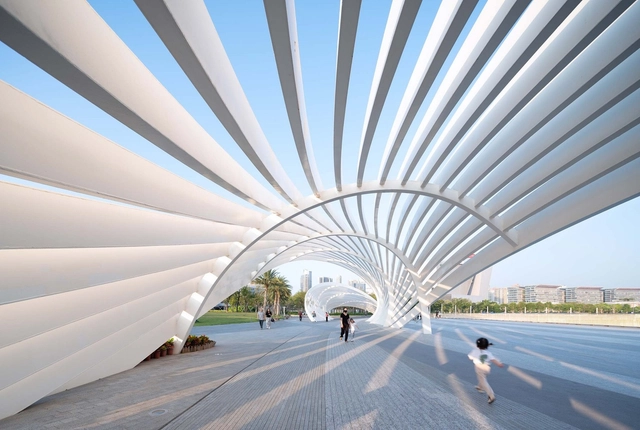
MVRDV has won a competition to design a mixed-use residential and commercial complex on the edge of Jiangbei New Area’s Financial District in Nanjing, China. Dubbed "Oasis Towers", the two 150-metre-tall towers are surrounded by lush landscapes, and will provide residents a green haven within a dense and rapidly developing part of the city.
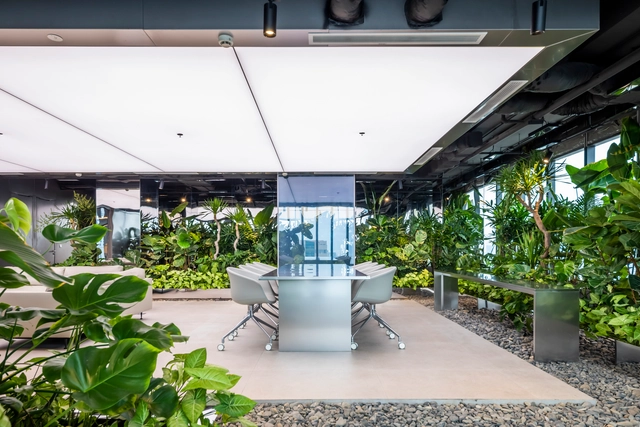
Biophilic design is capable of improving the well-being of those who use a space through reconnection with nature. When this practice is implemented in offices and workshops, this property translates into many benefits. After all, in addition to the emotional qualities that vegetation can bring, it has the ability to filter noise, lighting and allow for a milder climate, with results in team productivity and more optimized services.
Description via Amazon. Designed for the layman as well as the professional, this concise yet comprehensive guide provides both practical information and theoretical insights into the design of the Japanese garden.
Finnish architect Juhani Pallasmaa once said that "architecture is essentially an extension of nature into the man-made realm, providing the ground for perception and the horizon of experiencing and understanding the world."
In the constant hustle and bustle of the modern surroundings, it is more than needed to take a step back and listen to the sounds of something as calmly powerful as nature. Moreover, listening to the beautiful harmonies created by birds chirping and sound waves can make our inner voice louder as well.
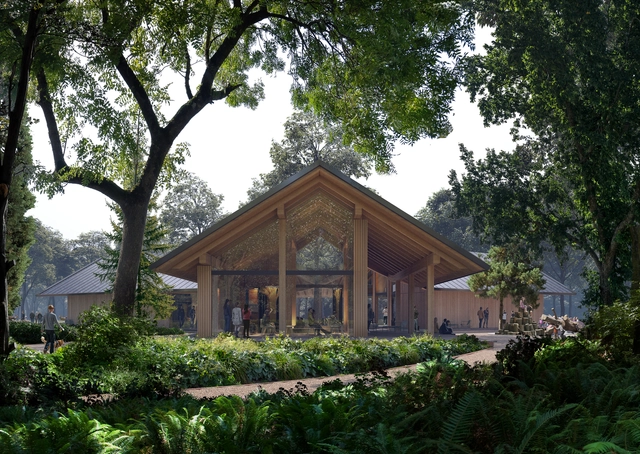
Powerhouse Company, in collaboration with landscape architecture office DELVA, has unveiled the design for a new visitor center for the Koekamp, which will play an essential role as a gateway to the new Hollandse Duinen national park. This intervention will open part of Koekamp, a green expanse near The Hague’s Central Station, to the public. The visitor center, commissioned by the Dutch forestry commission, is expected to be completed in 2024.
In parallel with the restoration works underway at the Notre Dame de Paris cathedral, the city of Paris has launched a design competition to redevelop the cathedral’s surroundings. On June 27, the jury announced the team led by landscape designer Bas Smets as the winner of the competition. The project, planned to start in 2024, will reimagine the square and the underground parking spaces beneath it, including the archeological crypt, the Jean XXIII square located behind the cathedral, the Seine riverbanks, and the adjacent streets. This extensive project aims to bring Parisians back to the heart of Paris and welcome the 12 million visitors coming each year in better conditions.
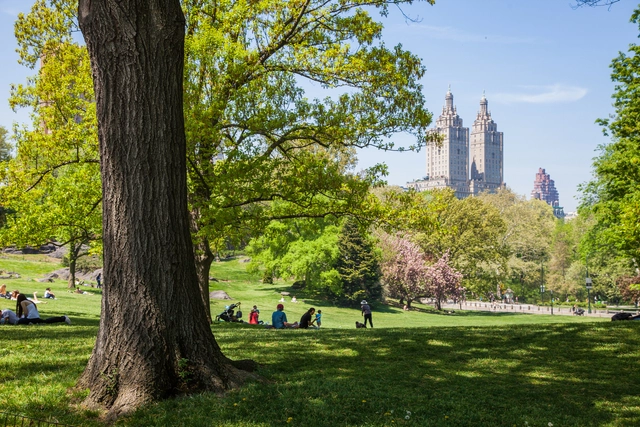
Central Park, New York, NY, 2015. Photo by Barrett Doherty. Image Courtesy of The Cultural Landscape Foundation
Celebrating the bicentennial of the birth of Frederick Law Olmsted, Sr., known as "the father of landscape architecture", the Cultural Landscape Foundation has created an ever-growing digital guide of Olmsted’s most notable works. The illustrated guide features more than 300 landscapes throughout North America, including Canada and 30 U.S. States, along with stories by practitioners who worked for, with, or were otherwise associated with Olmsted, Sr. and his successor firms.
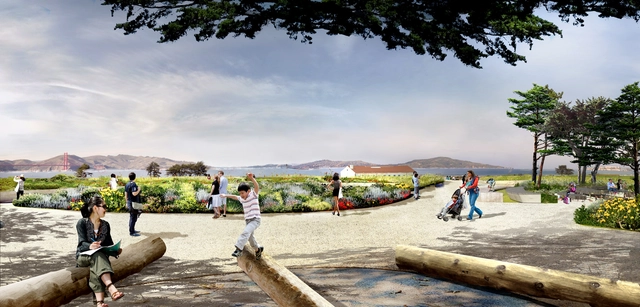
Presidio Tunnel Tops is San Francisco’s upcoming national park destination, set to welcome visitors starting July 17th. The project reconnects the park formerly split in two by the Doyle Drive by creating new landscaped land over the highway now moved underground. Designed by James Corner Field Operations, the firm behind New York’s High Line, the project brings 5.6 hectares (14 acres) of new parkland to the Bay Area, featuring trails, picnic areas, and scenic views over the city as well as a nature play area for kids.
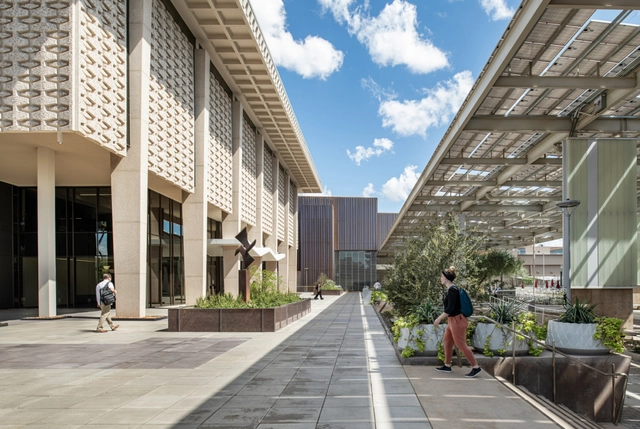
Hayden Library. Image Courtesy of Ayers Saint Gross
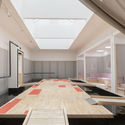
Architecture and planning centers on human experience and bringing people together. Few firms have structured their office around these ideas like Ayers Saint Gross. Founded in 1912, the firm has over a century of experience, including a majority of their work in support of colleges, universities, and cultural facilities. Today, the 185-person firm has offices around the country, including in Baltimore, Washington, D.C., and Tempe, AZ.
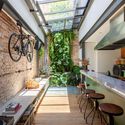
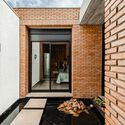
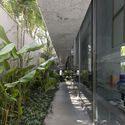
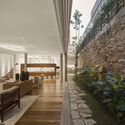
The side setbacks configure the distance that must be between the building and the side boundary of the land. Master plans, building codes or zoning laws determine the minimum clearance that must be observed to ensure that the building takes advantage of better aeration, sunlight and permeability. Although this feature brings several qualities to the built environment, many people do not know how to take advantage of the space given by the setback and, often, it becomes just a passageway.
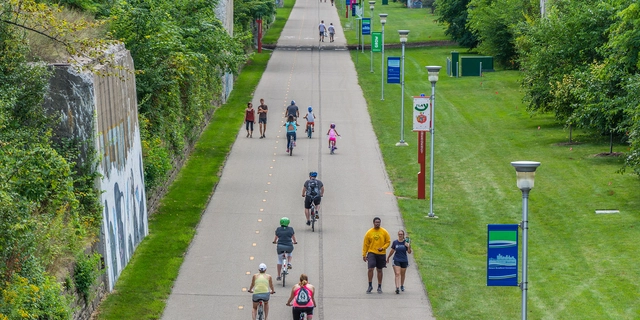
Dequindre Cut, Detroit / The High Line Network, SmithGroup. Image Courtesy of The Dirt
Decades of redlining and urban renewal, rooted in racist planning and design policies, created the conditions for gentrification to occur in American cities. But the primary concern with gentrification today is displacement, which primarily impacts marginalized communities shaped by a history of being denied access to mortgages. At the ASLA 2021 Conference on Landscape Architecture in Nashville, Matthew Williams, ASLA, with the City of Detroit’s planning department, said in his city there are concerns that new green spaces will increase the market value of homes and “price out marginalized communities.” But investment in green space doesn’t necessarily need to lead to displacement. If these projects are led by marginalized communities, they can be embraced.
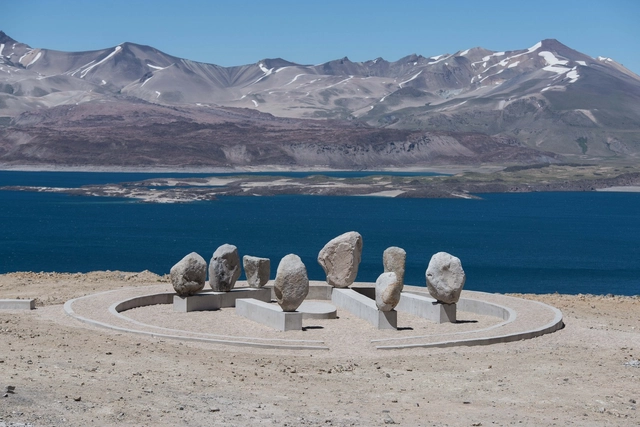
A project for the Commemorative Landmark Pehuenche Commission carried out by the recently graduated Chilean architect Antonia Ossa, is part of the series of small-scale interventions built in the Andean sector of the Maule Region, Chile, as part of the certification process of the School of Architecture of the University of Talca.
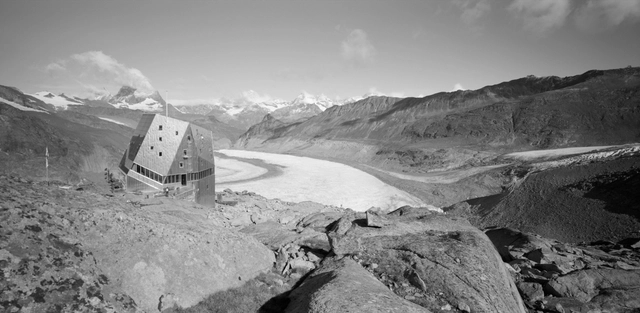
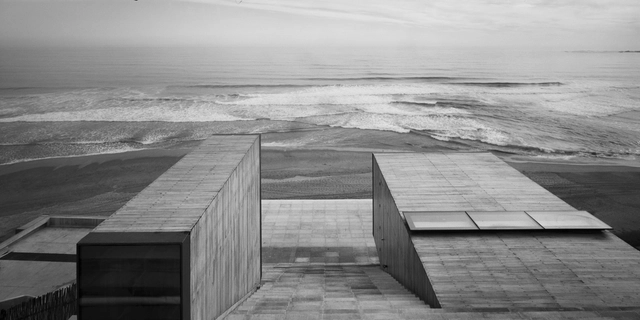
If “nature” and “architecture” are commonly conceived as opposing entities, representative of human encroachment on the primordially physical image of the world, under which conditions do these two fundamental factors form a strong liaison and which is the ensuing by product? Can this often ignored bond between culture and nature be unearthed and put to light by the use of photography?
The degree to which a building engages with the culture or the landscape of a place is primarily controlled by the design intent i.e. the architectural concept and the success of its implementation. Photography reveals relations but it does not build them in the first place. Even in the extreme case where a structure is consciously designed to differentiate and separate itself from any sort of environment, cultural or natural, it is still inevitably situated into a context and perceived as part of it.
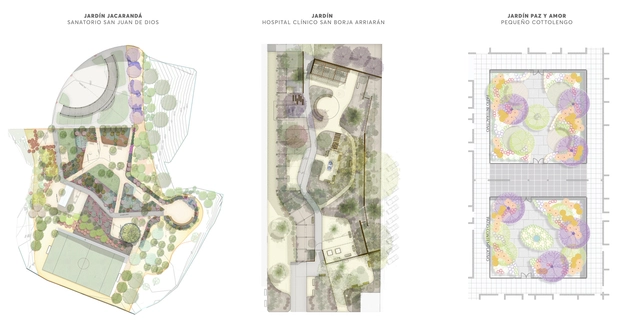
For the Cosmos Foundation, environmental conscience, ecological conservation, and community focus form the foundations of land planning and landscape design within public infrastructure projects. We sat down with the foundation's project director, Felipe Correa, as well as foundation architects Valentina Schmidt and Consuelo Roldán, as they went in depth on the benefits, objectives, and motivations behind the Healing Gardens initiative.
Between rising water levels and global migration to cities, architects and designers need to critically reimagine the relationship between coastal landscapes and public space. Cities are facing entirely new risks and environmental conditions. Resiliency, infrastructure, and ecology are increasingly common terms, reflecting the growing demand to address the spatial and formal challenges faced by cities worldwide. Rethinking boundaries and edges, designers have unique opportunities to help shape public understanding of these conditions through waterfront parks.
In its new exhibition Peter Cook: City Landscapes, Louisiana Museum of Modern Art showcases drawings by the influential architect, best known for his architectural theories and visionary concepts. Curated by Kjeld Kjeldsen and Mette Marie Kallehauge, the event is part of the exhibition series Louisiana on Paper, which presented the work of various artists over the years and is now debuting its first show featuring drawings by an architect.
















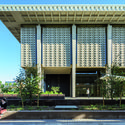

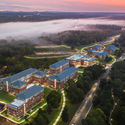
.jpg?1647353416 "Semans-Griswold Environmental Hall. Image Courtesy of Ayers Saint Gross")