In a world facing ecological exhaustion and spatial saturation, the act of building has come to represent both creation and consumption. For decades, architectural progress was measured by the new: new materials, new technologies, new monuments of ambition. Yet today, the discipline is increasingly shaped by another form of intelligence, one that values what already exists. Architects are learning that doing less can mean designing more, and this shift marks the emergence of what might be called an architecture of restraint: a practice defined by care, maintenance, and the deliberate choice not to build.
The principle recognizes that the most sustainable building is often the one that already stands, and that transformation can occur through preservation, repair, or even absence. Choosing not to build becomes a political and creative act, a response to the material limits of the planet and to the ethical limits of endless growth. That Architecture moves beyond the production of new forms to embrace continuity, extending the life of structures, materials, and memories that already inhabit the world.
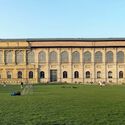
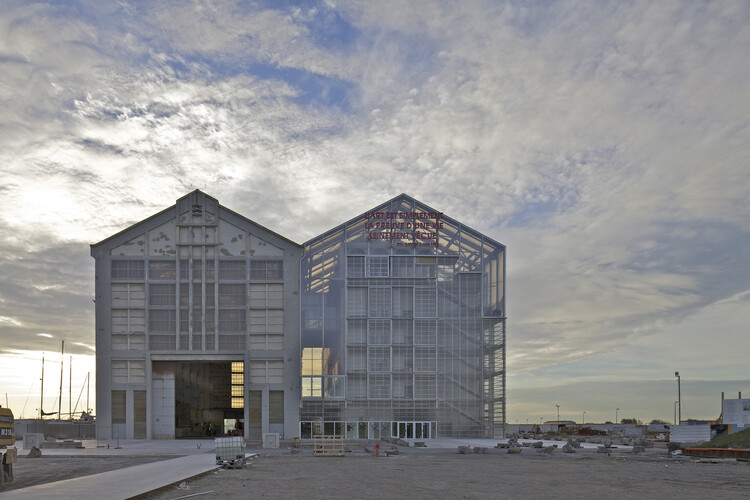
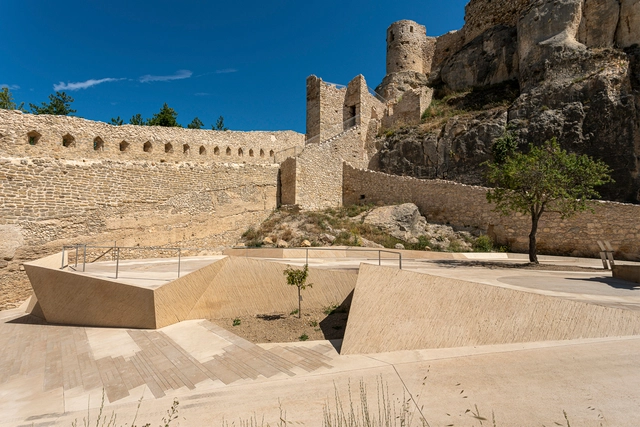
On the occasion of the sixth edition of the AHI European Heritage Intervention Award, the 26 selected projects within the categories of Built Heritage and Outdoor Spaces have been announced, among a total of 241 projects submitted from 28 different European countries.
While the city of Berlin has a long history, dating back to the 13th century, its architecture and urban fabric has undergone the most significant changes during the last century, reflecting the impact of major historical events that took place in the German capital. During the early 20th century, Berlin transformed into a modern metropolis, marked through the construction of grand buildings and imposing structures to demonstrate the city’s growing economic and political power. The 1920s and 1930s saw the emergence of the Modernist movement, which, together with the Bauhaus school of architecture founded in 1919, influenced the image and urban fabric of Berlin.
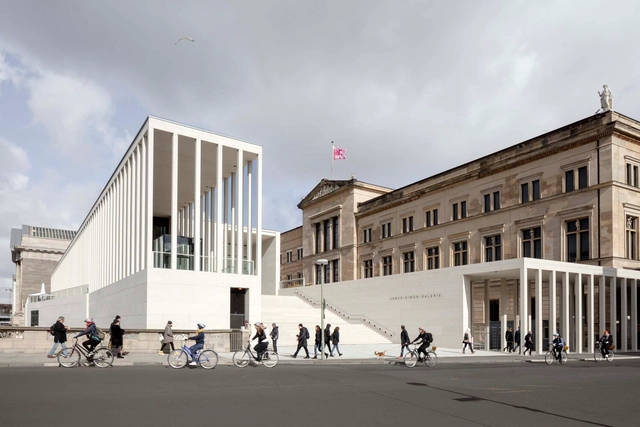
During the Second World War the city was heavily bombed, resulting in the destruction of many historical buildings. During the post-war period, reconstruction efforts focused on rebuilding infrastructure and housing, while the city remained divided until 1989, with the fall of the Berlin wall. After this period, Berlin witnessed a renewed interest in architecture and urban design. Interventions such as David Chipperfield’s Neues Museum aimed to rebuild historical monuments without erasing the markings of their difficult past. Other projects such as the renovation of the Reichstag had a different purpose. Norman Foster’s intervention intended to keep the image of this building but change its symbolism from a structure representative for the Nazi regime to one embracing the ideals of democracy and equality.
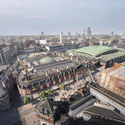
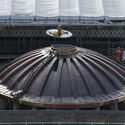
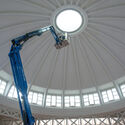
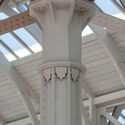
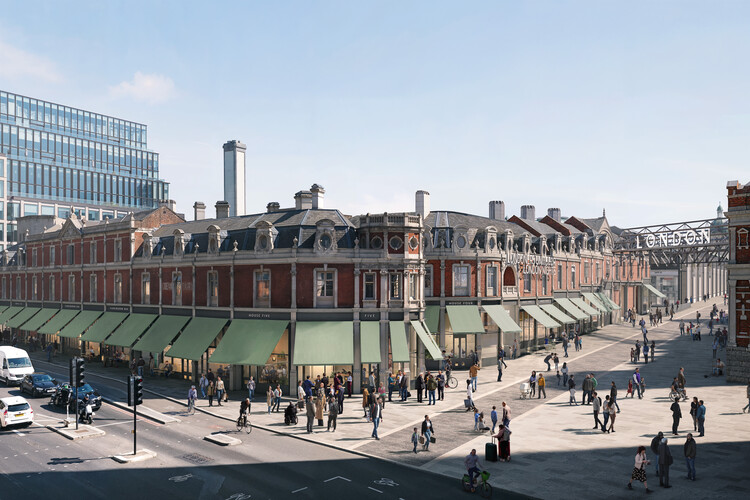
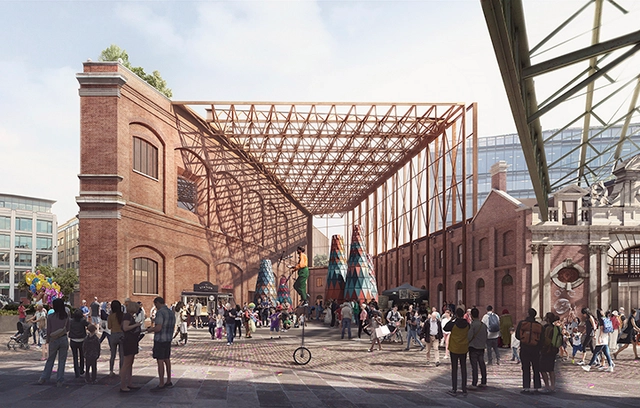
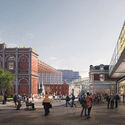
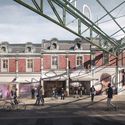
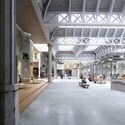
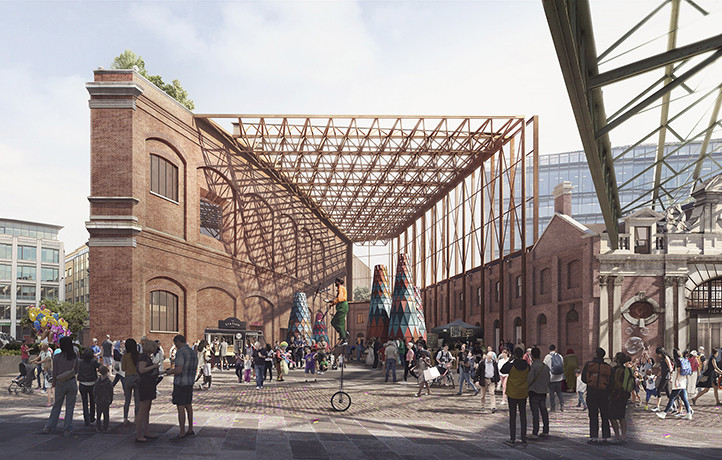
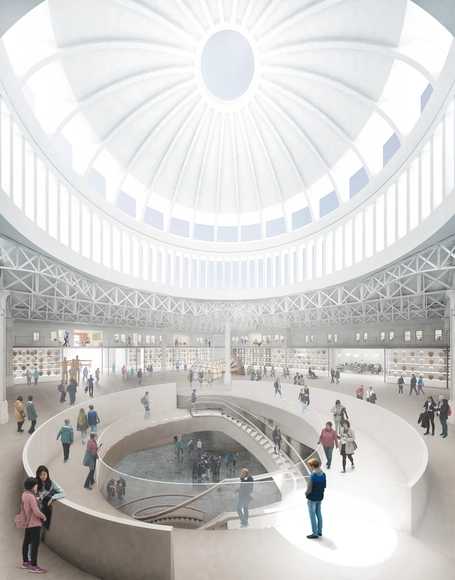
The City of London Corporation’s Planning and Transportation Committee has approved plans for the Museum of London's new home at West Smithfield. Designed by Stanton Williams and Asif Khan with conservation architect Julian Harrap, the project is one of the largest cultural projects happening in Europe. The proposal aims to transform the existing campus into a 24-hour cultural destination that celebrates its historic structures.
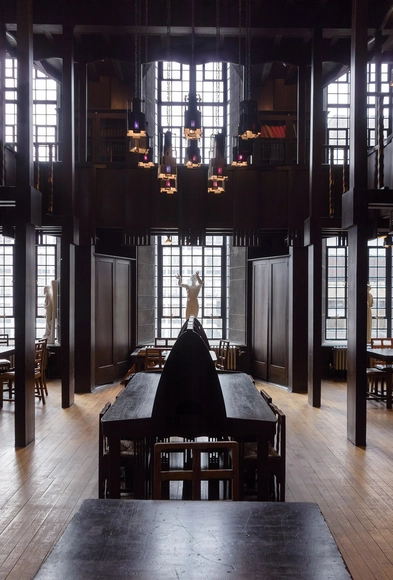
Following the unfortunate series of events that saw the Glasgow School of Art's (GSA) iconic Mackintosh Library devastated in a fire in May of last year, a leading Scottish architect has stated that he is "seriously against the idea of remaking the library" as a replica of Charles Rennie Mackintosh's original acclaimed design. Talking to the Scottish Herald, Professor Alan Dunlop has stated that "there is actually no way you can replace it as it was [as] there was 100 years of age and patina that you would have to replicate." Furthermore, he believes that it would not be something that "Mackintosh would do," citing the expansion of "his work in the years between each part of the Mackintosh Building being built [in 1899 and 1909]" as justification. It is his feeling that "the former library had essentially become a museum [and] not a viable working room for students and staff."