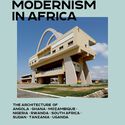
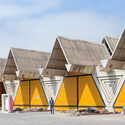
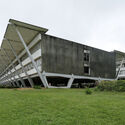
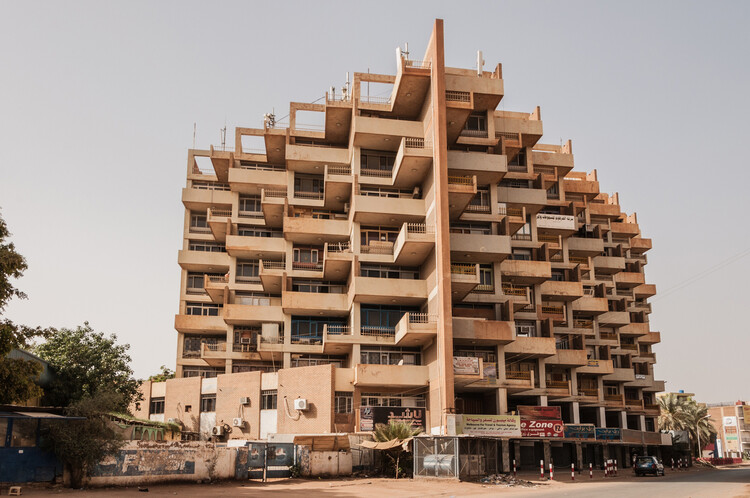
Launched in September 2024, the Rediscovering Modernism in Africa series joined a growing worldwide interest in this topic. Previously underrepresented in architectural discussions, the work of architects and researchers on the continent and abroad has continued to tell the story of these high-quality modern works of architecture. These buildings represent designers striving to create locally suited architecture using global concepts and technologies, coinciding with huge political changes as most African countries gained their independence.
The mid-twentieth century marked a transformative period for Africa as 29 countries achieved independence between 1956 and 1964, signaling the dawn of the nation-state across the continent. This era resonated with a spirit of liberation and progress, paralleling the global movements of that time, such as the establishment of international organizations like the United Nations (1945) and the Organization of African Unity (1963). Within this context, Modernist architecture emerged as a powerful symbol of national identity, ambition, and the collective aspiration for a brighter future. As newly independent nations sought to define themselves apart from their colonial pasts, the adoption of Modern Movement principles facilitated the construction of key infrastructures, such as convention centers, parliament buildings, and hotels, as well as the development of architectural education, as native-trained architects begun to either replace or cooperate with foreign-born professionals.
This article inaugurates a new series titled Rediscovering Modernism in Africa, aiming to explore the architectural legacy of the Modern Movement in Africa, highlighting its role in nation-building and the evolution of architectural education, while shedding light on the architects and movements that shaped this transformative era.
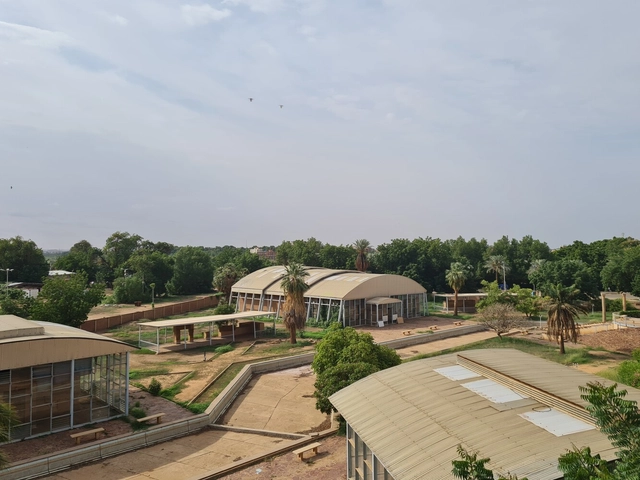
Two museums in Africa built in the mid-twentieth century carry the name 'National Museum.' They reflect the story of their respective nation's history and are tied to notions of national identity. Both are also examples of fine architecture built on the principles of Modernism, a movement associated with nation-building in Africa. However, their inception and purpose followed very different paths. This article explores the under-reported architecture of the National Museum of Ghana in Accra and the Sudan National Museum in Khartoum.
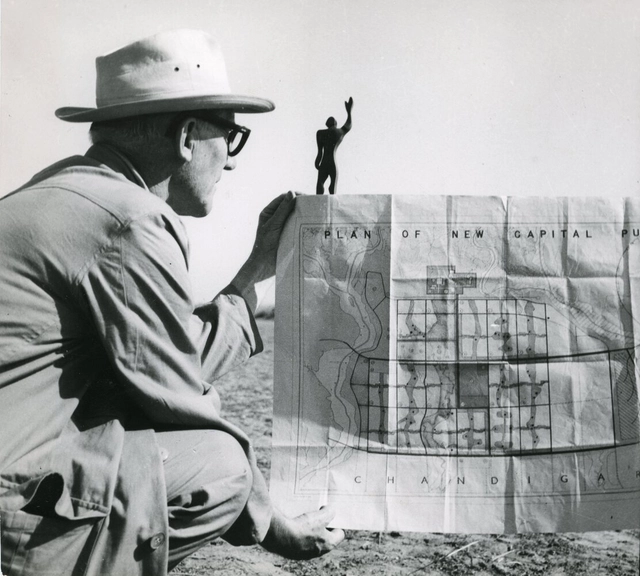
Courtesy of FDL, ADAGP 2014 | Le Corbusier in Chandigarh with the plan of the city and a model of the Modular Man, his universal system of proportion, 1951
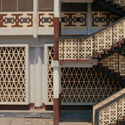
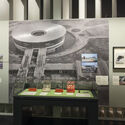
The Victoria & Albert Museum is set to present an expansive exhibition focused on Tropical Modernism, an architectural movement that emerged in the late 1940s. British architects Jane Drew and Maxwell Fry were instrumental in developing this approach, combining modernism’s functional goals with local climate adaptations in warm and humid weather. This movement, which embodies Britain's unique contribution to international modernism, evolved against a backdrop of anti-colonial resistance, blending colonial architectural principles with local needs.
At the beginning of 2022, curator Lesley Lokko announced the title of the 18th International Architecture Exhibition – La Biennale di Venezia: “The Laboratory of the Future.” The theme’s intention is to highlight the African continent as the protagonist of the future, a place “where all these questions of equity, race, hope, and fear converge and coalesce,” in the words of the curator. As the fastest urbanizing continent, Africa is viewed as a land of potential, but also of challenges, where matters of racial equity and climate justice are played out with a significant impact on the world at large.
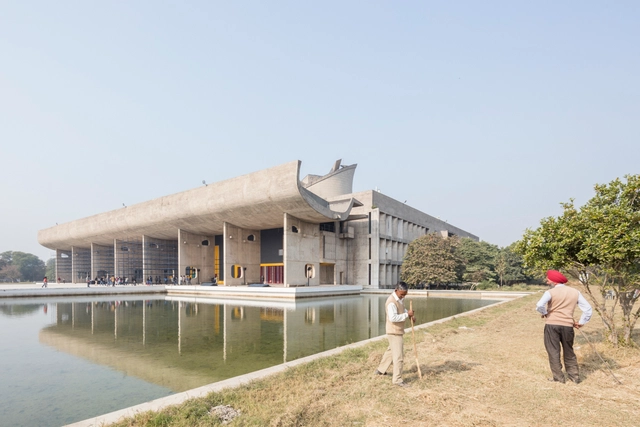
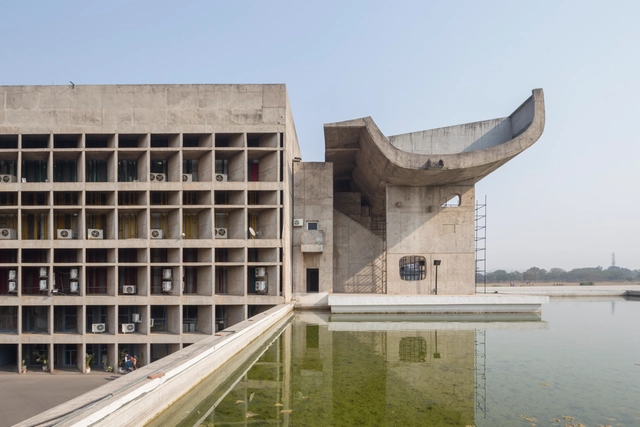
Yet in the late 1950s, another laboratory of the future was taking shape, one where the novel ideas of Modernism produced grand monumental designs and complete urban structures at an unprecedented scale: India. In the search for a modern and democratic image, the newly independent country welcomed Western architectural masters such as Le Corbusier and Louis I. Kahn and entrusted them with a wide range of commissions, from the urban layout of Chandigarh and its major governmental buildings to universities, museums, and smaller scale domestic projects. The result is a mixture of cultures, influencing one another to unexpected results.
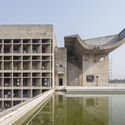
In 1950, the famous Le Corbusier was asked to design the new state capital of Chandigarh for Punjab following its separation and recent independence. The opportunity to create a new utopia was unparalleled- and is now seen as one of the greatest urban experiments in the history of planning and architecture. The city employed grid street patterns, European-style thoroughfares, and raw concrete buildings- the zenith of Corbusier’s ideals throughout his career. But what is lesser known about the ideation and realization of Chandigarh, was the woman who brought her experience of designing social housing across Africa to the project. For three years, working alongside Corbusier, and helping him design some of the best-known buildings in Chandigarh, was Jane Drew.
SANAA co-founder Kazuyo Sejima and influential Canadian architect Phyllis Lambert have been awarded the Jane Drew and Ada Louise Huxtable prizes, respectively, as a recognition of their work and commitment to design excellence and for raising the profile of women in architecture. The Jane Drew Prize for Architecture commends Kazuyo Sejima for her achievements as an architect, while the Ada Louise Huxtable Prize recognizes Phyllis Lamber’s contribution to the wider architectural industry. The two awards are presented by UK-based publications Architects’ Journal and The Architectural Review.
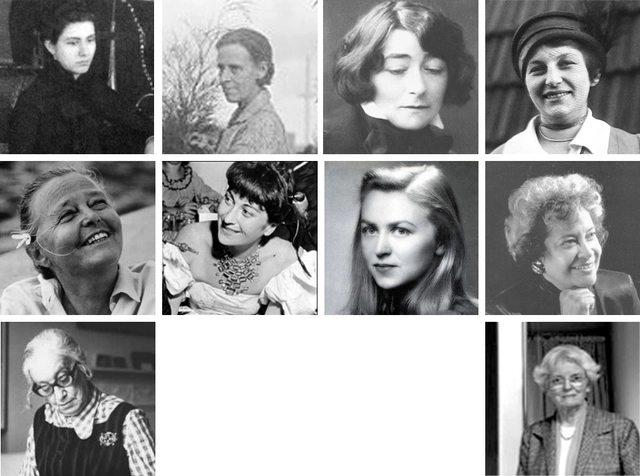
Looking back on architectural history, you could be forgiven for thinking that women were an invention of the 1950s, alongside spandex and power steering - but this couldn’t be further from the truth. Big names like Le Corbusier, Mies, Wright, and Kahn often had equally inspired female peers, but the rigid structure of society meant that their contributions tended to be overlooked.
To celebrate International Women’s Day, we asked the Brazilian non-profit group Arquitetas Invisíveis to share with us a part of their work, which identifies women in architecture and urbanism. They kindly shared with us a list of 48 important women architects, divided into seven categories: pioneers, “in the shadows,” architecture, urbanism, social architecture, landscape architecture and sustainable architecture. We will be sharing this list over the course of the week.
Yesterday we brought you the urbanists, and today we present women leaders in social architecture.