1. ArchDaily
  2. Jaime Lerner

Jaime Lerner: The Latest Architecture and News

The Architecture of Restraint: When Choosing Not to Build Becomes Design

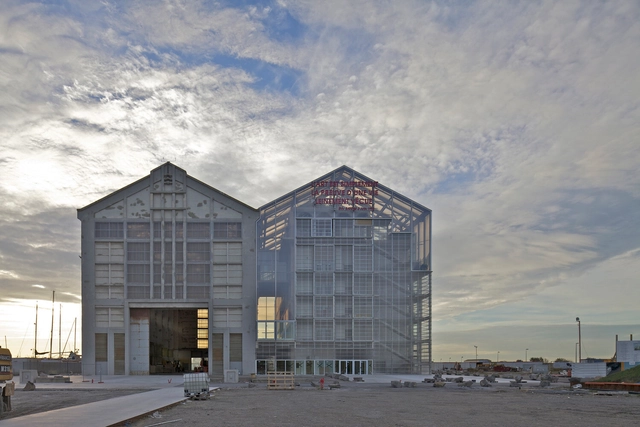
In a world facing ecological exhaustion and spatial saturation, the act of building has come to represent both creation and consumption. For decades, architectural progress was measured by the new: new materials, new technologies, new monuments of ambition. Yet today, the discipline is increasingly shaped by another form of intelligence, one that values what already exists. Architects are learning that doing less can mean designing more, and this shift marks the emergence of what might be called an architecture of restraint: a practice defined by care, maintenance, and the deliberate choice not to build.

The principle recognizes that the most sustainable building is often the one that already stands, and that transformation can occur through preservation, repair, or even absence. Choosing not to build becomes a political and creative act, a response to the material limits of the planet and to the ethical limits of endless growth. That Architecture moves beyond the production of new forms to embrace continuity, extending the life of structures, materials, and memories that already inhabit the world.
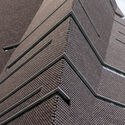
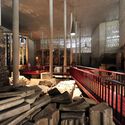
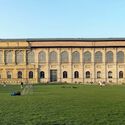
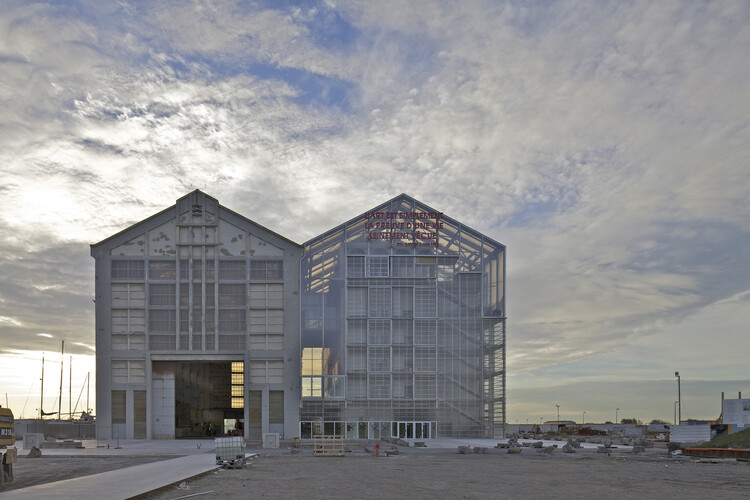
The Architecture of Restraint: When Choosing Not to Build Becomes Design - Image 1 of 4The Architecture of Restraint: When Choosing Not to Build Becomes Design - Image 2 of 4The Architecture of Restraint: When Choosing Not to Build Becomes Design - Image 3 of 4The Architecture of Restraint: When Choosing Not to Build Becomes Design - Image 4 of 4The Architecture of Restraint: When Choosing Not to Build Becomes Design - More Images+ 33

What Can African Cities Learn from South America?

Subscriber Access | 

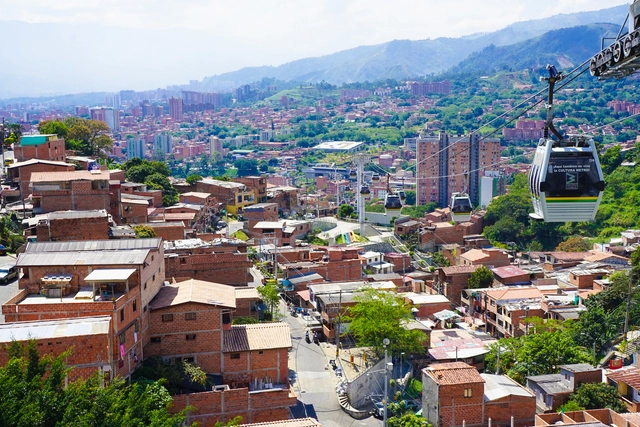
Recent news headlines from the African continent show a variety of urgent issues affecting urban centers: severe flooding threatens Kenya's capital, Nairobi; the light rail system in Addis Ababa, Ethiopia, is faltering after a successful start. Meanwhile, in Egypt's capital, Cairo, new infrastructure and housing expenditures proved too steep and necessitated a government bailout. African cities face a plethora of problems but they also hold the potential to improve countless lives. As South America shares stark similarities in its history with that of Africa, it could provide both a point of reference and a positive example for tackling these concerns at an urban level.

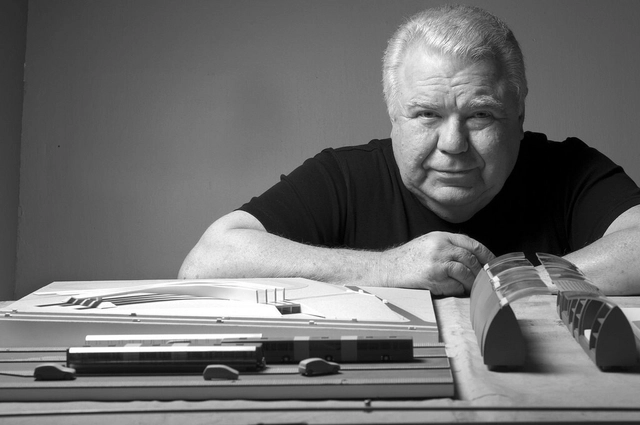
Jaime Lerner, Influential Brazilian Urbanist Passes Away At 83

The prominent Brazilian urbanist Jaime Lerner has passed away this Thursday, May 27, at the age of 83. Trained as an architect, Lerner was chosen by the American magazine Planetizen as the second most influential urban planner of all time, only behind Jane Jacobs. In addition to his career linked to architecture and urban planning, Lerner was three times mayor of Curitiba and twice governor of Paraná (1995-1998 and 1999-2002). Lerner graduated in Architecture in 1964 from the Federal University of Paraná (UFPR) and worked at the Curitiba Institute for Research and Urbanism (Ippuc) since its creation in 1965.

Urban Acupuncture: Regenerating Public Space Through Hyper-Local Interventions

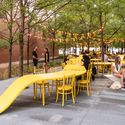
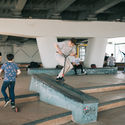
Urban acupuncture is a design tactic promoting urban regeneration at a local level, supporting the idea that interventions in public space don’t need to be ample and expensive to have a transformative impact. An alternative to conventional development processes, urban acupuncture represents an adaptable framework for urban renewal, where highly focused and targeted initiatives help regenerate neglected spaces, incrementally deploy urban strategies, or consolidate the social infrastructure of a city. 

Urban Acupuncture: Regenerating Public Space Through Hyper-Local Interventions - Films & ArchitectureUrban Acupuncture: Regenerating Public Space Through Hyper-Local Interventions - Films & ArchitectureUrban Acupuncture: Regenerating Public Space Through Hyper-Local Interventions - Films & ArchitectureUrban Acupuncture: Regenerating Public Space Through Hyper-Local Interventions - Films & ArchitectureUrban Acupuncture: Regenerating Public Space Through Hyper-Local Interventions - More Images+ 6