-
Architects: GAD Architecture
- Area: 1040 m²
- Year: 2014
-
Professionals: GAD



The İstanbul Foundation for Culture and Art (İKSV) has announced Turkey’s first-ever participation in the Venice Architecture Biennale: “Places of Memory.” Comprised of the work of five contemporary Turkish artists, and curated by architect Murat Tabanlıoğlu, the pavilion will aim to illustrate how a variety of 20th century architectural styles eventually evolved into a singe style throughout most of the contemporary world.

Ziya İmren Architects has recently won an invited competition for the design of the Beykoz School complex in Istanbul. The firm’s winning proposal distinguished itself by embedding its layout within the steep site’s natural surrounding and organizing school as a “cascading” hierarchy of spaces.
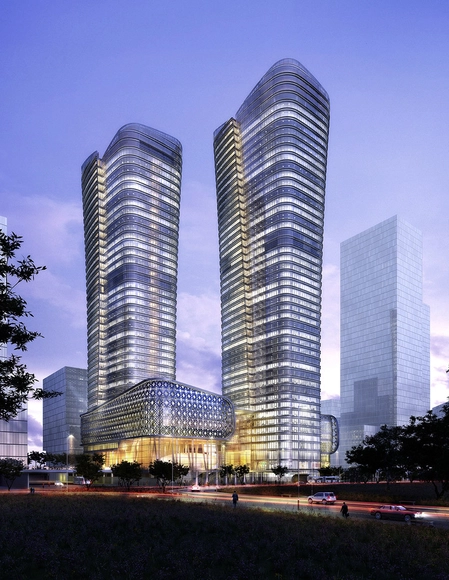
KPF has unveiled what will be their first project in Turkey: a pair of 40- and 46-story towers that will serve as the new headquarters for the country’s largest and oldest financial institution. The Ziraat Bank Headquarters will be the centerpiece of the new Istanbul International Financial Centre (IIFF), encompassing over 400,000-square-meters of office space and inspired by the site’s rich architectural context.

Following a competitive interview process Grimshaw, in partnership with Nordic Office of Architecture, has been appointed by the Turkish consortium of Cengiz, Mapa, Limak, Kolin and Kalyon to design the terminal complex for Istanbul New Airport.
Located on the Black Sea coast, some 35km outside of Istanbul, the ambitious six-runway development, masterplanned by Arup, will be delivered in four phases. The first phase will open in 2019 and aims to serve 90 million passengers per year. This will increase to 150 million passengers per annum once fully complete. The new airport will include the world’s largest airport terminal, with a gross floor area close to one million square meters.
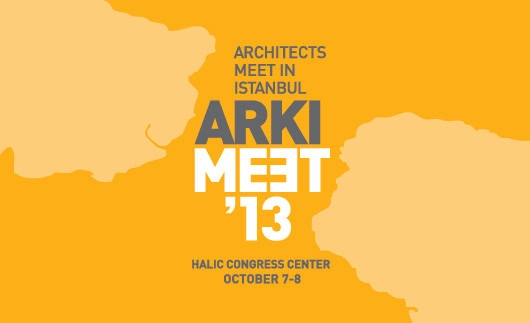
Arkitera Architecture Center is an independent architecture center that has been dedicated to sustain a better architectural practice, enhance the architectural culture and to raise the architectural quality in Turkey.
ARKIMEET, one of the brands created by Arkitera Architectural Center, is developed as the most significant meeting platform among the architects in Turkey. With the motto "ARCHITECTS MEET in ISTANBUL", the event will comprise national and international conferences, panels and award ceremonies to honor individuals and institutions which contribute to the improvement of the urban quality. In addition to these activities and awards, it is aimed to provide opportunities to establish one-to-one connections among the participants and providing appropriate meeting occasions.
This year speakers include Julien de Smedt, Durmuş Dilekçi, Anne Marie Galmstrup, and Josep Lluis Mateo among others.
Complete information after the break.
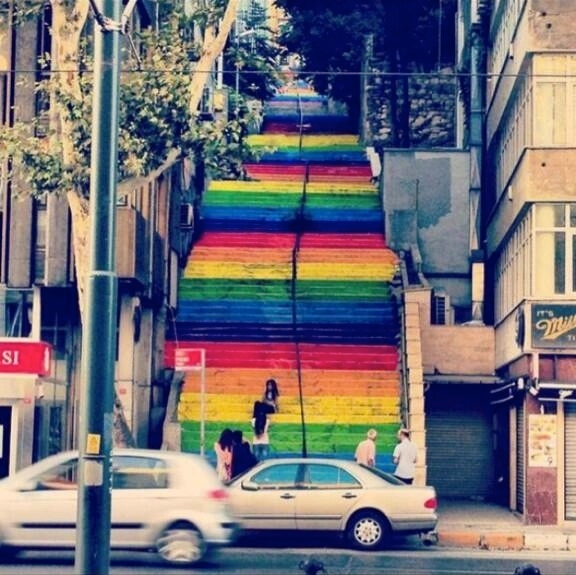
Last June we covered some of the anti-government protests that were taking Turkey by storm - but the Turks are still making headlines! Last week, one Istanbul resident decided to paint a derelict public stair only to find it hastily covered up by government workers. In an act of “guerilla beautification” and silent protest, people across Turkey have once again taken to the streets to paint their stairs and public walkways in rainbow colors. For the full story, check out this article on The Lede by Robert Mackey.
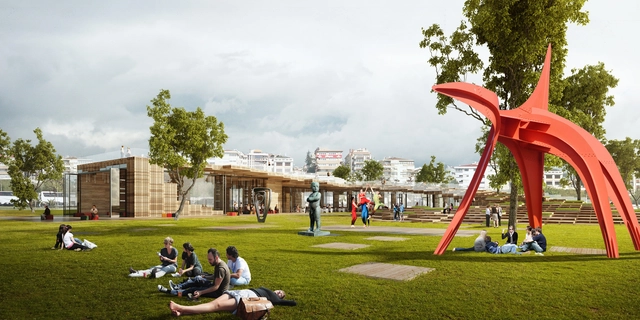
The main idea for the Litterfall Social and Cultural Center was to create a space and atmosphere where people come together to share their ideas, talk, sing, paint, dance and create a social and cultural life to illuminate their own daily life. Designed by Ziya Imren Architects, this small scale building typology is a very important to the culture of Istanbul, since it offers a comfortable place, where people can feel themselves at home and contribute to their own artworks. More images and architects’ description after the break.
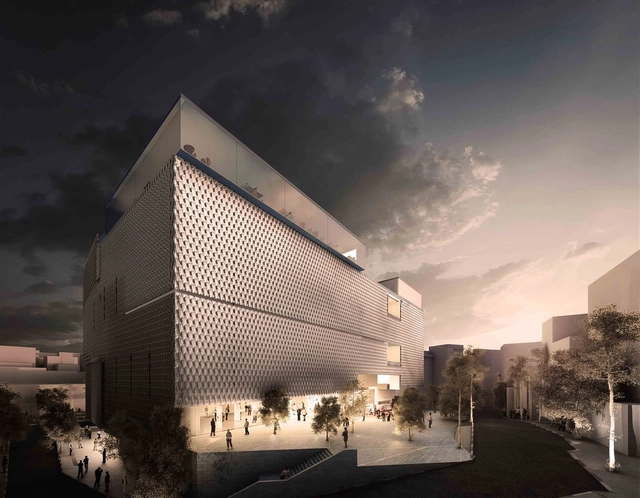
Grimshaw just announced that they have been selected by the Vehbi Koç Foundation to design Koç Contemporary, a new contemporary art museum in Istanbul. Due to open to the public in 2016, the new project has been conceived to fulfill the Foundation’s vision of showcasing the growing Koç collection to the broadest possible audience and to place these works in a national, regional and international context of contemporary artists. More images and architects' description after the break.

In an effort to protect Turkey’s historic skylines from uncontrolled urbanization, the Turkish Parliament has passed an amendment that would grant zoning authority to the Ministry of Environment and Urbanization as well as set up an aesthetic architectural commission.
More after the break...
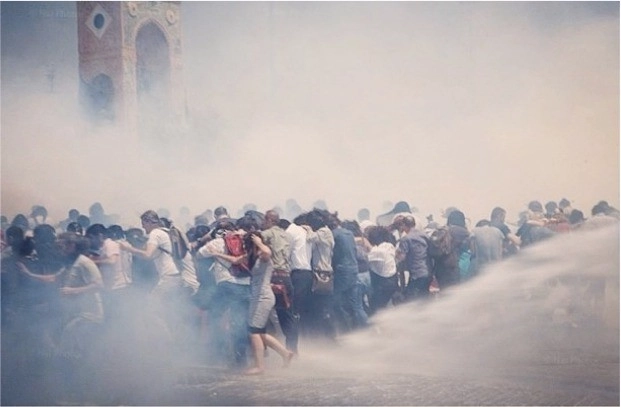
The efforts of thousands who occupied Gezi Park, and those who joined them in solidarity via social media from around the world, have paid off. According to Reuters, a Turkish court has ruled against the Prime Minister Tayyip Erdogan-backed development in which proposed to redesign Istanbul’s iconic Taksim Square and replace one of the populated city’s few public parks with a mall.
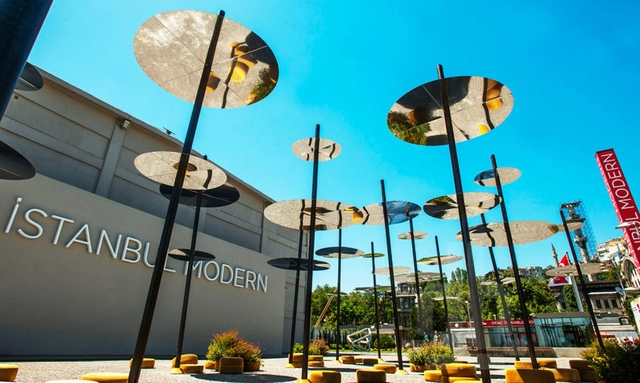
Though temporarily postponed due to the Gezi Park protests, SO? Architecture and Ideas has celebrated the opening of their winning entry - Sky Spotting Stop - for the 2013 Young Architects Program (YAP) at Istanbul Modern in Turkey. Offering refuge from the historic city’s busy streets, the fragmented canopy of reflective circular discs invites visitors to “sit, rest, gather, play, or skyspot” while overlooking the mouth of the Bosphorus.

Architecture emerges with every "occupy" movement or protest. From whatever meager resources at hand, occupiers create structures to fulfill very specific purposes - from makeshift tents for sleeping, to instant podiums for speaking, or perhaps even a swing to kill the time. Unfortunately, these architectures are, by their very nature, fleeting: often disappearing instantly the moment the occupation ends.
However, thanks to a non-profit in Istanbul, the temporary structures that dotted Taksim Square a few weeks ago have been preserved for posterity. Herkes İçin Mimarlık, or "Architecture for All," is devoted to offering architectural solutions to social problems facing Turkey today and promoting a participatory design process in architecture. They've created a tumblr called #occupygezi architecture where you can see all the temporary structures of Taksim Square in both photographs and detailed drawings. Check them out, after the break.
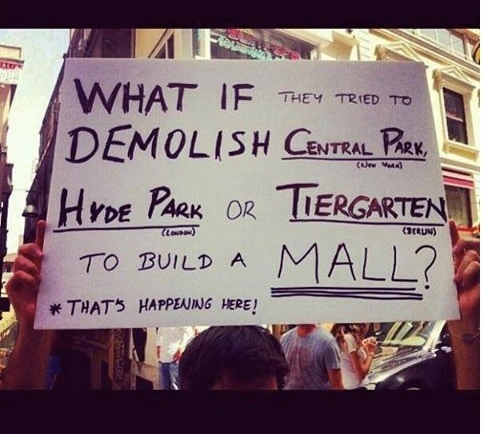
Over the last two weeks, the world has witnessed history unfold in a small park in the heart of Istanbul, Taksim Square. What started out as a peaceful protest to save Gezi Park and its trees from destruction has turned into a country-wide (and, to some degree, worldwide) movement that rejects the ever-increasing autocratic tendencies of Prime Minister Recep Tayyip Erdogan.
The urban policies and projects that PM Erdogan and his government have been loutishly implementing in Istanbul offer only a few examples of the way this government has manifested its undemocratic attitudes. In that regard, it would be misleading to consider the protest over Taksim and Gezi Park as an isolated incident. Instead, development over Istanbul’s quintessential square constitutes the last straw in a series of neo-liberal policies, themselves the result of a century of history, that have shaped Istanbul over the course of the last decade.
More after the break...
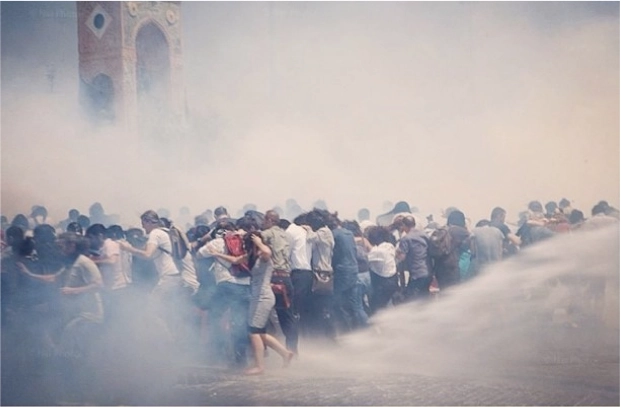
The impending destruction of the last public park in Istanbul was the straw that broke the camel's back last Tuesday. When a peaceful demonstration to save Taksim Gezi Park was met with violent police retaliation, the situation quickly escalated into a nationwide protest against the increasingly authoritarian Turkish government. At this moment all across the country, thousands are standing up not only for Gezi Park but for the right to shape the place that they call home.
More information on the situation in Turkey after the break.
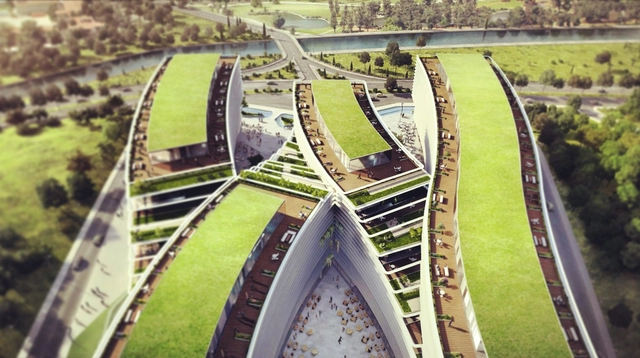
Focusing on the users' working and living qualities, the winning proposal for the Premier Campus Office in Kagithane addresses its presence in Istanbul as a new form of contextual and urban approach. Designed by JDS Architects, the building is formed by their desire to make it interact with its environment and acts as a catalyst of business life for a new Istanbul that promotes contemporary culture, architecture and lifestyle. More images and architects’ description after the break.