1. ArchDaily
  2. Cultural

Cultural: The Latest Architecture and News

BIG Designs Dual-Volume EVE Music Hall Amid Agricultural Landscape in Čepin, Croatia

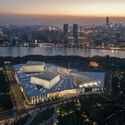
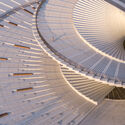
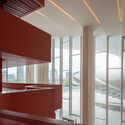
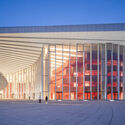
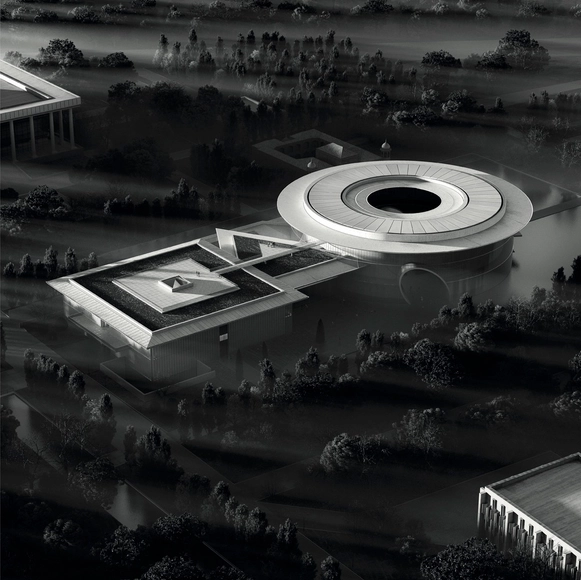
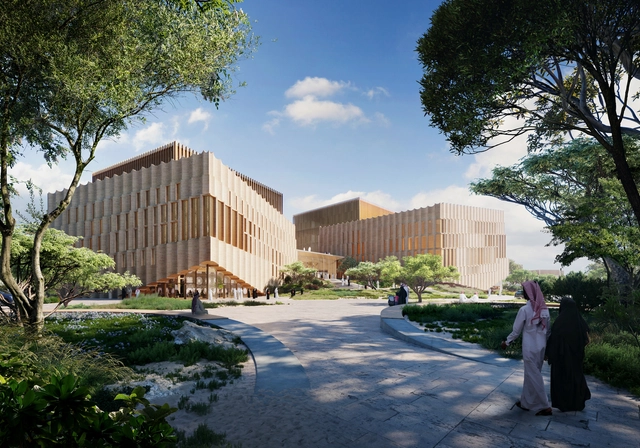
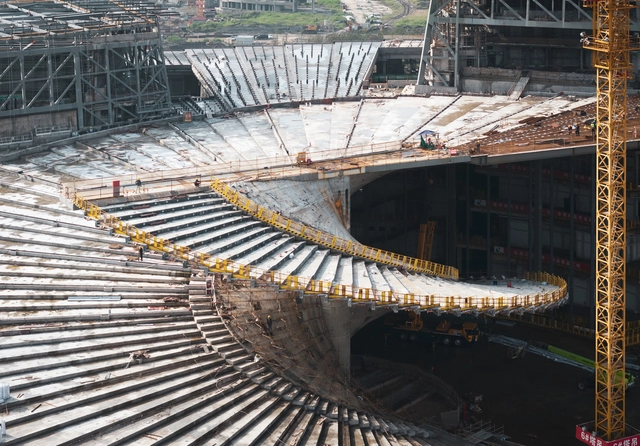
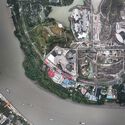
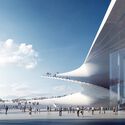
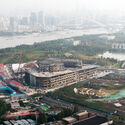
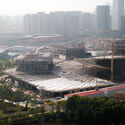
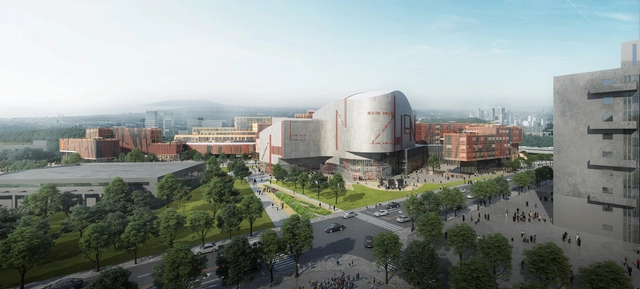
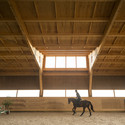
BIG – Bjarke Ingels Group is nearing completion of the EVE Music Hall in Čepin, eastern Croatia, designed in collaboration with SIRRAH projekt and Theatre Projects. The 10,000 m² project contains a live music venue, congress facilities, exhibition spaces, a café, and rooftop event spaces. The venue is expected to host concerts, conferences, exhibitions, and cultural activities, accommodating nearly 4,000 guests indoors and up to 25,000 outdoors. The new cultural building marks the office's first project in Croatia and is expected to become its first completed music performance venue in early 2027.

Architecture as Soft Power: Cultural Diplomacy and Its Role in Shaping Architectural Production

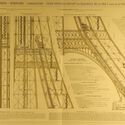
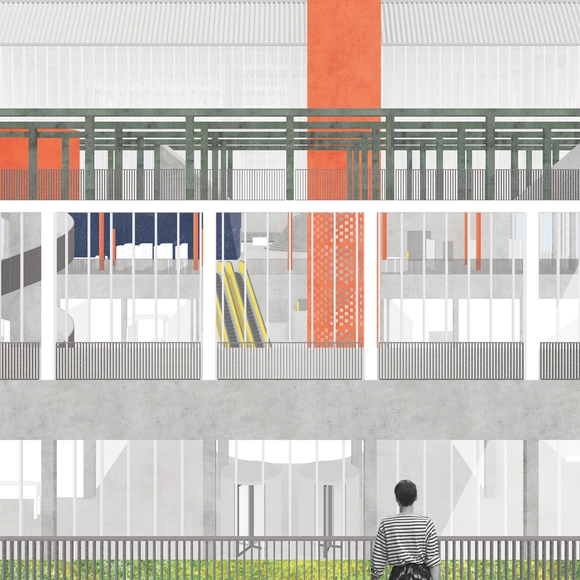
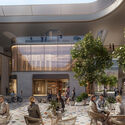
Cultural diplomacy refers to the use of cultural expression and creative exchange to foster understanding and build relationships between nations. In this context, architecture has long played a distinctive role. Beyond its functional and aesthetic dimensions, it serves as a medium of communication, a language through which countries express identity, values, and ambition on the global stage.

Architecture operates as a form of soft power — persuasive rather than coercive — enabling nations to project influence through material presence. From modernist embassies in the post-war era to monumental pavilions at world expositions, governments and institutions have recognized the built environment's potential to shape perception. By commissioning prominent architects and adopting specific design languages, countries have used architecture to signal modernity, tradition, innovation, or stability.
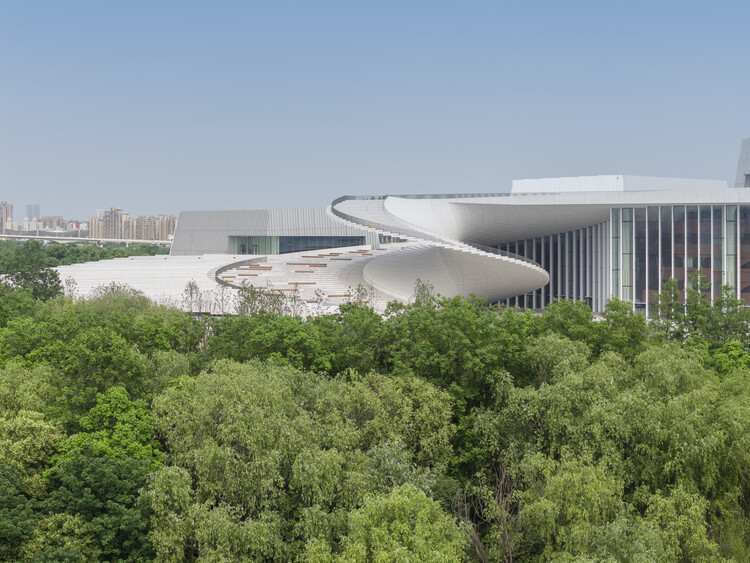
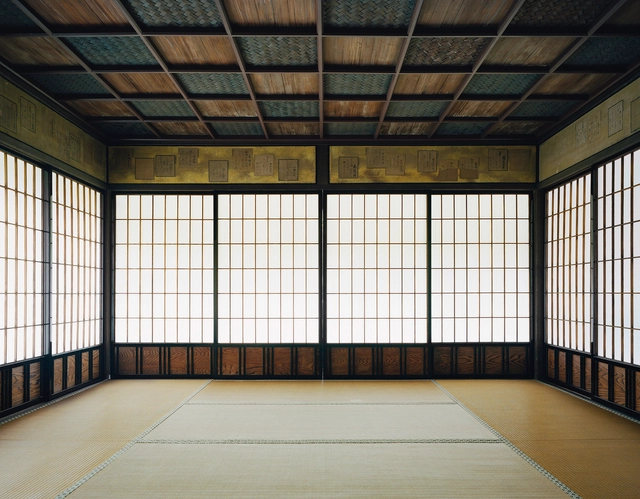
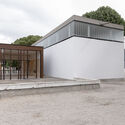
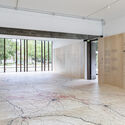
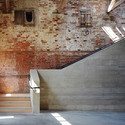
Architecture as Soft Power: Cultural Diplomacy and Its Role in Shaping Architectural Production - Image 1 of 4Architecture as Soft Power: Cultural Diplomacy and Its Role in Shaping Architectural Production - Image 2 of 4Architecture as Soft Power: Cultural Diplomacy and Its Role in Shaping Architectural Production - Image 3 of 4Architecture as Soft Power: Cultural Diplomacy and Its Role in Shaping Architectural Production - Image 4 of 4Architecture as Soft Power: Cultural Diplomacy and Its Role in Shaping Architectural Production - More Images+ 20

The Brazilian Pavilion Examines the Amazon’s Ancestral Infrastructures at the 2025 Venice Biennale

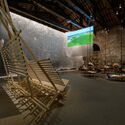
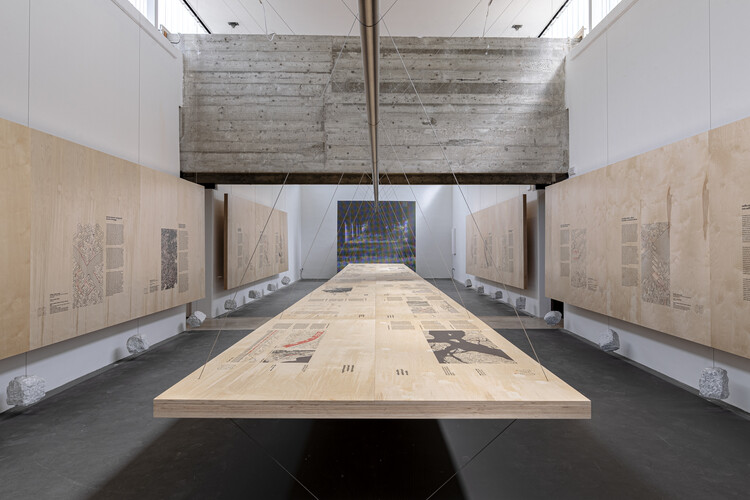
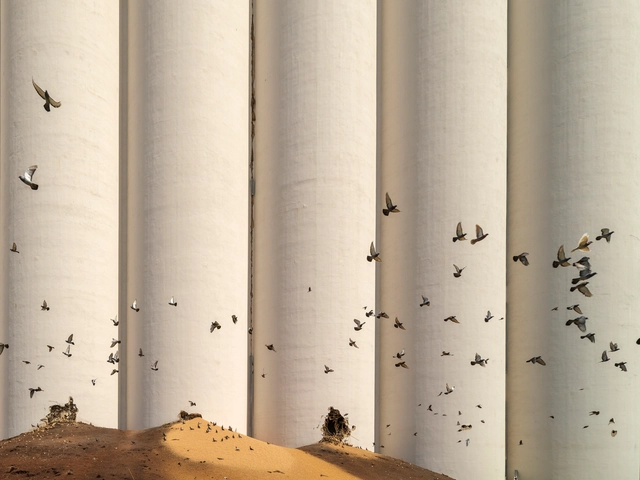
The Brazilian Pavilion at the 19th International Architecture Exhibition – La Biennale di Venezia, open since May 10, 2025, is curated by Plano Coletivo, a group formed by architects Luciana Saboia, Eder Alencar, and Matheus Seco. Titled "(RE)INVENTION," the exhibition represents Brazil through a multidisciplinary approach that connects architecture, nature, and social infrastructure. Presented at the Giardini pavilion, the project is organized by the Fundação Bienal de São Paulo in collaboration with Brazil's Ministry of Culture and Ministry of Foreign Affairs. The exhibition reflects on the recent archaeological discovery of ancestral infrastructure in the Amazon to examine the socio-environmental contradictions of contemporary cities. It invites visitors to learn from ancestral knowledge and explore the interdependence between humans, land, and nature as a foundation for more sustainable futures.

The Brazilian Pavilion Examines the Amazon’s Ancestral Infrastructures at the 2025 Venice Biennale - Image 1 of 4The Brazilian Pavilion Examines the Amazon’s Ancestral Infrastructures at the 2025 Venice Biennale - Image 13 of 4The Brazilian Pavilion Examines the Amazon’s Ancestral Infrastructures at the 2025 Venice Biennale - Image 3 of 4The Brazilian Pavilion Examines the Amazon’s Ancestral Infrastructures at the 2025 Venice Biennale - Image 4 of 4The Brazilian Pavilion Examines the Amazon’s Ancestral Infrastructures at the 2025 Venice Biennale - More Images+ 30

Tadao Ando’s National Museum of Uzbekistan Breaks Ground in Tashkent

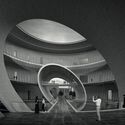
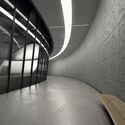
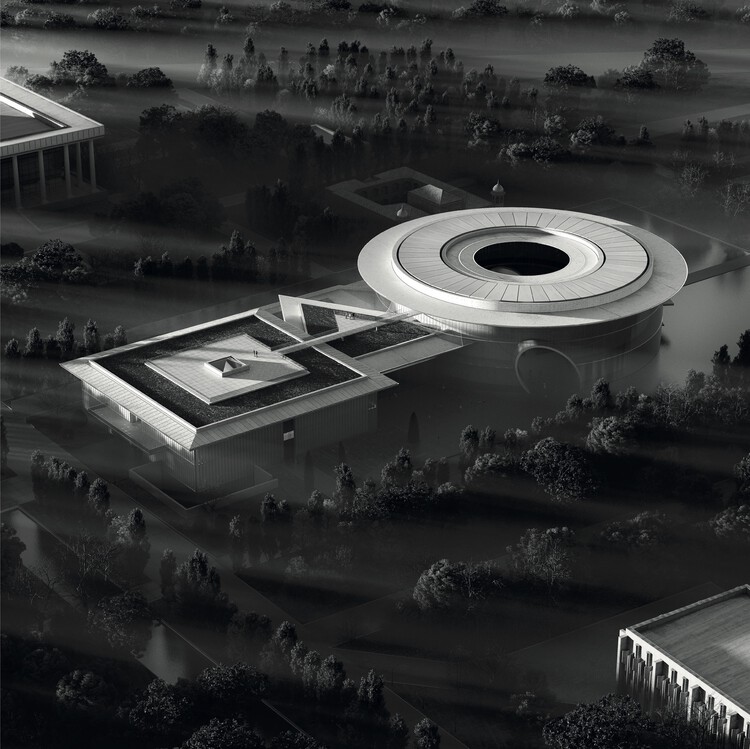
The Uzbekistan Art and Culture Development Foundation (ACDF) has announced the groundbreaking of the National Museum of Uzbekistan, designed by Japanese architect Tadao Ando. Marking Ando's first major project in Central Asia, the museum is envisioned as both an architectural and cultural landmark in Tashkent. Planned to open in March 2028, the building reflects Ando's minimalist architectural language, integrating references to Uzbekistan's heritage with his characteristic use of geometry, natural light, and spatial clarity.

Tadao Ando’s National Museum of Uzbekistan Breaks Ground in Tashkent - Image 1 of 4Tadao Ando’s National Museum of Uzbekistan Breaks Ground in Tashkent - Image 2 of 4Tadao Ando’s National Museum of Uzbekistan Breaks Ground in Tashkent - Image 3 of 4Tadao Ando’s National Museum of Uzbekistan Breaks Ground in Tashkent - Image 4 of 4Tadao Ando’s National Museum of Uzbekistan Breaks Ground in Tashkent - More Images+ 12

LAGI 2025 Fiji Highlights Participatory Design in Renewable Infrastructure

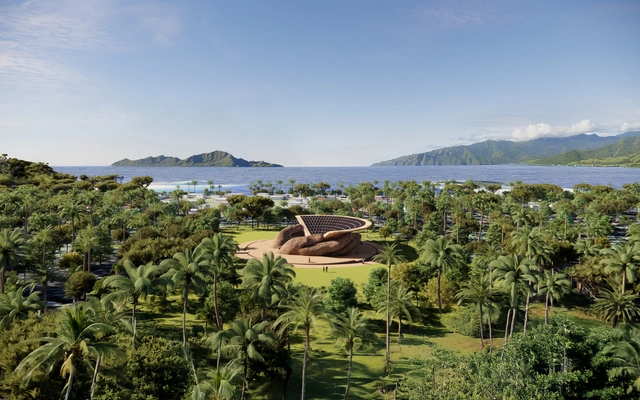
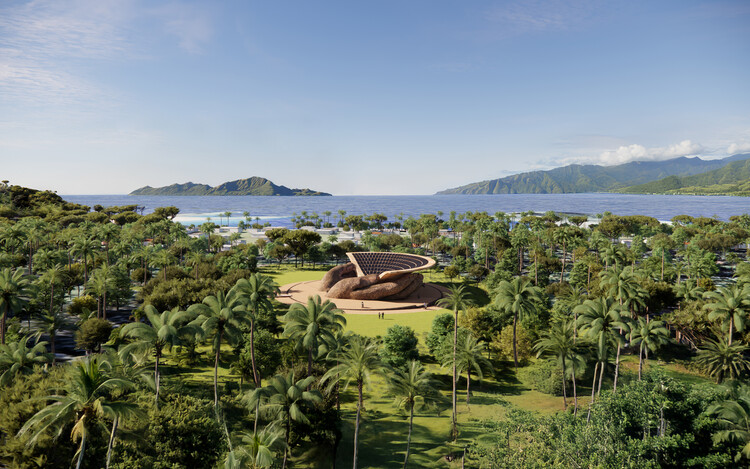
The Land Art Generator Initiative (LAGI) has announced the winners of its 2025 competition in Marou Village, Fiji. Developed in partnership with the local community and supported by the Fiji Department of Energy, the Fiji Rural Electrification Fund, and the United Nations Development Program, LAGI 2025 invited designers from around the world to envision renewable energy and water systems that could also serve as cultural and social spaces. From over 200 entries representing 45 countries, two projects were selected: The O by Alberto Roncelli and Ligavatuvuce by Young Kang.

LAGI 2025 Fiji Highlights Participatory Design in Renewable Infrastructure - Image 1 of 4LAGI 2025 Fiji Highlights Participatory Design in Renewable Infrastructure - Image 2 of 4LAGI 2025 Fiji Highlights Participatory Design in Renewable Infrastructure - Image 3 of 4LAGI 2025 Fiji Highlights Participatory Design in Renewable Infrastructure - Image 4 of 4LAGI 2025 Fiji Highlights Participatory Design in Renewable Infrastructure - More Images+ 2

Foster + Partners Reveals Design for Retail Plaza on Istanbul’s Golden Horn

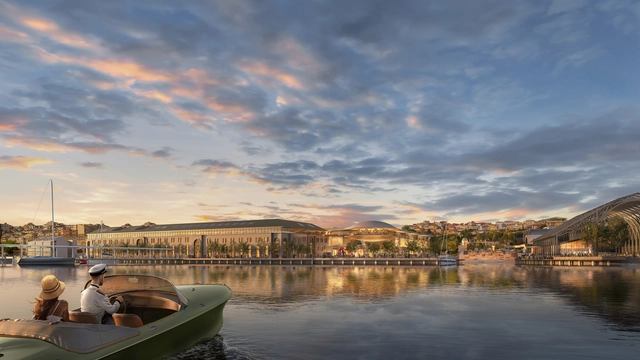
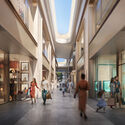
Foster + Partners has revealed designs for a retail plaza located on the northern bank of the Golden Horn in Istanbul, Türkiye. The project forms part of the larger Tersane master plan, which proposes to redevelop 1.6 kilometers of previously underutilized waterfront. The master plan integrates a mix of retail, residential, hospitality, cultural buildings, and landscaped public spaces, aiming to enhance access along the shoreline. The plaza sits within close proximity to several of Istanbul's historic landmarks, drawing on the area's maritime and industrial heritage. The design's scale and material choices reflect this context, seeking to align with the site's historic layers while introducing a contemporary retail environment.

Foster + Partners Reveals Design for Retail Plaza on Istanbul’s Golden Horn - Image 2 of 4Foster + Partners Reveals Design for Retail Plaza on Istanbul’s Golden Horn - Image 3 of 4Foster + Partners Reveals Design for Retail Plaza on Istanbul’s Golden Horn - Image 4 of 4Foster + Partners Reveals Design for Retail Plaza on Istanbul’s Golden Horn - Image 1 of 4Foster + Partners Reveals Design for Retail Plaza on Istanbul’s Golden Horn - More Images

Building Methods in Focus: The Solid vs Hollow Partitioning Debate

Subscriber Access | 

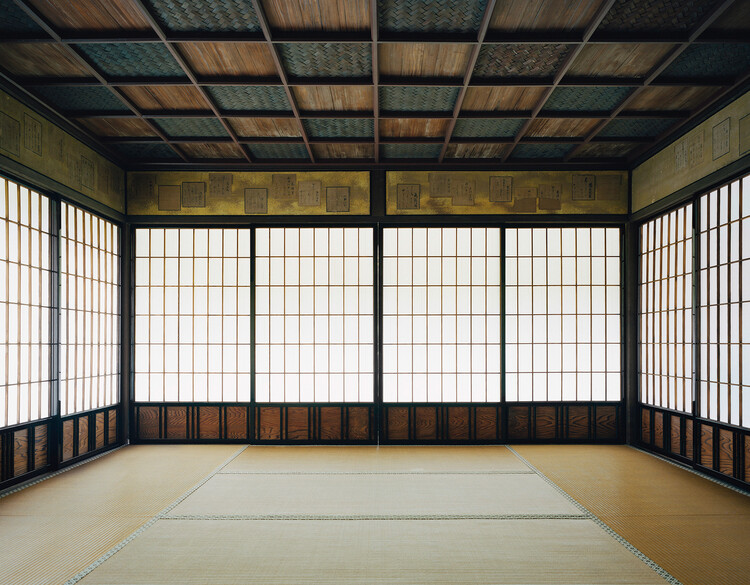
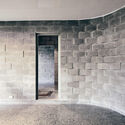
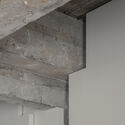
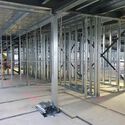
Two primary building approaches are commonly identified in architecture and design: solid versus hollow construction. These methods vary significantly across different cultures and regions, specifically for interior partitioning systems, when they appear interchangeable. Each has its own established practices influenced by local materials, labor preferences, climatic conditions, and cultural traditions. When architects and designers focus on their local context, it is easy to overlook the broader construction assumptions, limiting design flexibility and methodology. This raises an important question: How do these two building approaches differ?
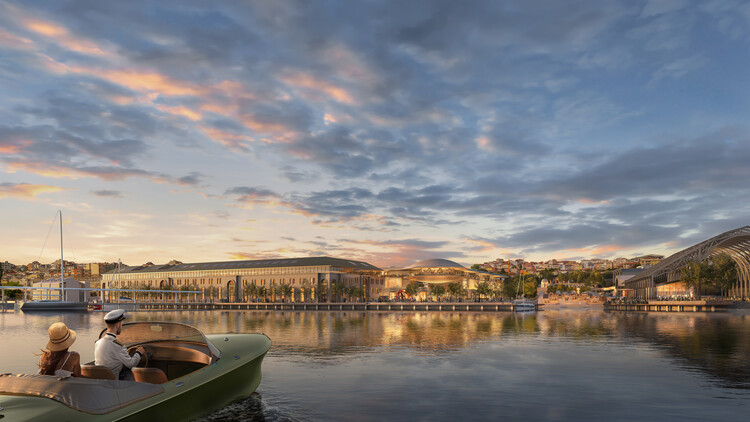
Focusing mainly on interior systems, the distinctions between solid and hollow construction largely stem from the availability of materials and workforce preferences. For example, in the United States and Japan, stud walls, both wood and metal, are frequently used for partitioning. Conversely, brick remains the predominant material for partition walls in regions such as Hong Kong and southern China. Why do we build differently, and what are the benefits and challenges of each building methodology?

Building Methods in Focus: The Solid vs Hollow Partitioning Debate - Image 1 of 4Building Methods in Focus: The Solid vs Hollow Partitioning Debate - Image 2 of 4Building Methods in Focus: The Solid vs Hollow Partitioning Debate - Image 3 of 4Building Methods in Focus: The Solid vs Hollow Partitioning Debate - Image 4 of 4Building Methods in Focus: The Solid vs Hollow Partitioning Debate - More Images+ 14

Tokyo International Forum, Designed by Rafael Viñoly Architects, Receives the Twenty-Five Year AIA Award

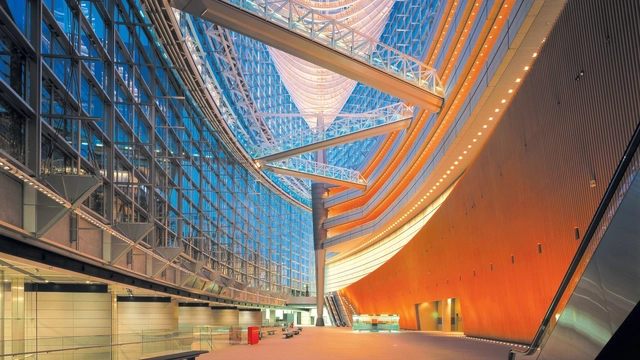
Rafael Viñoly Architects’ Tokyo International Forum has been honored with the prestigious AIA Twenty-five Year Award. Celebrating its “distinctive transparent character and capacity to engage with the public in the largest metropolitan area in the world.” Rafael Viñoly Architects was first selected to design the structure through Japan’s first international design competition facilitated by Kenzo Tange, the architect of Tokyo’s City Hall and the first Japanese laureate of the Pritzker Prize.

Henning Larsen Architects Reveals Jeddah Opera House in Saudi Arabia

Henning Larsen Architect has just revealed the designs for The Jeddah Opera House, a new local landmark in Saudi Arabia. Drawing inspiration from the historical Al-Balad neighborhood, the Opera House celebrates culture and regional geography. Situated along the Red Sea waterfront, the opera house aims to connect residents and visitors to the sea through a culture spine under a natural canopy. Extending from the city, through the opera house, to the water, this “spine” forms an integral part of the Jeddah Central masterplan for the new Opera Quarter.

Reimagining the Role of Culture: Manifesta Announces 15th Biennial in Barcelona, Spain

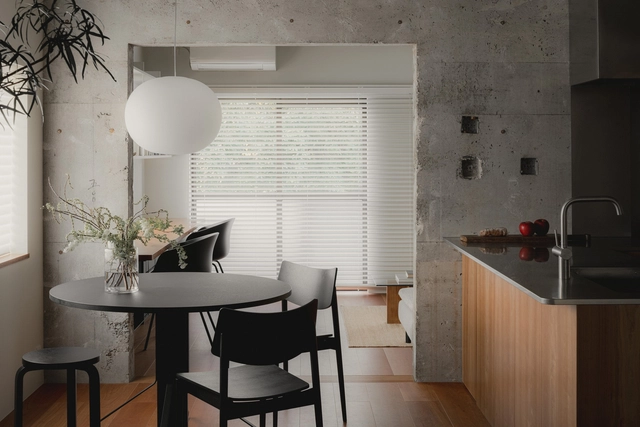
Manifesta 15 Barcelona Metropolitana has unveiled a decentralized biennial event spanning across the landscape of Barcelona. Taking place from September 8th to November 24th, this edition of Manifesta, the European Nomadic Biennial, introduces a regionalized strategy. Famous for its avant-garde exploration of global challenges through cultural lenses, the approach aims to empower citizens in catalyzing a socio-ecological transformation across Catalonia. The event aims to reimagine the role of culture in societal transformation through art, dialogue, and collective action.
Reimagining the Role of Culture: Manifesta Announces 15th Biennial in Barcelona, Spain - Image 1 of 4Reimagining the Role of Culture: Manifesta Announces 15th Biennial in Barcelona, Spain - Image 2 of 4Reimagining the Role of Culture: Manifesta Announces 15th Biennial in Barcelona, Spain - Image 3 of 4Reimagining the Role of Culture: Manifesta Announces 15th Biennial in Barcelona, Spain - Image 4 of 4Reimagining the Role of Culture: Manifesta Announces 15th Biennial in Barcelona, Spain - More Images+ 20

Padideh Kish Competition Winning Proposal / Shirdel and Associates Architects

Subscriber Access | 
Padideh Kish Competition Winning Proposal / Shirdel and Associates Architects - Image 6 of 4
Courtesy of Shirdel and Associates Architects

The first prize winning proposal in the competition to design the masterplan of Padideh Kish, a destination resort in Kish Island, Iran, creates a fantastic and exciting place to improve and deepen the experience of a trip and remain in the mind of any visitor. Designed by Shirdel and Associates Architects, their idea of Padideh is a result of juxtaposition, the interaction and development of concepts where each one is dependent on the architectural achievements and architectural history of Iran. More images and architects’ description after the break.
Huaihua Theater and Exhibition Center Proposal / United Design Group

Subscriber Access | 
Huaihua Theater and Exhibition Center Proposal / United Design Group - Image 5 of 4
Courtesy of United Design Group

With the site of the proposed project characterized by a 7m height difference between the south west corner and the north east one and the fastest way to access to it is from the roads west and north of it, the Huaihua Theater and Exhibition Center will be managed by three different subjects adding further difficulties in organizing the layout. Designed by United Design Group, the 60,000 m² complex is equally subdivided between the theater/cinema part (30,000 m²) and exhibitions: 12,000 m² for the museum; 10,000 m² for the urban planning hall; 3000 m² for the fine arts museum and 1000 m² for the local history exhibition. An extra 6000 m² will host the art training center. More images and architects’ description after the break.

New Culture Centre and Library Winning Proposal / schmidt hammer lassen architects

Subscriber Access | 
New Culture Centre and Library Winning Proposal / schmidt hammer lassen architects - Image 3 of 4
Courtesy of schmidt hammer lassen architects

Designed to gather the city’s cultural functions under one roof, the winning proposal by schmidt hammer lassen architects for the new cultural centre and library in Karlshamn, Sweden will be the city’s new meeting place. The 5,000 square metre cultural centre will get a sculptural and flexible building containing a library, an exhibition area, a cinema, a tourist office and a café, which together work to embrace diversity. More images and architects’ description after the break.

High Line-Inspired Park proposed in Queens

Subscriber Access | 
High Line-Inspired Park proposed in Queens - Image 2 of 4
Rockaway Rail Branch of the LIRR; Photos Courtesy of Friends of the Queensway © 2012

When plans for the High Line were first revealed it made quite an impression on the design community. The converted elevated rail line, long abandoned by New York City, was threatened by demolition until a group of activists fought for its revival and helped transform it into one of the most renowned public spaces in Manhattan. Now Queens, a borough with its own abandoned infrastructure is on its way to redeveloping the land for its own version of the High Line, to be known as the Queensway Cultural Gateway.

In late December, the Trust for Public Land announced that New York Governor Andrew Cuomo has awarded a $467,000 grant to the organization to begin a feasibility study on the 3.5 mile Long Island rail line. Early proposals reveal a new pedestrian and bike path, public green space and a cultural gateway that will celebrate Queens’ diversity in art, sculpture and food, serving the 250,000 residents that live in the neighborhoods along the route, which include Rego Park, Forest Hills, Richmond Hill, Ozone Park and Forest Park.

Join us after the break for more.

Tricycle House and Tricycle Garden / People's Architecture Office (PAO) + People’s Industrial Design Office (PIDO)

Subscriber Access | 
Tricycle House and Tricycle Garden / People's Architecture Office (PAO) + People’s Industrial Design Office (PIDO)  - Image 18 of 4
Courtesy of People's Architecture Office (PAO) + People’s Industrial Design Office (PIDO)

Designed by People’s Architecture Office (PAO) + People’s Industrial Design Office (PIDO), the Tricycle House and Tricyle Garden was designed to address the theme of the 2012 Get It Louder Exhibition. The inability to own land is a fundamental condition in China unique from many western countries. The Tricycle House suggests a future where the temporary relationship and the public nature between people and the land they occupy is embraced. More images and architects’ description after the break.

Yorks Historic Guildhall and Riverside 2nd Prize Winning Proposal / JaK Studio Architects

Subscriber Access | 
Yorks Historic Guildhall and Riverside 2nd Prize Winning Proposal / JaK Studio Architects - Image 3 of 4
Courtesy of JaK Studio Architects

Designed by JaK Studio Architects, their second prize winning proposal for the RIBA International Competition to Re-imagining York’s Giuldhall Complex: Connecting River and City re-energizes the area by focusing on its history while embracing the future. When the Romans settled in this outpost of their empire, they were still keen to establish some of the rigor and grandeur of Rome. To echo this we cleared the open ground around the guildhall and reclaimed two large plazas cascading down to river providing unique and accessible public spaces with direct relationships to the river. More images and architects’ description after the break.

'TIP-TOP' Competition Entry / Tomas Ghisellini Architetto

Subscriber Access | 
'TIP-TOP' Competition Entry / Tomas Ghisellini Architetto - Image 13 of 4
Courtesy of Tomas Ghisellini Architetto

Designed by Tomas Ghisellini Architetto, the proposal for the new “Malga Fosse” refuge, which won an honorable mention, chooses the language of the rough and simple local construction scattered among the mountains. In doing so, their design builds up the impression of an old archetypal building surrounded by valleys and peaks of great beauty. Aimed at being an unforgettable place right in the heart of the Dolomites, the old is here replaced by a fascinating and iconic architectural body. More images and architects’ description after the break.

Bloomberg Announces Plan For Downtown Brooklyn

Subscriber Access | 
Bloomberg Announces Plan For Downtown Brooklyn - Featured Image
32-Story Tower at Lafayette and Ashland, Courtesy of TEN Arquitectos. Via The Architect's Newspaper

In recent years Downtown Brooklyn has become somewhat of a hub of cultural activity.  Just past the triangular intersection of Flatbush Ave and Fulton Street, a high density of cultural buildings, expansive retail, and entertainment exists.  Mayor Michael Bloomberg of NYC announced in late November that the city and private companies will be partnering to produce three new projects in this area that will bring affordable housing and additional cultural and community spaces to Downtown Brooklyn.  This last city-owned parcel will be developed into mixed use facilities: a 515,000 square foot building at Fulton St, Rockwell Place and Ashland Place; a 32-story mixed use building on Flatbush and Lafayette to be designed by Enrique Norten of TEN Arquitectos and a third building currently in the RFP stage of development at Ashland Place and Lafayette.

Join us after the break for more.