1. ArchDaily
  2. Housing

Housing: The Latest Architecture and News

“Supertall for All”: Powerhouse Company Proposes Equitable Mixed-Income Skyscraper in New York City

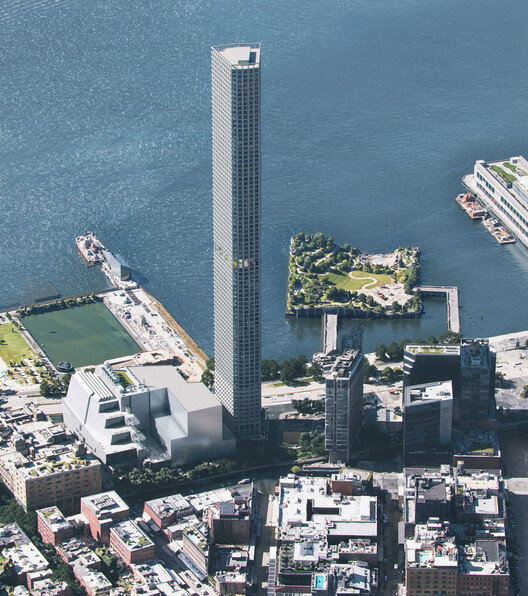
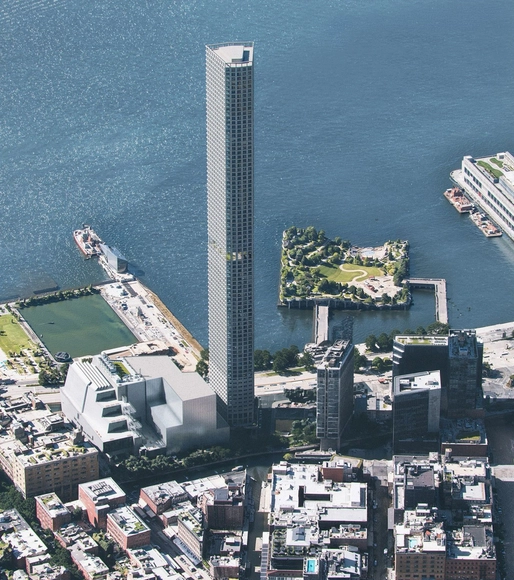
In January 2025, New York City Mayor and the New York City Economic Development Corporation (NYCEDC) announced new steps in the reimagining of Gansevoort Square, a 66,000-square-foot site located on Little West 12th Street between Washington Street and 10th Avenue in Manhattan's Meatpacking District. The redevelopment of the site aims to integrate a mix of affordable housing for New Yorkers, new retail space for residents and visitors, and opportunities to expand the Whitney Museum of American Art and the High Line. The Request for Proposals outlined a vision for up to 600 units of mixed-income housing, with a goal of 50 percent of the total units being permanently affordable, along with ground-floor commercial space. International architectural practice Powerhouse Company recently revealed its competition proposal, exceeding these demands with 1,000 rental homes in a supertall tower, half affordable and half market-rate, mixed equally throughout the building's full height.


“Supertall for All”: Powerhouse Company Proposes Equitable Mixed-Income Skyscraper in New York City - Image 1 of 4“Supertall for All”: Powerhouse Company Proposes Equitable Mixed-Income Skyscraper in New York City - Image 2 of 4“Supertall for All”: Powerhouse Company Proposes Equitable Mixed-Income Skyscraper in New York City - Image 3 of 4“Supertall for All”: Powerhouse Company Proposes Equitable Mixed-Income Skyscraper in New York City - Image 4 of 4“Supertall for All”: Powerhouse Company Proposes Equitable Mixed-Income Skyscraper in New York City - More Images+ 8

Housing Affordability Drives New Limits on Short-Term Rentals Across European Cities

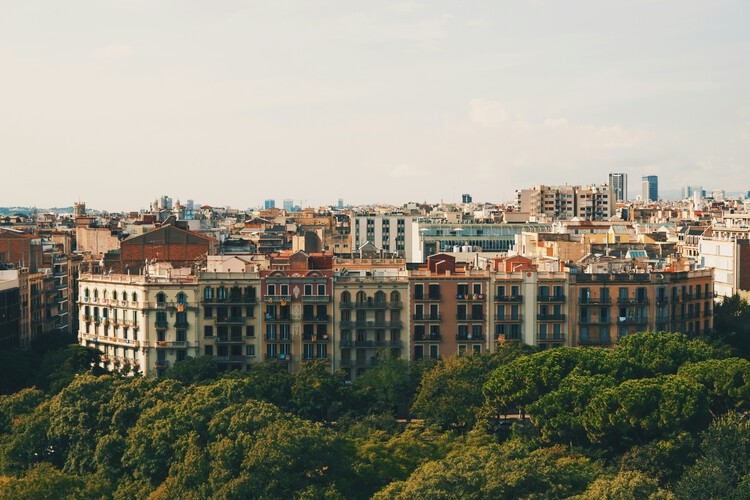
Across Europe's major tourist cities, housing affordability has increasingly emerged as one of the most pressing urban challenges, prompting governments to reassess the role of short-term rentals within residential neighborhoods. In Barcelona, Mayor Jaume Collboni recently announced plans to phase out tourist short-term rentals entirely by 2028, framing the decision as part of a broader effort to protect residents' right to remain in the city. The announcement coincides with a €64 million fine imposed by the Spanish government on Airbnb for advertising unlicensed properties, placing Spain at the center of an intensifying debate over how tourism-driven accommodation models intersect with housing access, inequality, and urban stability.

Housing Affordability Drives New Limits on Short-Term Rentals Across European Cities - Image 1 of 4Housing Affordability Drives New Limits on Short-Term Rentals Across European Cities - Image 2 of 4Housing Affordability Drives New Limits on Short-Term Rentals Across European Cities - Image 3 of 4Housing Affordability Drives New Limits on Short-Term Rentals Across European Cities - Image 4 of 4Housing Affordability Drives New Limits on Short-Term Rentals Across European Cities - More Images+ 1

Renovation and Everyday Life: How Latin American Architecture Reinvents Existing Spaces

Subscriber Access | 

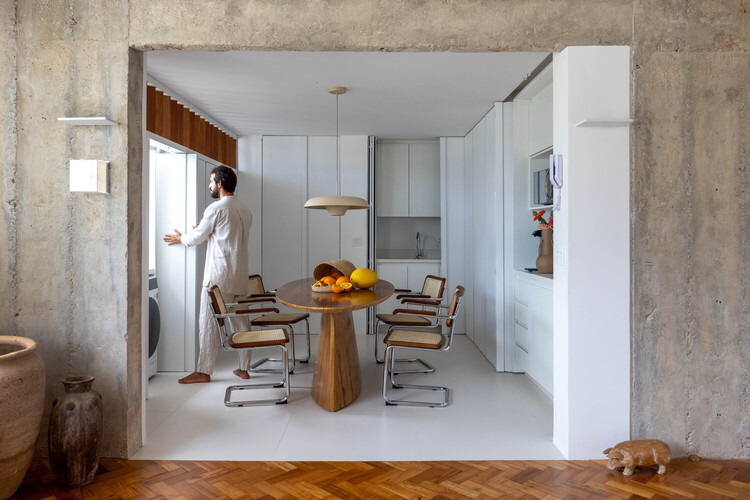
Across Latin America, renovation has become less about preservation alone and more about responding to changing ways of living. Rather than freezing buildings in time, many contemporary projects work with existing structures to adapt them to new domestic routines, social dynamics, and spatial needs. Through strategic changes in materials, composition, color, and light, these interventions reinterpret everyday spaces while maintaining a strong connection to their original context.

In this process, houses and apartments become sites of transformation where flow, continuity, and shared spaces are carefully reconsidered. Renovation operates as a precise architectural tool, one that prioritizes natural light, openness, and flexibility to support daily life as it evolves. Instead of imposing new forms, these projects repurpose what is already there, aligning spatial decisions with the habits and rituals of those who inhabit them.

Renovation and Everyday Life: How Latin American Architecture Reinvents Existing Spaces - Image 1 of 4Renovation and Everyday Life: How Latin American Architecture Reinvents Existing Spaces - Image 2 of 4Renovation and Everyday Life: How Latin American Architecture Reinvents Existing Spaces - Image 3 of 4Renovation and Everyday Life: How Latin American Architecture Reinvents Existing Spaces - Image 4 of 4Renovation and Everyday Life: How Latin American Architecture Reinvents Existing Spaces - More Images+ 22

The Best Interviews of 2025: Architecture’s Year of Reflection, Repair, and Optimism

In 2025, the architectural field has been marked by a dense calendar of exhibitions, a measured slowdown in construction across multiple regions, and a period of reflection that scrutinizes the impact of intelligence (artificial and natural)—both on professional practice and workplace culture, as well as its use as a pedagogical tool. Over this calendar year, ArchDaily has published more than 30 interviews in a range of formats—Q&As, in-person conversations, video features, and more. These exchanges have engaged themes of sustainability and nature, housing and urban development, AI and intelligence, adaptive reuse and public life, and have closely followed major exhibition platforms including the Venice Biennale, Expo 2025 Osaka, Milan Design Week, Concéntrico, and others.

The Best Interviews of 2025: Architecture’s Year of Reflection, Repair, and Optimism - Image 1 of 4The Best Interviews of 2025: Architecture’s Year of Reflection, Repair, and Optimism - Image 2 of 4The Best Interviews of 2025: Architecture’s Year of Reflection, Repair, and Optimism - Image 3 of 4The Best Interviews of 2025: Architecture’s Year of Reflection, Repair, and Optimism - Image 4 of 4The Best Interviews of 2025: Architecture’s Year of Reflection, Repair, and Optimism - More Images+ 15

Izat Arundell’s “Caochan na Creige” Wins RIBA House of the Year 2025 Award

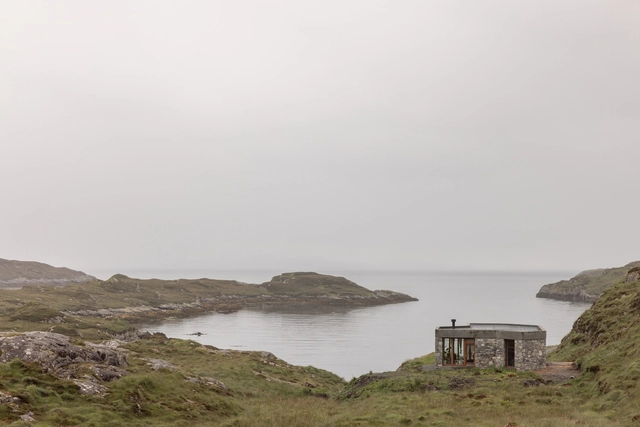
Caochan na Creige, designed by Izat Arundell, has been announced as the winner of the RIBA House of the Year 2025 award. The timber-framed, stone-clad self-build is located in Scotland's Outer Hebrides, occupying a compact rural plot defined by exposed weather conditions and a distinct geological setting. Built by and for its architect owners, the house was selected for its clear response to site constraints, its material strategy, and the consistency between design intent and construction.

Izat Arundell’s “Caochan na Creige” Wins RIBA House of the Year 2025 Award - Image 1 of 4Izat Arundell’s “Caochan na Creige” Wins RIBA House of the Year 2025 Award - Image 2 of 4Izat Arundell’s “Caochan na Creige” Wins RIBA House of the Year 2025 Award - Image 3 of 4Izat Arundell’s “Caochan na Creige” Wins RIBA House of the Year 2025 Award - Image 4 of 4Izat Arundell’s “Caochan na Creige” Wins RIBA House of the Year 2025 Award - More Images

Grant for Research and Publication on Collective Housing and City

The Master in Collective Housing (MCH), in collaboration with TC Cuadernos, a renowned architecture magazine, has announced the second annual call for research grants. This grant, aimed at supporting architecture thesis or research projects, offers up to €6,000 to help transform the work into a published book.

Foster + Partners Unveils Redevelopment Master Plan for Historic Site in Thessaloniki, Greece

Foster + Partners has developed a master plan for the redevelopment of the former FIX brewery in Thessaloniki, Greece. The proposal, commissioned by Dimand, outlines a mixed-use district that integrates public space, housing, hospitality, and cultural programs. Positioned along the western seafront and within walking distance of the city center, the site serves as a key point of connection between emerging neighborhoods and the waterfront. The project builds on the industrial history of the brewery complex while introducing new spatial configurations intended to support broader urban regeneration efforts across Thessaloniki.

Foster + Partners Unveils Redevelopment Master Plan for Historic Site in Thessaloniki, Greece - Image 1 of 4Foster + Partners Unveils Redevelopment Master Plan for Historic Site in Thessaloniki, Greece - Image 2 of 4Foster + Partners Unveils Redevelopment Master Plan for Historic Site in Thessaloniki, Greece - Image 3 of 4Foster + Partners Unveils Redevelopment Master Plan for Historic Site in Thessaloniki, Greece - Image 4 of 4Foster + Partners Unveils Redevelopment Master Plan for Historic Site in Thessaloniki, Greece - More Images+ 3

Designing Beyond the Formula: Get to Know the Works of 5468796 Architecture in Canada

Subscriber Access | 

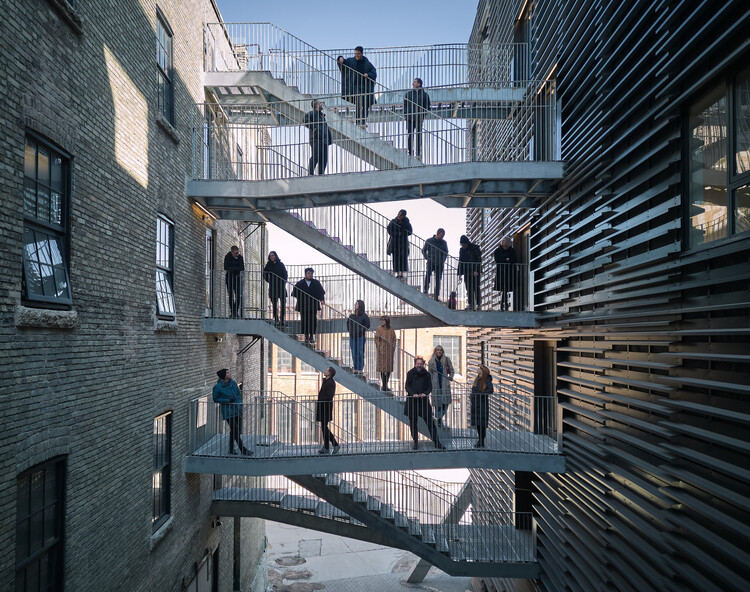
Founded in Winnipeg, Manitoba, in 2007 by Johanna Hurme and Sasa Radulovic, and shortly afterward joined by its third partner, Colin Neufeld, 5468796 Architecture was established as an architecture firm whose early work explored the current state of housing in North America. The Canadian studio operates as a collaborative group of approximately 20 designers, where they prioritize the collective value of ideas over individual authorship.

Designing Beyond the Formula: Get to Know the Works of 5468796 Architecture in Canada - Image 1 of 4Designing Beyond the Formula: Get to Know the Works of 5468796 Architecture in Canada - Image 3 of 4Designing Beyond the Formula: Get to Know the Works of 5468796 Architecture in Canada - Image 4 of 4Designing Beyond the Formula: Get to Know the Works of 5468796 Architecture in Canada - Image 2 of 4Designing Beyond the Formula: Get to Know the Works of 5468796 Architecture in Canada - More Images+ 8

Khudi Bari: Architecture for Climate Displacement

Subscriber Access | 

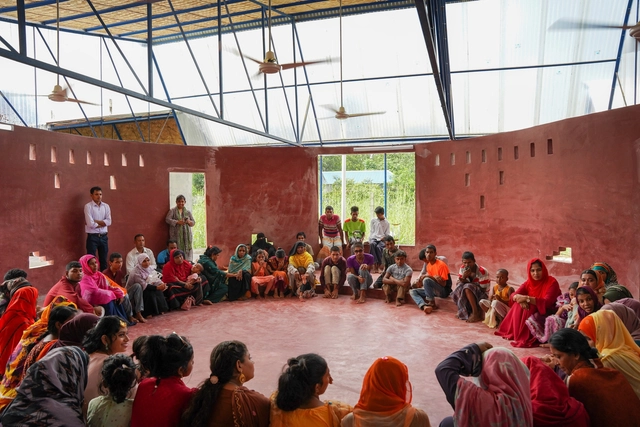
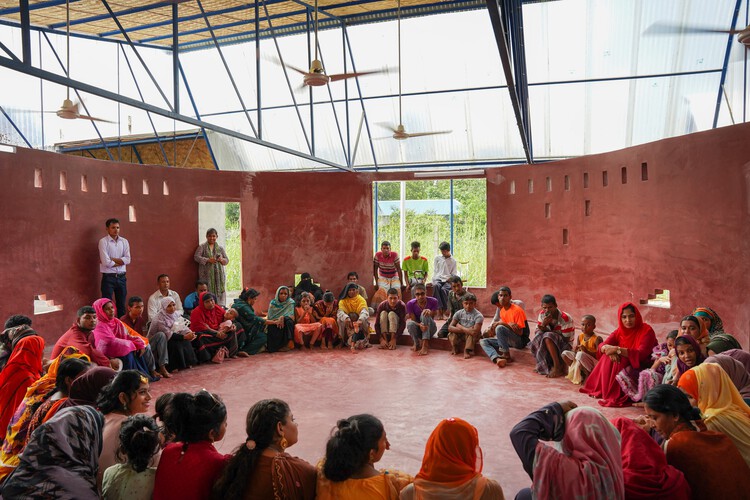
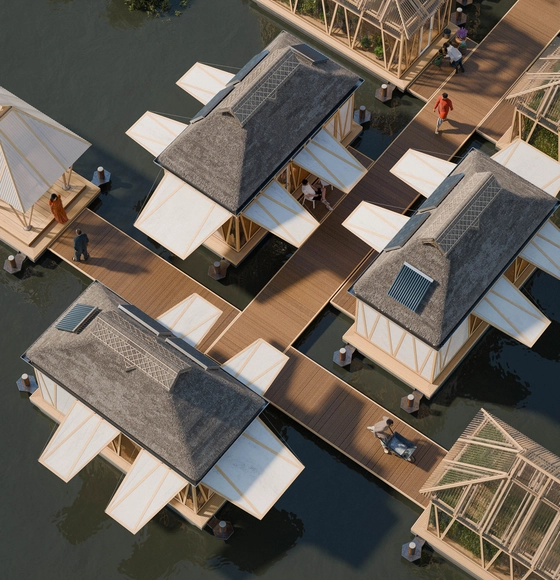
In the low-lying deltas of Bangladesh, water defines both life and loss. Every year, millions are forced to rebuild after floods wash away their homes, crops, and livelihoods. In these precarious territories, the act of building has become an act of resilience. It is here that Khudi Bari emerges as a modest yet radical proposal. Designed by Marina Tabassum Architects, the project provides a lightweight, modular, and affordable dwelling for communities displaced by climate change. Recognized as one of the winners of the 2025 Aga Khan Award for Architecture, it represents a form of architecture that empowers rather than imposes.

Khudi Bari: Architecture for Climate Displacement - Image 1 of 4Khudi Bari: Architecture for Climate Displacement - Image 2 of 4Khudi Bari: Architecture for Climate Displacement - Image 3 of 4Khudi Bari: Architecture for Climate Displacement - Image 4 of 4Khudi Bari: Architecture for Climate Displacement - More Images+ 27

OMA Unveils Hillside Redevelopment Project in Busan, South Korea

The Busan Slope Housing project by OMA addresses urban redevelopment on the steep hillsides of Busan, South Korea, drawing on the city's topographical complexity and historical settlement patterns. Developed in collaboration with the Busan Architecture Festival and the Department of Housing and Architecture, the project explores strategies to rethink hillside neighborhoods while responding to both contemporary housing needs and the social and spatial legacies of these areas. Rather than replacing these areas with conventional high-rise estates, OMA envisions a flexible, context-responsive framework that integrates contemporary housing typologies with the site's inherited structure.

OMA Unveils Hillside Redevelopment Project in Busan, South Korea - Image 1 of 4OMA Unveils Hillside Redevelopment Project in Busan, South Korea - Image 2 of 4OMA Unveils Hillside Redevelopment Project in Busan, South Korea - Image 3 of 4OMA Unveils Hillside Redevelopment Project in Busan, South Korea - Image 4 of 4OMA Unveils Hillside Redevelopment Project in Busan, South Korea - More Images+ 4

Appleby Blue Almshouse by Witherford Watson Mann Architects Wins RIBA Stirling Prize 2025

The RIBA Stirling Prize 2025 has been awarded to Appleby Blue Almshouse by Witherford Watson Mann Architects, a new social housing development for older residents in London. Presented annually by the Royal Institute of British Architects (RIBA) since 1996, the prize recognizes the UK's best new building, celebrating architectural excellence, innovation, and social impact. This marks the second Stirling Prize win for Witherford Watson Mann Architects, following their 2013 recognition for Astley Castle, and continues their trajectory as a practice that engages deeply with social and cultural contexts. The firm was also shortlisted in 2019 and 2023.

Appleby Blue Almshouse by Witherford Watson Mann Architects Wins RIBA Stirling Prize 2025 - Image 1 of 4Appleby Blue Almshouse by Witherford Watson Mann Architects Wins RIBA Stirling Prize 2025 - Image 2 of 4Appleby Blue Almshouse by Witherford Watson Mann Architects Wins RIBA Stirling Prize 2025 - Image 3 of 4Appleby Blue Almshouse by Witherford Watson Mann Architects Wins RIBA Stirling Prize 2025 - Image 4 of 4Appleby Blue Almshouse by Witherford Watson Mann Architects Wins RIBA Stirling Prize 2025 - More Images

Architecture and Agency: Rethinking Authorship Through Participatory Design

Subscriber Access | 

Architecture has historically produced many iconic buildings shaped by singular visions—often designed unilaterally for users, communities, and cities. While this top-down approach has enabled strong formal coherence and conceptual clarity, it has also prioritized authorship over engagement. The result: projects that may be celebrated as visionary, yet often feel disconnected from the everyday realities of those who inhabit them.

Designing for others is inherently complex. As architects, we are frequently tasked with creating environments for communities with whom we may have no personal or cultural familiarity. This distance, however, can offer valuable objectivity. It allows us to engage diverse perspectives with fresh eyes, critically analyzing the needs and constraints of multiple stakeholders. Through this process, the discipline of architecture has advanced—pushing boundaries in spatial thinking, material innovation, and structural experimentation.

Architecture and Agency: Rethinking Authorship Through Participatory Design - Image 1 of 4Architecture and Agency: Rethinking Authorship Through Participatory Design - Image 2 of 4Architecture and Agency: Rethinking Authorship Through Participatory Design - Image 3 of 4Architecture and Agency: Rethinking Authorship Through Participatory Design - Image 4 of 4Architecture and Agency: Rethinking Authorship Through Participatory Design - More Images+ 29

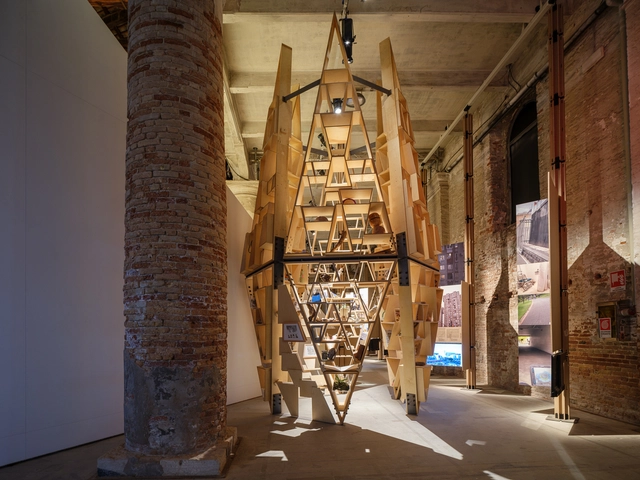
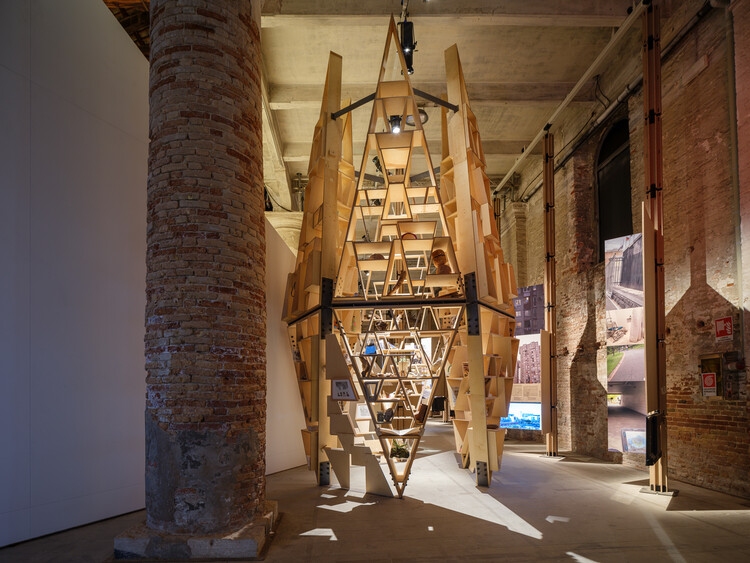
From Acapulco to Copenhagen: 8 Projects Exhibited at the Venice Biennale 2025 Reclaiming Existing Architecture for Regenerative Cities

This curated selection of projects from the 2025 Venice Architecture Biennale explores regeneration as a deliberate, intelligent process rooted in the specific conditions of a place. For decades, the Biennale has been a testing ground for architecture's most urgent ideas, allowing designers, researchers, and institutions to present visions that address evolving environmental, cultural, and social challenges. This year's projects reveal how regeneration, whether of an entire coastal city, a disused industrial site, or a neglected public space, requires more than replacing the old with the new. It calls for a precise reading of existing contexts, the preservation of embedded knowledge, and the careful integration of contemporary needs.

The eight selected works show that regeneration can emerge from multiple starting points: reactivating heritage through adaptive reuse, restoring ecological systems as part of urban planning, developing open and modular strategies for social housing renewal, or layering technological innovation onto historically rooted practices. While the scale of intervention varies, each project demonstrates a sensitivity to what is already there and existing, be it material resources, urban patterns, or cultural memory, and a willingness to work with these assets as catalysts for transformation. Together, they suggest that regeneration must start somewhere, and that its success lies in balancing innovation with the intelligence of what already exists.

From Acapulco to Copenhagen: 8 Projects Exhibited at the Venice Biennale 2025 Reclaiming Existing Architecture for Regenerative Cities - Image 1 of 4From Acapulco to Copenhagen: 8 Projects Exhibited at the Venice Biennale 2025 Reclaiming Existing Architecture for Regenerative Cities - Image 2 of 4From Acapulco to Copenhagen: 8 Projects Exhibited at the Venice Biennale 2025 Reclaiming Existing Architecture for Regenerative Cities - Image 3 of 4From Acapulco to Copenhagen: 8 Projects Exhibited at the Venice Biennale 2025 Reclaiming Existing Architecture for Regenerative Cities - Image 4 of 4From Acapulco to Copenhagen: 8 Projects Exhibited at the Venice Biennale 2025 Reclaiming Existing Architecture for Regenerative Cities - More Images+ 16

Zaha Hadid Architects Unveils Images of a New Housing Project in Málaga, Spain

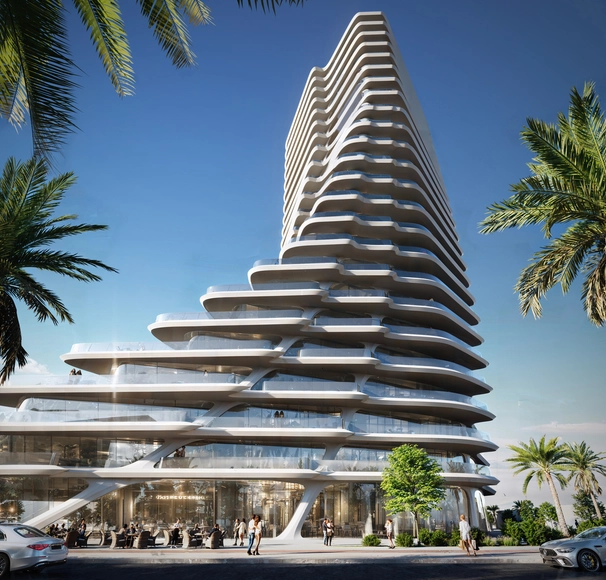
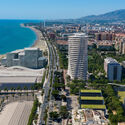
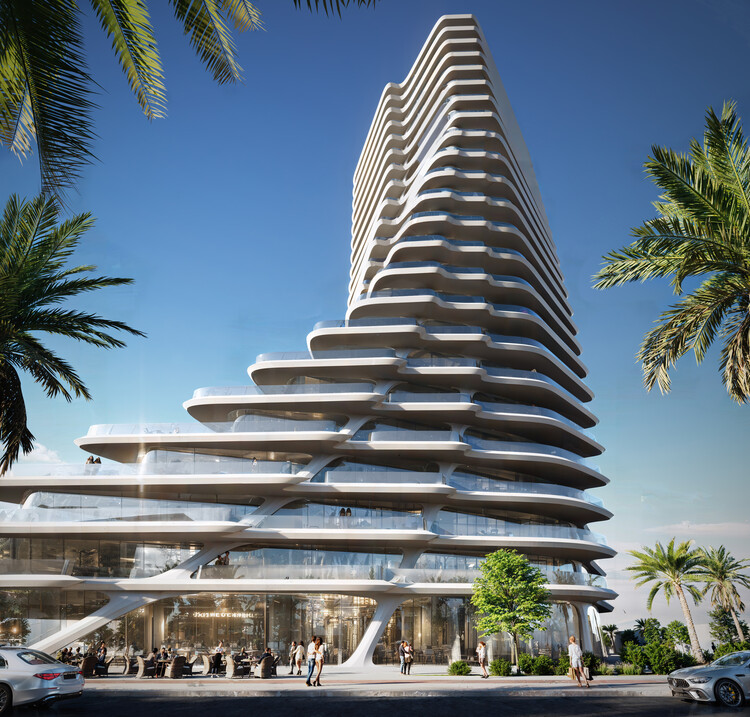
Sierra Blanca Estates, a real estate development firm, has officially announced plans to build a new residential neighborhood in the coastal city of Málaga, Spain. According to the developers, the proposal is intended to address the city's growing demand for housing in the capital of the Andalucía autonomous community, located along the Mediterranean Sea in the southern Iberian Peninsula. The new neighborhood is planned for the El Bulto area and would include a 21-storey building designed by Zaha Hadid Architects.

Zaha Hadid Architects Unveils Images of a New Housing Project in Málaga, Spain - Image 1 of 4Zaha Hadid Architects Unveils Images of a New Housing Project in Málaga, Spain - Image 2 of 4Zaha Hadid Architects Unveils Images of a New Housing Project in Málaga, Spain - Image 3 of 4Zaha Hadid Architects Unveils Images of a New Housing Project in Málaga, Spain - Image 4 of 4Zaha Hadid Architects Unveils Images of a New Housing Project in Málaga, Spain - More Images+ 2

"No House Exists in Isolation": Riken Yamamoto on the Failures of Contemporary Housing in Louisiana Channel Interview

Riken Yamamoto, born in Beijing in 1945 and raised in Yokohama shortly after World War II, is a Japanese architect celebrated for fostering community through architecture. After founding his practice, Riken Yamamoto & Field Shop, in 1973, he became renowned for works ranging from social housing, such as Hotakubo Housing and Pangyo Housing, to civic projects like the Hiroshima Nishi Fire Station and Saitama Prefectural University, all unified by modular simplicity. Honored in March 2024 as the Pritzker Architecture Prize Laureate, he was praised by jury chair Alejandro Aravena for "blurring boundaries between public and private," fostering spontaneous social interaction, and "bringing dignity to everyday life" by enabling community to flourish through thoughtful design. In this interview with Louisiana Channel, the architect reflects on the social role of architecture, emphasizing the inseparable bond between housing and context, and the need to create spaces that foster visible, meaningful relationships.

"No House Exists in Isolation": Riken Yamamoto on the Failures of Contemporary Housing in Louisiana Channel Interview - Image 1 of 4"No House Exists in Isolation": Riken Yamamoto on the Failures of Contemporary Housing in Louisiana Channel Interview - Image 2 of 4"No House Exists in Isolation": Riken Yamamoto on the Failures of Contemporary Housing in Louisiana Channel Interview - Image 3 of 4"No House Exists in Isolation": Riken Yamamoto on the Failures of Contemporary Housing in Louisiana Channel Interview - Image 4 of 4No House Exists in Isolation: Riken Yamamoto on the Failures of Contemporary Housing in Louisiana Channel Interview - More Images+ 1

Angola Introduces Large-Scale Concrete 3D-Printing to Address Housing Crisis

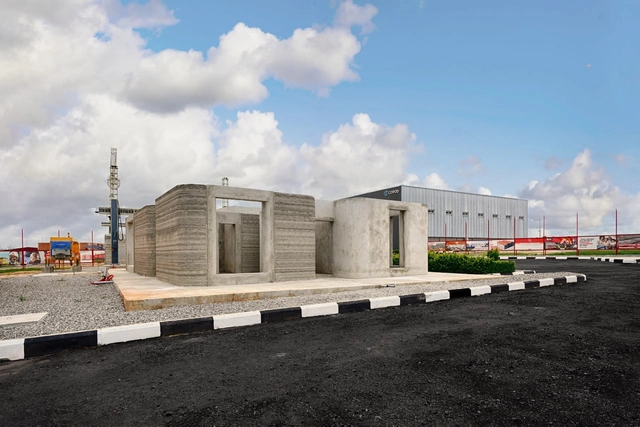
According to the World Bank, the Angola National Urbanization and Housing Program (PNUH), launched in 2008, aimed to build one million new housing units. However, by 2024, it had delivered only approximately 220,000. Power2Build, an Angolan construction startup, estimates the current housing deficit in Angola at around three million homes, with the situation particularly critical in Luanda, one of the fastest-growing cities on the African continent. With an entirely Angolan multidisciplinary team, Power2Build aims to contribute to reducing this deficit through the use of automated 3D concrete printing technology. Implemented on-site with large-scale construction printers from Danish company COBOD, the system is expected to accelerate construction timelines and improve building quality. Large-scale cement-based 3D printing eliminates the need for traditional molds by precisely placing or solidifying specific volumes of material in sequential layers using computer-controlled positioning. The process involves three key stages: data preparation, material preparation, and printing.

Angola Introduces Large-Scale Concrete 3D-Printing to Address Housing Crisis - Image 1 of 4Angola Introduces Large-Scale Concrete 3D-Printing to Address Housing Crisis - Image 2 of 4Angola Introduces Large-Scale Concrete 3D-Printing to Address Housing Crisis - Image 3 of 4Angola Introduces Large-Scale Concrete 3D-Printing to Address Housing Crisis - Image 4 of 4Angola Introduces Large-Scale Concrete 3D-Printing to Address Housing Crisis - More Images+ 13

To Build Law: The CCA Documents HouseEurope!’s Campaign for Legal Change in European Architecture

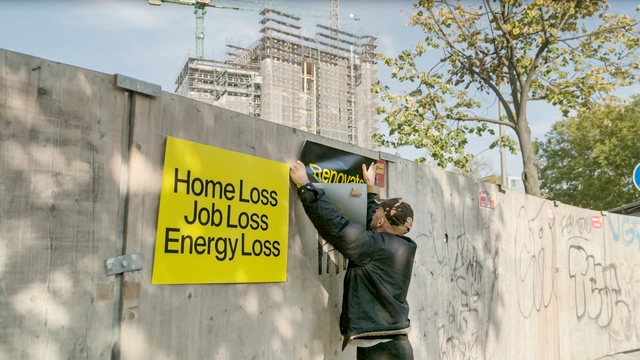
During 2024, the Canadian Centre for Architecture (CCA) launched a three-part documentary and exhibition series titled Groundwork, exploring alternative modes of practice in light of the current climate crisis. The process began with a series of studio visits in search of offices addressing substantial questions for contemporary architecture through practice, culminating in the selection of three projects: Xu Tiantian's "minimal intervention" museum on Meizhou Island, Carla Juaçaba's community pavilions in a coffee field in Minas Gerais, and bplus.xyz (b+)'s European Citizens' Initiative for a new legal framework to facilitate the renovation and transformation of existing buildings. The latter, HouseEurope!, was recently recognized as the winner of the seventh edition of the OBEL Award and was showcased at the international exhibition of the Venice Architecture Biennale 2025.

To Build Law: The CCA Documents HouseEurope!’s Campaign for Legal Change in European Architecture - Image 1 of 4To Build Law: The CCA Documents HouseEurope!’s Campaign for Legal Change in European Architecture - Image 2 of 4To Build Law: The CCA Documents HouseEurope!’s Campaign for Legal Change in European Architecture - Image 3 of 4To Build Law: The CCA Documents HouseEurope!’s Campaign for Legal Change in European Architecture - Image 4 of 4To Build Law: The CCA Documents HouseEurope!’s Campaign for Legal Change in European Architecture - More Images+ 14

Buildner Announces Winners of the MICROHOME Kingspan Competition with 100,000 EUR Prize Fund

 | Sponsored Content

Buildner, in collaboration with building materials manufacturer Kingspan, has announced the winners of the MICROHOME Kingspan Edition with a 100,000 EUR prize fund.