

-
Architects: Sean Godsell Architects
- Area: 77 m²
- Year: 2014
-
Professionals: Filter ESD, Meredith Withers, Michael Taylor Architecture, Plan Cost Australia, Sargant Construction, +2


.jpg?1553197408&format=webp&width=640&height=580)
Between 1945 and 1966, the Case Study Houses program, following the Weißenhof-siedlung exposition, commissioned a study of economic, easy-to-build houses. The study included the creation of 36 prototypes that were to be built leading up to post-war residential development. The initiative by John Entenza, editor of Arts & Architecture magazine, brought a team to Los Angeles that featured some of the biggest names in architecture at the time, including Richard Neutra, Charles & Ray Eames, Pierre Koenig, and Eero Saarinen, among others.
The program's experiment not only defined the modern home and set it apart from its predecessors, but it also pioneered new construction materials and methods in residential development that continue to influence international architecture to this day. Take a detailed look at some of the program's most emblematic work together with recommendations for facing contemporary challenges.
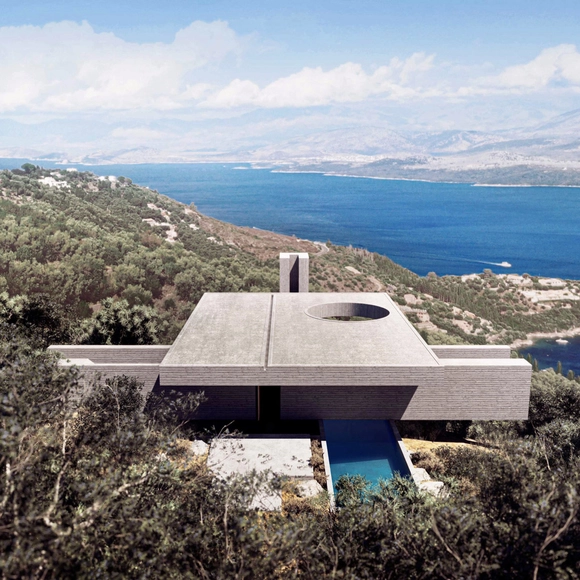
Focusing on the different typologies of houses, this week’s curated selection of Best Unbuilt Architecture highlights conceptual projects submitted by the ArchDaily Community. From urban developments to tiny homes, this article explores the topic of residential architecture and presents approaches from all over the world.
Featuring a cabin amidst the verdant forested region of northern Iran, a development in Georgia that offers an 80% recreational space to 20% housing ratio, and a project in Paris that re-questions our urban reality, and rethinks traditional forms of housing, this roundup tackles a multitude of scales. In addition, it underlines a collection of beach houses in Greece, Italy, Argentina, and Latvia each responding to a different landscape and topography. Other ideas underlined include the renovation of existing developments in Moscow, a residential-led transformation of a former factory in Manchester, and a family of blocks grouped around an elevated communal garden in the Netherlands.
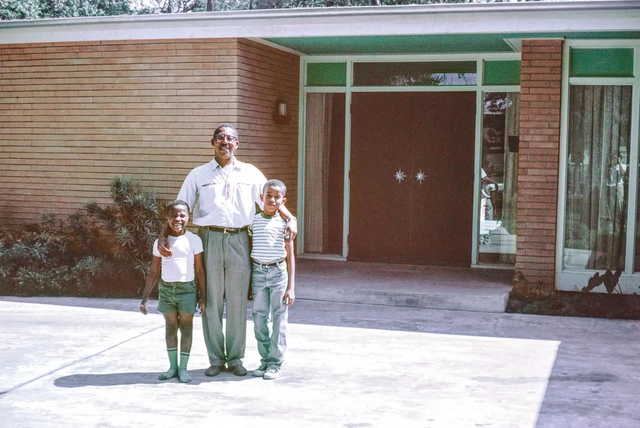
The following text is excerpted from John S. Chase — The Chase Residence (Tower Books, 2020) by architect and University of Texas professor David Heymann and historian and Rice University lecturer Stephen Fox. Richly illustrated with archival materials and new drawings, the book is the first devoted to Chase, who was the first Black licensed architect in Texas. The study is divided into two parts, with Heymann examining the personal, social, and architectural significance of Chase’s own Houston house and Fox describing Chase’s architectural career.
This excerpt draws on Heymann’s analysis and highlights the first incarnation of the Chase Residence (Chase substantially altered its architecture in 1968). It places great emphasis on the house’s remarkable courtyard, a modernist innovation, and a singular statement about domestic living at the time. New section, elevation, and perspective drawings prepared for the book help illustrate the ingenuity of the house’s configuration. Finally, the excerpt was selected in part to honor Drucie (Rucker) Chase, who passed away in January of 2021.

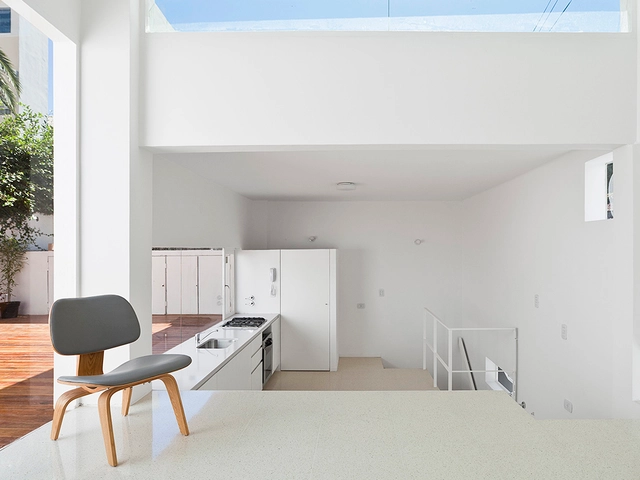
In architecture, split-level houses are typically in response to a plot's uneven or sloping topography. In the case of the houses featured here, their split level interiors are a matter of function, allowing spaces to be virtually separated by dividing them between raised and semi-subterranean floor layouts. For example, adjoining two spaces with a 50cm step up or drop off allows for separation without the use of walls or other physical barriers.

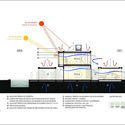
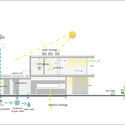
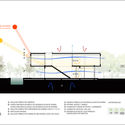
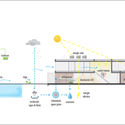
The principles of bio-climatic architecture, when applied with an understanding of the surrounding climate and geography, can simultaneously increase a building's efficiency and create a more comfortable living space. Passive measures like solar panels, rainwater and grey water harvesting, openings for natural light, and cross-ventilation are all low-cost, high yield methods of increasing a home's thermal comfort and efficiency and decreasing its carbon footprint.
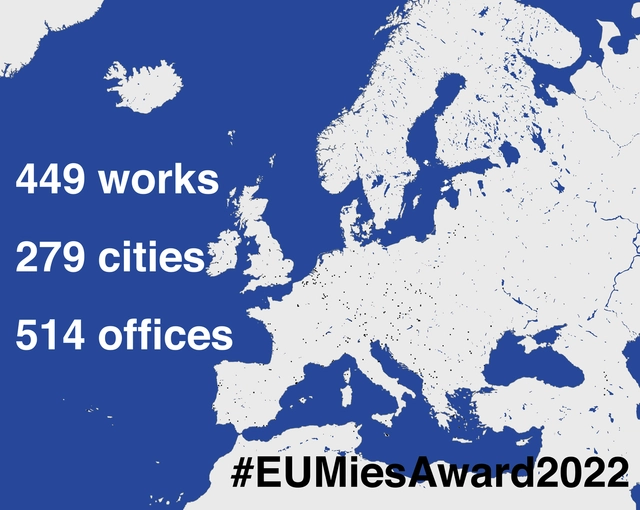
The European Union Prize for Contemporary Architecture, the Mies van der Rohe Award has just announced the first 449 works competing in its 2022 edition. Selected from 279 cities in 41 countries, the projects have been nominated by European independent experts, the national architecture associations, and the Prize Advisory Committee.

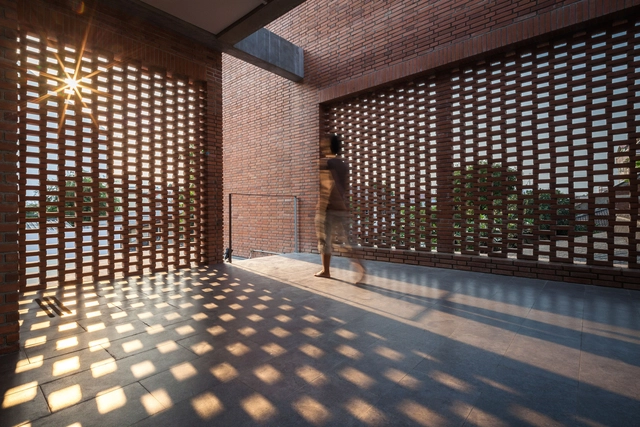
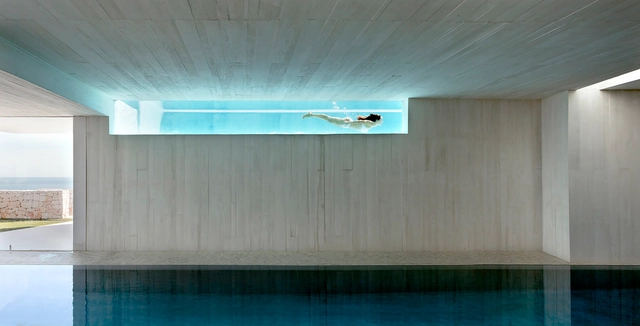
What's better than a house with a pool? A house with a pool that's part of the structure of the house. These projects show different ways to incorporate pools and how to resolve issues of weight, moisture and leaks. See the houses below, featuring photos by photographers like Mariela Apollonio, Kent Soh y Marcello Mariana.

Peru, with its varied geography and vast array of natural resources, renders an architectural style that makes itself one with the landscape. In the country's three principal terrains —coast, mountain, and rainforest— there is little variation in temperature and the climate can be defined as either tropical or subtropical.
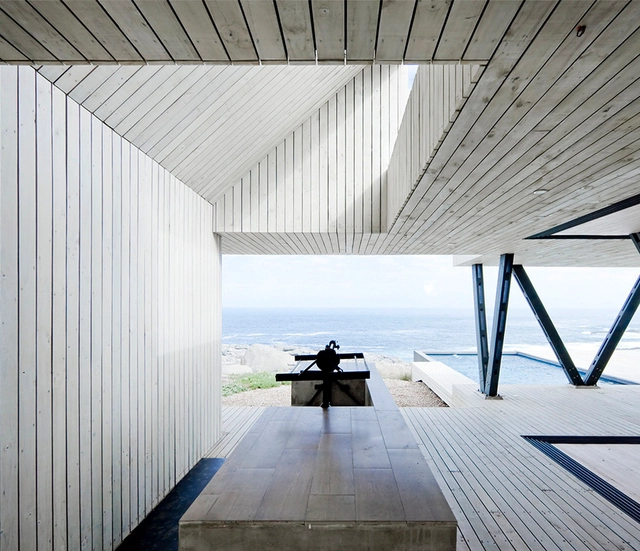
Whether by traditional windows, linear openings in the wall, or skylights, the manipulation and incorporation of natural lighting in architectural projects can render a radical change in interior spaces.
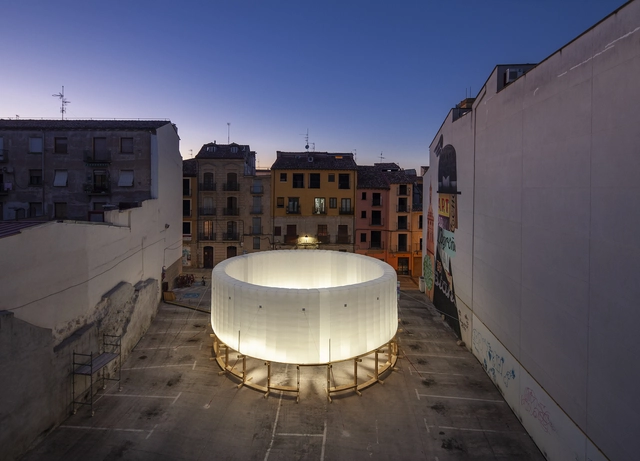
New Generations is a European platform that analyses the most innovative emerging practices at the European level, providing a new space for the exchange of knowledge and confrontation, theory, and production. Since 2013, New Generations has involved more than 300 practices in a diverse program of cultural activities, such as festivals, exhibitions, open calls, video-interviews, workshops, and experimental formats.

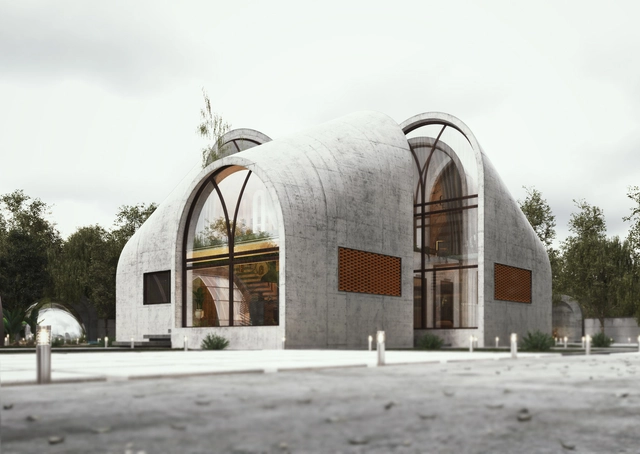
Houses and Villas are the most researched topics on ArchDaily. Putting together a curated selection of conceptual interventions, this week’s Best Unbuilt Architecture focuses on the residential sector. From all over the world, this group presents proposals submitted by our readers.
This article highlights a floating terraces project from India, a lodge in Ethiopia, a seasonal home for an Iranian family in Germany, and a residential compound in Saudi Arabia. Beach houses in Greece, Croatia, and the U.S. are also featured, showcasing different approaches for the same program. Moreover, more futuristic interventions include the Mountain House on the rocky cliffs of British Columbia, and the blue house, an aquarium-like type of home.
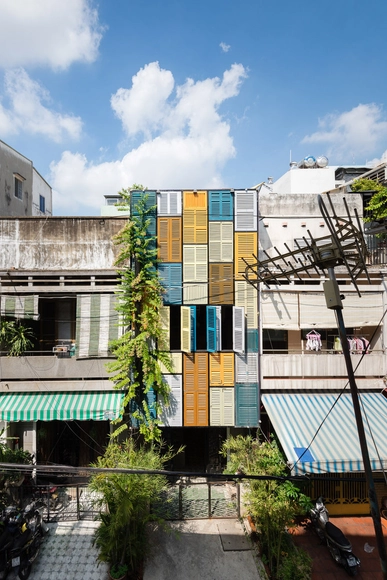
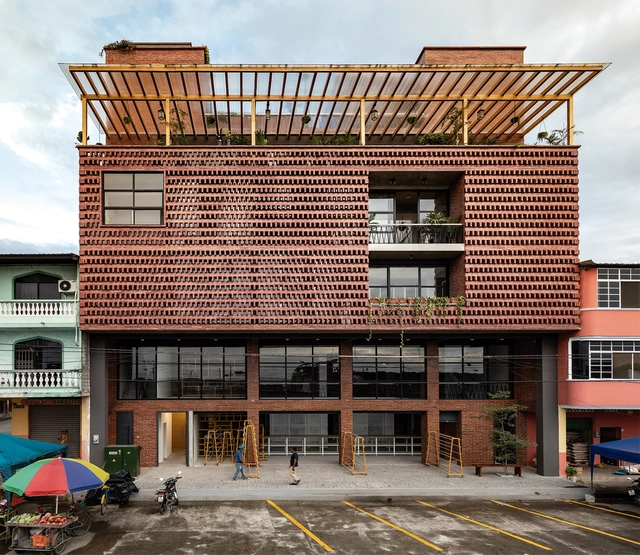
Single family homes are undergoing a quiet transformation in recent years. Increasing land costs, the growth of urban settlements, and the lack of available space for construction have triggered an increase in the development of mixed-use housing. The result is that architects have begun to incorporate more community programs within private residential projects. We can now find homes that integrate commercial, cultural, educational, or industrial uses. This not only provides diversity and efficiency, but also allows surrounding neighborhoods to be revitalized through mixed programs that foster social engagement, interaction and connection.
These type of projects can be created both vertically - in a 2 or 3-story house - and horizontally, using two neighboring lots or around an open space. The following are 12 examples of modern mixed-use homes.
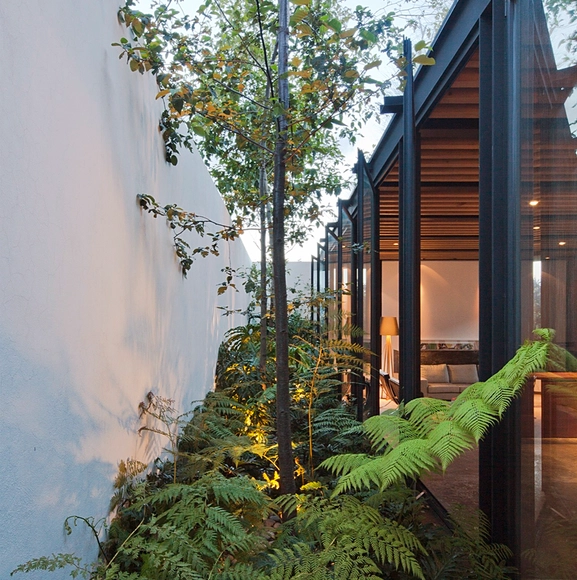
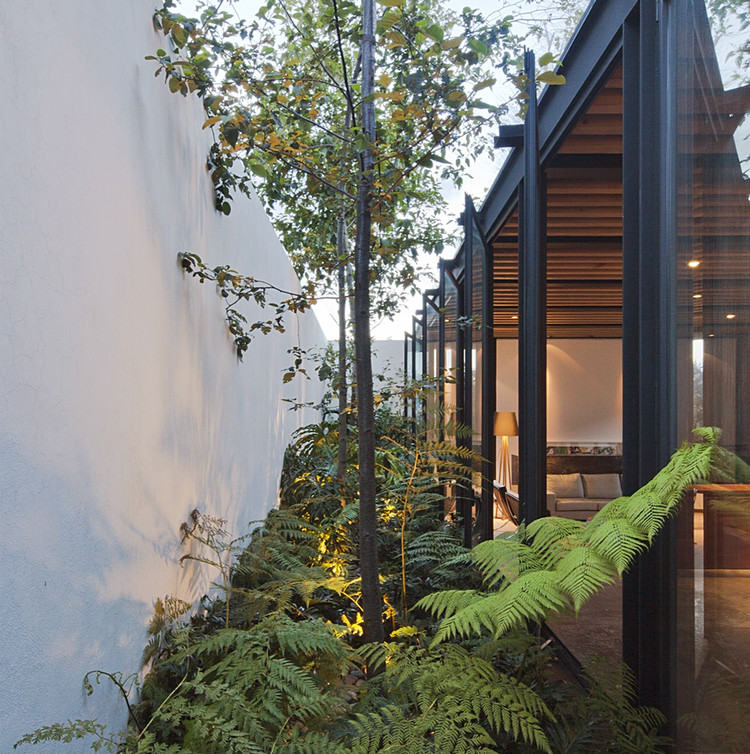
Patios and gardens play a crucial role in a project's planning and layout. In some instances, they serve as organizing elements while in others, they improve the quality of life in a space by providing light, ventilation, and a connection to the outdoors while maintaining the privacy of the inhabitants.
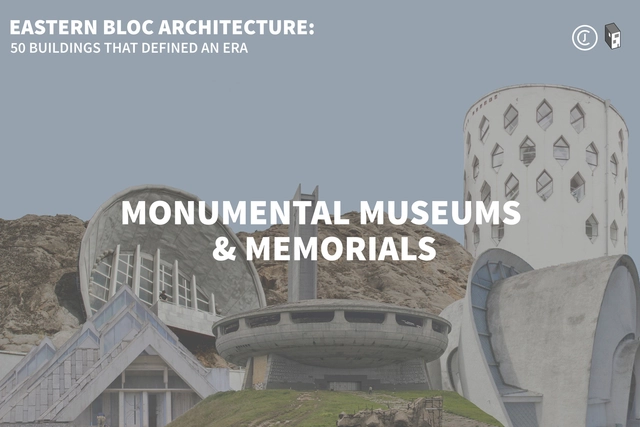
This article is part of "Eastern Bloc Architecture: 50 Buildings that Defined an Era", a collaborative series by The Calvert Journal and ArchDaily highlighting iconic architecture that had shaped the Eastern world. Every week both publications will be releasing a listing rounding up five Eastern Bloc projects of certain typology. Read on for your weekly dose: Monumental Museums and Memorials.