1. ArchDaily
  2. Houses of Parliament

Houses of Parliament: The Latest Architecture and News

The Maison du Peuple: Reclaiming Brutalism for Nation-Building

Subscriber Access | 
Audio available

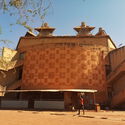
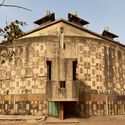
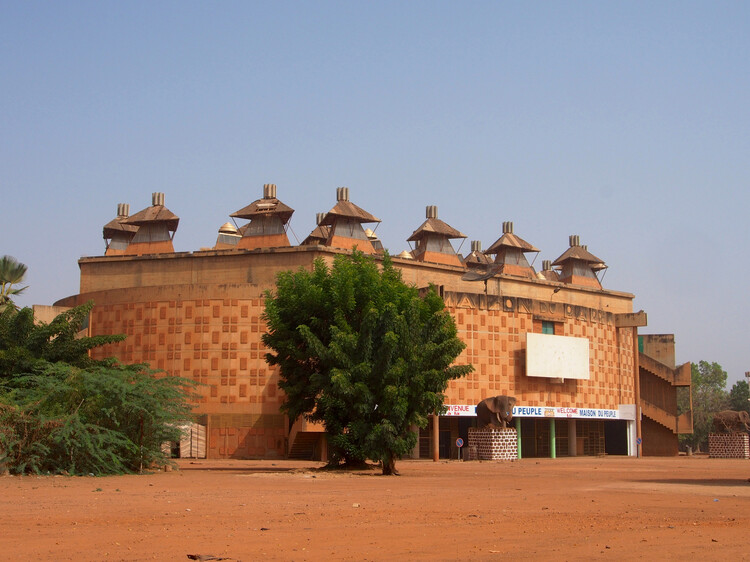
When African countries gained independence from European colonial rule during the mid-twentieth century, nation-building involved more than establishing new governments and political institutions. Newly sovereign states also needed to establish a built identity that could distinguish them from their colonial past, and architecture became an important tool in this process. Across the continent, monumental civic buildings, universities, conference centers, and cultural institutions were commissioned to embody progress and national unity. Yet this created a fundamental contradiction: many of these buildings adopted modernist and Brutalist architectural languages that had originated in Europe, while some were even designed by architects from former colonial powers. The Maison du Peuple in Ouagadougou, Burkina Faso, provides a particularly revealing example of how an architectural language associated with Europe could be appropriated and transformed into an expression of postcolonial independence.

The Maison du Peuple: Reclaiming Brutalism for Nation-Building - Image 1 of 4The Maison du Peuple: Reclaiming Brutalism for Nation-Building - Image 2 of 4The Maison du Peuple: Reclaiming Brutalism for Nation-Building - Image 3 of 4The Maison du Peuple: Reclaiming Brutalism for Nation-Building - Image 4 of 4The Maison du Peuple: Reclaiming Brutalism for Nation-Building - More Images+ 4

Design Collective EUROPARC Unveils the Winning Proposal for the Renewed European Parliament Building

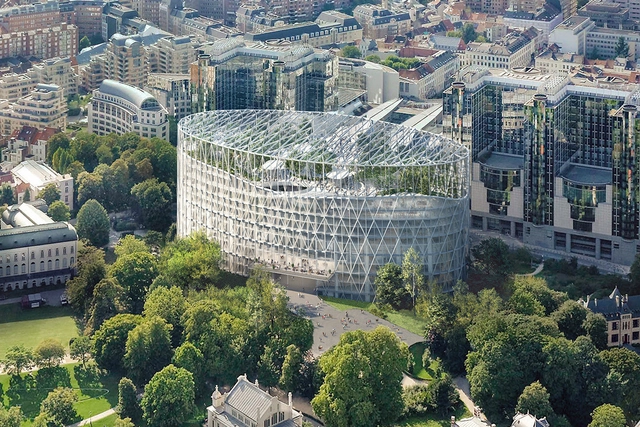
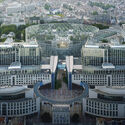
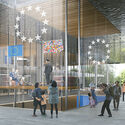
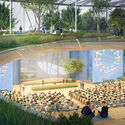
EUROPARC, a pan-European design collective, has been announced as the winners of the international competition to renew the Paul Henri SPAAK Building in Brussels, Belgium. The building housing the Parliament of the European Union has many shortcomings, yet the winners of the competition recognize that demolishing and replacing it might not be a responsible or sustainable solution. The existing building is, therefore, reimagined and adapted better to fit the needs and the identity of the EU. EUROPARC is made up of five architectural studios from five European countries: JDS Architects (DK/BE), Coldefy (FR), CRA-Carlo Ratti Associati (IT), NL Architects (NL), and Ensamble Studio (SP), with the support of engineering companies from UTIL (BE) and Ramboll (DK).

Design Collective EUROPARC Unveils the Winning Proposal for the Renewed European Parliament Building - Image 1 of 4Design Collective EUROPARC Unveils the Winning Proposal for the Renewed European Parliament Building - Image 2 of 4Design Collective EUROPARC Unveils the Winning Proposal for the Renewed European Parliament Building - Image 3 of 4Design Collective EUROPARC Unveils the Winning Proposal for the Renewed European Parliament Building - Image 4 of 4Design Collective EUROPARC Unveils the Winning Proposal for the Renewed European Parliament Building - More Images+ 2

Parliaments of the World: Designing the Architecture of Government

Subscriber Access | 

The architecture of governments has long been tied to shared ideals. Built to reflect regional aspirations and communal organizations, parliaments are a unique type of design for legislative bodies. Generally speaking, they include various kinds of deliberative, consultative, and judicial assemblies. Exploring new ideas on the design of government buildings, parliaments are being reimagined to reflect contemporary life.

Parliaments of the World: Designing the Architecture of Government - Imagen 1 de 4Parliaments of the World: Designing the Architecture of Government - Imagen 2 de 4Parliaments of the World: Designing the Architecture of Government - Imagen 3 de 4Parliaments of the World: Designing the Architecture of Government - Imagen 4 de 4Parliaments of the World: Designing the Architecture of Government - More Images+ 7

BDP Selected to Restore London's Iconic Palace of Westminster

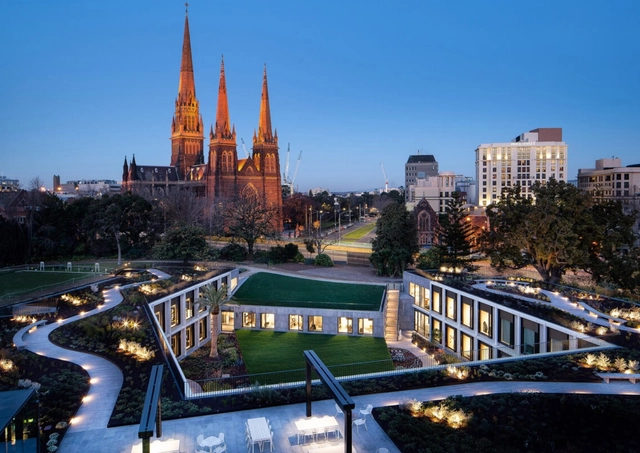
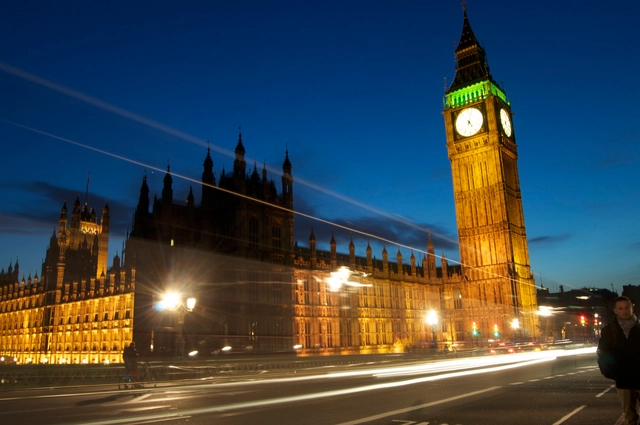
Following a two year-long bidding process, British-based international practice BDP (Building Design Partnership) have been chosen to restore and safeguard the future of the Palace of Westminster, the seat of the United Kingdom's parliament. Outbidding Foster + Partners, Allies and Morrison, and HOK the project is expected to run into billions of pounds and could see the two chambers—the House of Commons and the House of Lords, plus all ancillary support staff—move out of the iconic building for to a decade.

How Rebuilding Britain’s Houses of Parliament Helped Create Clean Air Laws

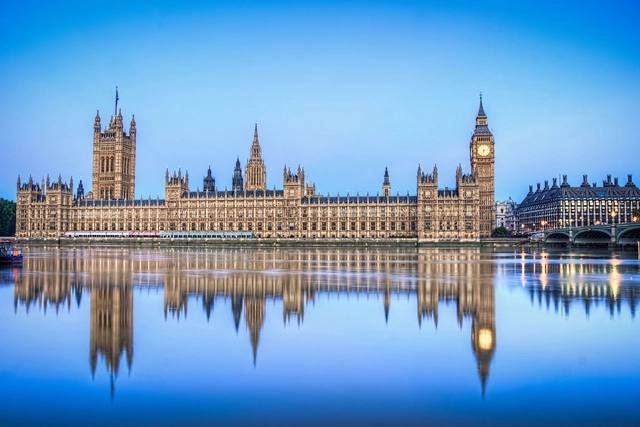
MIT has published new research revealing how the reconstruction of the British Houses of Parliament paved the way for legislation to tackle air pollution in Victorian London. Through original archival work into the 1840-1870 reconstruction, MIT architectural historian Timothy Hyde has revealed that work on the Parliament building was so hindered by air pollution that the British government ordered an inquiry into the effects of the atmosphere on new buildings.

How Rebuilding Britain’s Houses of Parliament Helped Create Clean Air Laws - Featured ImageHow Rebuilding Britain’s Houses of Parliament Helped Create Clean Air Laws - Image 1 of 4How Rebuilding Britain’s Houses of Parliament Helped Create Clean Air Laws - Image 2 of 4How Rebuilding Britain’s Houses of Parliament Helped Create Clean Air Laws - Image 3 of 4How Rebuilding Britain’s Houses of Parliament Helped Create Clean Air Laws - More Images