1. ArchDaily
  2. Hospital

Hospital: The Latest Architecture and News

Renzo Piano Building Workshop and Brunet Saunier & Associés Secure Permit for Urban Forest Hospital in Greater Paris

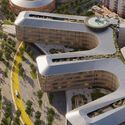
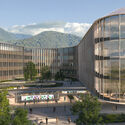
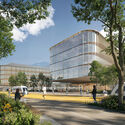
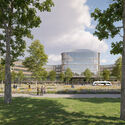
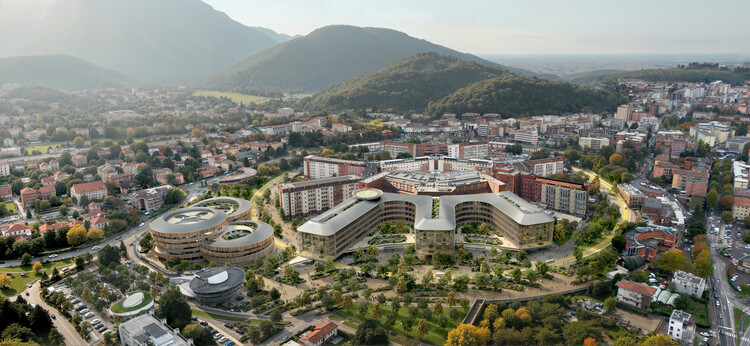
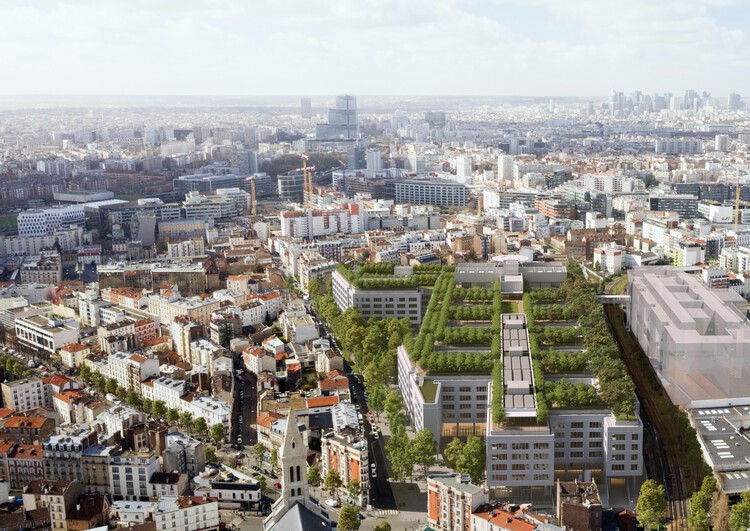
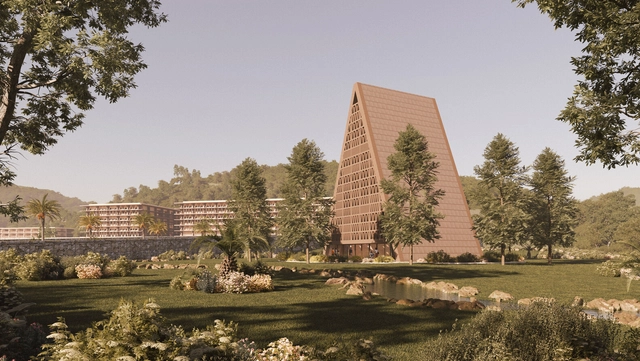
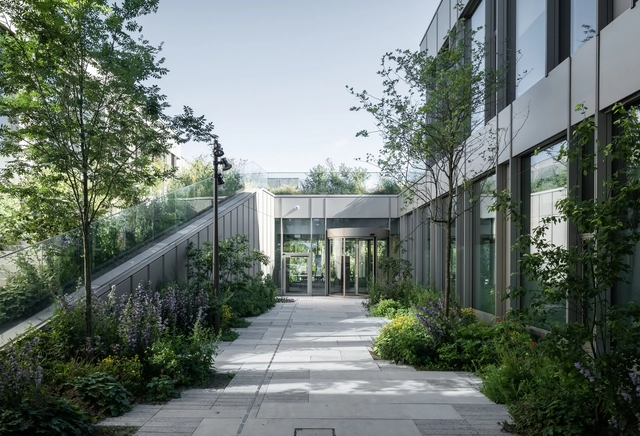
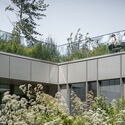
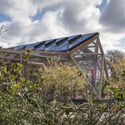
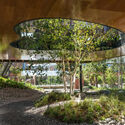
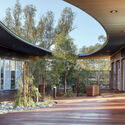
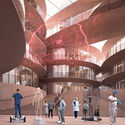
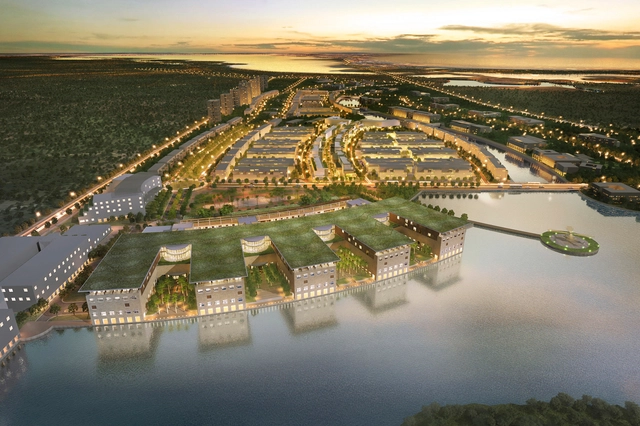
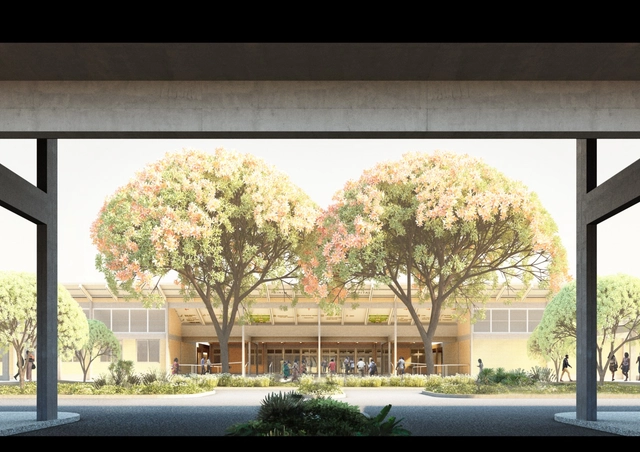
On February 20, Renzo Piano Building Workshop announced that the building permit for the Hôpital Universitaire Saint-Ouen Grand Paris Nord (HUSOGPN) has been officially granted. The project is a state initiative responding to rapid population growth, increasing demand for care, and evolving technical standards with a "next-generation" hospital in Saint-Ouen-sur-Seine, a commune in the northern suburbs of the French capital. The hospital will be located on the site of the former PSA factory, once an industrial engine of the region and now large and well-connected enough to host a program of rare scale: 986 beds and 288 day places, a workforce of over 5,500 professionals, and facilities equipped with contemporary technology for areas such as surgery and maternity. Envisioned as a "hospital-landscape," the building designed by RPBW in association with Brunet Saunier & Associés stands out for featuring a 1.3-hectare roof garden and an urban forest with over 1,000 trees.

Renzo Piano Building Workshop and Brunet Saunier & Associés Secure Permit for Urban Forest Hospital in Greater Paris - Image 1 of 4Renzo Piano Building Workshop and Brunet Saunier & Associés Secure Permit for Urban Forest Hospital in Greater Paris - Image 2 of 4Renzo Piano Building Workshop and Brunet Saunier & Associés Secure Permit for Urban Forest Hospital in Greater Paris - Image 3 of 4Renzo Piano Building Workshop and Brunet Saunier & Associés Secure Permit for Urban Forest Hospital in Greater Paris - Image 4 of 4Renzo Piano Building Workshop and Brunet Saunier & Associés Secure Permit for Urban Forest Hospital in Greater Paris - More Images+ 27

Quiet Hope: Frank Gehry’s Maggie’s Centre Hong Kong

Subscriber Access | 

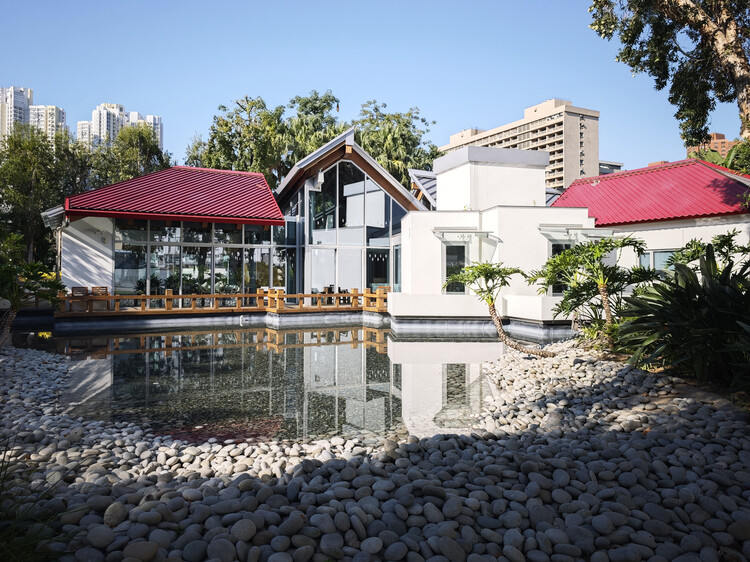
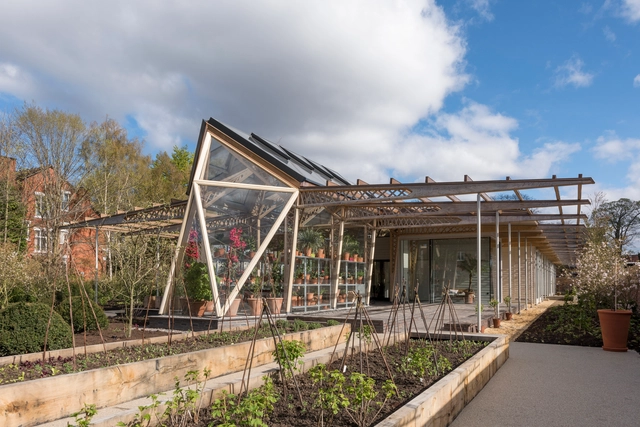
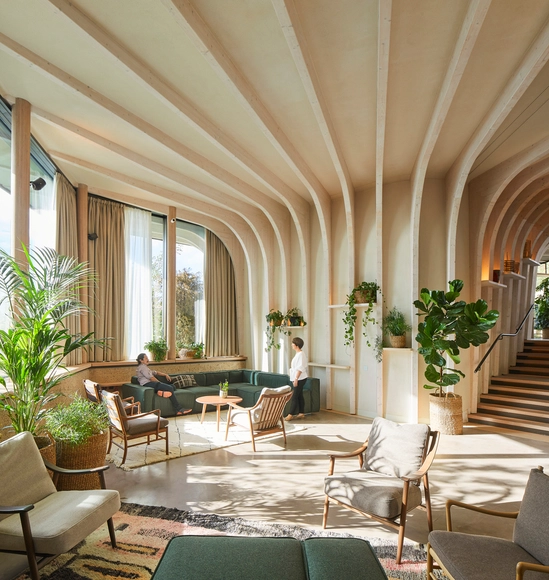
Earlier this month, news of Frank Gehry's passing prompted an outpouring of tributes to the architect behind flamboyant museums, concert halls, and sinuous residential complexes. Rather than revisit that well-charted terrain, it is worth pausing on a more contemplative work in his oeuvre: Maggie's Cancer Caring Centre in Hong Kong. Quiet, optimistic, and calibrated for everyday resilience, the building reflects multiple registers of Gehry's intent: a commitment to positivity and survival—and, more personally, an architect's own reckoning with loss and end-of-life care.
The remark reframes Maggie's Hong Kong as more than a commission; it suggests a design process shaped by grief and turned toward comfort, dignity, and the possibility of hope—an ethos that aligns closely with the organization's mission.
Quiet Hope: Frank Gehry’s Maggie’s Centre Hong Kong - Image 1 of 4Quiet Hope: Frank Gehry’s Maggie’s Centre Hong Kong - Image 2 of 4Quiet Hope: Frank Gehry’s Maggie’s Centre Hong Kong - Image 3 of 4Quiet Hope: Frank Gehry’s Maggie’s Centre Hong Kong - Image 4 of 4Quiet Hope: Frank Gehry’s Maggie’s Centre Hong Kong - More Images+ 20

SPPARC Studio Unveils Design for Residential Conversion of Former Ravenscourt Park Hospital in London

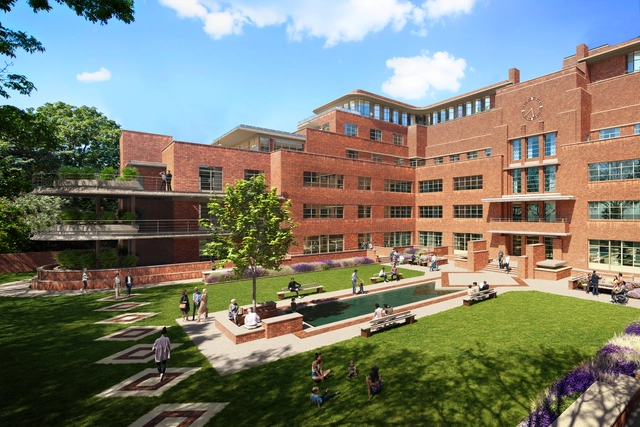
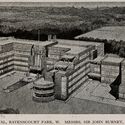
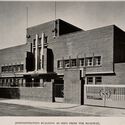
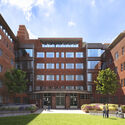
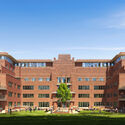
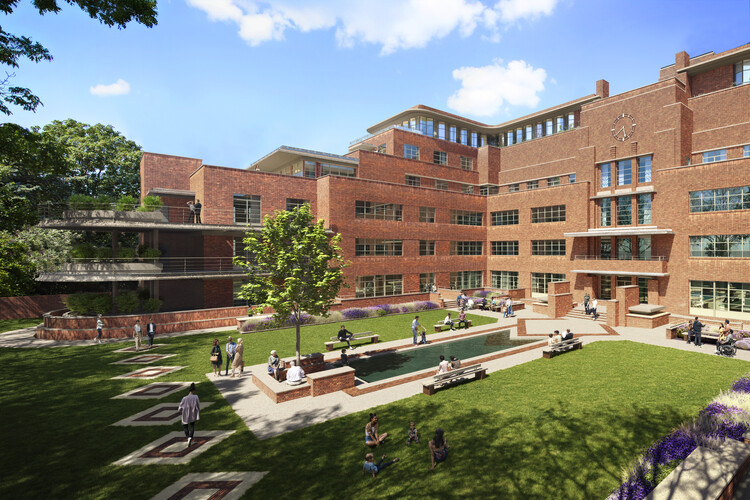
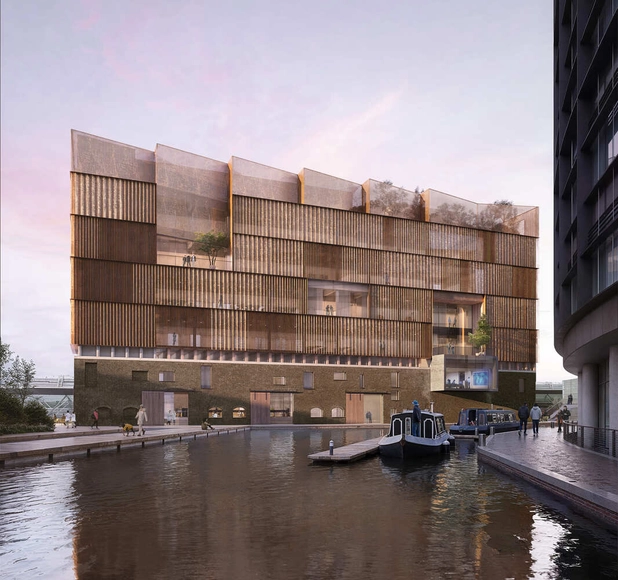
SPPARC architecture and design studio has revealed plans to renovate the former Ravenscourt Park Hospital in Hammersmith, London, which has stood vacant for two decades. The building, originally named the Royal Masonic Hospital and designed by Thomas S. Tait, is regarded as one of the first major modern buildings in the UK and was Europe's largest independent acute hospital when it was opened by King George V in 1933. Built to provide low-cost treatment for Freemasons and their families, the 260-bed facility operated until 1994, reopened as an NHS hospital in 2002, and was permanently closed in 2004. According to the recent announcement, the Grade II listed landmark, currently on Historic England's Heritage at Risk register, is intended to be repurposed as 140 new homes, a 65-bed care home, and spaces available for public hire.

SPPARC Studio Unveils Design for Residential Conversion of Former Ravenscourt Park Hospital in London - Image 1 of 4SPPARC Studio Unveils Design for Residential Conversion of Former Ravenscourt Park Hospital in London - Image 2 of 4SPPARC Studio Unveils Design for Residential Conversion of Former Ravenscourt Park Hospital in London - Image 3 of 4SPPARC Studio Unveils Design for Residential Conversion of Former Ravenscourt Park Hospital in London - Image 4 of 4SPPARC Studio Unveils Design for Residential Conversion of Former Ravenscourt Park Hospital in London - More Images+ 2

Adjaye Associates Designs International Children’s Cancer Research Centre in Ghana

Adjaye Associates has revealed the design for the International Children's Cancer Research Centre (ICCRC) in Kyebi, Ghana. Commissioned by the Wish4Life Foundation, the project marks a step in the development of pediatric healthcare in West Africa. Situated on a 225,000-square-meter site along the eastern slopes of the Atewa Range, the ICCRC is envisioned as an integrated facility dedicated to healing, research, education, and community engagement. It will be the first center in the region solely focused on the treatment of childhood cancers. The project is currently on view at the Time Space Existence exhibition, part of the Venice Architecture Biennale 2025, held at Palazzo Bembo until 23 November 2025.

Adjaye Associates Designs International Children’s Cancer Research Centre in Ghana - Image 1 of 4Adjaye Associates Designs International Children’s Cancer Research Centre in Ghana - Image 2 of 4Adjaye Associates Designs International Children’s Cancer Research Centre in Ghana - Image 3 of 4Adjaye Associates Designs International Children’s Cancer Research Centre in Ghana - Image 4 of 4Adjaye Associates Designs International Children’s Cancer Research Centre in Ghana - More Images+ 7

Architectures of Care: Healing Spaces Across Cultures

Around the world, different cultures have developed unique ways of understanding and experiencing healing. Far from being merely a physical process, healing encompasses emotional, spiritual, social, and architectural dimensions. Healing spaces—whether physical, symbolic, or natural—reflect each culture's values, beliefs, and ways of life. Exploring these cultural approaches not only broadens our perspective on health but also encourages us to reconsider how we design environments that nurture care and well-being.

Architectures of Care: Healing Spaces Across Cultures - Image 1 of 4Architectures of Care: Healing Spaces Across Cultures - Image 2 of 4Architectures of Care: Healing Spaces Across Cultures - Image 3 of 4Architectures of Care: Healing Spaces Across Cultures - Image 4 of 4Architectures of Care: Healing Spaces Across Cultures - More Images+ 12

In Pursuit of Health: How Medical Concerns Shaped Modernist Architecture

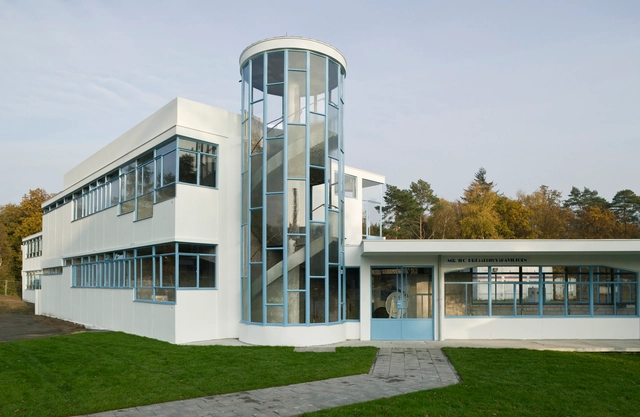
The intersection of architecture and medicine profoundly shaped modernist design, where transparency, light, and air became essential tools in the pursuit of health. Emerging from the tuberculosis crisis of the late 19th and early 20th centuries, the sanatorium evolved beyond a medical facility into a testing ground for architectural innovation. The necessity of fresh air, sunlight, and sterility transformed these spaces into prototypes for modernist principles, influencing spatial organization, material choices, and design philosophies that extended far beyond healthcare.

More than sites of treatment, sanatoriums embodied contemporary medical theories in built form. At a time when tuberculosis — often called the white plague — devastated populations worldwide, medical professionals prescribed environmental exposure as the primary therapy. Architecture adapted accordingly, producing buildings with expansive terraces, large windows, and streamlined interiors designed to optimize ventilation and maximize natural light.

In Pursuit of Health: How Medical Concerns Shaped Modernist Architecture - Image 1 of 4In Pursuit of Health: How Medical Concerns Shaped Modernist Architecture - Image 2 of 4In Pursuit of Health: How Medical Concerns Shaped Modernist Architecture - Image 3 of 4In Pursuit of Health: How Medical Concerns Shaped Modernist Architecture - Image 4 of 4In Pursuit of Health: How Medical Concerns Shaped Modernist Architecture - More Images+ 28

Stanton Williams to Design Fleming Research Centre at St Mary’s Hospital, London, United Kingdom

Stanton Williams has been selected to design the Fleming Centre, a state-of-the-art research and public engagement facility to be constructed on the St Mary's Hospital campus in Paddington, London. Announced by the Royal Institute of British Architects (RIBA), the project aims to create a global hub for collaboration and innovation in addressing antimicrobial resistance (AMR), a significant healthcare challenge affecting populations worldwide. The Fleming Centre forms part of the broader Fleming Initiative, a joint venture between Imperial College Healthcare and Imperial College London.

Healthcare Architecture in India: Strategic Design Principles to Address the Urban-Rural Divide

Subscriber Access | 

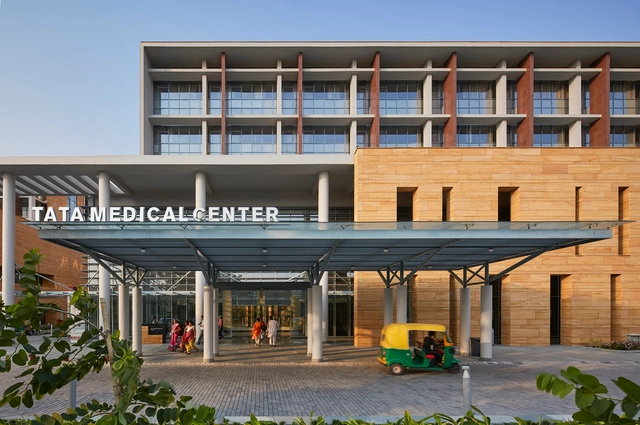
In a nation as diverse as India, the healthcare landscape presents wicked problems and plentiful opportunities. The country's hospital infrastructure has been increasingly strained in the areas of accessibility, quality, and equity, especially with a snowballing population growth. While urban development expands amidst these constraints, architects have been able to position innovative design solutions as mediators, also sealing the gap between urban and rural healthcare quality and accessibility in India.

Healthcare Architecture in India: Strategic Design Principles to Address the Urban-Rural Divide - Image 1 of 4Healthcare Architecture in India: Strategic Design Principles to Address the Urban-Rural Divide - Image 2 of 4Healthcare Architecture in India: Strategic Design Principles to Address the Urban-Rural Divide - Image 3 of 4Healthcare Architecture in India: Strategic Design Principles to Address the Urban-Rural Divide - Image 5 of 4Healthcare Architecture in India: Strategic Design Principles to Address the Urban-Rural Divide - More Images+ 2

Designing with Empathy: Architecture for Social Equity

Architecture has long been understood as a powerful tool for shaping the physical environment and social dynamics within it. However, its potential to foster social equity is often overlooked. Empathy-driven design invites architects to approach their work not only as creators of space but as facilitators of human connection and community well-being. This approach centers on understanding people's lived experiences, struggles, and aspirations — particularly marginalized communities — and responding to their needs through thoughtful, inclusive architecture. It goes beyond aesthetics and functionality, instead focusing on creating spaces fostering dignity, accessibility, and social equity. By prioritizing empathy, architects can design environments that uplift communities, address disparities, and create inclusive spaces that promote positive societal change in a tangible, human-centered way.

Designing with Empathy: Architecture for Social Equity - Image 1 of 4Designing with Empathy: Architecture for Social Equity - Image 2 of 4Designing with Empathy: Architecture for Social Equity - Image 3 of 4Designing with Empathy: Architecture for Social Equity - Image 4 of 4Designing with Empathy: Architecture for Social Equity - More Images+ 13

Green Therapy: How Does Nature Contribute to Healing Hospitalized Patients?

Connection with nature has become increasingly important in architectural theory and practice in recent years, especially after the COVID-19 pandemic, which emphasized the role of natural environments in healing. During this time, many scientific studies highlighted the positive effects of green spaces on human well-being, whether in workplaces, homes, or urban areas. With these proven benefits, it is clear that incorporating natural elements into hospital designs is crucial, creating spaces that provide vital support for patients facing physical or mental challenges.

Green Therapy: How Does Nature Contribute to Healing Hospitalized Patients? - Image 4 of 4Green Therapy: How Does Nature Contribute to Healing Hospitalized Patients? - Image 1 of 4Green Therapy: How Does Nature Contribute to Healing Hospitalized Patients? - Image 2 of 4Green Therapy: How Does Nature Contribute to Healing Hospitalized Patients? - Image 3 of 4Green Therapy: How Does Nature Contribute to Healing Hospitalized Patients? - More Images+ 4