Much before humans constructed their first permanent shelters, they discovered the protective power of animal hides as a barrier against harsh environmental conditions. This fundamental principle of building with flexible materials finds influence in the architecture of today, despite the lack of strong precedents that have been lost to time. Textiles served as humanity's first architectural elements, predating ancient construction methods like stone masonry. The relationship between textiles and shelter would go on to shape the entire history of architecture, from prehistoric settlements to modern skyscrapers. What lessons might these ancient origins of architecture hold for future advancements in building design?
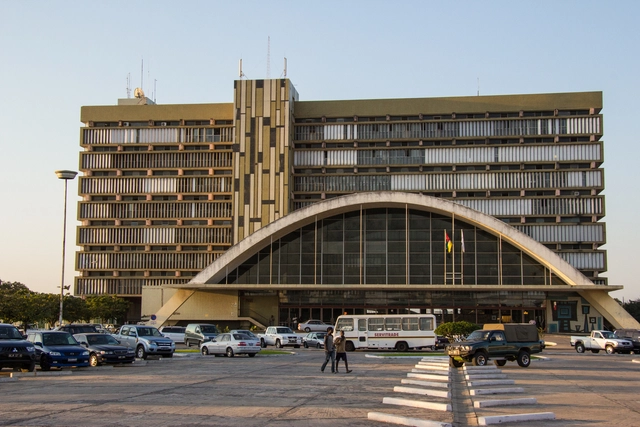
The mid-twentieth century marked a transformative period for Africa as 29 countries achieved independence between 1956 and 1964, signaling the dawn of the nation-state across the continent. This era resonated with a spirit of liberation and progress, paralleling the global movements of that time, such as the establishment of international organizations like the United Nations (1945) and the Organization of African Unity (1963). Within this context, Modernist architecture emerged as a powerful symbol of national identity, ambition, and the collective aspiration for a brighter future. As newly independent nations sought to define themselves apart from their colonial pasts, the adoption of Modern Movement principles facilitated the construction of key infrastructures, such as convention centers, parliament buildings, and hotels, as well as the development of architectural education, as native-trained architects begun to either replace or cooperate with foreign-born professionals.
This article inaugurates a new series titled Rediscovering Modernism in Africa, aiming to explore the architectural legacy of the Modern Movement in Africa, highlighting its role in nation-building and the evolution of architectural education, while shedding light on the architects and movements that shaped this transformative era.
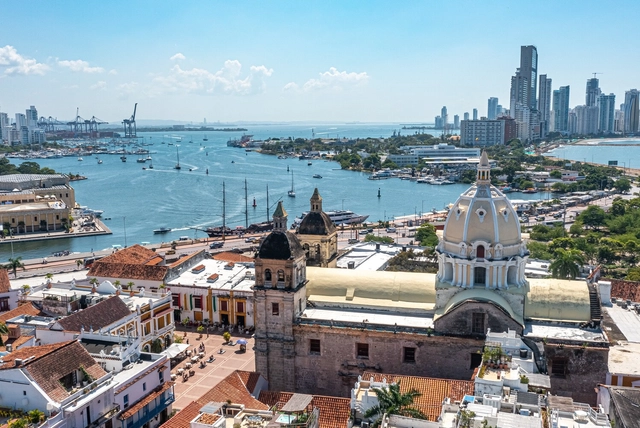
A look at most of the cities within Latin America reveals striking commonalities across countries, from Mexico down to Argentina: most cities have a well-defined area known as "El Centro" (The Center), anchored by a main plaza (Plaza Mayor), flanked by a church on one side and key buildings like the city hall on another. This is no coincidence, as it can be traced back to an urban planning system established during the Spanish colonization of the Americas in the 17th and 18th centuries. It gave standardized guidelines for city design across its viceroyalties. Unlike French and English colonies, Spanish settlements adhered to regulations that contributed to the emergence of a shared urban identity, with cities displaying similar spatial logic and architectural cohesion despite differing scales and contexts.
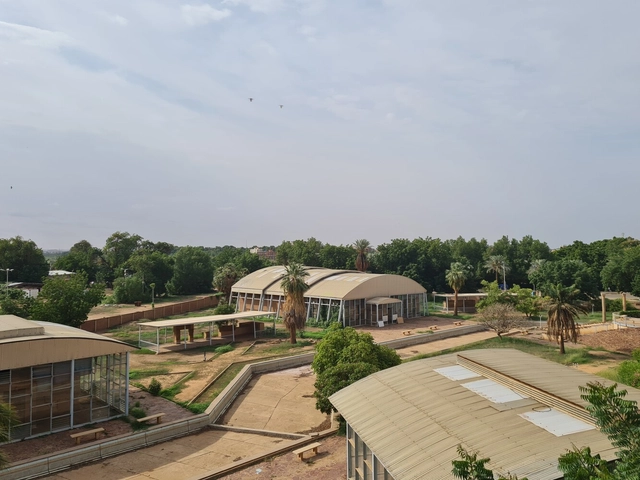
Two museums in Africa built in the mid-twentieth century carry the name 'National Museum.' They reflect the story of their respective nation's history and are tied to notions of national identity. Both are also examples of fine architecture built on the principles of Modernism, a movement associated with nation-building in Africa. However, their inception and purpose followed very different paths. This article explores the under-reported architecture of the National Museum of Ghana in Accra and the Sudan National Museum in Khartoum.
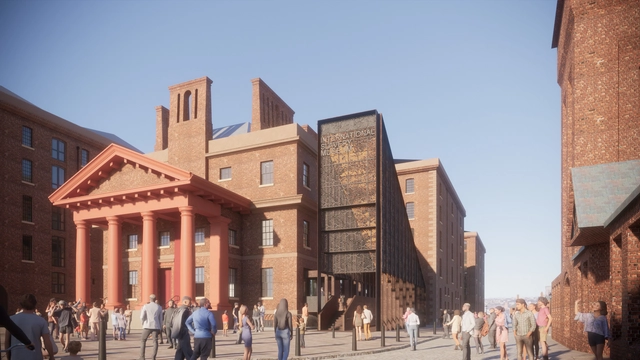
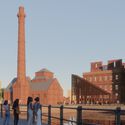
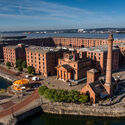
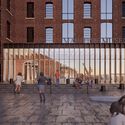
The redevelopment of the International Slavery Museum and Maritime Museum in Liverpool, UK, has been officially approved. Led by Feilden Clegg Bradley Studios, the project titled "Two Museums, One Vision" aims to transform the two venues on Liverpool's waterfront into engaging and welcoming spaces that properly address contemporary issues and reveal untold histories. aims to comprehensively narrate Britain's maritime history alongside its involvement in the transatlantic slave trade. Both venues are set to close early in 2025 for the redevelopment works to begin, according to the National Museums Liverpool. The completion date is scheduled for 2028.
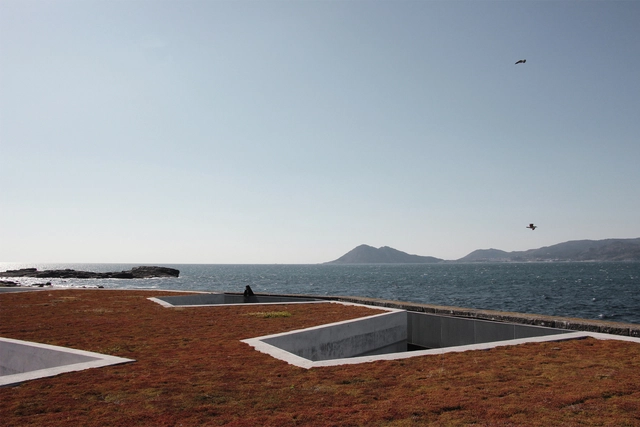
The 2024 European Prize for Urban Public Space has announced the overall winners for the 12th edition: For the General Category, the "Park at the Warsaw Uprising Mound" in Poland by studios topoScape and Archigrest received recognition its ability to honor the site's historical significance; while the Seafront Category prize was given to the "Beach Improvement and Redevelopment of the Harbour Edge" in Porto do Son, Spain, designed by CREUSeCARRASCO and RVR Arquitectos for its careful integration of natural and manmade elements. Selected from a list of 10 finalists, the projects were appreciated for their sensible response to local memory and an understanding of the interplay between various elements that interact with urban life.
Ceramic tiles are a decorative form almost as old as time—originating in ancient Mesopotamia, where they were first used around 4,000 years ago. Today, they serve as a global motif, both ascetic and pictorial, available in a panoply of colors and textures. Formed from the elemental process of firing clay, minerals and water at high heats, tiles become a robust, hard-wearing material with a myriad of applications.
In what is now Italy, tile use and production proliferated in the Roman era – not least in the form of intricate, technicolor mosaics – and the styles embraced in antiquity were an early precedent for those used today. The use of tiles skyrocketed further in the later Renaissance period, with Italian artisans perfecting the medium as an artistic medium, and the country remains perhaps the consummate producer of ceramic and porcelain tiling.
Modernistlandscape architecture marked a radical shift from traditional garden designs, emphasizing simplicity, functionality, and a stronger connection between people and their environments. From the 1930s through the 1960s, this movement saw the emergence of visionary landscape architects who integrated form and function in ways that redefined outdoor spaces. Their designs responded to the rapidly evolving urban landscapes of the time, prioritizing usability and creating environments that could accommodate modern life. The enduring influence of these principles continues to shape contemporary practices, while also presenting unique challenges in preservation as these landscapes age.
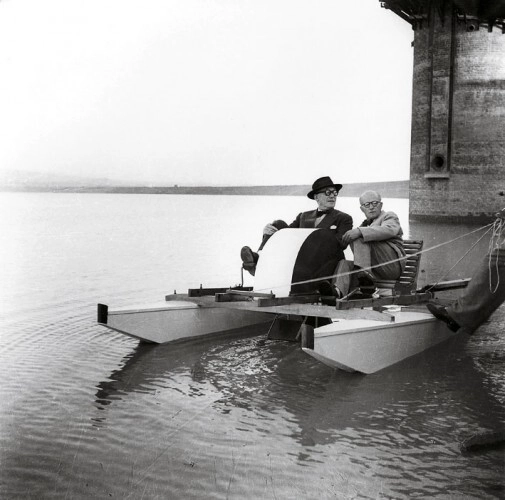
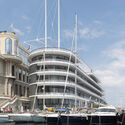
The relationship between architecture and naval design has been a fascinating interplay of form and function that has evolved significantly. Both disciplines have a shared history of innovation, aesthetics, and functionality that have informed and inspired each other. This "love affair" has seen architects drawing inspiration from boats, particularly in the modernist era when ships' streamlined, efficient designs influenced the aesthetic of buildings. Conversely, architectural principles have also been adapted to enhance the functionality and form of boats, demonstrating a reciprocal exchange that continues to shape both disciplines.
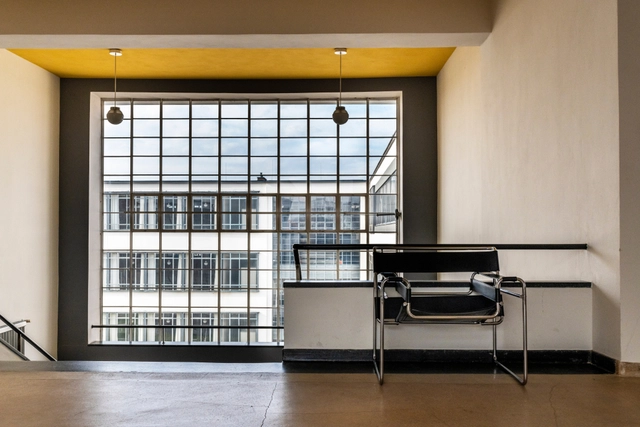
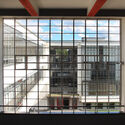
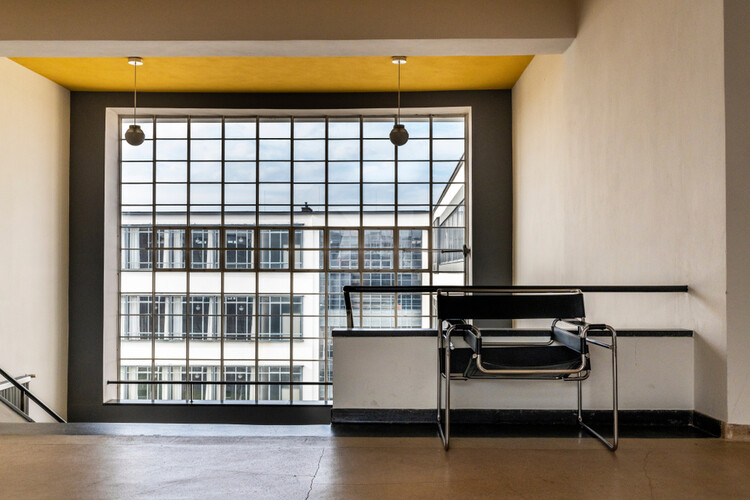
Bauhaus's designs have influenced our contemporary society in obvious and subtle ways. Iconic examples include Marcel Breuer’s Wassily Chair, the B55 Chair, the Bauhaus typeface, and the graphic design principles emphasizing clean lines, primary colors, and geometric shapes. However, the architectural construction details of the Bauhaus movement are much less discussed. While most can readily identify modern or Bauhaus buildings by their geometric forms, functionality, and industrial materials, their architectural details are often overlooked. They not only echo the design language of Breuer’s renowned furniture pieces but also have influenced the much-celebrated architectural glass details of Mies van der Rohe. How were Bauhaus's details executed, and how might they be translated into contemporary details today?
Christopher Alexander (1936–2022) and Joseph Rykwert (b. 1926) were two giants of 20th century architectural theory who began their work in England and eventually created lasting legacies at two great American architectural schools: the University of California at Berkeley (Alexander) and the University of Pennsylvania in Philadelphia (Rykwert). Their careers not only coincided with a critical period of social and cultural research among designers and urbanists, but in many ways continue to inspire the current generation of committed critics of late capitalist development on our imperiled planet. Yet to many they are too little known.
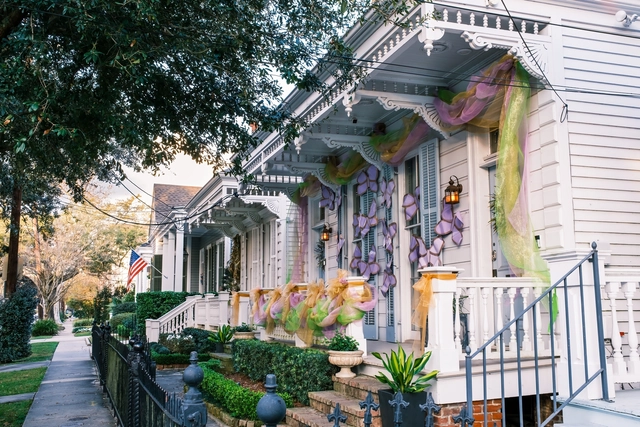
Porches in New Orleans. Image via William A. Morgan / Shutterstock
Positioned between the streetscape of a neighborhood and the privacy of the interior of a house lies the porch. Taking on the role of an entrance, a window to ponder out of, a gathering spot, and a stage, the porch has come to represent community and identity for many neighborhoods in the United States. Made of various stylistic elements of different sizes and shapes, these tie together neighborhoods by creating an interstitial space between the home and the street, weaving together the family life inside the house and the public life outside it, and creating a space between the private and public for both serendipitous encounters and for pausing. The porch has often been displayed in film and literature as the stage of profound and life-changing conversations, representing a comfortable threshold between the domestic and public realm in which to linger.
Even within the world of design media, it was easy to miss the news: In late January, Notre Dame’s School of Architecture announced that Peter Pennoyer, a New York–based architect and author, had won the 2024 Richard H. Driehaus Prize. The Driehaus is architecture’s traditional/classical design version of the Pritzker Prize. Although it comes with a hefty $200,000 check—twice the size of the Pritzker’s honorarium—and previous winners include such luminaries as Robert A.M. Stern, Michael Graves, Leon Kier, and Andrés Duany and Elizabeth Plater-Zyberk, the award still exists in a sort of media vacuum.
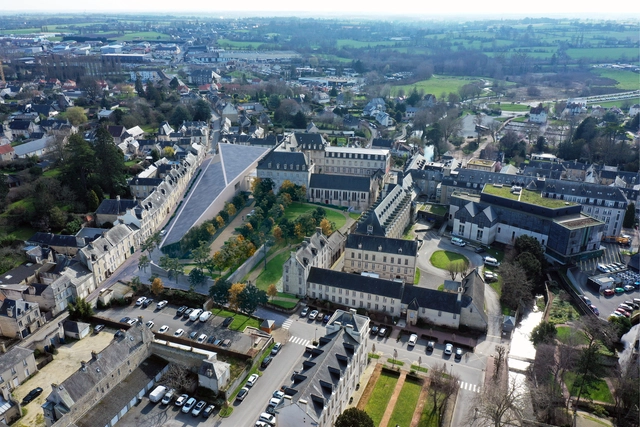
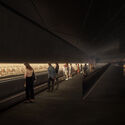
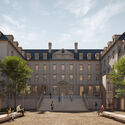
RSHP has unveiled the urban and architectural design for the new Bayeux Tapestry Museum. The intervention is created to house and display the Bayeux Tapestry, an embroidered cloth measuring 70 meters in length and depicting the events leading up to the Norman Conquest of England in 1066 and culminating in the Battle of Hastings. The almost 1000 years-old artifact is also included in UNESCO’s “Memory of the World” list. The project proposes a contemporary extension of the 17th-century seminary where the Musée de la Tapisserie de Bayeux is located.
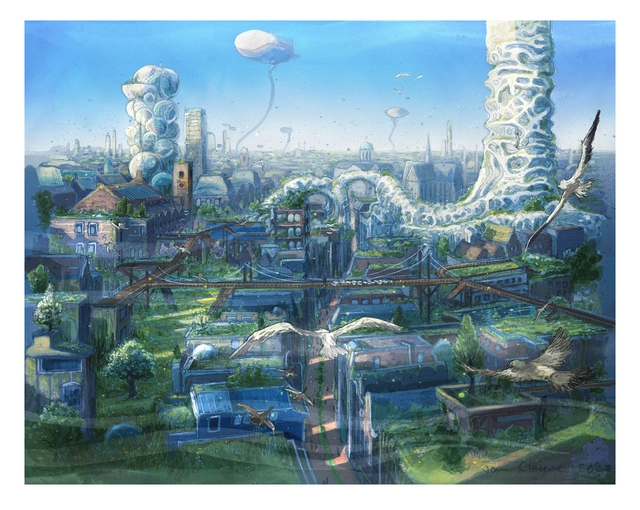
Studio Monnik, 'Alles Komt Goed', 2023. ‘Poreuze Stad’, Illustratie van Jan Cleijne. Een toekomstscenario voor Amsterdam in 2089. Image Courtesy of Het Nieuwe Instituut
Still, the country faces expected and unexpected challenges, from an acute housing shortage to raising concerns regarding climate change and shifting ideas of ecology. In the words of curator Suzanne Mulder, the country is “once again on the drawing board,” as architects, urban planners, and designers are reopening conversations about the future by looking at past lessons. To come to their help, Rotterdam’s Nieuwe Instituut is organizing the exhibition ‘Designing the Netherlands: 100 Years of Past & Present Futures.’
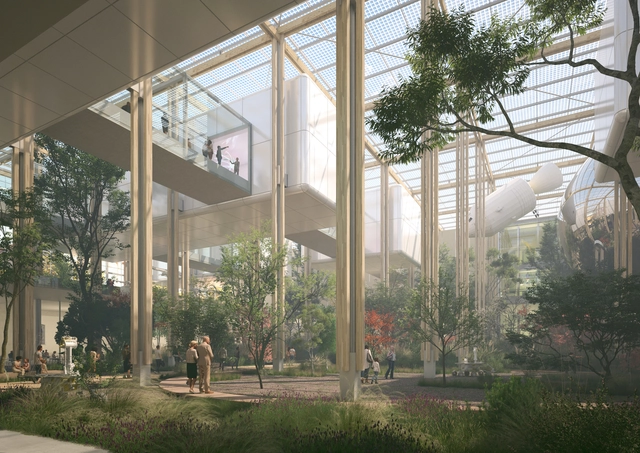
Science Forest / ADAT Studio. Image Courtesy of ADAT Studio
In the contemporary context, museums face contradictory sets of ideas: becoming attractions on and of themselves but presenting an understated image that shifts the attention to the exhibits, creating a safe and protected environment for the artifacts, yet opening them up to the public, becoming repositories of history yet catalysts for innovation. Searching for the balance between all of these constraints has resulted in the flourishing of diverse types of museums and cultural institutions, from those dedicated to the remembrance of a single event or persona to temporary homes for cultural events or spaces that expand their cultural offering beyond exhibition areas.
This curated selection of Best Unbuilt Architecture highlights projects submitted by the ArchDaily community that demonstrate the fusion of art, technology, and innovation within the realm of museums and cultural centers. Among the featured designs are works from renowned architectural offices, including CAA architects, NextOffice – Alireza Taghaboni, and Fentress Architects, along with several emerging firms. Ranging from a sculptural art museum in Dubai to a local cultural and recreational complex in Senegal, or an immersive science museum in Rome, Italy, this diverse compilation strives to showcase the spectrum of scales and purposes of cultural institutions.
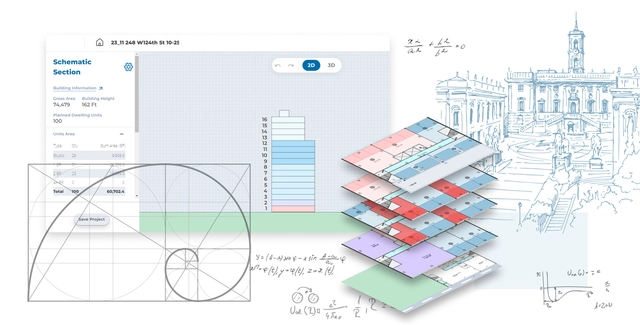
The world of architecture is a captivating fusion of artistic expression and scientific precision. My journey in the realm of architecture started with a profound exploration of its rich history. It was the awe-inspiring works of Renaissance masters that propelled me onto a transformative trajectory, guiding me toward harnessing the immense potential of artificial intelligence and algorithms in architectural design.