1. ArchDaily
  2. Herzog & de Meuron

Herzog & de Meuron: The Latest Architecture and News

Playscapes and Public Imagination: The Ambiguous Play in Urban Life of Hong Kong

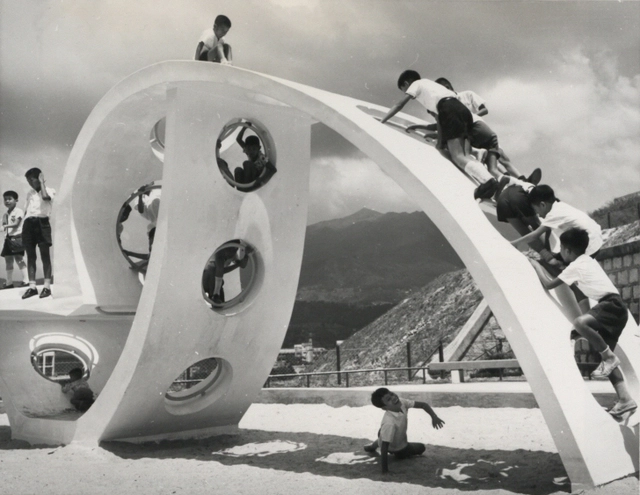
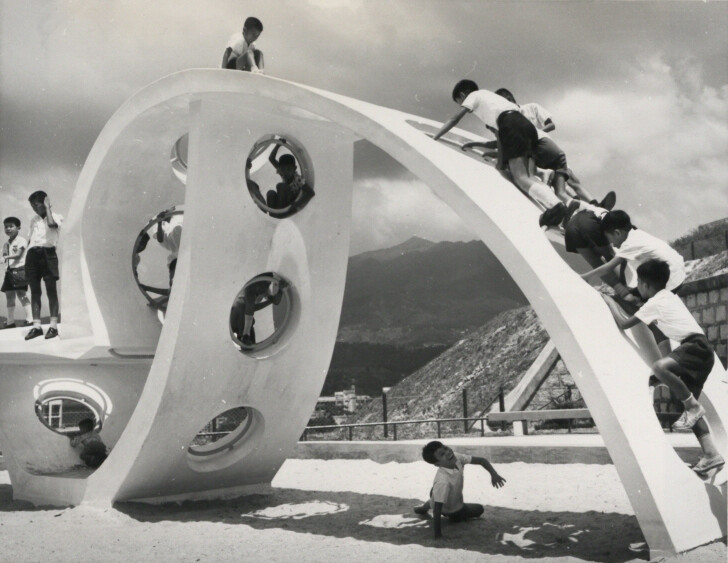
When we think about cities and urban life, we often focus on infrastructure, culture, commerce, nightlife, and density. In metropolises where there seems to be an endless array of activities—especially for adults—play rarely enters the conversation. Yet, the act of playing should be considered a vital part of urban life. Play directly influences how we shape our future cities—starting with how children engage with their environments. The experience of play, and more specifically, the design and presence of playgrounds, leaves lasting impressions on how young people grow up in cities. These spaces form a child's first, physical connection to the urban landscape. In this way, play deserves far more attention in conversations around urban wellness, livability, and the design of public space.

Playscapes and Public Imagination: The Ambiguous Play in Urban Life of Hong Kong - Image 1 of 4Playscapes and Public Imagination: The Ambiguous Play in Urban Life of Hong Kong - Image 2 of 4Playscapes and Public Imagination: The Ambiguous Play in Urban Life of Hong Kong - Image 3 of 4Playscapes and Public Imagination: The Ambiguous Play in Urban Life of Hong Kong - Image 4 of 4Playscapes and Public Imagination: The Ambiguous Play in Urban Life of Hong Kong - More Images+ 13

"Luxury Without Context Is Just Excess": Elisa Orlanski Ours on Bridging Design Vision with Market Realities

Subscriber Access | 

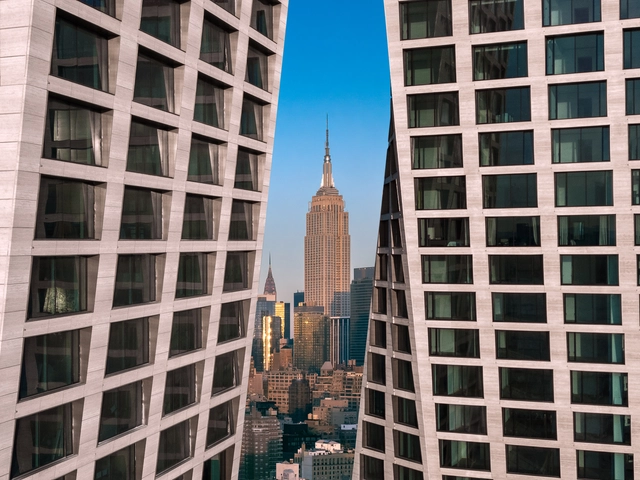
In the complex ecosystem of architectural development, where innovative concepts meet market realities, a distinct role exists to bridge diverse professional interests and realize impactful spaces. Elisa Orlanski Ours exemplifies this function. This is the domain of Elisa Orlanski Ours, a designer, educator, and industry leader. As Chief Planning & Design Officer at Corcoran Sunshine Marketing Group, Elisa founded her department two decades ago. Now, her extensive portfolio spans condominium skyscraper master plans and individual branded villas across continents, including significant New York City developments like Hudson Yards and 220 Central Park South, as well as international developments in collaboration with prominent architectural firms like SHoP Architects, BIG, Herzog & de Meuron, Adjaye Associates, and SO-IL. Her strategic perspective on bringing projects from schematic phase to final sale provides valuable insights into the industry's intricate workings. ArchDaily's Managing Editor, Maria-Cristina Florian, had the opportunity to discuss these critical topics with Elisa in the following interview.

"Luxury Without Context Is Just Excess": Elisa Orlanski Ours on Bridging Design Vision with Market Realities - Image 1 of 4"Luxury Without Context Is Just Excess": Elisa Orlanski Ours on Bridging Design Vision with Market Realities - Image 2 of 4"Luxury Without Context Is Just Excess": Elisa Orlanski Ours on Bridging Design Vision with Market Realities - Image 3 of 4"Luxury Without Context Is Just Excess": Elisa Orlanski Ours on Bridging Design Vision with Market Realities - Image 4 of 4Luxury Without Context Is Just Excess: Elisa Orlanski Ours on Bridging Design Vision with Market Realities - More Images+ 31

Understanding Eco Brutalism: The Paradox of Structure, Sustainability, and Style

Subscriber Access | 

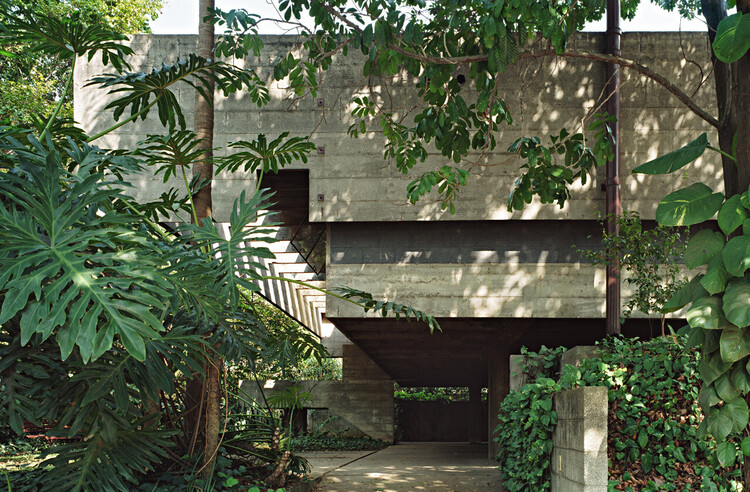
The built environment is expected to reduce carbon emissions, support biodiversity, and respond to changing ecological conditions, all while providing housing for communities and reflecting their cultural values. In this shifting landscape, a once-maligned architectural style emerges in a surprising new form. Brutalism, long associated with institutional gravitas and material austerity, is now being reframed through an ecological lens. This hybrid movement, known as eco-brutalism, combines the power of concrete with greenery and climate-sensitive design strategies. The result is a set of spaces that are visually arresting, conceptually complex, and increasingly popular among designers, urban planners, and the general public. This movement includes not only the direct lineage of 1960s Brutalism but also contemporary projects that, while not strictly Brutalist, share its material honesty, monumental scale, and use of expressive concrete forms.

Understanding Eco Brutalism:  The Paradox of Structure, Sustainability, and Style - Image 1 of 4Understanding Eco Brutalism:  The Paradox of Structure, Sustainability, and Style - Image 2 of 4Understanding Eco Brutalism:  The Paradox of Structure, Sustainability, and Style - Image 3 of 4Understanding Eco Brutalism:  The Paradox of Structure, Sustainability, and Style - Image 4 of 4Understanding Eco Brutalism:  The Paradox of Structure, Sustainability, and Style - More Images+ 39

RIBA Announces 2025 National Award Winners: 20 Architecture Projects from Retrofits to Cultural Landmarks

The Royal Institute of British Architects (RIBA) has announced the 20 winners of the 2025 RIBA National Awards, recognising the most significant contributions to architecture across the UK. Presented annually since 1966, the awards celebrate design excellence and provide a valuable snapshot of evolving architectural, cultural, and social trends. This year's winning projects span the length and breadth of the country, from the Isle of Wight to Scotland and Northern Ireland, and represent a wide range of typologies and scales, from major institutional buildings to small-scale residential and community-focused interventions.

RIBA Announces 2025 National Award Winners: 20 Architecture Projects from Retrofits to Cultural Landmarks - Image 5 of 4RIBA Announces 2025 National Award Winners: 20 Architecture Projects from Retrofits to Cultural Landmarks - Image 1 of 4RIBA Announces 2025 National Award Winners: 20 Architecture Projects from Retrofits to Cultural Landmarks - Image 2 of 4RIBA Announces 2025 National Award Winners: 20 Architecture Projects from Retrofits to Cultural Landmarks - Image 3 of 4RIBA Announces 2025 National Award Winners: 20 Architecture Projects from Retrofits to Cultural Landmarks - More Images+ 90

Built to Last—or Change? The Case for Dry Construction in Humid Cities

Subscriber Access | 

In certain parts of the world, construction is still dominated by wet systems—concrete, masonry, and cementitious materials that are poured, cured, and fixed in place. While this has long been considered the norm in some south-east Asia countries, such as Singapore, Thailand, Malaysia, and China, in most of these regions, they typically share a common trend where labor is relatively inexpensive. This serves as one of the reasons to make concrete more easily available, as one of the typical downside of concrete is its intensive labour cost - this further differentiates concrete as a cheaper and more efficient material system to be building out of.

However, not enough considerations in the region are given to the sustainability aspect when using these wet construction materials,often overlooking the significant drawbacks of its material lifecycle and the difficulty to recycle it without downcycling - making it one of the more unsustainable materials available to be built out of.

Built to Last—or Change? The Case for Dry Construction in Humid Cities - Image 1 of 4Built to Last—or Change? The Case for Dry Construction in Humid Cities - Image 2 of 4Built to Last—or Change? The Case for Dry Construction in Humid Cities - Image 3 of 4Built to Last—or Change? The Case for Dry Construction in Humid Cities - Image 4 of 4Built to Last—or Change? The Case for Dry Construction in Humid Cities - More Images+ 10

From Milan to Chicago: Architecture Now and the Leading Practices of Herzog & de Meuron, Gensler, and Heatherwick

Subscriber Access | 

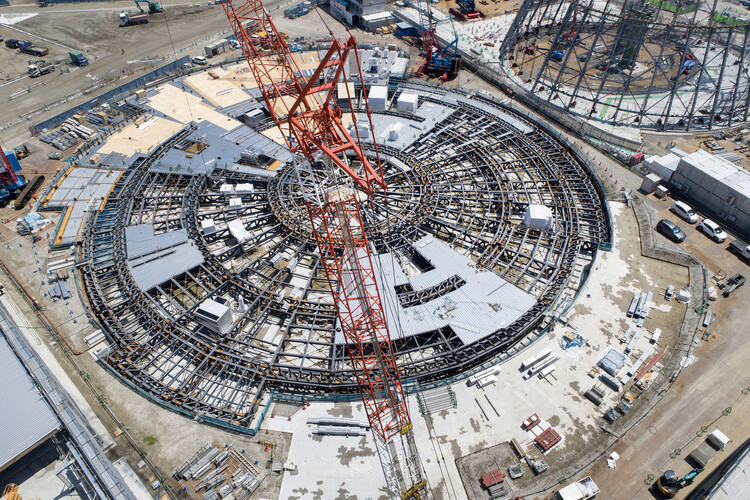
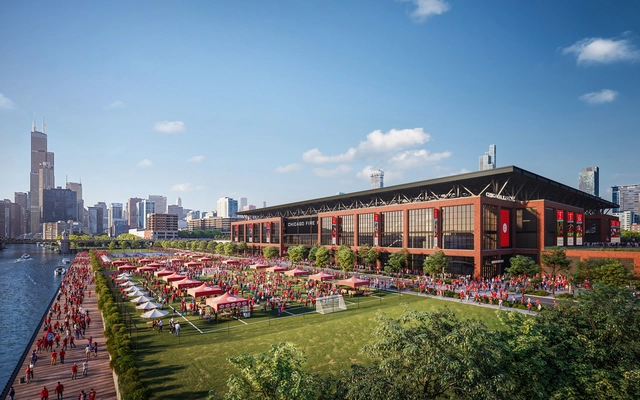
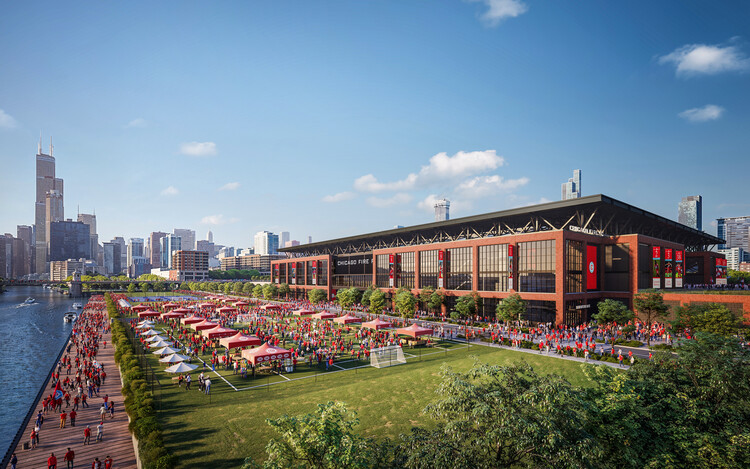
From Milan's Scalo Farini to downtown Chicago, and from the Tuscan countryside to the UK's retrofit initiatives, recent announcements demonstrate how architecture is evolving in response to climate goals, cultural identity, and urban transformation. Herzog & de Meuron's new headquarters for UniCredit will anchor one of Europe's largest redevelopment sites with a focus on sustainability and workplace innovation, while Gensler's stadium design for Chicago Fire FC aims to redefine the U.S. matchday experience as part of a major waterfront development. In Tuscany, Alvisi Kirimoto's Sapaio Pavilion merges agricultural production with architectural sensitivity, and in the UK, RIBA and The King's Foundation are advancing retrofit as a national agenda. Meanwhile, finalists including MVRDV, Heatherwick Studio, and Mecanoo are advancing in an international competition to create a climate landmark intended to inspire large-scale behavioral change. This edition of Architecture Now brings together diverse yet interconnected efforts to shape how architecture can support long-term ecological, cultural, and civic impact.

From Milan to Chicago: Architecture Now and the Leading Practices of Herzog & de Meuron, Gensler, and Heatherwick - Image 1 of 4From Milan to Chicago: Architecture Now and the Leading Practices of Herzog & de Meuron, Gensler, and Heatherwick - Image 2 of 4From Milan to Chicago: Architecture Now and the Leading Practices of Herzog & de Meuron, Gensler, and Heatherwick - Image 3 of 4From Milan to Chicago: Architecture Now and the Leading Practices of Herzog & de Meuron, Gensler, and Heatherwick - More Images+ 3

Designing for the Performing Arts: Architecture as a Stage for Experience

Subscriber Access | 

Theaters, concert halls, and opera houses are more than just venues — they are meticulously orchestrated environments where architecture, technology, and human emotion converge. Unlike conventional buildings, these spaces must accommodate a dynamic interplay between acoustics, sightlines, stage mechanics, and audience engagement, all while maintaining an architectural identity that resonates with performers and spectators alike. Whether it is the immersive embrace of a vineyard-style concert hall or the grandeur of a proscenium theater, every design decision shapes how performances are experienced and remembered.

The recently published SET PIECES: Architecture for the Performing Arts in Fifteen Fragments by Diamond Schmitt Architects explores these complexities through case studies and reflections. Inspired by its insights, this article examines essential design considerations for performance spaces, from acoustic engineering to the evolving role of theaters in urban life.

Designing for the Performing Arts: Architecture as a Stage for Experience - Image 1 of 4Designing for the Performing Arts: Architecture as a Stage for Experience - Image 2 of 4Designing for the Performing Arts: Architecture as a Stage for Experience - Image 3 of 4Designing for the Performing Arts: Architecture as a Stage for Experience - Image 4 of 4Designing for the Performing Arts: Architecture as a Stage for Experience - More Images+ 60

An Architectural Journey Through Tokyo, the Never-Ending City

Subscriber Access | 

Tokyo is never-ending. It is a city made up of many cities, where everything is superlative and encounters with overwhelming scale are constant. For those visiting for the first time, the cultural shock is striking. Everything is extremely clean despite the absence of public trash bins, there's a strong impression of zero violence, and society seems to follow strict disciplinary codes to the letter. There’s a sense that human relationships and individual feelings are set aside in favor of the collective, with all the benefits and drawbacks that this way of life may bring.

An Architectural Journey Through Tokyo, the Never-Ending City - Image 1 of 4An Architectural Journey Through Tokyo, the Never-Ending City - Image 2 of 4An Architectural Journey Through Tokyo, the Never-Ending City - Image 3 of 4An Architectural Journey Through Tokyo, the Never-Ending City - Image 4 of 4An Architectural Journey Through Tokyo, the Never-Ending City - More Images+ 45

The Quiet Tensions of POPS: How Private Institutions Shape Public Urban Wellness and Access

In contemporary urban development, the concept of Privately Owned Public Space (POPS) has gained increasing prominence. These are spaces that, while built, owned, and maintained by private developers, are legally required to remain publicly accessible. Often the result of negotiated planning incentives—such as zoning bonuses or increased floor area—POPS have become especially prevalent in dense urban environments where land is limited and demand for public amenities is high.

The Quiet Tensions of POPS: How Private Institutions Shape Public Urban Wellness and Access - Image 1 of 4The Quiet Tensions of POPS: How Private Institutions Shape Public Urban Wellness and Access - Image 2 of 4The Quiet Tensions of POPS: How Private Institutions Shape Public Urban Wellness and Access - Image 3 of 4The Quiet Tensions of POPS: How Private Institutions Shape Public Urban Wellness and Access - Image 4 of 4The Quiet Tensions of POPS: How Private Institutions Shape Public Urban Wellness and Access - More Images+ 24

Transforming Historic Industrial Buildings in US Cities: 6 Buildings Adapted For The Contemporary Workspace

Subscriber Access | 

Many major cities in the United States are grappling with large industrial buildings that have fallen into disuse. These buildings hold historical and architectural significance and are often protected from demolition. Consequently, architects face the challenge and responsibility of adapting these buildings to contemporary functionalities. Opting against demolition reflects a sustainable construction approach and highlights the importance of honoring the built heritage.

Transforming Historic Industrial Buildings in US Cities: 6 Buildings Adapted For The Contemporary Workspace - Image 1 of 4Transforming Historic Industrial Buildings in US Cities: 6 Buildings Adapted For The Contemporary Workspace - Image 2 of 4Transforming Historic Industrial Buildings in US Cities: 6 Buildings Adapted For The Contemporary Workspace - Image 3 of 4Transforming Historic Industrial Buildings in US Cities: 6 Buildings Adapted For The Contemporary Workspace - Image 4 of 4Transforming Historic Industrial Buildings in US Cities: 6 Buildings Adapted For The Contemporary Workspace - More Images+ 19

From Nature-Inspired Resorts to City Reconversions, Discover the Recent Work of Gensler, Foster + Partners, and More

The change of the calendar year marked the culmination of several processes in the world of renowned architecture firms. Between December 2024 and February 2025, Gensler unveiled a rendering of a Manhattan redevelopment project, Foster + Partners released renderings of a new hotel and luxury residences in Brazil, and Herzog & de Meuron announced the completion date for the new Memphis Art Museum. International competitions revealed their results, highlighting the winning project of the young firm Unformed Design, as well as the collaboration between the Portuguese Fala Atelier and the Swiss Continentale on an educational architecture project. These projects showcase the broad scope of architectural design, from the detailing of a high-end project's relationship with nature to the urban renewal potential of a programmatic conversion project.

From Nature-Inspired Resorts to City Reconversions, Discover the Recent Work of Gensler, Foster + Partners, and More - Image 1 of 4From Nature-Inspired Resorts to City Reconversions, Discover the Recent Work of Gensler, Foster + Partners, and More - Image 2 of 4From Nature-Inspired Resorts to City Reconversions, Discover the Recent Work of Gensler, Foster + Partners, and More - Image 3 of 4From Nature-Inspired Resorts to City Reconversions, Discover the Recent Work of Gensler, Foster + Partners, and More - Image 4 of 4From Nature-Inspired Resorts to City Reconversions, Discover the Recent Work of Gensler, Foster + Partners, and More - More Images+ 22

From Patina to Purpose: 15 Projects that Explore Corten Steel as a Design Element

Subscriber Access | 

In architectural design, materials convey narratives, shaping how spaces are perceived and experienced. Weathering steel, often known by its genericized trademark name, Corten steel, stands out for its ability to evolve, transforming into a medium that tells its own story. It represents a group of steel alloys that form a stable external layer of rust that replaces the need for paint to protect the steel while allowing it to develop in time. Its weathered patina serves as more than a functional shield; it becomes an aesthetic language, a testament to the interplay between architecture and nature. This ever-changing surface bridges the ephemeral and the enduring, offering architects a material that grows richer with age.

From Patina to Purpose: 15 Projects that Explore Corten Steel as a Design Element - Image 1 of 4From Patina to Purpose: 15 Projects that Explore Corten Steel as a Design Element - Image 4 of 4From Patina to Purpose: 15 Projects that Explore Corten Steel as a Design Element - Image 2 of 4From Patina to Purpose: 15 Projects that Explore Corten Steel as a Design Element - Image 3 of 4From Patina to Purpose: 15 Projects that Explore Corten Steel as a Design Element - More Images+ 13

From Silos to Iconic Spaces: 15 Projects That Repurpose Industrial Structures

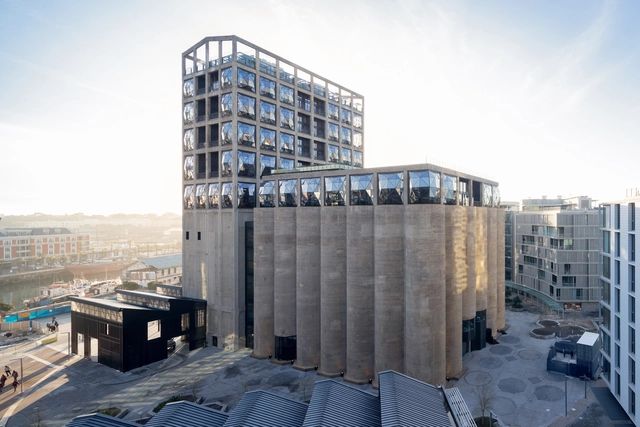
Silos hold a significant place among the remnants of the industrial era, distinguished by both their technological innovations and their iconic presence in urban landscapes. Typically cylindrical and made of reinforced concrete, these structures effectively addressed the demands and challenges of industrialization, providing a robust and economical solution for storage. However, throughout the 20th century, with the advent of new logistics and the relocation of activities from some urban centers to expanding areas, many of these silos were decommissioned.

However, despite their enclosed design appearing to be an obstacle for new uses, recent decades have seen initiatives that embrace and repurpose these structures. These projects integrate silos into the urban environment, emphasizing their significance as part of the local collective memory.

From Silos to Iconic Spaces: 15 Projects That Repurpose Industrial Structures - Image 1 of 4From Silos to Iconic Spaces: 15 Projects That Repurpose Industrial Structures - Image 2 of 4From Silos to Iconic Spaces: 15 Projects That Repurpose Industrial Structures - Image 3 of 4From Silos to Iconic Spaces: 15 Projects That Repurpose Industrial Structures - Image 4 of 4From Silos to Iconic Spaces: 15 Projects That Repurpose Industrial Structures - More Images+ 13

ArchDaily's Best Architectural Projects of 2024

Throughout the year, ArchDaily's team of curators works on expanding and populating our project library. Located all around the world, each curator carefully considers the best works emanating from their respective regions in an effort to have a diverse representation of the most inspiring and innovative built works. The team looks to new rising practices, new technologies, and the vernacular revival of traditional construction techniques. Seeking socially driven initiatives, as well as major works by renowned architects, the overall offers a holistic view of the built world today and is relayed through the yearly project review.

ArchDaily's Best Architectural Projects of 2024 - Image 1 of 4ArchDaily's Best Architectural Projects of 2024 - Image 2 of 4ArchDaily's Best Architectural Projects of 2024 - Image 3 of 4ArchDaily's Best Architectural Projects of 2024 - Image 4 of 4ArchDaily's Best Architectural Projects of 2024 - More Images+ 96

Beijing Architecture City Guide: 28 Projects to Understand Contemporary Architecture in a 3,000-Year-Old City

Subscriber Access | 

Beijing, as the cultural and political center of China, embodies a rich architectural language that bridges history and modernity, tradition and innovation, showcasing the city's profound depth and diversity. From monumental landmarks like CITIC Tower and Daxing International Airport to the hidden courtyard renovations nestled within the city's historic hutongs; from the dramatic revitalization of the Shougang industrial site to the refined transformations of Baiziwan and Baitasi, Beijing's architectural achievements continue to captivate and inspire. Every space tells a unique story of the city, blending heritage with contemporary vibrancy.

In this city, memories are preserved, and vitality thrives. Let us step into Beijing, rediscovering the "new Beijing" within the "old Beijing" through the lens of its architecture, and experience the depth of time and the pulse of the city in its dynamic spaces.

Beijing Architecture City Guide: 28 Projects to Understand Contemporary Architecture in a 3,000-Year-Old City - Image 10 of 4Beijing Architecture City Guide: 28 Projects to Understand Contemporary Architecture in a 3,000-Year-Old City - Image 11 of 4Beijing Architecture City Guide: 28 Projects to Understand Contemporary Architecture in a 3,000-Year-Old City - Image 12 of 4Beijing Architecture City Guide: 28 Projects to Understand Contemporary Architecture in a 3,000-Year-Old City - Image 17 of 4Beijing Architecture City Guide: 28 Projects to Understand Contemporary Architecture in a 3,000-Year-Old City - More Images+ 25

Air Rights Explained: Balancing Private Gain with Public Good

Subscriber Access | 

Air rights transactions have become essential in urban development, allowing cities to grow vertically while preserving limited land resources. Typically defined as the right to use or sell the space above a property, air rights enable property owners to transfer unused floor area ratio (FAR) to neighboring parcels, creating increased density and financial gain opportunities. However, the definition can vary based on locality and region, as each country interprets air rights and the ability to build or transfer them differently. As urban centers face mounting pressures from limited land supply and population growth, air rights continue to offer a creative solution that fosters architectural innovation and economic efficiency.

Air Rights Explained: Balancing Private Gain with Public Good - Image 1 of 4Air Rights Explained: Balancing Private Gain with Public Good - Image 2 of 4Air Rights Explained: Balancing Private Gain with Public Good - Image 3 of 4Air Rights Explained: Balancing Private Gain with Public Good - Image 4 of 4Air Rights Explained: Balancing Private Gain with Public Good - More Images+ 9

Herzog & de Meuron Set to Revamp Breuer Building for Sotheby’s in New York

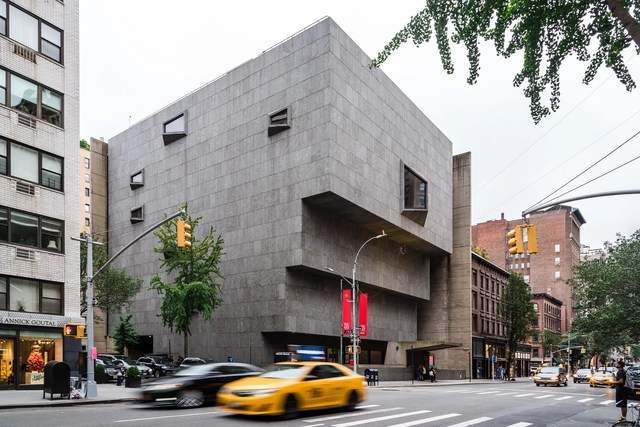
Sotheby's has revealed that Pritzker Prize laureate Herzog & de Meuron will renovate the iconic modernist Breuer Building. The auction house has successfully acquired the building, situated on Madison Avenue, New York City, from the Whitney Museum. Previously, the Breuer building was home to the Whitney, later accommodating the Frick Collection and serving as a venue for the Metropolitan Museum of Art's modern and contemporary pieces. The renovation will include an upgraded sales room for Sotheby's, alongside new exhibition and dining areas. The project, developed together with PBDW Architects, is slated for completion by the fall of 2025.

Herzog & de Meuron Set to Revamp Breuer Building for Sotheby’s in New York - Image 1 of 4Herzog & de Meuron Set to Revamp Breuer Building for Sotheby’s in New York - Image 2 of 4Herzog & de Meuron Set to Revamp Breuer Building for Sotheby’s in New York - Image 3 of 4Herzog & de Meuron Set to Revamp Breuer Building for Sotheby’s in New York - Image 4 of 4Herzog & de Meuron Set to Revamp Breuer Building for Sotheby’s in New York - More Images

Architectural Grafting: A Strategy for Sustainable Design

Subscriber Access | 

Architectural grafting, a concept recently popularized by Jeanne Gang in The Art of Architectural Grafting, presents a transformative approach to urban regeneration and sustainability. Drawing inspiration from botanical and horticultural practices — where new growth is added to existing plants for enhanced resilience — this architectural method integrates new structures with existing ones, allowing them to coexist and adapt. Rather than pursuing demolition, grafting prioritizes adaptation, extending the life of buildings while safeguarding their cultural and historical significance.

While Studio Gang has played a pivotal role in advancing this method, architectural grafting embodies a broader principle that architects have long used to enhance sustainability, conserve resources, and honor heritage. Across scales — from individual buildings to urban landscapesgrafting reshapes the relationship between past and present, adapting existing structures for contemporary needs while addressing environmental demands. By reimagining historic buildings for modern use, this approach fosters a sustainable evolution of cityscapes.


Architectural Grafting: A Strategy for Sustainable Design - Image 1 of 4Architectural Grafting: A Strategy for Sustainable Design - Image 2 of 4Architectural Grafting: A Strategy for Sustainable Design - Image 3 of 4Architectural Grafting: A Strategy for Sustainable Design - Image 4 of 4Architectural Grafting: A Strategy for Sustainable Design - More Images+ 59