1. ArchDaily
  2. Heritage

Heritage: The Latest Architecture and News

Preservationists Prevail: Paul Rudolph’s Brutalist Landmark Spared from Destruction

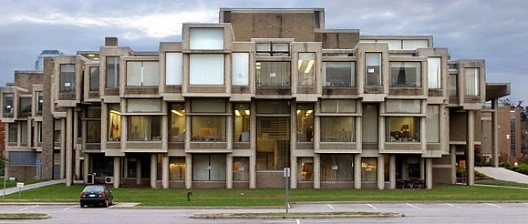
Although preservationists continue to mourn the seemingly inevitable demise of Chicago’s Prentice Women’s Hospital, a solid victory for Brutalism has finally been confirmed. Lawmakers in Goshen, New York, have passed a proposal to renovate Paul Rudolph’s iconic Orange County Government Center, authorizing $10 million in design funding. The 15-6 vote was secured by the overwhelming evidence that an upgrade would be more cost effect than County Executive Ed Diana’s fallback plan to replace two-thirds of the building and preserving only the court section. In addition, lawmakers felt the pressure of a March 12 deadline that would risk losing up to $2.7 million in federal funds to repair water damage caused by Hurricane Irene and Tropical Storm Lee in 2011.

More after the break...

Norman Foster’s Sainsbury Centre Listed

Subscriber Access | 
Norman Foster’s Sainsbury Centre Listed  - Image 4 of 4
© Xavier de Jauréguiberry

On the advice of English Heritage, architecture minister Ed Vaizey has listed Norman Foster’s first major public building: the 1977 Sainsbury Centre at the University of East Anglia, Norwich, in the United Kingdom. According to BDOnline, the popular public art museum, which houses the collection of Lord and Lady Sainsbury, was granted grade II* protection for its innovative engineering, fine design, historic association, flexibility and group value. Its revolutionary design features an innovative, prefabricated modular structure that is cleverly designed to allow for subsequent extension.

Vaizey described: “Norman Foster’s design for the Sainsbury Centre is recognized around the world as a high point of the British ‘high-tech’ movement and, by any standards, a modern classic.”

Read Foster’s response after the break.

WMF partners with Google to Preserve World Heritage Sites

Subscriber Access | 
WMF partners with Google to Preserve World Heritage Sites - Featured Image
Stonehenge, Avebury : Screenshot via World Wonders Project

From the archeological areas of Stonehenge to the Hiroshima Peace Memorial, Google’s World Wonders Project is dedicated to digitally preserving and virtually sharing the World’s Heritage Sites. Users can explore some of the world’s greatest places through panoramic images, 3D laser scanned models, videos and informative text. Although Google World Wonders is a new and ongoing project, they already have more than 130 sites in 18 countries featured. The project is also an educational resource, allowing students and scholars to use the materials to discover some of the most famous sites on earth. A selection of free educational packages are available to download for classroom use.

Google World Wonders is made possible through the partnership of Google, UNESCO, the World Monuments Fund and Cyark, with a shared mission to preserve world heritage sites for future generations.

Start exploring here.

Ditherington Flax Mill Maltings in Shrewsbury wins Heritage Lottery Fund Support / FCB Studios

Subscriber Access | 
Ditherington Flax Mill Maltings in Shrewsbury wins Heritage Lottery Fund Support / FCB Studios - Featured Image
Courtesy of FCB Studios

An outstanding group of buildings in Shropshire recently won development funding from the Heritage Lottery Fund (HLF) for the regeneration of a former flax mill and maltings. FCB (Feilden Clegg Bradley) Studios have been acting as strategic advisors and architects to English Heritage and Shropshire Council since 2003 and have advised them through all stages of the project to date. In November 2010, they gained full planning and listed building consent for a £20m phase of works which includes a heritage-led mixed-use development with the potential to create 120 new homes on the site. The total development value is estimated at £52m. More images and architects’ description after the break.
PBS lists Top Ten Buildings that Changed America

Subscriber Access | 
PBS lists Top Ten Buildings that Changed America  - Featured Image
Vanna Venturi House / Robert Venturi © Maria Buszek

PBS has released their selections of the top ten buildings that have changed the way Americans live, work and play. From Thomas Jefferson’s 224-year-old Virginia State Capitol to Robert Ventui’s postmodern masterpiece the Vanna Venturi House, each building on the list will be featured in a new TV and web production coming to PBS in 2013. Continue after the break to view the top ten influential buildings and let us know your thoughts!

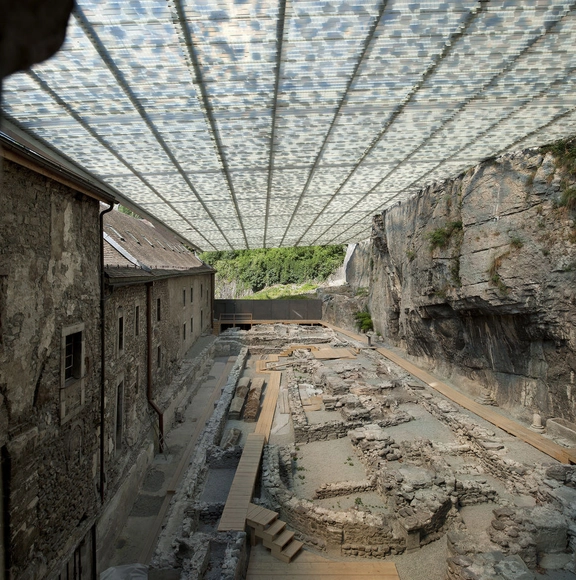
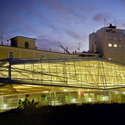
Coverage of Archaelogical Ruins of the Abbey Of St. Maurice / Savioz Fabrizzi Architectes

Coverage of Archaelogical Ruins of the Abbey Of St. Maurice / Savioz Fabrizzi Architectes - Installations & Structures, Facade, ArchCoverage of Archaelogical Ruins of the Abbey Of St. Maurice / Savioz Fabrizzi Architectes - Installations & Structures, Facade, DoorCoverage of Archaelogical Ruins of the Abbey Of St. Maurice / Savioz Fabrizzi Architectes - Installations & Structures, Arch, FacadeCoverage of Archaelogical Ruins of the Abbey Of St. Maurice / Savioz Fabrizzi Architectes - Installations & StructuresCoverage of Archaelogical Ruins of the Abbey Of St. Maurice / Savioz Fabrizzi Architectes - More Images+ 9

Robin Hood Gardens to be Demolished

Subscriber Access | 
Robin Hood Gardens to be Demolished - Featured Image
© Chris Guy

After many years spent fighting to preserve the famous Robin Hood Gardens social housing complex in East London, the architecture community mourns another loss. Tower Hamlets Council and the London Thames Gateway Development Corporations have approved the demolition of the 1960s Brutalist complex in an effort to make way for a new £500 million sustainable development comprised of energy efficient, mixed-tenure homes and an enlarged central park. The historic building was built by modernist architects Alison and Peter Smithson and remains an important piece to Great Britain’s architectural history. Continue reading for more.

A Historical Masterpiece reopens to the Public: Villa Tugendhat / Mies van der Rohe

Subscriber Access | 
A Historical Masterpiece reopens to the Public: Villa Tugendhat / Mies van der Rohe - Image 2 of 4
© Daniel Fišer / Wikimedia Commons

Today, one of the leading exemplars of classic Modern architecture reopens after a two year hiatus. The freshly renovated Villa Tugendhat underwent a monumental restoration and rehabilitation, starting in January 2010, with the aim of preserving and conserving the original building substance and layout, including the construction details, materials and technical system. Renewal work also included the lavish interiors and lush garden. Continue after for the break to learn more about Mies van der Rohe’s renewed masterpiece.

Gdańsk Historic Heritage Center / Mariusz Piesik + Kuba Szymański

Subscriber Access | 
Gdańsk Historic Heritage Center / Mariusz Piesik + Kuba Szymański - Image 2 of 4
Courtesy of Mariusz Piesik + Kuba Szymański

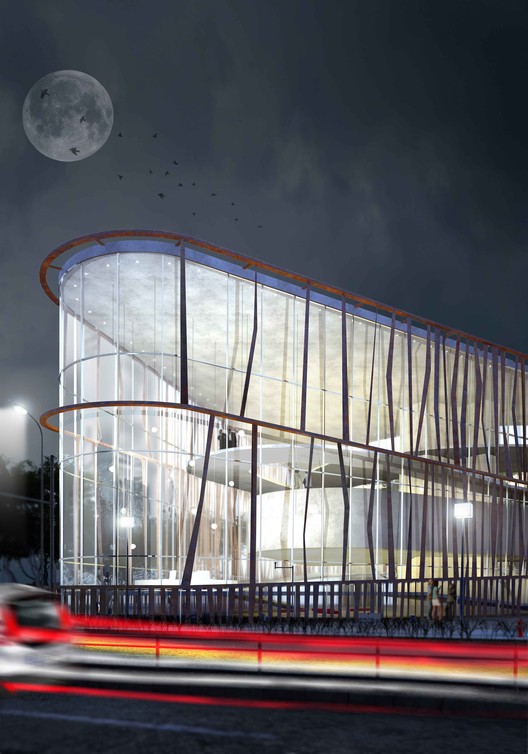
Gdańsk Historic Heritage Center, designed by Mariusz Piesik and Kuba Szymański, is meant to be a multifunctional building and a part of targ sienny / targ rakowy complex – a new project in the very center of Gdańsk, Poland. The building’s main purpose is to host an exhibition of a large scale model of a pre-World War II center of the city and mark the starting point of tourist excursions around it’s streets. More images and architects’ description after the break.
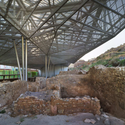
Deck Over A Roman Site / Amann-Canovas-Mauri

Deck Over A Roman Site / Amann-Canovas-Mauri - Preservation Site, Facade, Cityscape, CoastDeck Over A Roman Site / Amann-Canovas-Mauri - Preservation Site, Facade, CityscapeDeck Over A Roman Site / Amann-Canovas-Mauri - Preservation Site, BeamDeck Over A Roman Site / Amann-Canovas-Mauri - Preservation Site, Stairs, Facade, Beam, HandrailDeck Over A Roman Site / Amann-Canovas-Mauri - More Images+ 7

  • Architects: Amann-Canovas-Mauri
    : Amann-Canovas-Mauri  - Atxu Amann, Andrés Cánovas, Nicolás Maruri.
  • Year Completion year of this architecture project Year:  2011
  • Manufacturers Brands with products used in this architecture project
    Manufacturers:  Cascade Architectural

Temple Of Diana / José María Sánchez García

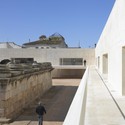
Temple Of Diana / José María Sánchez García - Renovation, FacadeTemple Of Diana / José María Sánchez García - Renovation, FacadeTemple Of Diana / José María Sánchez García - Renovation, Facade, Handrail, StairsTemple Of Diana / José María Sánchez García - Renovation, Courtyard, Facade, Stairs, DoorTemple Of Diana / José María Sánchez García - More Images+ 7

Arche Nebra / Holzer Kobler Architekturen

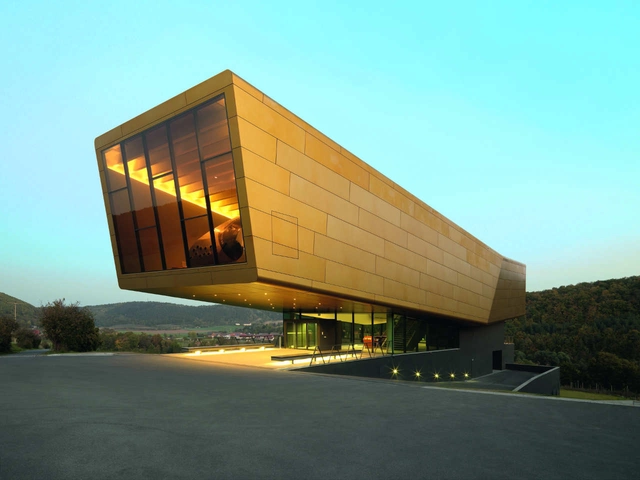
Arche Nebra / Holzer Kobler Architekturen - Visitor Center, ForestArche Nebra / Holzer Kobler Architekturen - Visitor CenterArche Nebra / Holzer Kobler Architekturen - Visitor Center, Facade, Door, Balcony, ChairArche Nebra / Holzer Kobler Architekturen - Visitor Center, Facade, BeamArche Nebra / Holzer Kobler Architekturen - More Images+ 21

Salt Building / Acton Ostry Architects

Salt Building / Acton Ostry Architects - Restoration, FacadeSalt Building / Acton Ostry Architects - Restoration, FacadeSalt Building / Acton Ostry Architects - Restoration, Facade, DoorSalt Building / Acton Ostry Architects - Restoration, FacadeSalt Building / Acton Ostry Architects - More Images+ 11

  • Area Area of this architecture project Area:  14
  • Year Completion year of this architecture project Year:  2009

Royal Archive Center / Architects 49

Royal Archive Center / Architects 49 - Office Buildings, ColumnRoyal Archive Center / Architects 49 - Office Buildings, Facade, Chair, TableRoyal Archive Center / Architects 49 - Office Buildings, Courtyard, FacadeRoyal Archive Center / Architects 49 - Office Buildings, FacadeRoyal Archive Center / Architects 49 - More Images+ 14

Adequacy of Archaeological Site Structure / a3gm

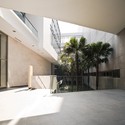
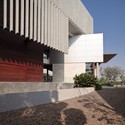
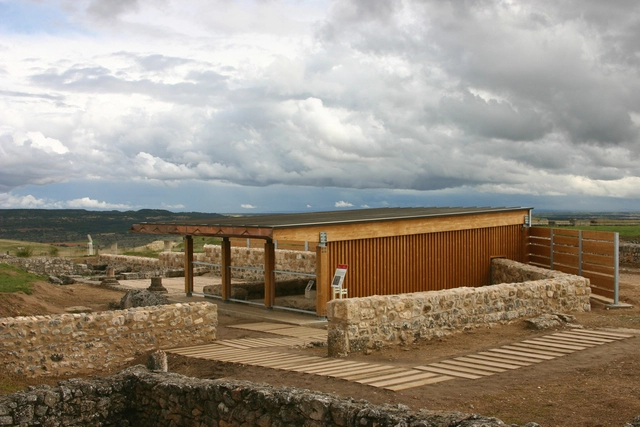
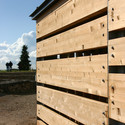
Adequacy of Archaeological Site Structure / a3gm - Public Architecture, Door, FacadeAdequacy of Archaeological Site Structure / a3gm - Public Architecture, FacadeAdequacy of Archaeological Site Structure / a3gm - Public Architecture, Facade, BeamAdequacy of Archaeological Site Structure / a3gm - Public Architecture, Stairs, CoastAdequacy of Archaeological Site Structure / a3gm - More Images+ 24

Fortress of Fortezza / Markus Scherer with Walter Dietl

Fortress of Fortezza / Markus Scherer with Walter Dietl - Monuments, FacadeFortress of Fortezza / Markus Scherer with Walter Dietl - Monuments, Stairs, Handrail, FacadeFortress of Fortezza / Markus Scherer with Walter Dietl - Monuments, Stairs, Facade, Arch, Arcade, Column, HandrailFortress of Fortezza / Markus Scherer with Walter Dietl - Monuments, Stairs, Facade, Arch, Beam, ColumnFortress of Fortezza / Markus Scherer with Walter Dietl - More Images+ 24

Atrisco Heritage Academy / Perkins + Will and FBT Architects

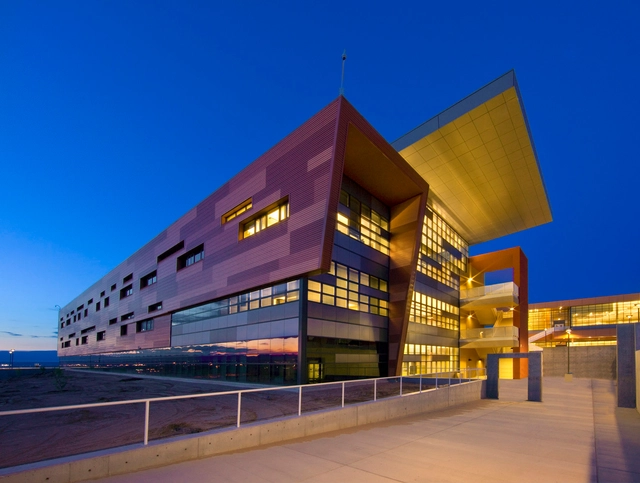
Atrisco Heritage Academy / Perkins + Will and FBT Architects - Educational Architecture, Facade, HandrailAtrisco Heritage Academy / Perkins + Will and FBT Architects - Educational Architecture, FacadeAtrisco Heritage Academy / Perkins + Will and FBT Architects - Educational Architecture, FacadeAtrisco Heritage Academy / Perkins + Will and FBT Architects - Educational Architecture, Facade, Table, ChairAtrisco Heritage Academy / Perkins + Will and FBT Architects - More Images+ 24

The Evolution of the Japanese Tea House

Subscriber Access | 
The Evolution of the Japanese Tea House - Image 6 of 4
© Kenta Mabuchi

Tea ceremonies have evolved a great deal since they first got their start in the ninth century, and as the ceremonies have grown and shifted in purpose, so have the tea houses that hold them.

Initially tea was seen as a medicine used to cultivate the mind, body and spirit; tea was seen as good for monks because it helped them to stay awake for long periods of meditation. For this reason, the military class sponsored the construction of large zen temples for monks to drink tea in. As tea began to grow in popularity beyond the temple, tea ceremonies became a source of entertainment for members of the upper class who could afford to gamble, read poetry and attend tea parties in extravagant pavilions. More information after the break.