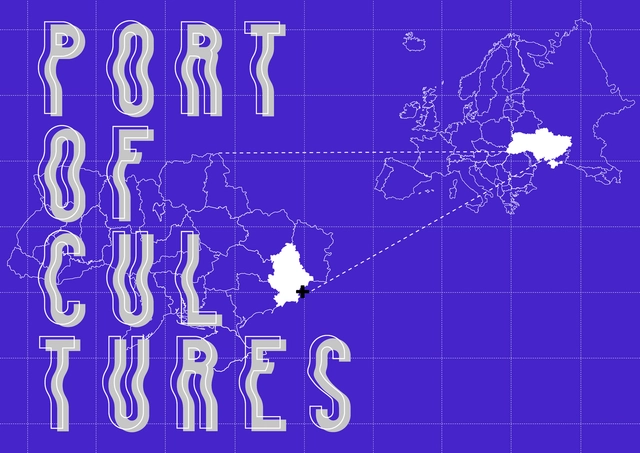
Municipality of Mariupol (UA) invites architects, designers and interdisciplinary teams to submit architectural ideas for a new multifunctional center that will be devoted to the subject of migration, a process that has shaped the city throughout the centuries, becoming an integral part of its identity. The Port of Culture will uncover and explore the less known traits of Mariupol city, and contextualize its local history within larger regional and global processes related to migration.
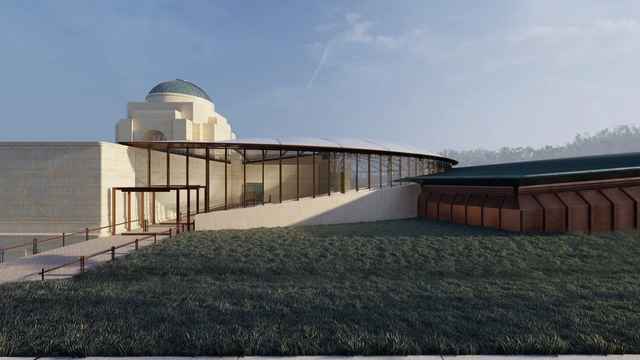
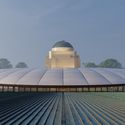
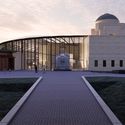
The AWM or the Australian War Memorial will undergo a series of development and refurbishments works, in order to renovate its galleries and its buildings. COX architecture will design the new Anzac Hall with its connection to the main structure, while Scott Carver will be in charge of the southern entrance.
The two-day international conference »Built Heritage & Light« will take place on Thursday, 28th and Friday 29th November, 2019 at the Faculty of Architecture and Design, Wismar University of Applied Sciences, Technology, Business and Design. Experts from the fields of monument conservation, lighting design, architecture and architectural history will discuss the lighting of built heritage monuments and sites from different perspectives.
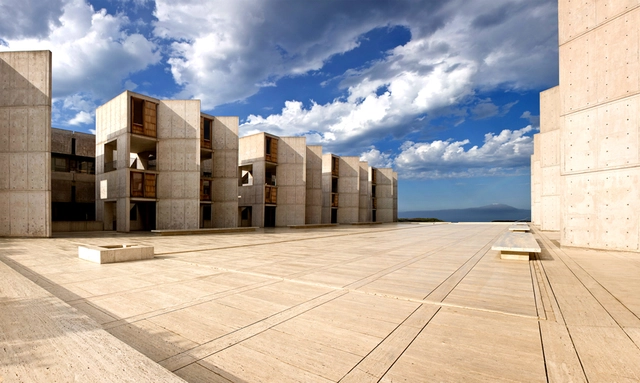
Courtesy Joe Belcovson for the Salk Institute for Biological Studies. ImageIn 2012, the Getty Conservation Institute founded its Conserving Modern Architecture Initiative (CMAI), with the Getty Foundation’s Keeping It Modern grant following two years later. Working synergistically, the two programs are dedicated to supporting new methods and technologies for the conservation of Modernist buildings. Louis Kahn’s Salk Institute for Biological Studies (1965) in La Jolla, California, has been the beneficiary of both CMAI and Keeping It Modern.
The Conserving Modern Architecture Initiative (CMAI) and Keeping It Modern grant are dedicated to supporting new methods and technologies for the conservation of Modernist buildings.
As technology moves forward, so does architecture and construction. Architects, designers, and planners around the world now have infinite tools and resources to design and build the cities of today and the future. As promising as this may sound, new construction is also consuming our world’s limited resources faster than we can replenish them.
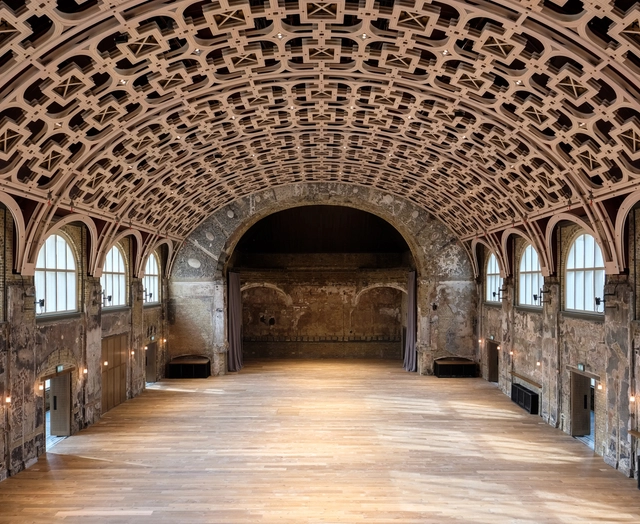
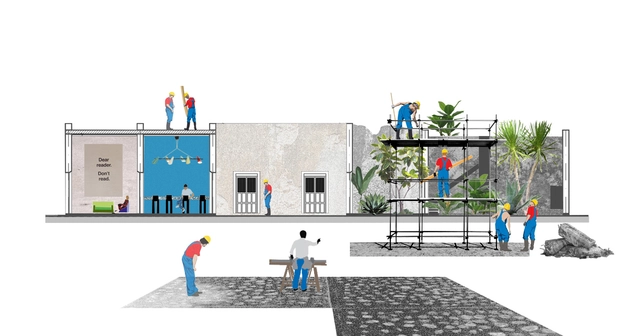
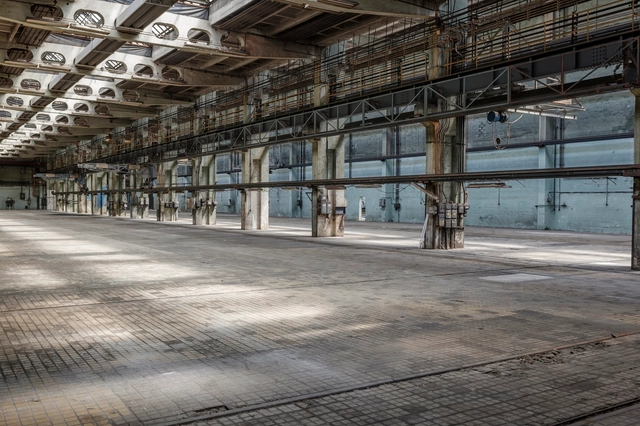
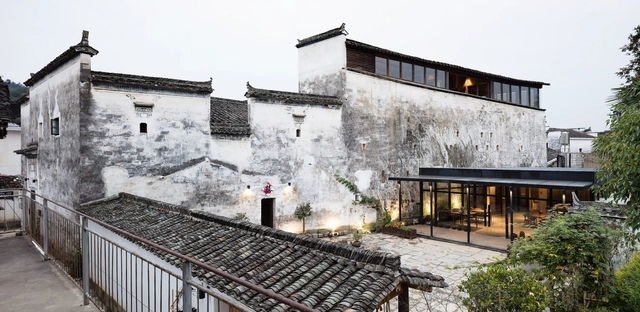
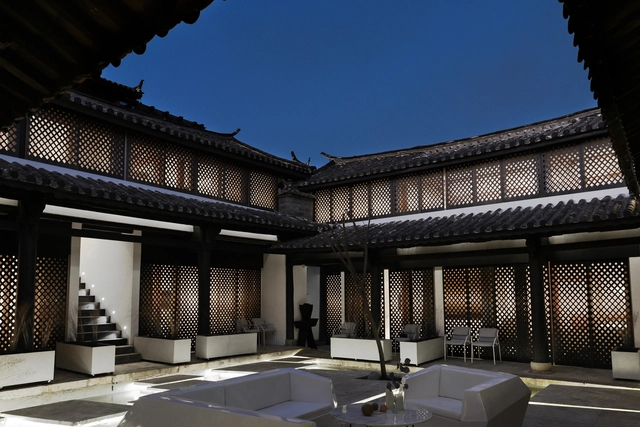
This situation leaves architects with an important responsibility: the rehabilitation and reuse of the existing built environment. This means using creative thinking and design to save and incorporate old or historic buildings that currently exist, in the present and future of our cities, by adapting them through creative and sensitive treatments.
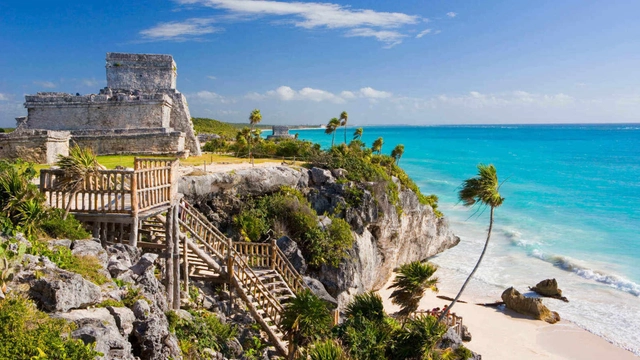
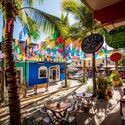
In 2001, the Mexican Secretary of Tourism (SECTUR) created an initiative called "Pueblo Mágico/Magical Town." This program seeks to highlight towns around the country that offer a unique and "magical experience – by reason of their natural beauty, cultural richness, traditions, folklore, historical relevance, cuisine, arts & crafts, and hospitality."
You can find SECTUR's "Magical Town" definition here.
A town that through time and before modernity, was conserved, valued and defended for its historical, cultural and natural heritage; and manifests in it various expressions through its tangible and intangible heritage. A "Magical Town" is a locality that has unique, symbolic attributes, authentic stories, transcendent facts, daily life, which means a great opportunity for tourism, taking into account the motivations and needs of travelers.
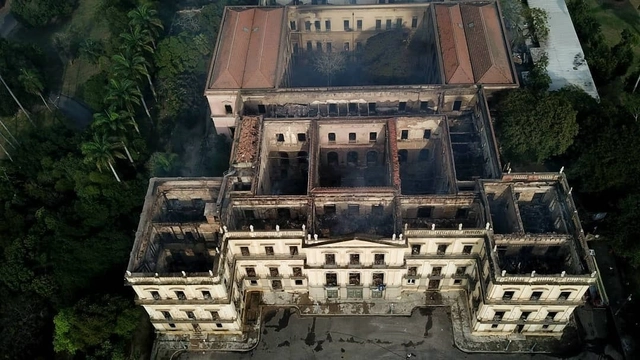
The Institute of Architects of Brazil (IAB), fulfilling its mission of contributing to the technical-scientific and sociocultural development of the country and preserving the national cultural heritage, deeply mourns the irreparable loss of the National Museum, the central institution of culture and science located in the district of São Cristóvão, in Rio de Janeiro, that was consumed by fire on the night of September 2nd.
The fire in Quinta da Boa Vista not only left a an architectural ensemble declared national heritage in ruins but also destroyed millions of artifacts and historical documents belonging to its collection, which were of worldwide relevance and among the most representative of Brazilian history. It is, therefore, an irrevocable loss, which is being lamented by everyone who cares about Brazilian culture and memory, both in Brazil and abroad.
https://www.archdaily.com/901520/open-letter-from-the-institute-of-brazilian-architects-regarding-the-tragic-irrevocable-loss-of-brazils-national-museumEquipe ArchDaily Brasil
On August 17th, Brazil celebrated its National Heritage Day. Created in 1998 to honor the historian and first president of IPHAN (National Historic and Artistic Heritage Institute), Rodrigo Melo Franco de Andrade, who would have turned 100 years old. This date aims to reinforce the recognition and appreciation of the country’s cultural heritage.
In his book The Right to the City (1968), Henri Lefebvre talks about ending the creation of spaces managed by the logic of profit, to launch a plan of "self-managed territory" that does not leave aside the "historical heritage," nor allow the decomposition of space, but instead works for the restitution of urban centers as places of creation.
Globalization has produced cities without limits whose focus has been on the immediate benefit, directly attacking the preservation of cultural heritage, among other things.
The Hungarian Museum of Transport, one of the oldest transport museums in Europe will be rebuilt on a historically significant brownfield site in Budapest. The museum has launched an international design competition to select the best team of architects for its ambitious redevelopment program.
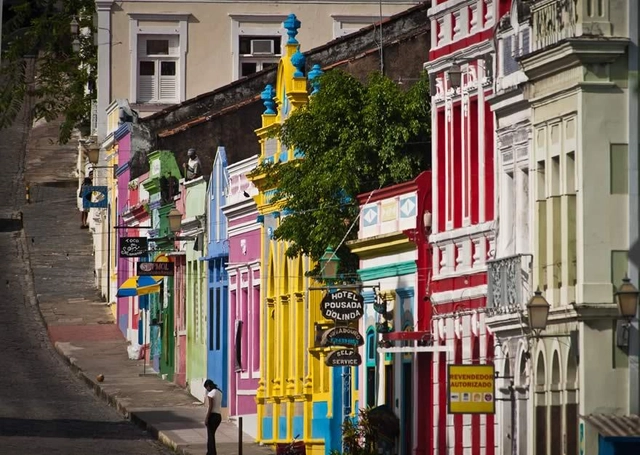
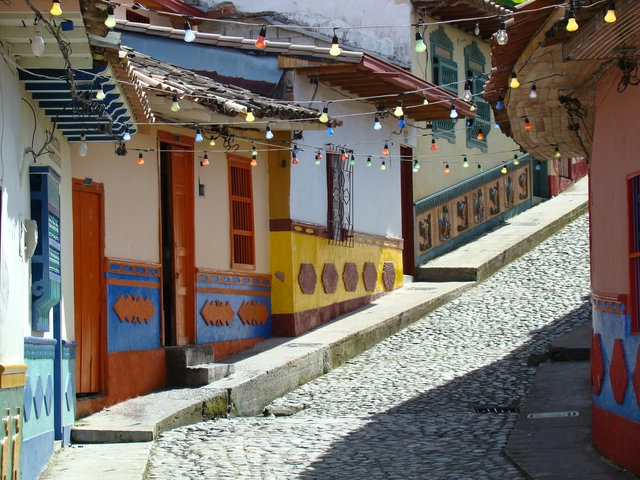
Calm and silence prevail in many of the municipalities of Colombia, where the ochre colors intermingle with the green of the landscape to preserve the colonial styles that characterize some of the architectural typologies of the place. Small urban centers that hide an incomparable beauty are the main attraction for many tourists who today travel to know these obscure places, where one can go to learn a little of their traditions and their culture, creating an almost perfect adventure, where heritage value becomes a characteristic in common.
That is why we have chosen 10 Colombian towns that highlight both the physical-spatial value and the socio-cultural value.
Since the start of civil war in 1991, the political and architectural landscapes of the East African country of Somalia have been unstable. While the country’s urban centers, such as the capital city Mogadishu, boast a diverse fabric of historic mosques, citadels, and monuments alongside modernist civic structures, the decades of conflict have resulted in the destruction of many important structures. And, while the fighting has substantially subsided in recent years, the future of the country's architectural heritage is still far from secure.
In response, Somali architecture students from across the UK, Italy, and the United States have banded together to form Somali Architecture, an ongoing research project archiving and digitally "rebuilding" iconic structures through 3D models. Their goal is “to preserve the identity and authenticity” of Somalia through its architecture—both existing and destroyed. “We want each iconic building of the past to be reinterpreted for a more coherent future,” they say.
See below for a selection of the structures Somali Architecture has uncovered and re-constructed so far.
Danish firm Dorte Mandrup A/S has been announced as the winners of a competition to design the new Trilateral Wadden Sea World Heritage Partnership Center on a historic UNESCO naval site in Wilhelmshaven, Germany. Selected from 14 entries, the firm’s winning proposal will seemingly float atop an existing World War II bunker and house the offices of a joint Danish, German and Netherlandish corporation working to protect the Wadden Sea area.
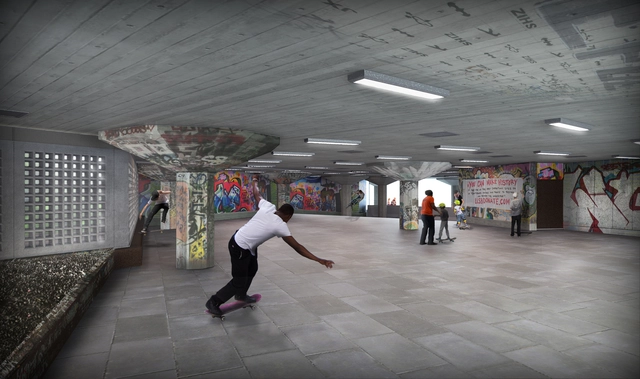
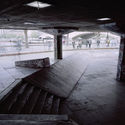
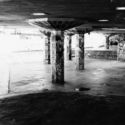
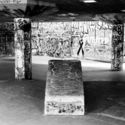
The Southbank Undercroft, which lies beneath the Queen Elizabeth Hall along the River Thames in London, has been the subjectof muchdebate in recent years following a proposed closure and redevelopment in 2013. Long Live Southbank, an organization born out of this threat of expulsion, gave the diverse community who call the space home a voice. After 17 months of campaigning, they were successful in ensuring the Undercroft was legally protected and fully recognized as an asset of community value. Since then, the group of activists has begun another groundbreaking journey.
In partnership with Southbank Centre, Long Live Southbank recently launched a new crowdfunding campaign to restore the legendary Undercroft. The restoration project will cost £790,000 and is set to open in 2018, improving Londoners’ access to free creative spaces in the heart of the City. These types of space are becoming increasingly rare and the restoration effort reflects a desire to celebrate the authentic cultural sites that make London the vibrant landscape it is.
India’s renowned architect Anupama Kundoo has experimented with locally sourced materials to develop Wall House and others for non-profit organizations to minimise impact in the construction process whilst maintaining the connection to the community. She tells us how she integrates hybrid technologies into the building, a response to the growing segregation in India and developing countries.

























.jpg?1506638347&format=webp&width=640&height=580)